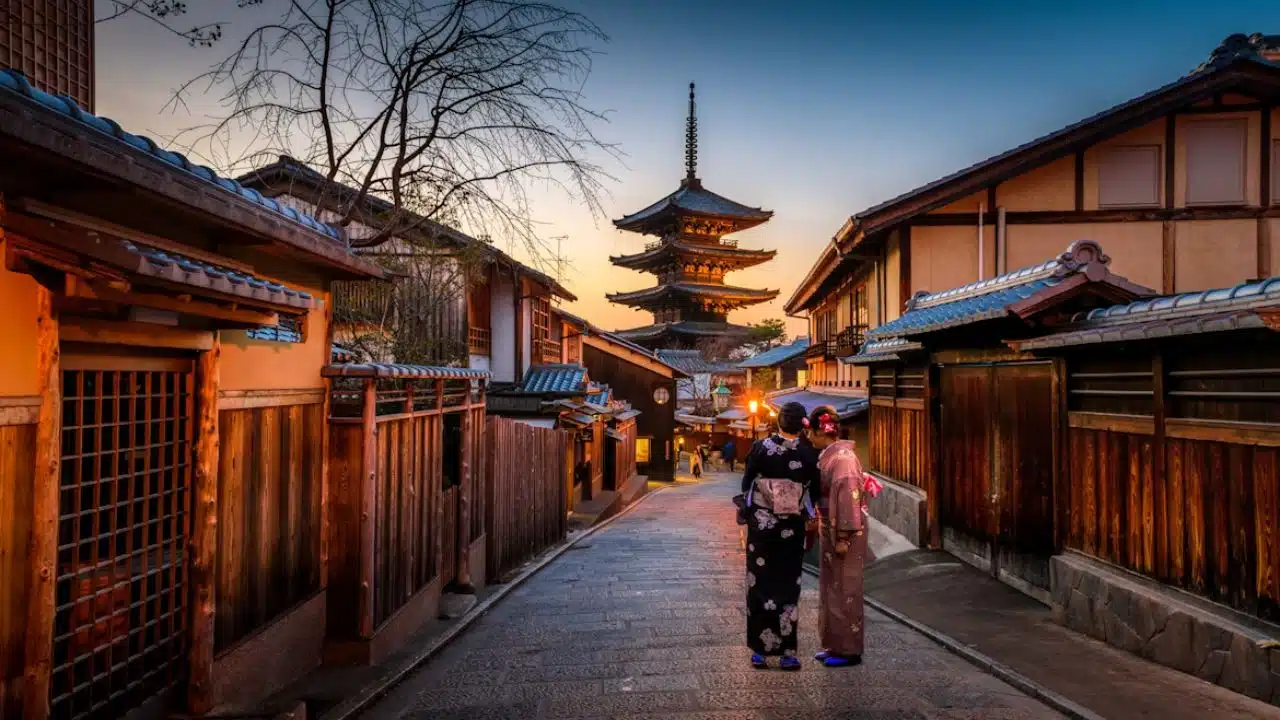
Japan, a land where ancient traditions meet cutting-edge modernity, is not only famous for its rich history, stunning landscapes, and innovative technology but also for its vibrant, authentic performances. From the intricate movements of kabuki theatre to the peaceful serenity of tea ceremonies, Japan offers a wealth of performances that capture the essence of its culture. Whether you are a first-time visitor or a seasoned traveller, immersing yourself in Japan’s world-class shows is an unforgettable experience. In this article, we will explore some of the best live performances you can enjoy in Japan, from traditional theatre to contemporary arts.
Exploring Kyoto and Osaka: The Heart of Traditional and Modern Performances
For those looking to experience both traditional and contemporary performances, the cities of Kyoto and Osaka are ideal destinations. Kyoto, with its historical temples, gardens, and traditional arts, offers an authentic backdrop for cultural performances, from tea ceremonies to kabuki. On the other hand, Osaka is known for its modern energy, bustling nightlife, and innovative arts scene. The Kyoto to Osaka train is the perfect way to travel between these two culturally rich cities, allowing you to witness both sides of Japan’s artistic heritage.
In Kyoto, you can enjoy traditional theatre at venues like the Minami-za Theatre or participate in a tea ceremony at one of the city’s many cultural centres. In Osaka, the National Bunraku Theatre showcases the ancient art of bunraku puppet theatre, while the Shinsekai district offers opportunities to witness modern performances and quirky entertainment.
Kabuki: The Traditional Art of Japanese Theatre
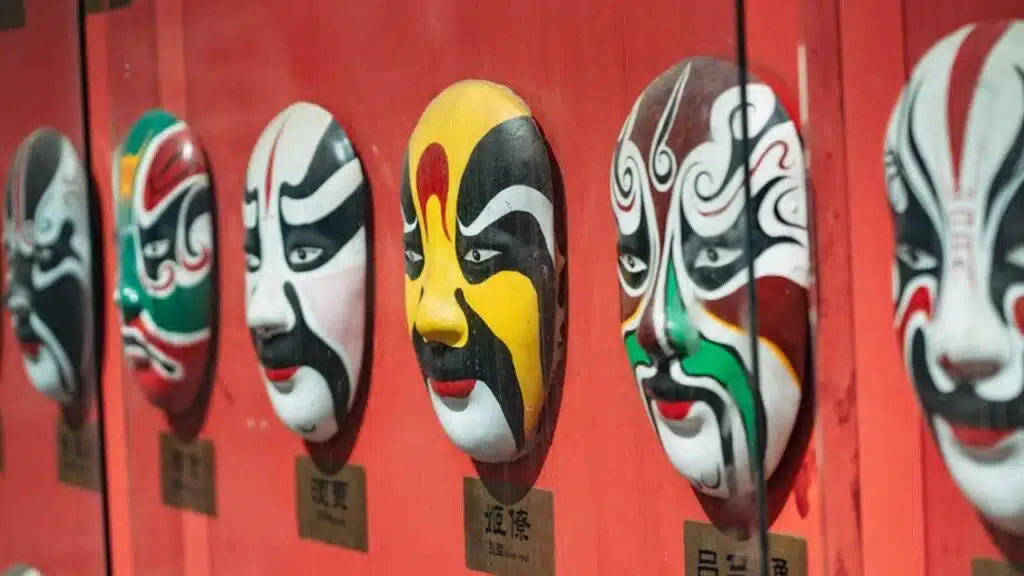
One of Japan’s most iconic traditional performances is kabuki, a highly stylised form of theatre known for its dramatic plots, elaborate costumes, and unique vocal and dance performances. The word “kabuki” itself means “avant-garde” or “bizarre” — an apt description of the vivid, larger-than-life performances you’ll experience. Kabuki shows often feature intense acting, elaborate costumes, and intricate choreography, and are performed on a stage that includes striking visual effects and impressive stagecraft.
The Minami-za Theatre in Kyoto is one of the most famous places to witness this traditional art form. The theatre, established in 1610, regularly hosts kabuki performances that provide an incredible glimpse into this centuries-old theatrical tradition. If you’re planning to see a kabuki show in Kyoto, there are often small group tours to Japan that include a visit to the theatre, providing valuable insight into the history of kabuki and its cultural significance.
For those visiting Tokyo, the Kabuki-za Theatre in Ginza is the city’s premier kabuki theatre. The performances here are nothing short of spectacular, often featuring well-known kabuki actors and timeless plays that have been passed down for generations. Whether you’re captivated by the fast-paced drama or enchanted by the elaborate performances, kabuki offers an experience that will stay with you long after the curtain falls.
Noh and Bunraku: The Elegance of Japanese Theatre
In addition to kabuki, Japan offers other traditional theatre performances that showcase the country’s deep artistic roots. Noh and bunraku are two such dramatic art forms that provide a more solemn, introspective glimpse into Japanese theatre traditions.
Noh is the oldest surviving form of Japanese theatre, dating back to the 14th century. Characterised by slow, deliberate movements, masked performances, and poetic language, Noh is a deeply spiritual form of theatre. Often depicting themes of ghost stories, samurai, or historical events, Noh performances are minimalist yet profound. The National Noh Theatrein Tokyo hosts regular performances, offering a chance to experience this unique form of theatre.
On the other hand, bunraku, a form of puppet theatre, offers a distinct yet equally impressive experience. Originating in Osaka, bunraku uses intricately designed puppets, operated by skilled puppeteers, to tell captivating stories. These performances, typically held at the National Bunraku Theatre in Osaka, offer an artistic and historical insight into Japan’s literary traditions. The narrative, often accompanied by shamisen music and recitative narration, is a multi-sensory experience that speaks to the heart of Japan’s cultural heritage.
Tea Ceremony: The Art of Simplicity and Grace
Another unforgettable Japanese experience is the tea ceremony — a practice that transcends the making of tea and embodies a spiritual approach to life. Known as chanoyu, sado, or the way of tea, this ancient practice is an intricate and highly ritualistic event that revolves around the preparation and consumption of powdered green tea, called matcha. The ceremony’s precise movements and attention to detail reflect a deep reverence for nature, harmony, and the fleeting nature of life. Visitors can participate in a tea ceremony at various venues throughout Japan, including Kyoto, where the tradition is particularly strong.
Ikebana and Calligraphy: The Beauty of Japanese Arts
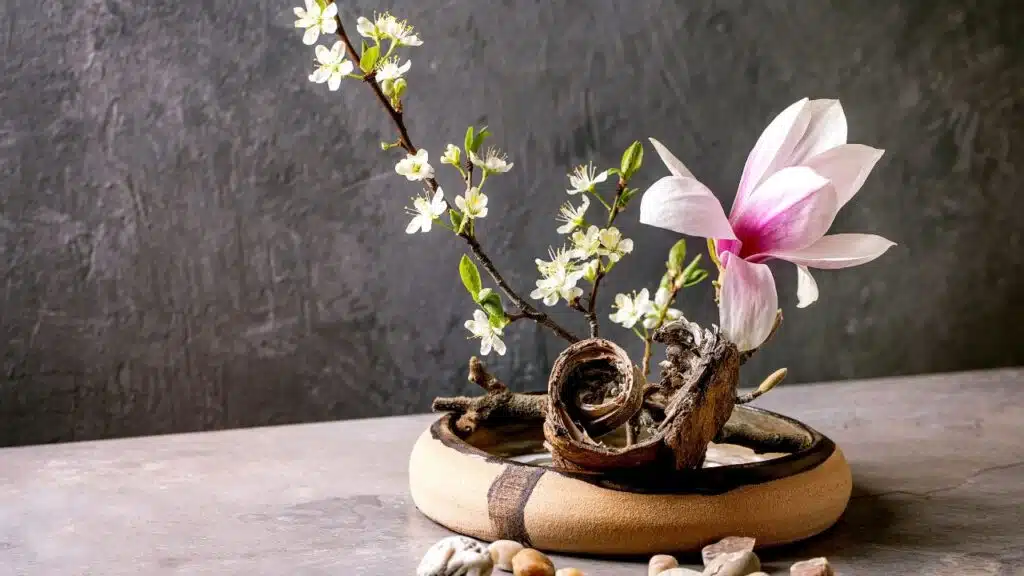
Japan’s artistic performances extend beyond theatre and tea ceremonies. Ikebana, the art of flower arrangement, and calligraphy, known as shodo, are two other traditional practices that encapsulate the Japanese appreciation for beauty and simplicity. Ikebana is more than just arranging flowers; it is a form of meditation and self-expression, where the placement of each bloom speaks volumes about the artist’s feelings and thoughts. Many cultural centres throughout Japan offer workshops where visitors can learn the intricate art of ikebana.
Similarly, shodo, or Japanese calligraphy, is the art of writing with brush and ink. Each stroke in shodo represents not just the character being written, but the calligrapher’s personal expression and energy. Visitors to Japan can witness calligraphy performances or even participate in workshops to create their own beautiful calligraphy pieces.
Contemporary Performances: Japan’s Modern Arts Scene
While Japan is rich in traditional arts, it also has a thriving contemporary arts scene. Contemporary theatre in Japan often combines elements of traditional performance with modern techniques, creating unique and compelling shows. The Tokyo Metropolitan Theatre and Theatre Tram in Tokyo are just two venues that host avant-garde performances, including experimental plays, modern dance, and multimedia performances that reflect the evolving nature of Japan’s cultural landscape.
Japanese pop culture has also led to the rise of innovative performances, such as anime-inspired theatre and idol concerts, which feature energetic choreography, live singing, and interactive elements. These performances offer a glimpse into the unique fusion of Japanese traditions with modern entertainment, and are a must-see for those interested in exploring contemporary Japanese culture.
Conclusion: A Cultural Journey Like No Other
Japan’s performances are more than just shows; they are windows into the country’s rich history, artistic traditions, and modern innovations. From the graceful movements of Noh theatre to the energetic beats of contemporary performances, Japan offers a wide range of experiences that are sure to captivate any traveller.
Whether you are joining a tour to Japan that delves into the heart of these cultural experiences or travelling independently to explore the vibrant cities of Kyoto and Osaka, the shows you witness will undoubtedly leave a lasting impression. Japan is a place where every performance tells a story, and through these unforgettable experiences, you’ll gain a deeper appreciation for the country’s art, culture, and the unique blend of tradition and modernity that defines this extraordinary nation.