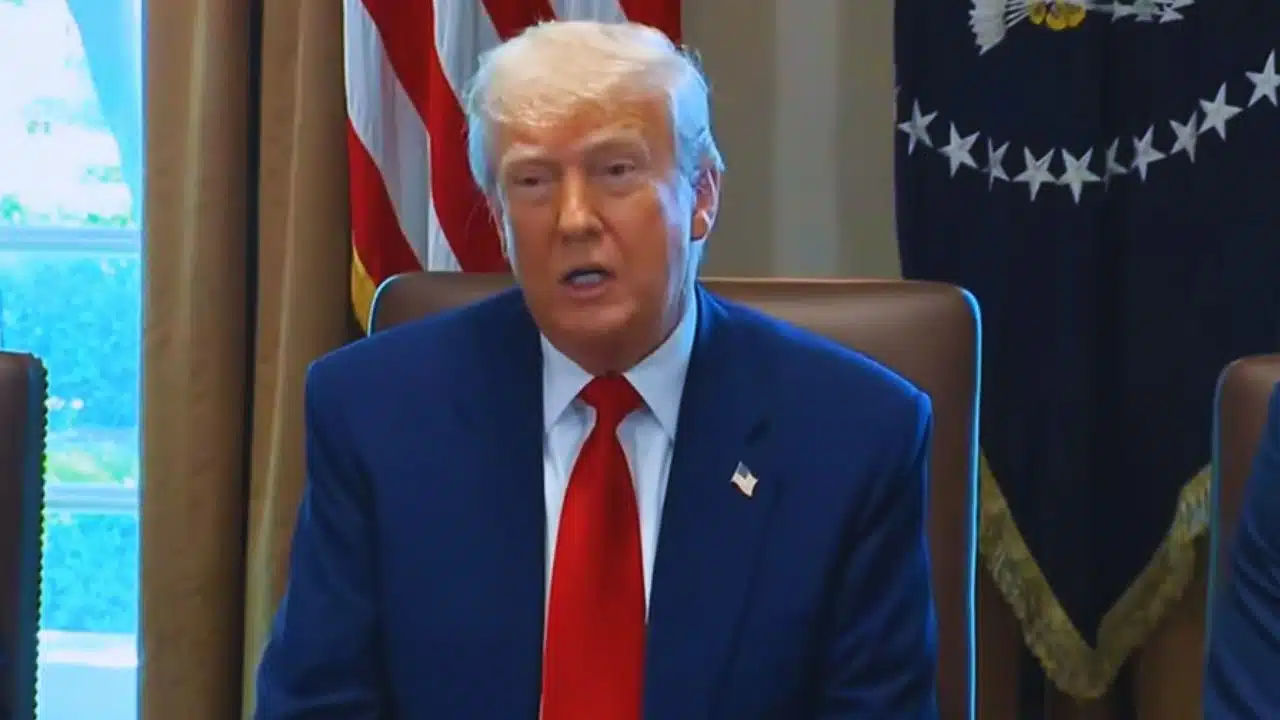
In a highly controversial and escalating dispute with Harvard University, U.S. President Donald Trump has once again demanded the full list of international students enrolled at the prestigious institution, including their names and countries of origin.
The move has drawn criticism from legal scholars, civil liberties groups, and education experts, who view it as a threat to academic independence and civil rights.
Trump Claims Foreign Students May Pose National Security Risks
On Sunday, May 25, Trump took to his social media platform to claim that approximately one-third of Harvard’s student body consists of international students. He asserted that some of these students hail from countries “not at all friendly to the United States,” although he did not specify which countries he was referring to.
“We want to know who those foreign students are—a reasonable request since we give Harvard BILLIONS OF DOLLARS, but Harvard isn’t exactly forthcoming,” Trump wrote.
He insisted that the U.S. government, as a major source of Harvard’s federal funding, has the right to demand this information, citing national security and transparency.
Trump Threatens to Pull $3 Billion in Funding, Shift Money to Trade Schools
In a follow-up post on Monday, Trump repeated the demand and issued a new warning: if Harvard failed to fully comply, he would consider reallocating $3 billion in federal grants from Harvard to U.S. trade and vocational schools.
“Harvard is very slow in the presentation of these documents, and probably for good reason,” Trump wrote. “What a great investment that would be for the USA, and so badly needed!!!”
This proposal, which Trump framed as a patriotic reallocation of funds to support “real skills” for working-class Americans, further inflamed tensions between the White House and one of the nation’s oldest universities.
Department of Homeland Security Moves to Block Harvard from Hosting International Students
This standoff is not just rhetorical. On April 16, the Department of Homeland Security (DHS), led by Secretary Kristi Noem, sent Harvard an unusually broad request demanding detailed records on all international students. The requested data included:
- Any known illegal or violent activity
- Threats made against faculty, students, or campus safety
- Participation in protests
- Disciplinary actions
- The coursework students are taking to maintain visa status
Noem’s letter accused Harvard of failing to comply with multiple information requests and declared that the school had lost the “privilege” of enrolling foreign students.
In May, DHS officially revoked Harvard’s SEVP (Student and Exchange Visitor Program) certification, a move that legally prohibits the university from hosting international students on F-1 or J-1 visas.
Existing Federal System Already Tracks Student Visa Holders
Critics have pointed out that much of the information requested by DHS is already stored in SEVIS, the Student and Exchange Visitor Information System, which is operated by Immigration and Customs Enforcement (ICE). SEVIS is designed specifically to monitor and track international students, exchange visitors, and their dependents during their stay in the U.S.
The existence of SEVIS raises questions about the necessity and legality of DHS’s additional demands, particularly since Harvard, like all certified institutions, already reports student data regularly.
Harvard Pushes Back: Files Lawsuit Against the Federal Government
In response, Harvard filed a federal lawsuit, accusing the Trump administration of launching a “campaign of retribution” against the university for refusing to submit to ideological and political demands.
“This revocation is a blatant violation of the First Amendment, the Due Process Clause, and the Administrative Procedure Act,” Harvard’s complaint states. “It is the latest act by the government in clear retaliation for Harvard exercising its First Amendment rights.”
The university emphasized that it had complied with all legally required SEVP reporting standards, even though the government’s April 16 request was “unprecedented” in scope and lacked clear legal authority.
Federal Judge Grants Temporary Relief to Harvard
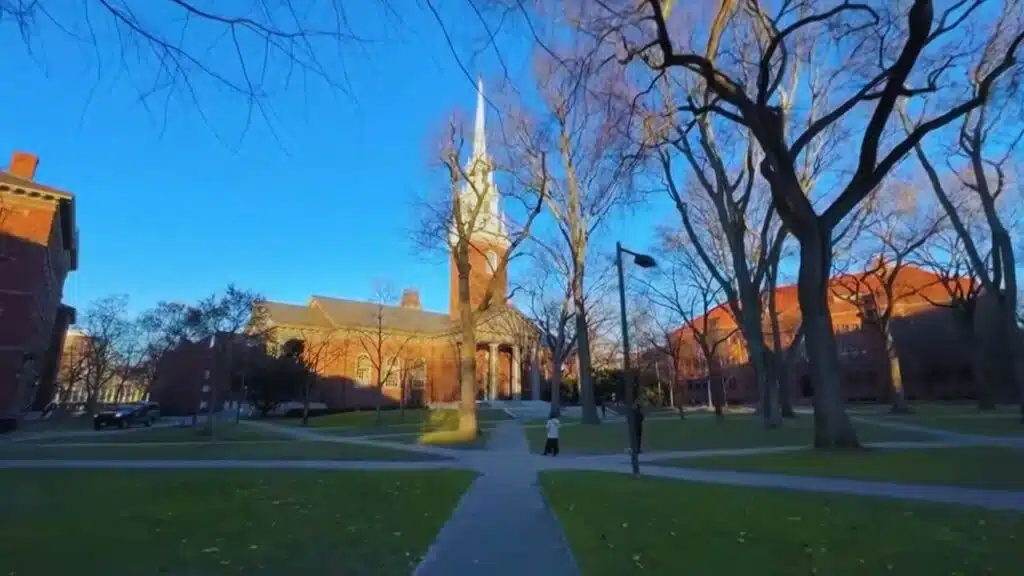
On Friday, May 24, a federal judge issued a temporary restraining order blocking the Biden administration’s efforts to revoke Harvard’s ability to enroll international students. The judge agreed with Harvard’s assertion that it would “sustain immediate and irreparable injury” if the revocation proceeded.
A hearing is scheduled for Tuesday, May 28, to determine the next steps in the case. For now, Harvard retains the ability to host international students, at least temporarily.
International Student Community at Risk
Harvard currently enrolls approximately 6,800 international students, representing nearly 25% of its total student body. These students come from over 150 countries, contributing to a diverse academic community and advancing research in science, public policy, engineering, and the humanities.
The potential consequences of a SEVP decertification could be devastating:
- Students would lose legal immigration status
- They could face deportation or forced transfer to another university
- Their academic and research projects may be disrupted or terminated
Harvard has already issued guidance to students potentially impacted, offering legal support and assistance through its international office and law school clinics.
Global Institutions Respond: Offers of Support to Displaced Students
In light of the ongoing standoff, several international institutions have expressed support for affected students, offering expedited admissions or temporary academic placements. Notably, universities in Canada, the U.K., Germany, and Hong Kong have issued public invitations to students who may need to transfer.
Education experts warn that such actions may lead to a brain drain from the U.S., with international talent increasingly choosing to study in countries that offer greater stability and protections for foreign students.
Critics Condemn Political Interference in Higher Education
The Trump administration’s handling of the Harvard case has sparked widespread condemnation from civil rights groups, university associations, and immigration advocates.
- The American Civil Liberties Union (ACLU) called the move “a violation of constitutional protections.”
- The Association of American Universities (AAU) said it marked “an alarming intrusion into campus autonomy.”
- The American Council on Education (ACE) warned it could harm the reputation of U.S. higher education globally.
Broader Pattern: Trump’s Ongoing Attacks on Elite Institutions
This is not the first time Trump has clashed with Ivy League universities. In recent months, he has criticized schools like Harvard, Columbia, and Penn over issues ranging from diversity, equity and inclusion (DEI) policies to perceived “anti-American” or “anti-Israel” sentiment on campus.
Analysts suggest that the current move may be part of a broader political strategy to appeal to voters skeptical of elite institutions, while also escalating culture war issues ahead of the 2026 midterms.
A Battle Over Academic Freedom, Immigration, and Federal Power
The standoff between Harvard University and the Trump administration reflects deeper national tensions over immigration, academic freedom, and the scope of executive authority.
While the federal government has a legal right to regulate visa programs, many observers warn that the current demands and retaliatory threats undermine the constitutional and educational principles on which U.S. higher education is built.
As the legal battle continues, the outcome will likely set a precedent—not just for Harvard, but for all American universities navigating the intersection of federal oversight and academic independence.
The Information is Collected from MSN and ABC News.