The Internet of Things (IoT) is no longer just a dream for the future; it’s already a part of how we live and work. From smart home devices to industrial automation, connected technologies are helping people solve real-world problems in smarter ways. But smart gear isn’t enough to get IoT applications off the ground. You need good, flexible software tools to connect everything.
Choosing the correct platform may make or break a project for anyone who is establishing or scaling an IoT solution. That’s why more teams are turning to custom software development for internet of things. It lets them make their systems match their needs better.
What Makes an IoT Platform Worth Using?
An IoT platform should do more than just link up devices. It should help you keep track of them, understand the data they gather, and keep everything safe. It should also expand with you, from tiny pilot projects to deployments at the enterprise level.
When picking the right fit, think about:
- How easily it connects to your devices
- Whether it supports real-time data and analytics
- Security tools and compliance standards
- Cloud and edge compatibility
- Support for developers and integration options
1. AWS IoT Core
Amazon’s AWS IoT Core is one of the most flexible tools around. It works well for both startups and large-scale systems, offering high reliability and seamless integration with other AWS services.
Highlights:
- Secure, real-time communication between devices
- Device authentication and fleet management
- Built-in connection to AWS analytics and storage tools
It’s a solid choice if your team is already familiar with AWS or you’re working on something that needs to scale quickly.
2. Microsoft Azure IoT Hub
Microsoft’s IoT Hub gives you all the basics—and then some. It supports two-way communication between devices and the cloud, making it good for both monitoring and controlling remote equipment.
What stands out:
- Great for enterprise setups
- Smooth integration with Microsoft tools
- Scalable provisioning for thousands of devices
It works well in corporate environments or anywhere already using Microsoft’s ecosystem.
3. Google Cloud IoT
While Google’s IoT Core service is evolving, it still offers a strong toolkit for teams focused on data-heavy use cases.
Best for:
- Complex analytics and AI integration
- Real-time alerts and dashboards
- Projects that rely on machine learning
It’s especially helpful if you’re using Google Cloud for other parts of your stack.
4. ThingWorx by PTC
ThingWorx is made for use in factories and other industrial settings. It’s perfect for teams that seek quick results because it enables you make dashboards and control panels without writing a lot of code.
Why it works:
- Visual drag-and-drop interface
- Built-in support for industrial protocols
- Augmented reality options for training or remote support
This one’s a favorite in factory settings where time and clarity matter.
5. IBM Watson IoT
IBM brings strong AI and security tools to the table with Watson IoT. It’s built for serious applications where reliability and data analysis are key.
Strengths include:
- Smart alerts and predictive maintenance
- Enterprise-grade security tools
- Blockchain support for secure device transactions
It’s often used in energy, healthcare, and transportation—places where trust is essential.
6. Balena (formerly Resin.io)
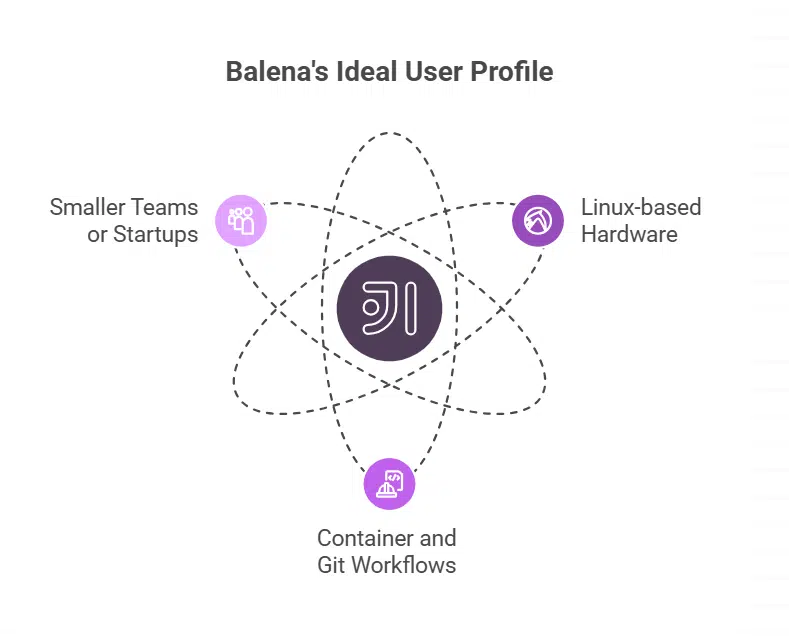
Balena is a developer-friendly platform designed to simplify how you deploy and manage software on connected devices.
Great for:
- Linux-based hardware
- Developers who prefer containers and Git workflows
- Smaller teams or startups building smart devices
It’s flexible and lightweight, perfect for nimble development cycles.
7. Kaa IoT Platform
You can change and add to Kaa as much as you like because it is open-source. This is great for businesses that wish to develop their own systems from scratch.
Notable features:
- Modular design for custom builds
- Multi-cloud compatibility
- Real-time data processing
If you want freedom and flexibility without vendor lock-in, Kaa is worth exploring.
8. Ubidots
Ubidots is made to be easy and quick. It’s widely utilized in small business, startup, and educational initiatives that need visible dashboards and fast outcomes.
Good for:
- Prototyping and testing
- Visual alerts and monitoring
- Agricultural and energy use cases
It won’t handle enterprise-scale workloads, but it’s a good place to start.
9. Particle
Particle is a complete platform with hardware and software bundled together. It’s especially useful for teams building and deploying their own physical devices.
Why people use it:
- Simple device setup
- Cellular and mesh networking
- Over-the-air updates
Great for getting from idea to launch quickly—especially if your team is juggling both firmware and cloud work.
How to Choose What’s Right for You
With so many options, it can feel overwhelming. Ask yourself:
- Are we focused on hardware, software, or both?
- Do we need something quick to launch or long-term to scale?
- What’s our team’s current skill set?
- Do we have specific security or regulatory needs?
There is no one-size-fits-all answer. A lot of effective IoT systems use two or more platforms, with one for controlling devices and the other for analytics.
Why Custom Software Still Matters
Even with powerful platforms, there’s almost always a gap between what a tool offers and what your project needs. Custom development fills that gap.
Custom software can:
- Make different platforms work together
- Tailor dashboards for real users
- Add features that aren’t built into standard platforms
- Optimize for speed, security, or cost
You don’t have to make your idea fit someone else’s mold if you have a development partner. You can make something that fits just right.
Final Thoughts: Tools That Help You Build What Matters
Tools and platforms for developing IoT are changing quickly.The greatest ones not only link your devices, but they also help you access the correct information, make smarter decisions, and learn more over time.
Your tools should assist you do your job, not get in the way, whether you’re starting a pilot or adding to a whole system.
And when you’re ready to connect the pieces and build something that lasts,Vakoms is your true partner.