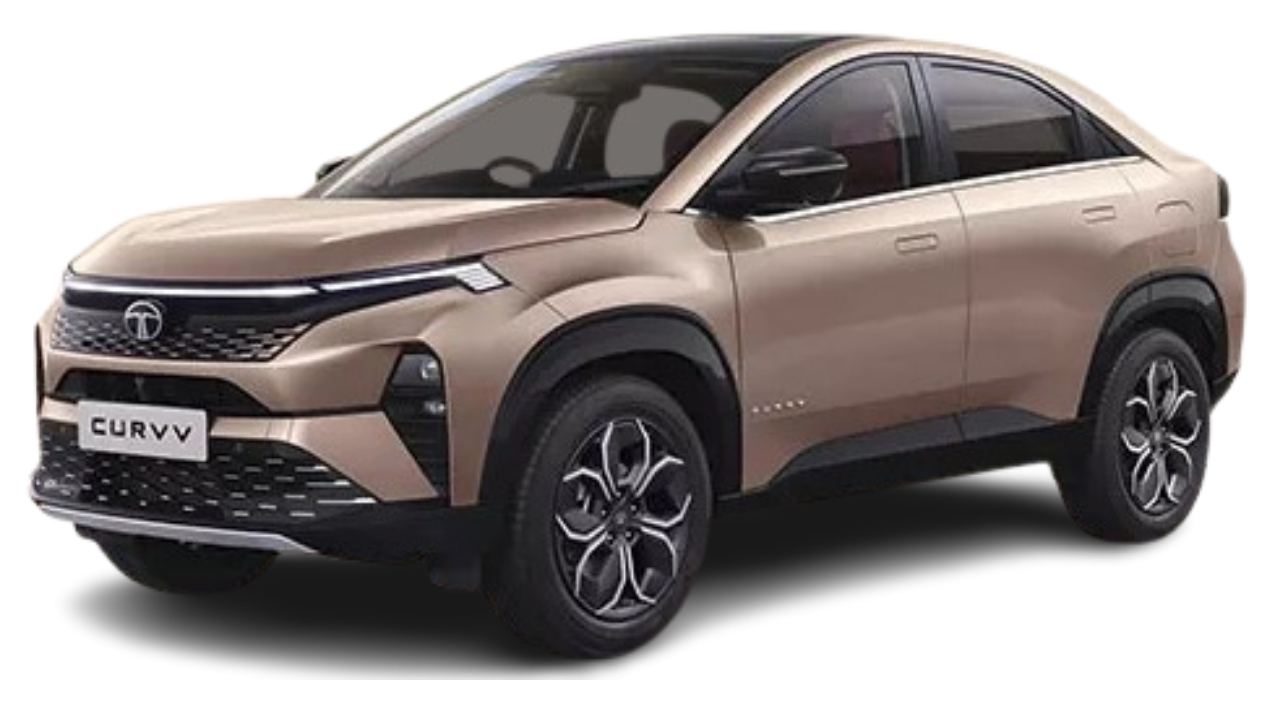
The modern SUV buyer increasingly expects a vehicle that delivers both visual appeal and everyday usability. Traditionally, these two aspects have often been at odds. Bold styling elements, particularly those inspired by coupe designs, can compromise interior space and practicality. Conversely, highly practical SUVs sometimes lack distinctive design character. The Tata Curvv aims to bridge this gap, combining a coupe-inspired exterior with an architecture designed for everyday functionality.
Its design highlights how automotive engineering is evolving to accommodate both aesthetics and practicality within a single platform.
The Challenge of Coupe-Style Design
The defining characteristic of the Tata Curvv is its sloping roofline. Unlike traditional SUVs with upright rear sections, the Curvv adopts a coupe-inspired silhouette that tapers toward the back. This design creates a more dynamic, modern appearance but introduces constraints on interior space.
A descending roofline can reduce headroom for rear passengers and limit vertical cargo space. To address this, engineers must carefully position seats, optimise cabin layout, and adjust structural components.
The Curvv demonstrates how these challenges can be managed without significantly compromising usability.
Platform Architecture Supporting Design Flexibility
The vehicle is built on Tata’s ATLAS architecture, which provides structural rigidity while enabling design flexibility. This platform supports the integration of a coupe-style roofline without weakening the body structure.
The architecture also contributes to safety performance, with the vehicle achieving a 5-star BNCAP rating and incorporating six airbags, as well as advanced driver assistance systems.
By combining structural strength with design adaptability, the platform enables the Curvv to maintain both safety and style.
Interior Packaging and Passenger Comfort
To balance the sloping exterior, the Curvv incorporates thoughtful interior packaging. The rear seats offer reclining functionality and a 60:40 split configuration, allowing flexibility between passenger space and cargo capacity.
Despite its coupe-style silhouette, the vehicle offers approximately 500 litres of boot space, providing practical storage for daily use.
Seat positioning and cabin layout are carefully designed to maintain headroom and legroom, demonstrating how interior engineering compensates for exterior styling constraints.
Aerodynamics and Functional Benefits
The curved roofline is not purely aesthetic. Aerodynamic shaping reduces drag and improves airflow around the vehicle. This can improve high-speed stability and overall efficiency.
The Curvv’s smooth surfaces, flush door handles, and connected lighting elements further enhance aerodynamic performance.
This integration of form and function highlights how modern SUVs are designed with both visual appeal and performance considerations in mind.
Powertrain Versatility for Everyday Use
Practicality extends beyond space to include performance adaptability. The Curvv offers multiple powertrain options:
- 1.2-litre Revotron petrol engine producing 88.2 kW and 170 Nm torque
- Hyperion GDI petrol engine delivering 91.9 kW and 225 Nm torque
- 1.5-litre Kryojet diesel engine producing 86.7 kW and 260 Nm torque
These options allow buyers to select configurations that match their driving needs, whether focused on efficiency, performance, or long-distance travel.
Drive modes such as Eco, City, and Sport further enhance adaptability by adjusting vehicle response based on driving conditions.
Technology Enhancing Practical Experience
The Curvv integrates a 12.3-inch infotainment system and a 10.25-inch digital instrument cluster, providing a modern interface for navigation, media, and vehicle information.
Additional features, such as connected-car technology via iRA, wireless smartphone connectivity, and a premium JBL sound system, contribute to a comfortable and engaging cabin environment.
These technologies enhance usability by simplifying interaction and improving convenience during daily driving.
Safety as a Core Element of Practicality
Safety remains a fundamental aspect of practical vehicle design. The Curvv incorporates advanced safety features, including:
- Six airbags
- Lane Keep Assist
- Forward Collision Warning
- Autonomous Emergency Braking
These systems support driver awareness and reduce the risk of accidents, particularly in urban environments.
Practicality today includes not only space and comfort but also safety assurance.
The Role of Digital Research
Modern buyers increasingly evaluate vehicles through digital platforms before visiting showrooms. On platforms such as ACKO Drive, potential owners can compare design, safety features, and powertrain options to understand how vehicles like the Curvv balance style and practicality.
This research-driven approach highlights the importance of offering both visual appeal and functional value.
Final Words
The Tata Curvv demonstrates how modern SUVs can successfully balance design innovation with practical architecture. By integrating a coupe-style roofline with efficient interior packaging, strong structural engineering, versatile powertrains, and advanced technology, it addresses the evolving expectations of contemporary buyers.
As automotive design continues to evolve, vehicles like the Curvv illustrate that style and practicality are no longer opposing priorities. Instead, they are complementary elements that, together, define the next generation of SUVs.