For much of our lives, retirement is painted as a far-off milestone—a light at the end of the working tunnel. But once you’re finally close to it (or planning for it), the real question isn’t just “When can I retire?”—it’s “What kind of life do I want after I stop working?”
A successful retirement isn’t just about leaving the workforce; it’s about entering a new phase of life with confidence, purpose, and financial peace of mind. Whether you’re years away from retiring or just starting to think about it seriously, the choices you make now can significantly impact your future comfort, freedom, and happiness.
The truth is, retirement doesn’t have to be a time of scarcity or boredom—it can be your most rewarding chapter. But that kind of future takes intention. Let’s break down the steps you can take to build a retirement that works for you.
1. Start with the End in Mind: Define Your Retirement Vision
Don’t jump straight into the numbers—start with a dream.
Ask yourself:
- Where will you live? In your current home, a beachside condo, or a senior living community?
- How will you spend your time? Traveling, gardening, mentoring, or launching a passion project?
- Who will you spend it with? Family, friends, or a broader community?
Creating a vivid picture of your desired retirement helps anchor your planning in real-life goals—not vague assumptions.
2. Build a Bulletproof Financial Plan
Save Early, Save Consistently
Time is your most powerful tool. Regular contributions to retirement accounts like a 401(k), IRA, or Roth IRA—even if they start small—compound significantly over time.
Know Your Retirement Number
You need a clear target. Consider:
- Anticipated yearly expenses
- Healthcare needs
- Life expectancy (plan for 85–95 years, just to be safe)
- Inflation adjustments
Use retirement calculators or meet with a financial advisor to estimate what you’ll need annually and how much you’ll need to save to get there.
Diversify Your Income Sources
Relying solely on Social Security is rarely enough. Aim to build multiple income streams:
- Employer-sponsored retirement accounts (401(k), pensions)
- IRAs and Roth IRAs
- Investment portfolios
- Rental property income
- Side business or consulting (if desired)
Reverse Mortgages: A Backup Strategy
If you’re a homeowner and need supplemental income in retirement, a reverse mortgage may be an option worth considering. This allows you to convert part of your home’s equity into cash without selling the house—though it’s not for everyone. Be sure to weigh the pros and cons of a reverse mortgage carefully with a financial advisor before deciding.
3. Pay Off Debt Before You Retire

Debt can drag down even the best retirement plan. Focus on eliminating:
- High-interest credit cards
- Student loans or personal loans
- Mortgage (if possible)
Retiring debt-free (or as close as possible) means your fixed income can stretch further and give you peace of mind.
4. Plan for Healthcare Costs
Health expenses can escalate quickly. Start preparing early:
- Understand Medicare: Know when to enroll (typically age 65) and what it covers—and doesn’t.
- Supplemental Plans: Explore Medigap or Medicare Advantage for extra coverage.
- Long-Term Care: Consider long-term care insurance or savings earmarked for assisted living, home care, or nursing support.
Healthcare planning is just as critical as investment planning when it comes to retirement.
5. Create a Retirement Budget—and Stick to It
Budgeting isn’t just for your 30s. In retirement, it becomes even more essential.
Set realistic expectations around:
- Essential expenses: Housing, groceries, utilities, healthcare
- Discretionary spending: Travel, hobbies, dining out
- Surprise costs: Home repairs, car replacements, medical emergencies
Pro tip: Try living on your projected retirement budget while you’re still working to see how feasible it feels.
6. Stay Mentally and Socially Engaged
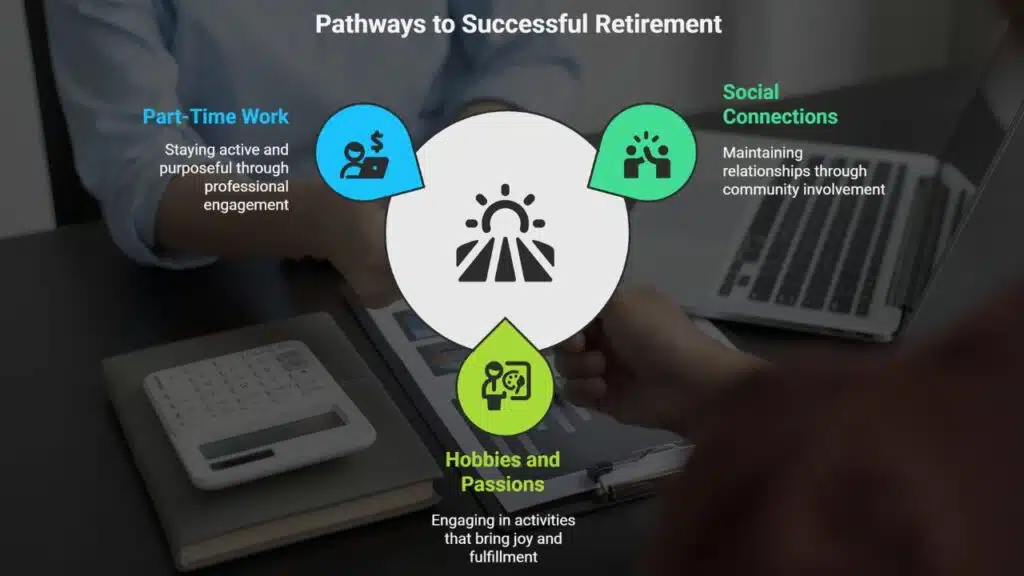
Successful retirement isn’t just about money—it’s also about meaning.
- Stay connected through volunteer work, clubs, or community groups
- Pick up new hobbies or dive deeper into passions you’ve sidelined
- Consider part-time work or mentoring if you want to stay professionally engaged
Your well-being in retirement is directly tied to your social connections and sense of purpose.
7. Review and Adjust Your Plan Regularly
Retirement isn’t a “set-it-and-forget-it” situation.
- Annual check-ins: Review your investments, spending, and income sources
- Update your estate plan: Keep your will, power of attorney, and beneficiaries current
- Adapt to life changes: Health shifts, family circumstances, and economic conditions may affect your needs
Stay flexible. Adjusting your plan doesn’t mean failure—it means you’re engaged and informed.
Conclusion: The Future You Want Starts with the Choices You Make Today
Retirement isn’t just a date on the calendar—it’s the life you build after your career chapter ends. And like anything worth building, it requires thoughtful planning, consistent effort, and a willingness to adjust course when needed.
The most successful retirements don’t just happen. They’re designed by people who dare to dream early, prepare wisely, and take control of their future.
So, whether you’re in your 30s, 40s, or 60s, now is the right time to start (or refine) your plan. Invest in your future self with clarity and care—because you deserve a retirement that’s not just financially sound, but deeply fulfilling.