
As international companies expand in Latin America, tailored marketing strategies are crucial. One effective approach is events marketing in Latin America, which, in addition to simple promotion, builds long-term brand relevance through cultural activations, conferences and branded experiences.
In Latin America’s competitive landscape, strategic event marketing helps businesses stand out. It creates memorable experiences, builds trust and strengthens brand presence across diverse markets.
This article explores key strategies and insights on how to market an event as a powerful brand positioning tool in Latin America. From cultural adaptation and audience engagement to the growing role of virtual and hybrid formats, we’ll cover what it takes to succeed.
The Evolution of Events Marketing in Latin America
Events marketing is no longer just about promotion; it’s about creating lasting connections. Latin America’s diverse cultures, languages and preferences mean brands must engage audiences on a deeper, more authentic level. This shift is changing how companies approach engagement, putting emphasis on meaningful experiences that resonate locally.
Although physical events remain important, there’s now a strong focus on virtual formats to expand reach. Virtual events allow brands to connect with wider audiences, breaking geographical barriers and hence increasing engagement.
To succeed, understanding local customs, leveraging technological innovations and adapting to audience behaviours are crucial. Effective strategies for promoting events must incorporate these elements to build genuine relationships and stand out in this dynamic region.
The Strategic Role of Events in Latin America’s Brand Landscape
Latin America offers a vibrant and diverse environment for brand positioning. Companies that understand local nuances can transform events from mere promotional activities into powerful branding channels. Events enable brands to:
- Create memorable experiences
- Engage directly with diverse audiences
- Cultivate trust and loyalty in regional markets
Partnering with professional local event agencies can be the difference between a successful event and a mediocre one. These agencies understand the local landscape, cultural norms and audience expectations:
- Cultural Alignment: Local agencies can help tailor the event’s messaging, theme and marketing strategies to align with cultural sensitivities.
- Seamless Execution: With local expertise, these agencies can ensure that logistics, technical support and on-ground executions are managed efficiently.
- Network Access: They can tap into local networks, enhancing attendance and participation through established relationships.
By leveraging the expertise of local event agencies, brands can more effectively navigate any involved intricacies. Knowing how to market events in the region is key to standing out in a crowded and competitive landscape.
Understanding the Latin American market means recognizing its diverse customs, languages and consumer preferences. Each country has unique traits that influence how events should be planned and executed.
Localization is essential: adapting content, language and design to suit regional nuances helps create more meaningful connections, while engaging local influencers and community leaders also enhances authenticity and trust.
Respecting cultural traditions and holidays makes events more relevant and relatable. For example, incorporating local music and cuisine during a conference in Brazil can create a truly immersive experience.
Meanwhile, technological innovations are reshaping event marketing. Live-streaming, AR and VR enable brands to reach wider audiences and deliver memorable, engaging experiences that help them stand out in the region. Understanding how to market an event that aligns with both technological advancements and local cultural preferences is essential for effective brand positioning.
Growing Adoption of Virtual Event Platforms
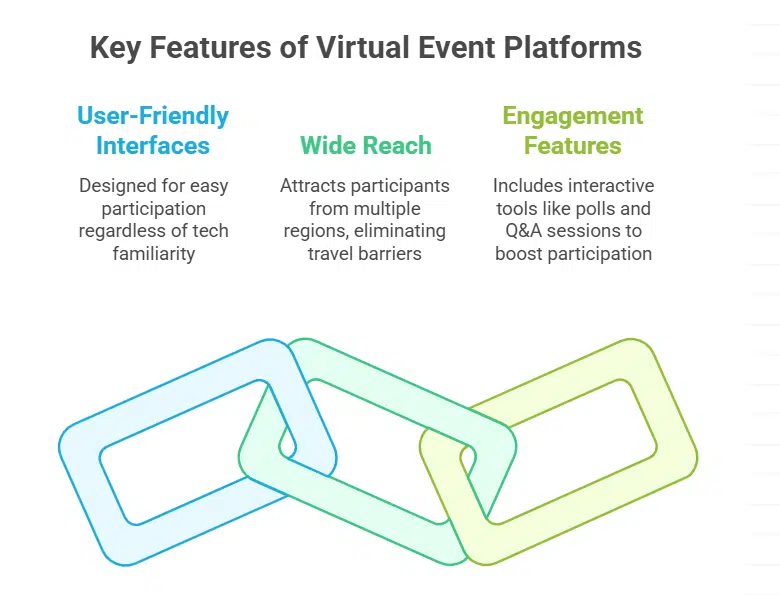
The pandemic accelerated the use of virtual event platforms, offering brands innovative ways to connect with audiences. In Latin America, companies increasingly leverage these platforms for industry conferences, product launches and corporate training.
- User-Friendly Interfaces: Designed for corporate needs, these platforms enable easy participation regardless of tech familiarity.
- Wide Reach: Virtual events can attract participants from multiple regions, eliminating travel and accommodation barriers, and allowing brands to penetrate diverse Latin American markets.
- Engagement Features: Modern virtual platforms include interactive tools like polls, Q&A sessions and breakout rooms to boost audience participation.
Localization Approaches for Corporate Virtual Events
In Latin America, understanding cultural differences is vital for the success of any marketing effort, especially virtual events. Brands need to adopt localization approaches that address the region’s varied preferences and customs.
- Language Adaptation: Make sure all content, presentations and interactions are available in the primary languages of your audience, being mainly Spanish and Portuguese.
- Cultural Significance: Use culturally relevant themes and include local speakers to connect authentically with attendees. This fosters trust and enhances engagement.
- Connectivity Solutions: Be mindful of potential internet issues among participants. Providing lower-resolution streams or offline access to materials can help overcome connectivity barriers.
Applying these strategies is key for brands to succeed in their efforts to market an event effectively across Latin America.
How to Market an Event: Key Strategies for Success
1. Effective Use of Digital Platforms
The growth of virtual events for companies in LATAM has changed how brands reach audiences. Popular regional platforms include WhatsApp, Facebook, as well as regional solutions such as B companies. Custom virtual event platforms tailored to corporate needs are increasingly popular, allowing brands to reach wider audiences cost-effectively.
2. Embracing Technological Innovations
Recent advancements include:
- Live streaming with interactive features
- Virtual reality (VR) experiences
- On-demand content accessibility
These tools enhance engagement, especially when combined with regional content delivery.
3. Localization and Connectivity
Addressing language differences and connectivity challenges is essential. Strategies include:
- Providing multilingual content
- Ensuring stable internet access during virtual or hybrid events
- Using local hosting services to facilitate seamless execution
By offering multilingual content and ensuring a smooth online experience, brands can engage audiences more effectively and stand out within the region. Understanding how to market an event in a way that accounts for these local nuances will ensure greater success and engagement among diverse audiences.
4. Partnering with Local Events Agencies
Working with experienced local agencies ensures:
- Cultural alignment
- Smooth event execution
- High engagement levels
These agencies understand regional preferences and can navigate logistical challenges efficiently. By collaborating with local experts, brands can enhance their understanding of how to market an event to maximize its impact and reach.
5. Balancing Virtual, Hybrid and In-person Events
In Latin America, a hybrid approach often yields the best results. Companies are blending digital and face-to-face experiences, allowing flexibility and broader reach. This combination helps in:
- Catering to regional connectivity issues
- Engaging younger audiences via digital channels
- Maintaining personal connections through in-person interactions
This success relies on leveraging digital platforms, embracing innovative technologies and prioritizing localization. Partnering with experienced local agencies ensures cultural relevance and seamless execution. Combining these strategies will help brands maximize engagement and establish a strong presence across the region.
Balancing Virtual, Hybrid, and In-Person Events
As the world moves toward a post-pandemic reality, companies in Latin America are finding ways to introduce a fine balance of virtual, hybrid and in-person events into their marketing strategies:
- Hybrid Formats: Offering both in-person and online experiences ensures wider accessibility, thereby increasing participation.
- Feedback Loops: Gathering data from both in-person and virtual attendees can inform future events, helping brands understand what works best.
- Cost Considerations: Balancing both types can provide flexibility concerning budget, allowing companies to allocate resources where they will have the greatest impact.
Insights for Effective Event Marketing in Latin America
Continuing engagement after events is crucial. Follow-up messages, personalized offers, and feedback collection reinforce your brand and build long-term relationships. This helps turn attendees into loyal advocates.
Data analytics also improve your strategy. Tracking attendee behaviour and engagement reveals what works best. These insights enable more targeted and effective marketing events in this part of the world.
Finally, stay flexible and open to change. As trends and preferences evolve, companies must adapt their strategies. Working with local experts ensures your approach remains relevant and impactful, which is essential when considering how to market an event that resonates with the changing needs of the Latin American market.
Why an Experienced Local Event Agency Is Essential
Partnering with a local event agency provides advantages such as:
- Deep cultural insights
- Streamlined logistics
- Effective audience targeting
As we can see, working with a local event agency offers significant benefits, including deep cultural insights that help tailor your event to regional preferences. Their understanding of local customs and expectations ensures your event feels authentic and relevant.
Additionally, local agencies streamline logistics, making planning and execution more efficient. Their familiarity with regional vendors, venues and regulations reduces potential challenges and ensures a smoother experience.
Having an expert on the ground is crucial for creating an event that truly resonates with regional audiences. Their expertise helps you to market an event strategy that connects authentically and effectively across Latin America.
Conclusion
Successfully marketing an event in Latin America requires a nuanced understanding of the region’s unique cultural and technological landscape. Tailoring your approach through localization, engaging local influencers and respecting cultural traditions helps create authentic experiences that resonate with diverse audiences.
Embracing technological advancements such as live-streaming, AR and VR, along with choosing the right mix of virtual, hybrid and in-person formats, can greatly expand your reach and engagement across Latin America. These tools allow brands to stand out and foster meaningful connections.
Partnering with local agencies is crucial for understanding how to market an event effectively. Their insights and networks ensure seamless, culturally aligned and impactful events. For more insights, explore events marketing in Latin America to position your brand as a regional leader.