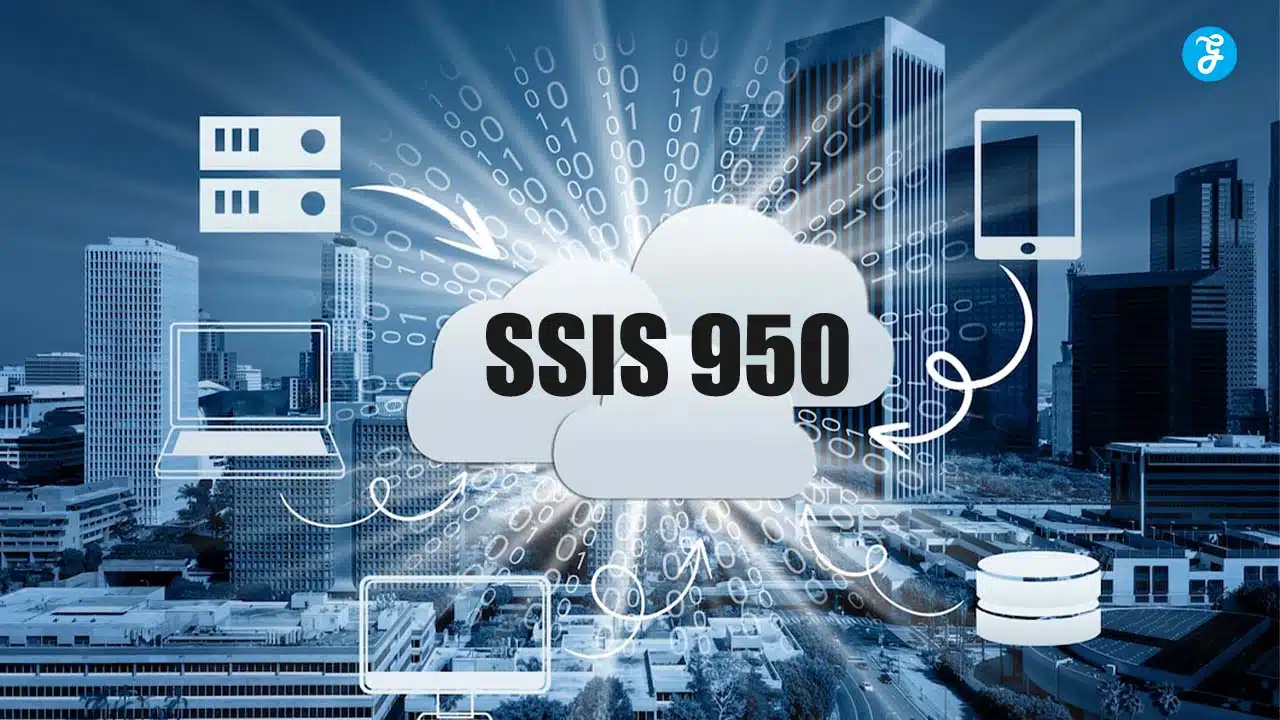
If you’re managing daily data streams like orders, customer information, and pricing lists, you know the frustration of spotting a mismatched record in a dashboard. You need a tool that can extract, transform, and load data seamlessly.
You may have heard the term “SSIS 950” and wondered if it’s the solution.
Here’s the reality: SSIS 950 is not a Microsoft data tool. The term is often associated with adult entertainment content and has been mistakenly linked to Microsoft’s actual data integration platform, SQL Server Integration Services (SSIS). The names Hikaru Nagi and Mei Washio are actresses in that industry, not software developers.
This guide clarifies that confusion and introduces the real, powerful tool for data integration. We will explore the actual features of Microsoft SSIS, providing ETL tips and data strategies to save you hours of work.
Key Takeaways
- SSIS 950 vs. Microsoft SSIS: The term “SSIS 950” is a code for adult video content, not a Microsoft product. The real tool is Microsoft SQL Server Integration Services (SSIS), a component of the SQL Server database software.
- Core Function: Microsoft SSIS is an enterprise-level Extract, Transform, and Load (ETL) platform used for data migration, warehousing, and cleansing.
- Key Capabilities: The platform features a drag-and-drop visual interface within Visual Studio, supports numerous data sources like Oracle and Excel, and allows for extensive customization with scripting.
- Cloud Integration: While designed for on-premises environments, SSIS packages can be executed in the cloud using Azure-SSIS Integration Runtime within Azure Data Factory.
- Modern Alternatives: For cloud-native workflows, tools like Azure Data Factory (ADF) offer better scalability and support for unstructured data, though SSIS often performs better for complex on-premises transformations.
What Is SSIS 950? A Necessary Clarification
SSIS-950 is a code used to identify a specific Japanese Adult Video (JAV) and is not related to any Microsoft software. The association of this code and the names of actresses Hikaru Nagi and Mei Washio with data integration is incorrect, stemming from spammy articles that mix technical terms with unrelated keywords.
The actual tool you are likely looking for is Microsoft SQL Server Integration Services, universally known as SSIS. It’s a powerful platform for managing big data and has been a key component of the Microsoft SQL Server suite since it replaced Data Transformation Services (DTS) with the SQL Server 2005 release.
SSIS is designed to execute a broad range of data migration tasks. Teams use its robust ETL capabilities to extract, transform, and load data from diverse sources with high performance. This includes pulling information from relational databases, flat files, and XML, then cleansing and reshaping it for loading into a data warehouse or another destination.
Key Features of Microsoft SSIS
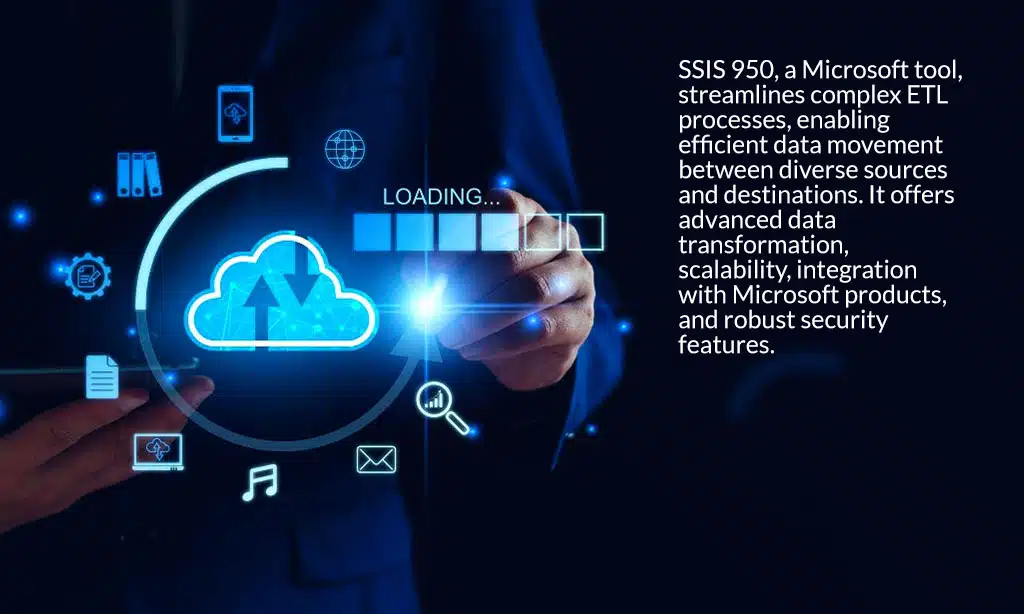
Microsoft SSIS provides a comprehensive set of tools for building and managing data integration workflows. Its graphical interface and wide range of built-in components simplify the process of creating complex ETL packages without extensive coding.
Advanced Data Integration
SSIS packages are the core of the platform, containing the elements that define an ETL process. These packages are built around two main components: the control flow and the data flow.
- Control Flow: This is the brain of the operation. The control flow orchestrates the workflow, defining the order in which tasks are executed. It includes tasks for executing SQL statements, sending emails, or running other packages.
- Data Flow: This is where the heavy lifting of data transformation happens. The Data Flow Task extracts data from sources, applies transformations like cleaning, merging, and aggregating, and then loads it into destinations.
SSIS supports a wide variety of built-in connectors for sources like Oracle, Excel, and flat files, ensuring you can pull data from almost anywhere. For unique requirements, developers can write custom scripts in C# or VB.NET to extend its functionality.
Cloud Computing Compatibility
While SSIS was originally designed for on-premises servers, Microsoft has adapted it for modern hybrid environments. Using the Azure-SSIS Integration Runtime (IR) in Azure Data Factory, you can lift and shift your existing SSIS packages to the cloud. This allows you to continue using your on-premise SSIS investments while leveraging the scalability of cloud infrastructure.
This hybrid approach is critical for businesses that need to integrate on-site systems with cloud data lakes or services. You can manage data flows between SQL Server 2017 hosts and cloud instances seamlessly. Tools like Azure Data Factory can then drop files into cloud storage, creating a cohesive data pipeline.
High-Performance ETL Processes
SSIS is engineered for high performance, especially within a Microsoft-centric ecosystem. It uses a data flow engine that is highly specialized for in-memory data extraction and transformation, allowing it to process large volumes of data efficiently. The platform supports parallel execution, enabling multiple tasks to run simultaneously on multi-core processors.
A 2013 performance comparison conducted by SQLServerCentral found that for certain simple and moderately complex file transformations, SSIS was significantly faster than the open-source tool Talend, completing one job in an average of 39.8 seconds compared to Talend’s 67.69 seconds.
This performance is crucial for tasks like bulk-loading data warehouses, where billions of rows may need to be processed in a short time frame. SSIS helps businesses manage data effectively, which is a key part of modern business strategy.
How SSIS Compares to Modern Alternatives

While SSIS is a mature and powerful tool, the data integration landscape has evolved. Cloud-native services like Azure Data Factory (ADF) and open-source platforms like Talend offer different strengths. Choosing the right tool depends on your specific needs, infrastructure, and budget.
SSIS vs. Azure Data Factory (ADF)
ADF is Microsoft’s cloud-based ETL service, designed for modern data workflows. The primary difference is their ideal environment: SSIS excels at on-premises ETL, while ADF is built for the cloud.
A 2020 performance test by data expert Tim Mitchell showed that for small files with transformations, SSIS was much faster (8 seconds) than ADF (180 seconds) because ADF needs to spin up a compute cluster. However, ADF scales more easily and is priced on a pay-as-you-go model, which can be more cost-effective for variable workloads.
| Feature | Microsoft SSIS | Azure Data Factory (ADF) |
|---|---|---|
| Primary Environment | On-Premises | Cloud-Native |
| Data Handling | Primarily Structured Data | Structured & Unstructured Data (JSON, etc.) |
| Pricing Model | Included with SQL Server License (Per-Core) | Pay-as-you-go |
| Best For | Complex transformations in a SQL Server-centric environment. | Scalable cloud workflows and big data processing. |
SSIS vs. Talend
Talend is a popular open-source ETL tool known for its flexibility and broad platform support. Unlike SSIS, which is tightly integrated with the Microsoft ecosystem, Talend is Java-based and connects to a wider range of data sources out of the box.
For beginners, Talend Open Studio is often considered more user-friendly with its drag-and-drop interface. SSIS, while also graphical, can have a steeper learning curve due to its deep integration with Visual Studio and SQL Server Management Studio. However, SSIS often delivers better performance for simple to moderate transformations within a Windows environment.
Takeaways
SSIS 950 is not a real data integration tool, but the actual Microsoft SSIS platform is a powerful and reliable solution for enterprise ETL needs. It provides a visual environment for building complex workflows, especially in organizations already invested in the Microsoft SQL Server ecosystem.
While newer cloud-based tools like Azure Data Factory offer better scalability for certain tasks, SSIS remains a go-to choice for high-performance, on-premises data transformation. Understanding the distinction between the myth of “SSIS 950” and the reality of Microsoft SSIS is the first step toward choosing the right tool for your data projects.
FAQs on SSIS 950
1. What is SSIS 950?
SSIS 950 is a code for adult entertainment content, not a Microsoft software product. The correct tool for data integration is Microsoft SQL Server Integration Services (SSIS), a component of SQL Server used for building ETL (Extract, Transform, Load) workflows.
2. Who are Hikaru Nagi and Mei Washio?
Hikaru Nagi and Mei Washio are actresses in the Japanese adult video industry. They have no connection to the development of Microsoft SQL Server Integration Services. Their names have been incorrectly associated with the software through spam articles.
3. How does Microsoft SSIS help with data flows?
Microsoft SSIS uses a feature called the Data Flow Task to manage data. It extracts data from sources like databases or files, cleanses, sorts, and transforms it in memory, and then loads the processed results into a destination like a data warehouse or reporting application.
4. How do I start using Microsoft SSIS?
To start with SSIS, you need SQL Server Data Tools (SSDT), which is a development environment based on Microsoft Visual Studio. You can use the free Developer edition of SQL Server, which includes all the features of the Enterprise edition for development and testing purposes.