
Sports in South Asia are more than just games. They fuel passion, create jobs, and boost the economy. From local football tournaments to national events, sports connect communities and bring in money. Right at the heart of this movement, many South Asians are also exploring sports betting on 1xBet website, enjoying predictions and rewards while supporting their favorite teams. With rising access to mobile apps and local interest in football, more people are finding ways to combine fun with earnings.
The Growing Economic Power of Sports Betting on 1xBet Website
Football rules in South Asia. Big games bring lots of people, both in the fields and on the web. The South Asian leagues are getting more fans and backers. Events like the SEA Games pour lots of money into the land through trips, stays, goods, and media rights. The Cambodian Ministry of Tourism said that the SEA Games in Phnom Penh in 2023 had more than 2 million local visitors and helped nearby trade.
Besides football, sports like volleyball, petanque, and martial arts are gaining popularity. They attract local sponsors and media attention, which means more money circulating in the local economy.
How Sports Betting Adds a New Layer of Excitement
For many from South Asia, bets make the game more fun. They love to guess the scores, see the updates in real time, and cheer for wins. Sites that let you bet on sports on the 1xBet website make it easy to join, pay out fast, and have lots of games to bet on. This isn’t just about luck. A lot of players look at stats, trends, and info on the teams to choose wisely. They keep up with their top teams, check past game results, and watch for player injuries or weather changes. The outcome? Smarter plays, more fun, and sometimes, more money.
As 1xBet said about their 1xGames lineup in India: “1xGames is about fast gameplay, simple rules, bright visuals and instant results,” showing exactly why South Asian bettors are drawn to these real‑time, high‑energy formats.
What Sports Bring the Most Economic Value?
Let’s look at a few sports that drive money in South Asia, both from ticket sales and sports betting.
| Sport | Economic Impact (Annually) | Main Revenue Sources |
| Football | High | Sponsorships, merchandise, media |
| Volleyball | Moderate | Local tournaments, sponsorships |
| Martial Arts | Growing | Training academies, competitions |
| Esports | Emerging | Streaming, gaming cafes |
These sports don’t just entertain. They boost local businesses—cafes, taxis, and hotels all benefit on game days. Betting platforms add another layer by engaging fans and rewarding their sports knowledge.
How to Bet Smart and Stay Safe
Betting isn’t just guessing. To do it right, you need a plan. Start with what you know—your top sport. Get to know the teams, the players, and past games. Set a low budget and never run after losses. Sites like 1xBet have tools to help you handle your money.
Smart bettors keep up with trends. They check out sports blogs, YouTube reviews, and previews of games. A lot of them also write their results in a book or on a sheet to see what works and what doesn’t. Over time, a plan forms. With care and good planning, betting can be more fun and less of a worry.
Why Young South Asians Are Leading the Sports Shift
Walk into a café in Phnom Penh during a football match, and you’ll see it—crowds cheering, screens flashing, and bets flying. South Asia’s youth love sports. They also love tech. Mobile apps, live betting, and fantasy leagues have turned sports into a full-on digital experience.
Social media plays a big role. Young fans post updates, discuss predictions, and form online betting communities. Some even create TikTok channels sharing betting tips or match breakdowns. This blend of tech and sports is shaping a whole new generation of fans—and players.
The Role of Rural Communities in Sports Growth
It’s not only in big cities. Small towns now have more sports events. Schools set up games between villages, and they now have their own football teams. Even spots where folks meet are playing games on TV and setting up little bets.
This trend does a lot more than give joy. It brings folks together, supports healthy lives, and opens up chances for small businesses—things like selling drinks, snacks, or sport gear. If handled well, betting on games also helps people feel more connected to local teams.
South Asia’s Esports Boom and Its Economic Promise
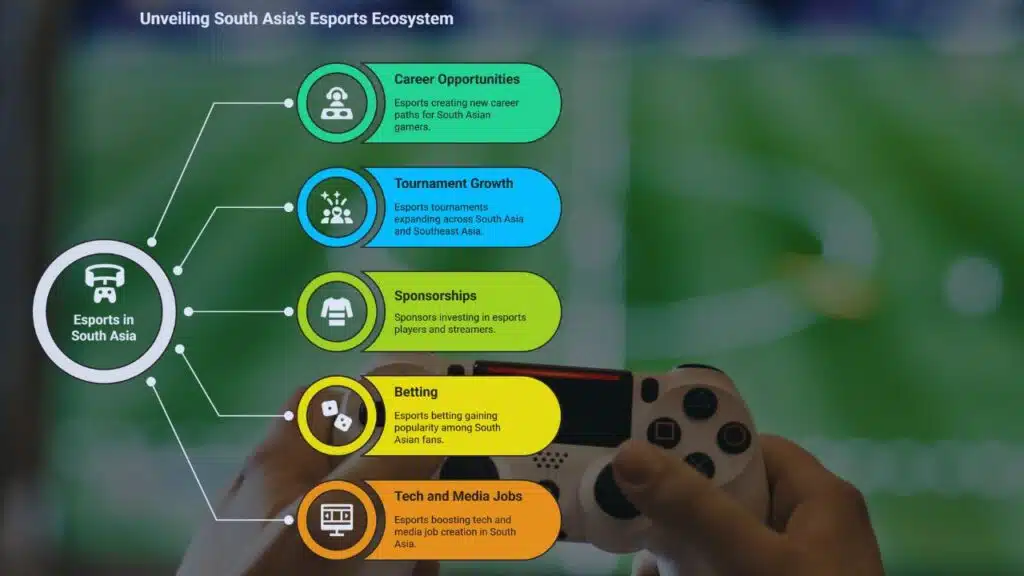
Esports is making waves among South Asia’s players. Games like Mobile Legends and PUBG are more than hobbies—they’re becoming careers. Tournaments draw large online audiences, and local players now join regional competitions in Southeast Asia.
Gaming cafes host events and train teams. Sponsors back popular players and online streamers. Betting on esports is also growing, with fans predicting match outcomes or in-game stats. This trend not only fuels digital entertainment but supports tech jobs and media content creation in South Asia.
The Future of Stadium Infrastructure
After the 2023 SEA Games, South Asia now has nicer, big game spots. These places don’t just hold sports—they’re good for shows, big talks, and local events too. The Morodok Techo National Stadium in Phnom Penh is big in this move up.
With top game spots, the country can pull in games from all over the area and even big world games. That means more people visiting, more work for places to stay and eat, and more causes for money people from all over to look at South Asia’s sports side.
How Small Businesses Win Big from Sports Days
Game day means money day for local vendors. Street sellers offer snacks, jerseys, and flags. Cafes and restaurants fill up with fans watching together. Some small businesses even create themed promotions during major matches to attract more customers.
When there’s a big event, everything from tuk-tuk rides to food delivery sees a spike. Sports fuel these mini-economic booms. Betting platforms add to this by keeping engagement high throughout the event.
How South Asia Can Grow Its Sports Economy
If South Asia aims to make a strong sports economy for the long run, it must put in money, learn a lot, and work with others. Things like sports schools, training plans, and new tech can help grow skills from scratch. The help of the government and money from private deals are also big in this. Here are some steps that can help strengthen South Asia’s sports economy:
- Launch more grassroots sports programs in schools and communities
- Encourage private-public partnerships to fund infrastructure
- Provide scholarships for promising young athletes
- Expand digital education on sports data, betting safety, and business skills
- Host regional sports conferences to attract international attention
Educational campaigns on safe betting and money smarts keep our system going long. More young folks are getting into sports and tech in South Asia, and that’s a strong base to grow from. All these joined efforts don’t just make athletes, but a whole team of coaches, marketers, analysts, and media folks who help make sports a steady money maker.
Final Thoughts: Sports + Tech = South Asia’s New Gameplan
The love for sports runs deep in South Asia—and now, it’s tied to tech, income, and growth. People cheer in the stadium, watch games in a café, or bet on sports at the 1xBet website. South Asians are making a new kind of digital sports world. The game is on. The fans are set. And the money effect? It’s just starting.