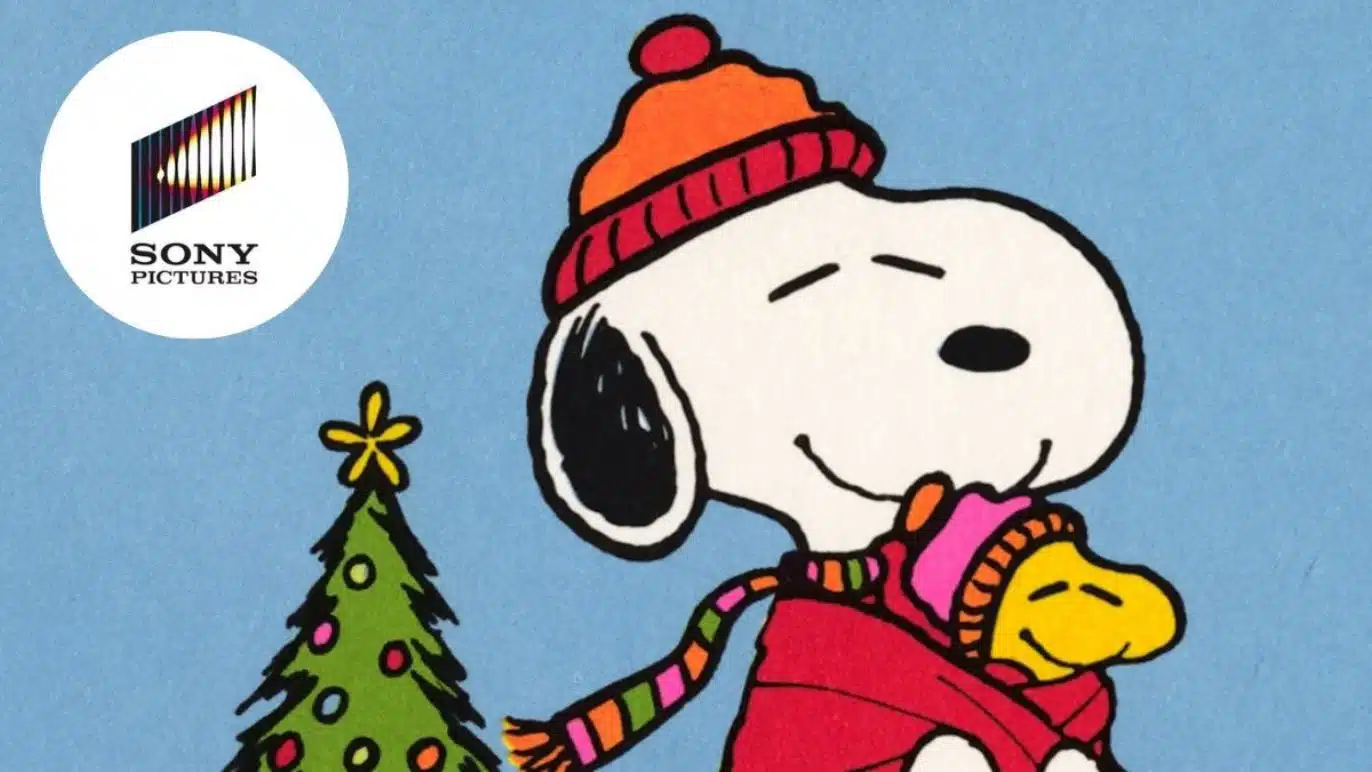
Sony Pictures Entertainment and Sony Music Entertainment (Japan) have struck a definitive agreement to acquire majority control of the iconic Peanuts franchise, purchasing a 41% stake from WildBrain for $457 million USD (C$630 million). This transaction boosts Sony’s existing 39% ownership to 80%, transforming Peanuts into a consolidated subsidiary while the Schulz family retains a 20% stake. The move signals a bold expansion for the 75-year-old brand into Sony’s vast entertainment empire.
Deal Breakdown
The agreement, announced on December 18, 2025, involves Sony indirectly acquiring WildBrain’s full 41% share in Peanuts Holdings LLC, the entity that oversees rights to Charles M. Schulz’s beloved comic strip and its characters. Sony first entered the picture in 2018 with its initial 39% investment, partnering with what was then DHX Media (now WildBrain) to handle distribution and licensing. This latest step completes Sony’s path to dominance, valuing the overall business at over $1 billion according to some estimates.
Financial terms highlight Peanuts’ enduring profitability. WildBrain receives C$630 million in cash, a figure that allows the Canadian firm to fully deleverage its balance sheet, eliminate debt, and generate a $40 million cash surplus while saving $50 million annually in interest payments. The deal remains subject to regulatory approvals and customary closing conditions, but industry observers expect it to finalize smoothly given the non-competitive nature of the assets.
WildBrain’s exit from ownership doesn’t sever all ties. The studio will continue as the exclusive producer of new Peanuts animated content and manage licensing in key regions like Europe, the Middle East, and parts of Asia. This partnership preserves operational continuity for ongoing projects, such as Apple TV+ series like “The Snoopy Show,” while freeing WildBrain to focus on other properties including Strawberry Shortcake and Teletubbies.
Peanuts’ Timeless Legacy
Charles M. Schulz launched Peanuts on October 2, 1950, in seven U.S. newspapers, introducing the world to Charlie Brown—the ultimate underdog with his round head and perpetual bad luck—and his loyal beagle Snoopy. What began as simple comic strips exploded into a cultural juggernaut, syndicating in over 2,600 newspapers across 75 countries and translating into more than 40 languages. Iconic phrases like “Good grief!,” “security blanket,” and “happiness is a warm puppy” entered everyday lexicon, while visuals of kites tangled in trees and Lucy yanking away footballs became universal symbols of childhood frustration and joy.
Schulz penned over 17,000 strips until his death in 2000, infusing the series with profound themes: failure, friendship, loneliness, and quiet heroism. Snoopy evolved from a family pet into a multifaceted dreamer—World War I Flying Ace, Joe Cool, or novelist atop his doghouse—capturing imaginations across generations. The strip’s appeal lies in its deceptive simplicity; beneath the humor pulses philosophical depth, making it as relevant to adults as to kids.
Post-Schulz, Peanuts Worldwide LLC—a subsidiary of Peanuts Holdings—has stewarded the brand, balancing reverence for the original with modern adaptations. Annual revenue streams from licensing exceed hundreds of millions, fueled by merchandise ranging from apparel to insurance ads featuring Snoopy. Theme park attractions, like those at Japan’s Snoopy’s World, and digital content keep the gang alive for millennials and Gen Alpha alike.
Sony’s Strategic Playbook
For Sony, Peanuts represents a “world-class IP” ripe for cross-pollination across its divisions. Sony Music Entertainment (Japan) President Shunsuke Muramatsu emphasized leveraging the company’s “extensive global network and collective expertise” to elevate the brand. Sony Pictures Entertainment CEO Ravi Ahuja echoed this, noting enhanced abilities for “timeless storytelling.” With control, Sony can now greenlight projects spanning films, TV, music, gaming, and consumer products without minority partner vetoes.
Japan holds particular promise. Snoopy boasts cult-like popularity there, starring in anime shorts, plush toys, and cafes. Sony Music Japan eyes synergies like K-pop collaborations or anime reboots, potentially blending Peanuts with J-pop idols or gaming tie-ins via PlayStation. In the U.S. and globally, expect theatrical releases, Comic-Con activations, and VR experiences—building on past hits like the 2015 “Peanuts” film.
This fits Sony’s broader M&A strategy amid 2025’s IP acquisition surge. Recent deals in music catalogs and gaming studios underscore a bet on evergreen content over fleeting trends. Peanuts’ family-friendly vibe counters edgier properties like Spider-Man, diversifying Sony’s portfolio while tapping nostalgia-driven markets projected to hit $500 billion by 2030.
WildBrain’s Exit Strategy
WildBrain’s sale crystallizes Peanuts’ value after acquiring it in 2017 for $345 million. The Toronto-based firm managed production and licensing effectively, but mounting debt—exacerbated by streaming wars—necessitated divestment. CEO Josh Scherba framed it as a “strategic transaction” enabling reinvestment in owned IPs and tech innovations like AI-driven animation.
Retaining production exclusivity mitigates disruption. WildBrain’s pipeline includes unscripted specials and digital shorts, ensuring steady output. Financially, the windfall positions WildBrain for growth in premium networks and franchises like Teletubbies reboots, signaling a pivot from co-ownership to agile partnerships.
Schulz Family’s Safeguarded Role
The Schulz family’s 20% stake ensures creative oversight. Descendants, via Charles M. Schulz Creative Associates, have long guided adaptations to honor Schulz’s vision—no anthropomorphic kids walking on two legs, for instance. This minority position grants veto power on major changes, preserving authenticity amid commercialization.
Family involvement dates to Peanuts Worldwide’s formation in 2010, partnering with investors while retaining IP control. Statements suggest enthusiasm for Sony’s stewardship, viewing it as a platform for global expansion without diluting heritage. This structure mirrors deals like Disney’s Marvel acquisition, balancing profit with legacy protection.
Historical Ownership Evolution
Peanuts’ corporate journey reflects media consolidation. Schulz sold rights to United Feature Syndicate in 1980s, leading to complex licensing webs. WildBrain’s 2017 buyout from Iconix consolidated management, but Sony’s 2018 entry introduced Japanese capital. Today’s 80-20 Sony-Schulz split streamlines decisions, potentially accelerating output.
Past milestones include CBS specials like “A Charlie Brown Christmas” (1965), which redefined holiday TV with jazz scores and biblical messages. Theatrical films, NASA collaborations (Snoopy as mascot), and MetLife ads sustained revenue, proving adaptability.
Future Projects Under Sony
Expect a renaissance. Sony teases “aggressive pushes” into digital platforms—think Netflix series, Roblox metaverses, or TikTok challenges with Lucy’s psychiatry booth. Gaming could feature Snoopy in PlayStation adventures, while music arms produce soundtracks blending Schulz-era whimsy with modern beats.
Apple TV+ expansions like “Camp Snoopy” may scale up, with WildBrain handling animation. Theatrical ambitions include live-action hybrids or Snoopy-led blockbusters. Merchandise innovations—AR doghouses, sustainable plushies—target eco-conscious fans.
Global rollouts prioritize Asia-Pacific, Latin America, and Europe, aligning with Sony’s strengths. Events like Snoopy’s 75th anniversary in 2025 could culminate in crossovers, perhaps Charlie Brown meets Spider-Man in charity specials.
Industry Impact and Reactions
Analysts hail the deal as savvy. Variety notes it “honors the brand’s legacy while promising synergies,” while Wall Street Journal pegs Peanuts’ valuation above $1 billion. Critics worry about over-commercialization, fearing Snoopy NFTs or fast-food tie-ins erode charm.
Fans react with cautious optimism on social media—excitement for content surges tempered by Schulz purism. Competitors like Disney eye countermoves in family IP. For WildBrain, stock popped 15% post-announcement, validating the strategy.
Cultural and Economic Significance
Peanuts transcends entertainment, influencing therapy (Linus’ blanket as attachment symbol) and business (Charlie Brown’s resilience). Annual licensing generates $200-300 million, per estimates, with Snoopy alone powering $1 billion+ in Japan sales historically.
Sony’s ownership amplifies this. In emerging markets like India and Brazil, localized comics could boom. Sustainability angles—Snoopy eco-campaigns—fit climate trends. Economically, it bolsters Sony’s $10 billion+ content revenue, diversifying from declining physical media.
Challenges Ahead
Integration risks loom: cultural clashes between Japanese efficiency and Schulz’s organic style. Regulatory hurdles in antitrust-sensitive Asia could delay closure. Fan backlash against “corporate Snoopy” demands careful navigation.
Yet, precedents like Sony’s Spider-Verse success inspire confidence. WildBrain’s retained role eases transition. Success hinges on authentic storytelling—leveraging nostalgia without exploitation.
Broader Media Consolidation Trends
2025’s deals—Sony-Peanuts joins Paramount-Skydance, Warner-NBA rights—underscore IP as king. Valuations soar for timeless brands amid streaming fragmentation. Sony’s music-film synergy exemplifies “superfans” era, where universes span mediums.
Peanuts fits perfectly: low-risk, high-reward. As president Trump pushes deregulation, expect more cross-border M&A, accelerating globalization of American icons like Snoopy.
What This Means for Fans
New eras bring bounty: more specials, merch, games. Schulz purists gain from family vetoes, ensuring no radical reinventions. Casual viewers score accessible entry points via Sony platforms.
Ultimately, Sony inherits a goldmine responsibly. Charlie Brown may never kick the football, but under Sony, Peanuts soars higher. Watch for 2026 announcements—Snoopy’s next fantasy awaits.