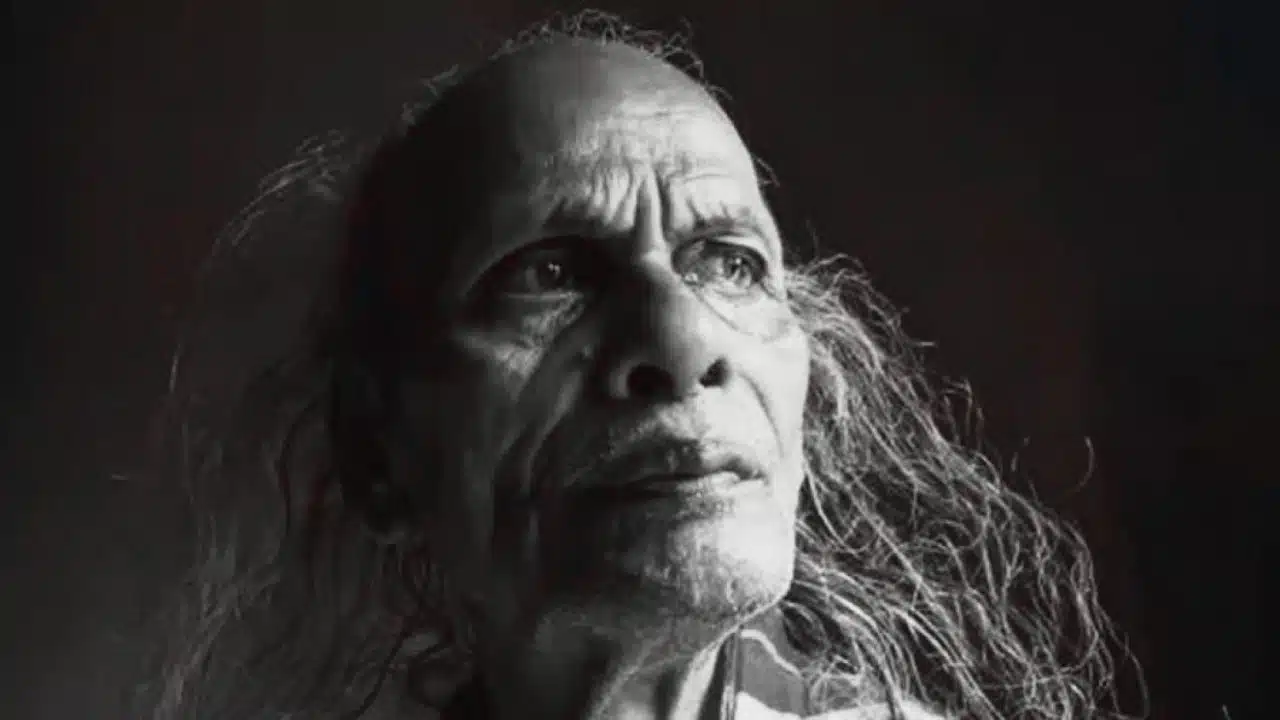
Shah Abdul Karim’s songs remain timeless treasures of Bangladeshi folk culture. Whether played on bus rides, aired on the radio, or stored in playlists, his voice still resonates with Bangla-speaking listeners across generations. His simple yet soulful lyrics, often performed with harmonium, tabla, dhol, and ektara, reflect everyday life, struggles, and human emotions. Even today, his songs echo in cultural festivals, television programs, and folk music gatherings in Bangladesh and West Bengal.
Life of Struggle and Hardship
Born on 15 February 1916 in the remote village of Dhalasrom in Sunamganj, Shah Abdul Karim grew up in extreme poverty. His father was a poor farmer, and the young Karim often faced hunger and hardship. Despite these challenges, he developed a love for music and spirituality. With only a few months of night school education, most of his knowledge came from rural life and guidance from spiritual mentors like Shah Ibrahim Mastan Baksh.
Poverty never silenced his creativity. Over his lifetime, he composed more than 1,600 songs, many of which remain cultural landmarks in Bangladeshi folk music. His works cover themes of love, spirituality, protest against injustice, and the struggles of rural communities.
Songs That Defined an Era
Karim’s songs became a mirror of people’s emotions and experiences. His most cherished compositions include:
-
Bonde Maya Lagaise
-
Ashi Bole Gelo Bondhu
-
Gari Cholena Cholena
-
Ami Koolhara Kolonkini
-
Agey Ki Shundor Din Kataitham
-
Keno Piriti Baraila Re Bondhu
These songs speak of longing, nostalgia, companionship, and the pain of separation. In his later years, following the death of his wife Aftabunnesa Bibi (whom he lovingly called Sarla), his music often carried a deeper sense of sorrow and personal grief. Many of his last songs were composed while sitting beside her grave, turning his pain into lasting melodies.
Devotion, Family, and Personal Philosophy
Shah Abdul Karim’s personal life was rooted in love and companionship. His wife Sarla was his greatest supporter, giving him strength during times of struggle. Together they had a son, Shah Nur Jalal, who continues to preserve his father’s legacy through Baul music.
Karim’s songs reflect his belief in humanity and equality. He criticized superstitions, social injustice, and religious divisions, emphasizing instead the values of compassion and truth. This made his music not just entertainment but also a tool for social awareness and spiritual awakening.
Recognition and Awards
Shah Abdul Karim’s contributions were recognized nationally and internationally.
-
He was awarded the Ekushey Padak in 2001, one of the highest civilian honours in Bangladesh, for his contribution to folk music.
-
He received the Drouhee Kotha-Sahityik Abdur Rouf Chowdhury Award in 2000.
-
He was later honoured with the Meril Prothom Alo Lifetime Achievement Award.
His works have been compiled into collections such as Aftab Sangeet, Kalnir Dheu, Dholmela, Bhatir Chithi, and Kalnir Kooley. These collections, along with documentaries and research papers, have helped preserve his songs for future generations. The Bangla Academy even translated some of his songs into English to introduce his universal philosophy to the world.
Last Days and Passing
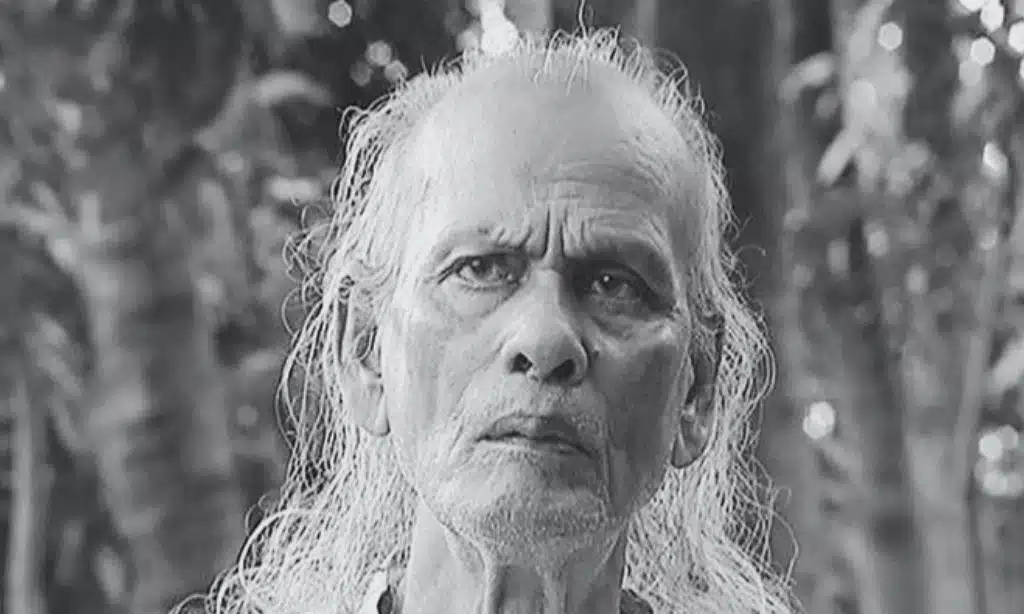
Despite his fame, Shah Abdul Karim spent much of his later life in modest conditions in Sunamganj. He battled health issues, including respiratory problems, but never abandoned his passion for music.
On 12 September 2009, he passed away at the age of 93. His death was a huge loss for Bangladesh’s cultural heritage. He was laid to rest in his village, and his grave has since become a place of respect for admirers of Baul music.
Death Anniversary and National Remembrance
Every year on 12 September, Bangladesh observes the death anniversary of Shah Abdul Karim with cultural programs, tributes, and musical performances. Artists, cultural organizations, and admirers gather in Sunamganj and Dhaka to celebrate his life and legacy. His songs are performed on television and radio, reminding the nation of his contribution to Bangladeshi folk traditions.
On his anniversaries, cultural institutions often highlight his role as the Baul Samrat (King of Bauls), ensuring that his teachings of love, equality, and spirituality continue to inspire new generations. Writers, musicians, and researchers also publish essays and features to honour his memory, keeping his name alive in the cultural consciousness of Bangladesh.
Legacy of the Baul Samrat
Shah Abdul Karim’s legacy extends far beyond his lifetime. His music continues to be performed at Baul festivals, rural fairs, and contemporary concerts. Many young folk musicians consider him their greatest inspiration, carrying forward his philosophy of simplicity and humanity.
He remains not only a cultural icon but also a voice of the common people. His ability to transform poverty, loss, and social struggle into universal art makes him one of the most enduring figures in South Asian music. More than a decade after his passing, the songs of Shah Abdul Karim still breathe life into Bangladesh’s cultural identity, echoing across rivers, fields, and city streets.