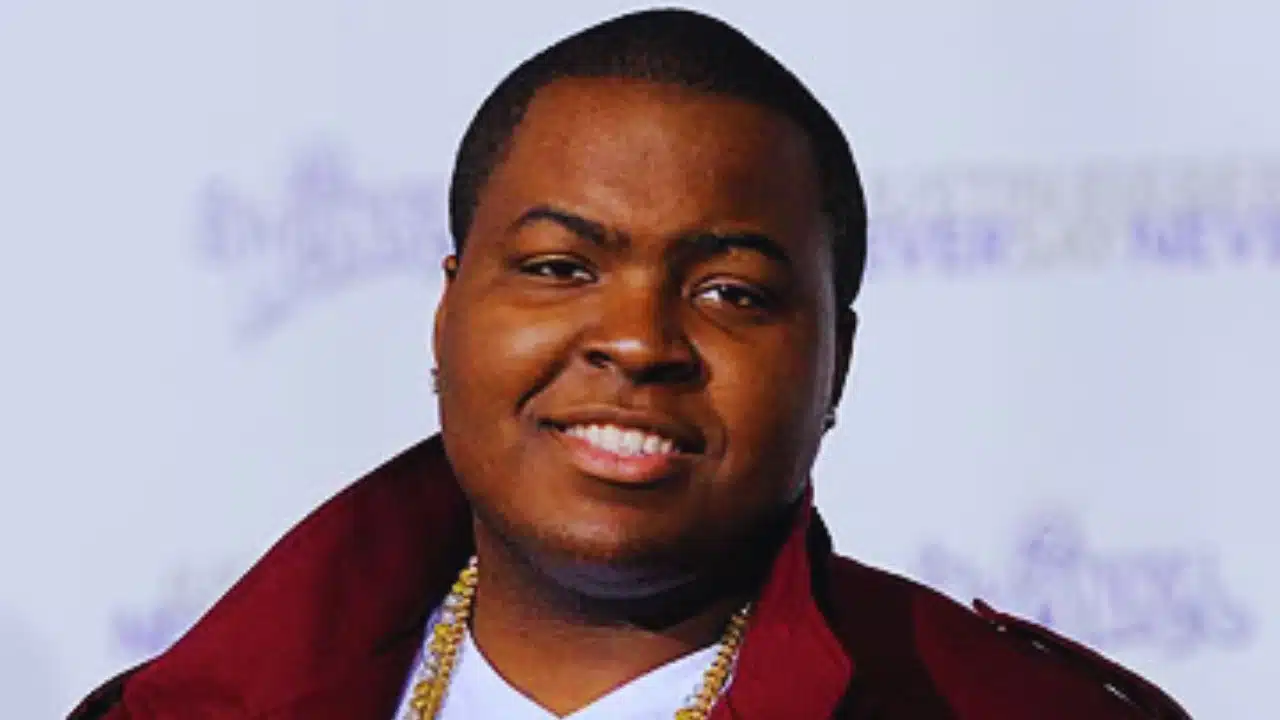
Sean Kingston, best known for his 2007 chart-topping hit Beautiful Girls, has been sentenced to three and a half years in federal prison for his role in a luxury goods fraud scheme that defrauded multiple vendors of more than $1 million. The sentencing took place in South Florida federal court, where Judge David S. Leibowitz announced a prison term of 42 months, followed by three years of supervised release.
The sentence fell between two recommendations: probation officials had advised five to six years behind bars, while Kingston’s defense team urged the court to consider home detention and financial restitution instead. The judge concluded with a middle-ground outcome. A restitution hearing has been scheduled for October 16, where final repayment amounts will be determined.
The Fraud Scheme: How It Worked
According to federal prosecutors, Kingston and his mother, Janice Eleanor Turner, carried out a scheme that lasted nearly a year, from April 2023 through March 2024. Using Kingston’s celebrity status as leverage, the pair reached out to vendors selling luxury items such as jewelry, designer watches, high-end electronics, and vehicles, including a bulletproof Cadillac Escalade and an oversized 232-inch LED television.
Victims were often invited to Kingston’s lavish homes in Broward County, Florida, where the singer used his fame and lifestyle to gain their trust. Once deals were negotiated, vendors expected wire transfers as payment. Instead, Kingston and Turner sent fraudulent transfer confirmations or screenshots that appeared legitimate but contained no actual funds. By the time sellers realized the payments never cleared, the merchandise was already in Kingston’s possession. Many victims were forced to pursue civil lawsuits or turn to federal investigators for resolution.
Conviction and Trial
Both Kingston and Turner were indicted on multiple counts of wire fraud and conspiracy in 2024. Their trial concluded in March 2025, with a jury convicting them after fewer than four hours of deliberation. The case against them included testimony from defrauded vendors and forensic evidence linking the fake transactions to devices used by Kingston and his mother.
The conviction led to immediate legal consequences. Turner, who played a central role in facilitating communication with victims, was sentenced a month earlier to five years in prison and three years of supervised release. She admitted to acting in what she described as an attempt to support her son’s career financially, but the court concluded that her involvement was intentional and prolonged.
Defense Arguments and Plea for Leniency
In court filings prior to sentencing, Kingston’s attorneys argued that his actions were non-violent, that he had already repaid much of the stolen money, and that he should be allowed to serve his sentence under home confinement. The defense emphasized that several family members rely on him financially and pointed to his history of philanthropic work, suggesting these factors warranted leniency.
Kingston also submitted a personal statement of remorse to the court. He acknowledged the harm caused by his actions, stressed that he had accepted responsibility, and described the experience as a turning point in his life. His defense team further argued that Kingston rose to fame as a teenager and had never been properly equipped to manage financial and legal obligations, leaving him vulnerable to poor decisions.
Although the judge did not fully accept the request for home detention, the final sentence of three and a half years was lighter than the guidelines suggested. The supervised release term means Kingston will continue to be monitored after completing his prison time, with conditions that include financial restitution and restrictions on future financial dealings.
Restitution and Financial Consequences
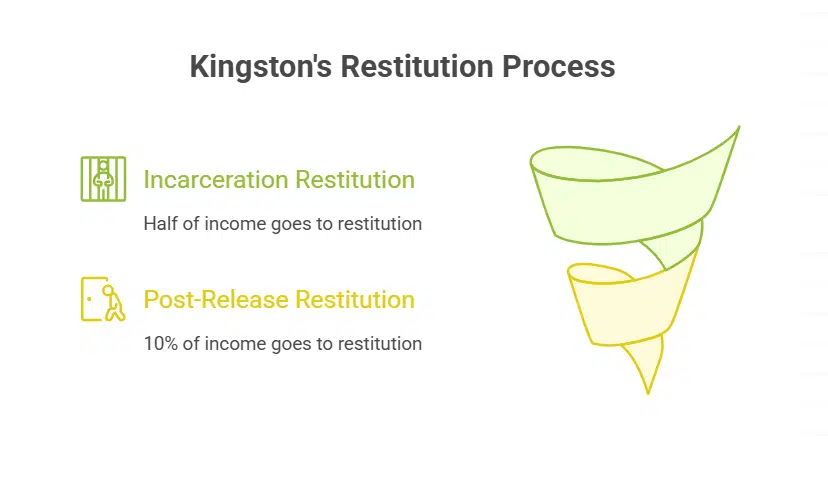
While many victims have already recovered money through civil settlements or partial repayments, a formal restitution order will be decided at the October hearing. The court has stipulated that while Kingston is incarcerated, half of any income he earns must go toward restitution. After his release, 10 percent of his gross monthly income will be deducted to continue repaying the victims.
This arrangement ensures that the fraud’s financial impact will follow Kingston long after his release, limiting his ability to fully return to the lavish lifestyle he once displayed publicly.
Impact on His Mother and Family
Janice Turner’s five-year sentence highlights the seriousness with which the court viewed her role in the scheme. At trial, prosecutors presented evidence that she actively communicated with victims and even transmitted the fraudulent wire receipts. Her sentencing last month came with additional probation conditions. For the family, the dual convictions mark a dramatic fall from grace, especially since Turner was a key figure in managing Kingston’s business affairs.
Arrest and Public Downfall
The case first gained widespread media attention in May 2024, when a SWAT team raided Kingston’s Florida mansion. Turner was taken into custody at the home, while Kingston was later arrested at a U.S. Army base in California, where he had been filming promotional material. Videos and photos of the raid quickly spread online, reinforcing the perception that Kingston’s once-glamorous career had turned chaotic.
Career Background
Sean Kingston achieved international fame in 2007 at just 17 years old with Beautiful Girls, a reggae-pop anthem that topped the Billboard Hot 100. His career included collaborations with stars such as Justin Bieber and Nicki Minaj, and he remained a recognizable figure in pop and R&B music throughout the late 2000s and early 2010s. However, his later years were marred by financial troubles, lawsuits, and declining chart success.
The fraud case marks the lowest point in a career that once held global promise. Although his defense stressed that he intends to rebuild his life and career, his imprisonment and restitution obligations will significantly restrict those prospects for years to come.
What Happens Next
-
Prison Term: Kingston begins serving his 42-month federal prison sentence immediately.
-
Restitution Hearing: Scheduled for October 16 to finalize victim repayments.
-
Mother’s Sentence: Janice Turner is serving five years, highlighting the family’s dual convictions.
-
Post-Release Monitoring: Kingston will face three years of supervised release, along with ongoing financial obligations.
-
Potential Appeal: His legal team is reviewing options for appeal, though no official motion has yet been filed.
The sentencing of Sean Kingston and his mother closes one chapter of a high-profile fraud case that blended celebrity, wealth, and deception. While the defense emphasized remorse and repayment, the convictions underline how both used Kingston’s fame to exploit trust. The prison sentences, combined with strict restitution requirements, serve as both punishment and deterrent.
For fans, the news is another reminder of how far Kingston has fallen from the days when his music dominated global charts. For the victims, the outcome provides some accountability, though financial repayment will be an ongoing process.