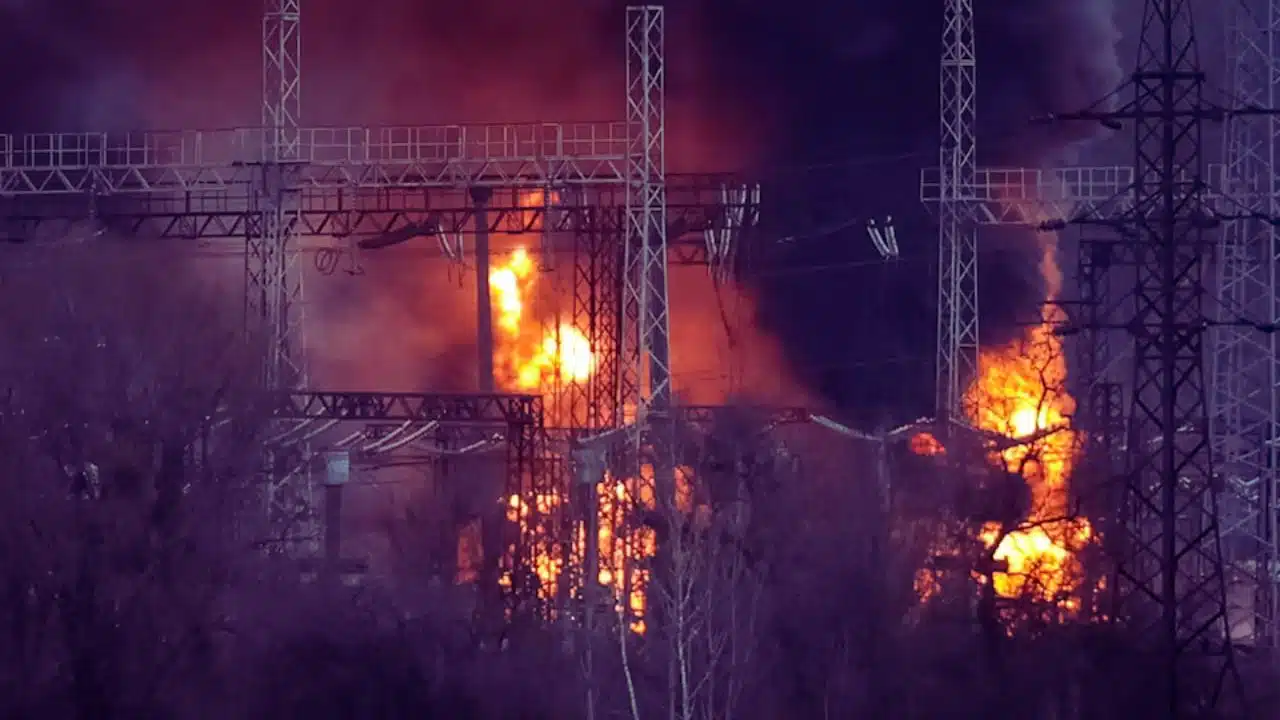
In a devastating escalation of the nearly four-year conflict, Russia has launched a relentless week-long assault on Ukraine’s energy infrastructure, plunging millions of civilians into darkness as freezing winter temperatures set in. The coordinated campaign, which culminated in a massive overnight barrage on December 12–13, 2025, targeted critical power substations, heating plants, and industrial facilities across the country. Ukrainian officials described the strikes as systematic energy terror aimed at breaking civilian morale ahead of crucial diplomatic talks in Berlin.
The assault, involving hundreds of drones and dozens of hypersonic missiles, marks one of the most intense periods of aerial bombardment in recent months. With over one million households disconnected from the grid in regions ranging from Odesa to Kyiv, the attacks have severely tested Ukraine’s air defenses and battered an energy network already weakened by years of war.
Anatomy of the Assault: A Week of Relentless Strikes
The intensification of hostilities began early in the second week of December, with Russia shifting tactics to overwhelm Ukrainian air defenses through sheer volume and speed. According to President Volodymyr Zelensky, the culmination of this week of terror saw Russian forces deploy an unprecedented number of aerial assets. Reports indicate that in the peak overnight raid alone, Russia launched a swarm of over 450 attack drones accompanied by 30 high-speed missiles, targeting energy nodes in multiple oblasts simultaneously.
This strategy represents a clear pivot from previous sporadic attacks. By sustaining high-intensity strikes over seven consecutive days, Russian forces have prevented emergency crews from conducting repairs, compounding the damage. The Ministry of Energy reported that while interception rates remain high, the sheer volume of debris and direct hits has caused critical damage to high-voltage transmission lines that support the national grid.
Key Targets and Regional Impact
The destruction has been geographically widespread, with the southern port city of Odesa bearing the brunt of the assault. Following a massive strike on a local substation, the entire city and surrounding districts suffered a total blackout that lasted over 36 hours. Authorities were forced to halt electric public transport and switch hospitals to emergency generators.
In the capital, Kyiv, the situation remains precarious. While the city’s sophisticated air defense umbrella intercepted the majority of incoming threats, falling debris damaged local distribution lines, leaving approximately half of the capital’s residents with intermittent power and heating cuts. The strikes also targeted heating infrastructure in frontline regions like Kherson, threatening to leave tens of thousands without warmth as temperatures dropped to -6 degrees Celsius.
| Date (Dec 2025) | Targeted Region | Key Impact |
| Dec 9 | Kyiv & Central Ukraine | Debris damages distribution lines; 50% of capital faces rolling blackouts . |
| Dec 11 | Southern Ukraine | Massive drone wave targets heating plants; widespread water supply disruptions. |
| Dec 12–13 | National (Odesa epicenter) | Peak assault with >450 drones; 1 million+ households lose power; Odesa in total blackout . |
| Dec 14 | Western Regions | Strikes on transit substations disrupt power exports/imports; emergency repairs halted by air alarms . |
Strategic Context: Retaliation and Geopolitics
The timing of this week-long assault is not coincidental. The Kremlin explicitly framed the strikes as retaliatory measures following Ukraine’s reported use of Western-supplied long-range missiles against Russian airfields earlier in the month. Russian defense officials stated the attacks were aimed at critically important fuel and energy facilities supporting Ukraine’s military-industrial complex.
Furthermore, the escalation occurred on the eve of high-stakes peace and security talks in Berlin between U.S. and Ukrainian officials. Analysts suggest Moscow intends to leverage these attacks to demonstrate its capability to paralyze Ukraine, thereby strengthening its negotiating position and discouraging Western allies from authorizing further deep strikes into Russian territory.
The adversary’s objective is clear: to freeze the country into submission just as diplomatic channels reopen. This is not just war; it is a calculated negotiation tactic written in the language of terror. — Ukrainian Energy Ministry Official.
Humanitarian Crisis and Response
The humanitarian toll of the assault is mounting. Beyond the power outages, the strikes have disrupted water supplies and central heating systems in major urban centers. In Odesa and Mykolaiv, invincibility centers—emergency shelters equipped with heat, power, and internet—have been reopened to support vulnerable residents.
Tragically, the week-long bombardment has also resulted in civilian casualties. Emergency services reported deaths in the Zaporizhzhia and Dnipro regions, while cross-border incidents were also noted, with two fatalities reported in Russia’s Saratov region following Ukrainian drone counter-strikes. The UN Human Rights Monitoring Mission in Ukraine warned that the renewed campaign targeting critical energy infrastructure is putting civilians in Ukraine at serious risk as the harshest months of winter approach.
A Grim Winter Ahead
As the smoke clears from this week-long assault, the outlook for Ukraine’s winter remains grim. The damage inflicted in just seven days has erased months of repair work conducted during the autumn. With the power deficit now critical, energy operator Ukrenergo has warned that emergency shutdowns could become the norm rather than the exception in the coming weeks.
While Ukraine’s air defense forces continue to perform miracles, intercepting the vast majority of threats, the sheer scale of Russia’s drone and missile production suggests that this week-long assault may be the opening salvo of a grueling winter campaign. The resilience of the Ukrainian grid—and the civilians who depend on it—will once again be the defining frontline of the war.