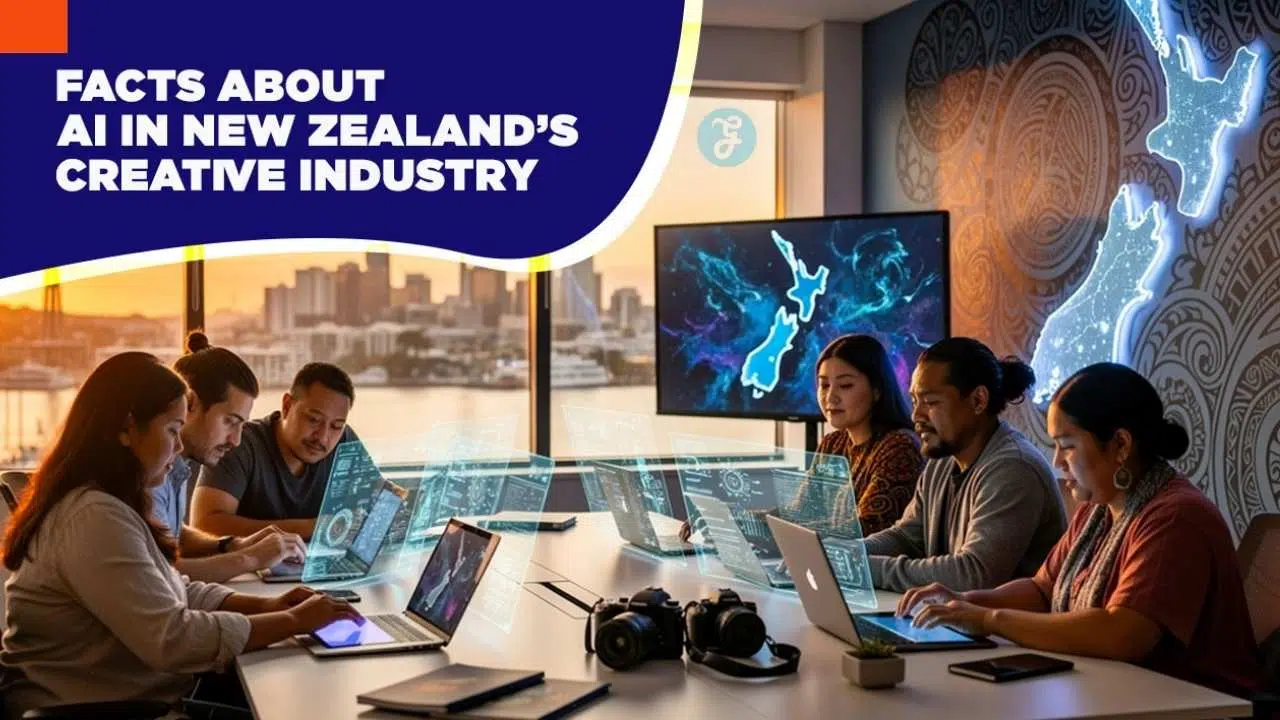
The conversation around digital algorithms in art usually goes one of two ways. People either panic about machines stealing jobs, or they praise the technology as a magic wand that will fix every production bottleneck. But if you look at what is happening down in Aotearoa, you see a completely different story.
The adoption of responsible AI in New Zealand creative industries is quietly proving that you can have advanced technology without selling out your artistic soul. Local filmmakers, game developers, educators, and indigenous groups are building systems that actually protect human creators. They are not fighting the digital wave. Instead, they are steering it to make sure human agency stays front and center.
This guide breaks down exactly how the local sector is pulling this off. We will look at massive visual effects studios training tools on their own private data rather than scraping the internet. We will explore how indigenous data sovereignty is changing the rules of the game for tech governance. We will also dive into the push for fair licensing markets that pay artists what they are owed. By the end of this read, you will understand why the global market is suddenly looking to New Zealand for answers on how to handle the future of digital art.
1: Weta FX is Pioneering Artist-First Models with Proprietary Data
The global standard for training machine learning models usually involves scraping massive amounts of data from the public internet, often without asking permission. Weta FX, the Wellington-based powerhouse behind the visual effects of major Hollywood blockbusters, refuses to play that game. They recently partnered with Amazon Web Services and AMD to build custom tools trained strictly on their own legacy files and synthetic data. This move protects client intellectual property and ensures they do not step on the copyright of independent artists online.
| Feature | Details |
| Training Source | In-house legacy files and proprietary synthetic data only |
| Tech Partners | Amazon Web Services and AMD |
| Primary Goal | Accelerate workflows without replacing human artists |
| Ethical Stance | Zero reliance on uncredited public internet scraping |
Moving Away from Internet Scraping
When tech companies scrape the internet to teach their systems how to draw or write, they are essentially taking the hard work of millions of people for free. Weta FX saw the legal and ethical mess this creates and decided to go another route entirely. By using their own massive library of digital assets built over the last thirty years, they guarantee their tools are completely clean and legally sound. They own the copyright to the millions of pixels they feed into their machines.
This means when a director asks them to render a complex scene, the studio knows exactly where the digital inspiration came from. It is a massive win for client confidentiality and basic artistic respect. Furthermore, it completely eliminates the anxiety of accidentally generating an asset that closely resembles a copyrighted work from an independent artist halfway across the world.
Enhancing Workflow in Major Blockbusters
You can already see the results of this ethical approach on the big screen in recent theater releases. Instead of using text prompts to magically generate a finished image, the studio uses algorithms to handle the boring, repetitive math of visual effects. For major projects, they built custom physics simulators that handle the complex interactions of water, fire, and light with incredible speed.
The machines calculate how light bounces off a digital leaf or how water splashes against a rock, but the human artist decides where that leaf goes and how the lighting makes the audience feel. The technology acts like a highly advanced paintbrush, not a replacement for the painter. This specialized tooling allows the team to iterate on complex shots dozens of times a day, tweaking the artistic direction without waiting hours for a computer to render the basic physics.
AI as a Tool, Not a Replacement
The fundamental philosophy here is all about keeping the artist in the driver seat from start to finish. Weta FX executives have made it very clear that their goal is to amplify human creativity rather than automate it out of existence. A digital tool might be able to speed up the rendering process from days to hours, but it absolutely cannot understand the emotional weight of a movie scene.
By designing interfaces that look and feel like traditional physics solvers and rigging systems, the studio makes sure their animators and lighters still have complete authorship over the final frame. The human touch remains the most expensive and valuable part of the production pipeline. They are proving that you can scale a visual effects business massively without turning your senior artists into simple prompt engineers.
2: Maori Data Sovereignty is Redefining Technological Governance
As algorithms become a core part of the creative process, the protection of indigenous knowledge has never been more urgent. New Zealand is tackling this head-on by integrating Maori data sovereignty into the conversation about responsible AI in New Zealand creative industries. This means treating cultural information, known as matauranga Maori, as a protected asset rather than free fuel for tech companies. Indigenous leaders and tech policy makers are working together to make sure systems respect local cultural principles.
| Initiative | Impact |
| Data Sovereignty | Gives Maori communities ownership of their cultural data |
| Bias Prevention | Stops global algorithms from stereotyping indigenous groups |
| Governance Frameworks | Requires informed consent before using cultural heritage files |
| Research Support | Funds indigenous scholars to study ethical technology |
The Launch of the Maori AI Governance Framework
You cannot build an ethical digital tool if the foundation of your data is extractive or stolen. The local governance frameworks popping up in New Zealand demand that Maori communities have the final say over how their cultural artifacts, language, and art are digitized. If a global tech company wants to train a model on Maori carving patterns or spoken language audio files, they cannot just quietly download them from a public archive.
They need explicit permission, and they need to ensure the community actually benefits from the final commercial product. This level of governance is setting a powerful blueprint for how minority cultures worldwide can protect their digital footprints. It shifts the power dynamic back to the people who actually created the culture in the first place.
Protecting Matauranga Maori from Algorithmic Bias
When you feed an algorithm a diet of biased, globally scraped data, it naturally spits out harmful stereotypes. We have seen this happen repeatedly with global image generators that produce historically inaccurate caricatures of indigenous people. By enforcing strict data sovereignty, New Zealand creatives are actively fighting back against this digital dilution. They require developers to include Maori perspectives right from the initial design and testing phases.
This proactive approach stops harmful stereotypes before they get baked into the fundamental code, ensuring that digital representations of local culture are accurate, respectful, and deeply authentic to the source material. It forces the technology to adapt to the culture, rather than forcing the culture to fit into a generic digital box.
Empowering the Next Generation of Researchers
Policy only works if you have the educated people available to actually enforce it on the ground. The country is actively investing in the next generation of Maori tech scholars to bridge the gap between ancient traditions and modern algorithms. Scholarship programs and dedicated government grants are focused on training indigenous researchers who understand both the technical complexities of machine learning and the deep importance of cultural preservation.
These experts are the ones currently sitting in the corporate boardrooms, making sure that as the local tech sector grows rapidly, it does not leave indigenous rights behind. They act as translators between the fast-paced world of Silicon Valley tech and the foundational principles of local heritage.
3: The Push for Ethical Licensing Over Fair Use Exemptions
Tech giants love to argue that pulling copyrighted images and text to train their systems is fully covered under fair use laws. The creative professionals in New Zealand strongly disagree with that broad interpretation. Writers, musicians, and digital artists across the country are pushing hard for a system that actually pays them for their intellectual contributions. They want a structured licensing market where tech companies have to open their wallets if they want high-quality training data.
| Market Strategy | Description |
| Rejecting Fair Use | Arguing that unpaid scraping violates basic copyright law |
| Licensing Models | Charging tech companies for access to premium training data |
| Creator Income | Providing artists with a new revenue stream for their past work |
| Government Stance | Advising businesses to attribute and compensate creators fairly |
Rejecting the Unpaid Scraping Model
Imagine spending months painting a beautiful masterpiece, only for a massive corporation to scan it, learn from its style, and use it to sell an automated service without giving you a single dime. That is the current harsh reality of the unpaid scraping model, and New Zealand creators are entirely refusing to accept it as the new normal.
Legal experts, author associations, and artist guilds are banding together to legally challenge the idea that machine learning training is somehow magically exempt from traditional copyright rules. They are sending a very clear message that creative labor has inherent financial value. If a multi-billion dollar machine needs that human labor to function properly, the human behind it deserves to get paid a fair wage.
Building a Sustainable Licensing Market
The alternative to the wild west of unpaid internet scraping is a structured, heavily regulated licensing market. Think of it exactly like a Spotify or Apple Music for training data, but one that actually pays a fair, negotiated rate to the creators. Under this proposed system, studios, independent artists, and freelance writers could voluntarily opt in to have their work used by tech companies in exchange for a recurring licensing fee.
This brilliant idea turns a massive existential threat into a highly lucrative potential new income stream. It creates a commercial environment where digital advancement relies on an active, thriving, and well-compensated human workforce rather than exploiting them.
Government Support for Creator Compensation
The local government is not just sitting on the sidelines safely watching this massive legal fight happen. Guidance documents from the Ministry of Business, Innovation and Employment consistently highlight the absolute need to respect intellectual property in the modern digital age. While sweeping, permanent legal changes take a significant amount of time to pass through parliament, the official stance strongly encourages all local businesses to adopt highly ethical data practices immediately.
This vocal government backing gives local artists significant leverage when they sit down to negotiate with massive software providers. It ensures that the push for a fair market has real institutional weight and political power behind it.
4: Educational Institutions are Building AI-Augmented Creatives
You cannot expect the industry to change its bad habits if you do not change how you teach the very next generation of workers. Universities and specialized design schools across the country are completely overhauling their existing programs to address the new digital reality. They are not telling young students to hide from algorithms or pretend they do not exist. Instead, they are teaching them how to use these powerful tools safely, legally, and ethically.
| Educational Focus | Core Strategy |
| Curriculum Updates | Integrating digital ethics and copyright law into art degrees |
| Technical Fluency | Teaching students how to prompt and manipulate data securely |
| Critical Assessment | Training eyes to spot algorithmic bias and visual errors |
| Career Readiness | Neutralizing the fear of automation by mastering the tools |
Redesigning the Curriculum for the Future
Forward-thinking schools like Yoobee Colleges understand perfectly that a modern design degree simply has to include machine learning coursework. But simply showing a young student how to type a text prompt into a generator is nowhere near enough. The newly designed curriculum dives incredibly deep into the raw mechanics of how these systems actually work under the hood.
Students learn extensively about training data sets, the massive environmental impact of running server farms, and the severe legal risks of using unverified outputs in a commercial setting. This highly comprehensive education ensures that when these young creatives finally enter the workforce, they know exactly what digital tools are safe to use on a client project.
Blending Technical Skill with Critical Thinking
A major, unwavering focus in these new progressive classrooms is the development of critical assessment skills. Algorithms make extremely weird mistakes all the time. They completely mess up human anatomy, they hallucinate completely fake facts, and they struggle immensely with subtle emotional context in storytelling. Educators are successfully training students to use automated tools specifically for rapid prototyping and quick brainstorming, but to absolutely never rely on them for the final creative polish.
The human artist is always strictly responsible for the final quality control check. By actively blending technical fluency with incredibly sharp critical thinking, schools are making sure human taste remains the ultimate deciding factor in any successful creative project.
Addressing the Anxiety of Automation
It is objectively terrifying to be a young artist looking at a machine that can generate a decent, full-color illustration in exactly three seconds. Educators are tackling this massive wave of anxiety directly by bringing complex ethical discussions out into the open classroom. When you actually understand the severe, hard-coded limitations of a machine, it rapidly stops being a scary monster coming for your job.
It simply starts being just another complicated piece of software installed on your computer, no different than Photoshop or Maya. This specific psychological shift is absolutely crucial for their development. It fully empowers young students to take total control of their future careers and adapt to wild industry changes with supreme confidence rather than paralyzing fear.
5: Game Developers are Embracing Algorithms as Creative Co-Pilots
The game development scene in New Zealand has always managed to punch way above its weight class. Independent studios are world-famous for delivering massive, critically acclaimed virtual worlds on relatively tiny budgets. To keep that sharp competitive edge, local developers are leaning heavily into procedural generation and automated coding tools. However, they are doing it with a remarkably strict focus on transparency and absolute data security.
| Studio Practice | Implementation Method |
| Procedural Generation | Using algorithms to build massive, repetitive background environments |
| Quality Assurance | Automating bug testing and code review to speed up launch dates |
| IP Protection | Running tools on secure local servers to prevent data leaks |
| Freelancer Rights | Advocating for fair pay for concept artists and writers |
Procedural Generation and World Building
Building a truly massive open world game takes thousands of hours of tedious manual labor if you have to place every single digital tree, bush, and rock by hand. New Zealand developers are creatively using intelligent procedural generation to map out these massive environments in a tiny fraction of the usual time. The machine entirely handles the boring, repetitive placement of background environmental assets based on strict artistic rules set by a human designer.
This incredibly efficient workflow allows small indie teams of ten people to create sprawling, deeply immersive universes that look like they were built by a massive corporate studio with a thousand employees. It is the absolute ultimate example of working smarter instead of working harder.
Emphasizing Transparency and Security
When you are writing custom, highly valuable code for a highly anticipated game release, the absolute last thing you want is for a cloud-based algorithm to accidentally leak your intellectual property to a rival competitor. Local studios are hyper-aware of this massive security risk. They are strongly prioritizing tools that can run entirely locally on secure, offline servers, ensuring their proprietary code stays strictly in-house at all times.
Furthermore, funding organizations like NZ On Air also actively push for highly transparent production pipelines. This means studios have to be completely honest with the public and their investors about exactly where and how they are using automated tools in their daily development process.
Pushing for Industry-Wide Compensation Models
The global game development industry relies heavily on talented freelance concept artists, voice actors, and contract musicians to bring worlds to life. The local New Zealand industry is acutely aware of exactly how economically vulnerable these individual contractors are to cheap automation. To fiercely protect their local creative ecosystem, many prominent studios are actively pushing back against the toxic idea of fully replacing human contractors with cheap synthetic media.
They strictly view algorithms as helpful co-pilots that can help a hired concept artist iterate faster on a design. They refuse to use it as a cheap, sneaky way to cut the working artist completely out of the project budget. This incredible solidarity is successfully helping to maintain a healthy, highly fair freelance market in the country.
6: Government Investment is Driving Creative Tech Research
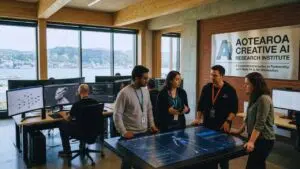
New Zealand is absolutely not leaving the future of ethical technology solely up to the whims of private, profit-driven corporations. The national government is actively throwing serious money at the problem to find real solutions. Recent massive financial investments are aimed directly at building a national research platform that flawlessly bridges the gap between high-level academic theory and real-world commercial application.
| Investment Area | Primary Goal |
| Seed Funding | Backing new institutes focused strictly on ethical tech research |
| Rights Management | Developing new ways to track and protect digital copyright |
| Academic Partnership | Connecting university researchers with high-end VFX studios |
| Economic Growth | Positioning the country as a global leader in safe technology |
The Aotearoa Creative AI Research Institute
In late 2025, the government proudly announced a highly competitive shortlist of concepts for a massive national research platform, backed by up to 70 million dollars in funding over the next seven years. One of the absolute standout concepts is the Aotearoa Creative AI Research Institute, brilliantly led by industry giant Weta FX. This is a massive, landscape-shifting deal for the country.
It clearly shows that the state views the creative sector not just as light entertainment, but as a critical, foundational driver of high-tech economic growth for the entire nation. This institute explicitly aims to research entirely new ways to integrate complex digital systems into film, gaming, and graphic design while keeping human artists firmly and permanently in the loop.
Focusing on Real-World, Ethical Applications
The massive amount of money being poured into this specific research is absolutely not meant for vague, useless theoretical papers that sit on a shelf. The focus is entirely locked on real-world, highly practical, and commercially viable applications. Talented researchers are looking deeply into advanced computer vision, complex digital twins, and secure networks that give working artists much better control over their daily workflows.
More importantly, they are rigorously investigating entirely new software architectures that literally bake copyright protection directly into the foundational code. This means the digital tools of the near future could automatically track provenance, making it virtually impossible to use stolen internet data without immediately setting off loud digital alarms.
Bridging the Gap Between Academia and Industry
One of the smartest, most effective things about this aggressive government strategy is how it forcefully makes different isolated sectors talk to each other. The newly funded research platforms require strict, mandatory collaboration between quiet universities, public science organizations, and massive private companies.
If a brilliant computer science professor comes up with a fantastic idea for a much more ethical data model, they do not just publish it in a journal and desperately hope someone reads it one day. They literally walk the code straight over to a working visual effects studio or a busy game developer to thoroughly test it in a high-pressure, real-world production environment immediately.
7: Aligning with Global Cultural Preservation Standards
The adoption of responsible AI in New Zealand creative industries officially extends far beyond simple commercial success and movie tickets. There is a incredibly deep, ongoing national effort to use these powerful digital tools strictly for cultural preservation. Local historical institutions are aligning their tech strategies perfectly with global guidelines, like those set by UNESCO, to ensure that algorithms actively safeguard human heritage.
| Preservation Effort | Execution Strategy |
| UNESCO Alignment | Following strict international rules for ethical cultural tech |
| Archive Restoration | Using algorithms to clean up old audio and visual artifacts |
| Context Protection | Ensuring digital restorations keep their original spiritual meaning |
| Human Rights Focus | Treating ethical tech adoption as a basic societal right |
Following UNESCO Guidelines
Major international bodies like UNESCO have laid out incredibly clear, strict guidelines on exactly how artificial intelligence should interact with sensitive human culture. New Zealand takes these global rules very seriously in every sector. The local creative and tech sectors actively work together to forcefully prevent the dominance of massive, globally trained algorithms that often completely erase the beautiful nuances of smaller, regional cultures.
By purposefully building highly localized digital tools and enforcing strict local data governance, the country ensures that its unique digital landscape remains beautifully diverse. They are actively fighting a war against the boring visual monoculture that naturally happens when one single tech company in California controls all the creative algorithms for the entire planet.
Digitizing and Restoring Cultural Heritage
Technology can genuinely be a beautiful, magical thing when it is used correctly and respectfully. Local museums, libraries, and cultural institutions are using highly specific, custom-built algorithms to rescue fading history before it is lost forever. They run incredibly noisy, badly damaged audio recordings of ancient traditional songs through advanced restoration software to clean up the sound without artificially altering the original singer’s voice.
They use highly trained computer vision to carefully analyze and digitally reconstruct rapidly deteriorating historical photographs and physical artifacts. This incredibly delicate, respectful process brings history roaring back to life, making it easily accessible for educational purposes while perfectly preserving the fragile physical originals in dark storage.
Centering Human Rights in Technological Development
At the end of the day, the entire New Zealand approach boils down completely to treating technology adoption as a fundamental human rights issue. The local creative sector entirely refuses to accept the common corporate narrative that rapid technological advancement absolutely requires the sacrifice of fair wages, environmental sustainability, or cultural respect.
By loudly insisting on green rendering practices, fiercely protecting fragile freelance economies, and legally defending indigenous data from theft, the country is drawing a very hard, permanent line in the sand. They are proving definitively to the rest of the world that you can absolutely have cutting-edge digital innovation while still putting the financial and emotional well-being of the human being first.
Final Thoughts
The rapid, aggressive rise of automated digital tools has undoubtedly shaken the global art and entertainment sectors to their absolute core. Yet, the deep commitment to responsible AI in New Zealand creative industries provides a much-needed, highly practical roadmap for the future. By forcefully rejecting the easy, highly unethical route of mass internet scraping, studios are proving that proprietary, artist-controlled tools actually yield superior commercial results. The strict integration of Maori data sovereignty beautifully shows the entire world exactly how to protect vulnerable cultural heritage from aggressive algorithmic extraction.
Meanwhile, the unified, loud push from educators, game developers, and government bodies guarantees that the next generation of digital tools will strictly serve the artist, rather than the other way around. New Zealand is clearly demonstrating that the future of digital creativity absolutely does not have to be a miserable race to the bottom, but rather a brilliant opportunity to elevate human talent safely and fairly.