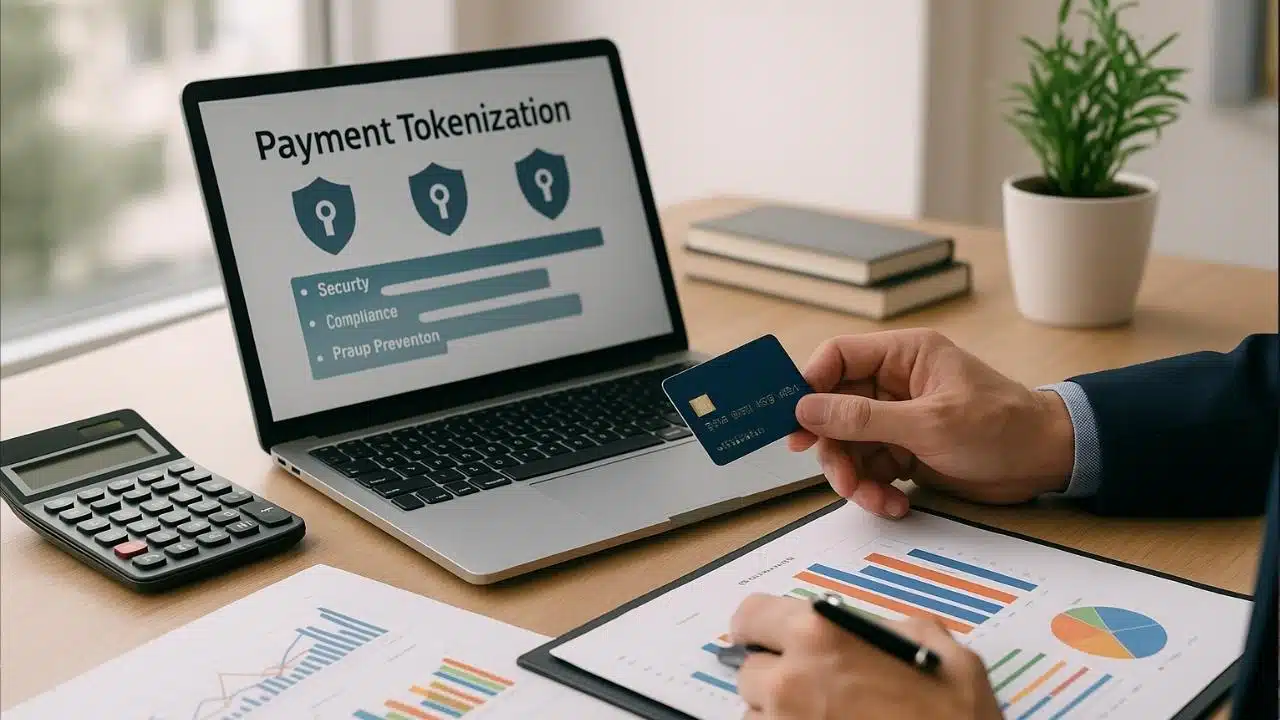
When you want customers to buy from you again and again, the checkout needs to feel simple and safe. Payment tokenization is one of the best ways to do both. It replaces sensitive payment details with a unique code called a token. That token has no value if intercepted, so you can store and use it without exposing the real data. This reduces risk, speeds up repeat purchases and cuts down the part of your systems that need heavy security controls.
Let’s explore how to choose the right payment tokenization approach for your situation.
What Do You Need to Protect and Why
Ask yourself:
- Are most of your payments one-time purchases or recurring subscriptions?
- Do you store card-on-file information for loyalty or one-click checkout?
- Do you operate across regions where local payment schemes are common?
If you need saved cards for repeat customers, multi-use tokens are essential. If your main concern is securing a single purchase, then single-use tokens give you the strongest protection. The right payment tokenization depends on how you store and reuse customer data.
Understand The Main Token Types And When To Choose
Here’s how you can decide:
| Token type | Best for | Key advantage |
| Network tokens (Visa, Mastercard, etc.) | Merchants with many card-on-file or subscription customers | Work across PSPs and update automatically when cards change. Reduces declines. |
| Device tokens (Apple Pay, Google Pay) | Mobile-first apps and in-device payments | Bound to a device, so unauthorised use is very hard. |
| PSP tokens (Stripe, Adyen, etc.) | Merchants who prefer PSP-managed vaults | Easy to implement and keep you out of PCI scope. Good for multi-gateway setups. |
You can use:
- Network tokens if you want broad compatibility and fewer declines
- Device tokens are used when you rely heavily on mobile wallets
- PSP tokens when you want fast setup and a trusted vaulting partner
Prioritise Security and Compliance with a Practical Scope
Payment tokenization reduces how much of your stack falls under PCI DSS rules, because you no longer store the primary account number. That makes audits simpler and less costly. However, tokenization does not remove the need for thoughtful security policies. You still need secure key management, strict access controls and monitoring where tokens are mapped back to the clear PAN by a token service provider.
Seamless Payment Continuity with Smart Retry Mechanisms
Tokens make it easier to retry failed payments and to keep subscriptions running when cards are updated. Some token types can refresh automatically when a card is reissued. That means you only get fewer failed payments and less churn. If uninterrupted recurring revenue matters to you, choose solutions that support automatic token lifecycle updates.
Token Orchestration in Payment Routing
If you use multiple gateways, token management and orchestration become important. A central orchestration layer can:
- Map tokens across providers
- Pick the best route for each transaction
- Fall back to a different provider if one is down
This method keeps things simple and prevents you from being tied to one provider. Choose a token solution that works easily with your routing system.
Balance Cost, Control and Vendor Dependency
There are trade-offs:
- Keeping tokens in your vault gives you more control but adds work and compliance needs.
- Using a PSP or network service is easier and faster, but it locks you into their system.
Ask yourself, do you have the expertise to manage a secure vault? If not, choose a certified provider or PSP token service.
Check the Real-World Features You Need
When evaluating options, confirm the provider supports:
- Network tokens and device tokens if you need both
- Single and multi-use tokens
- Token migration between vaults
- Clear mapping for chargebacks and dispute resolution
- Secure storage of any PANs you retain for specific operational reasons
If the supplier clearly lists these features, it will save you time during setup and testing.
Testing Authorisation and Decline Improvements
A key business test is whether payment tokenization improves your success rates. After you implement tokens, measure:
- Authorisation rate changes
- Decline reasons that reduce
- Impact on recurring payment success
Run A/B tests where you can route some traffic via tokens and through standard methods to quantify the benefit.
Plan for Chargebacks and Dispute Management
Even with tokens, disputes happen. Make sure your token provider can trace each transaction back to the original card number (PAN) when needed by regulators or during investigations. This helps with chargeback handling and ensures legal compliance.
Make Customer Experience Effortless
Tokens only work well when they make payments easier for customers. So:
- Show saved payment methods clearly and let your users manage them easily.
- Always take clear consent when creating a token.
- Allow customers to add, delete or update payment methods from their account.
- A clean design and simple controls build trust and keep your customers coming back.
Quick Checklist Before You Decide
- Use multi-use or network tokens if you need recurring billing
- Make sure mobile wallets are supported through device tokens
- Reduce PCI scope by choosing PSP-managed vaults
- Ensure global scalability with network token and orchestration support
- Go with a certified provider if you cannot manage the vault in-house
Summarising
Choosing the right payment tokenization approach is important. It is a mix of security, user experience and practical trade-offs. You want a solution that protects your customers’ data, reduces declines and fits your operational model. Keep the checklist in mind and test your assumptions with real transactions. It will help you find the balance that works for your business.