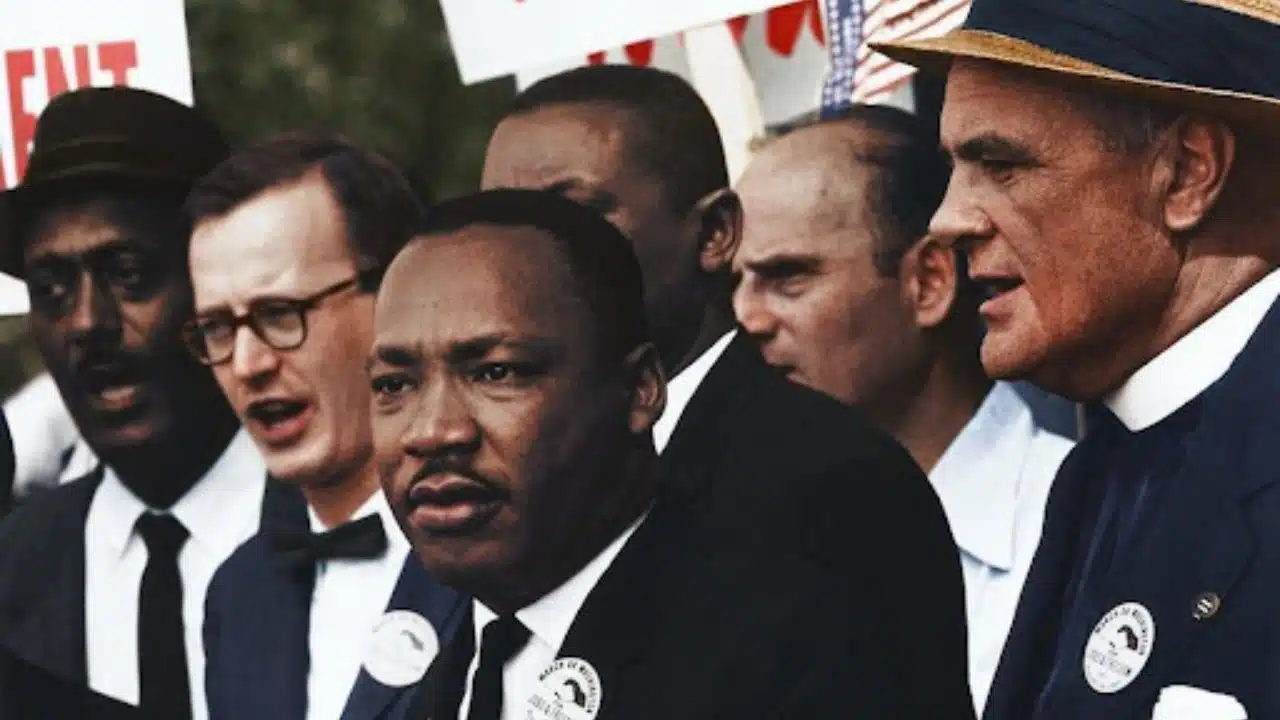
Martin Luther King Jr. delivered one of the greatest speeches in history. He wrote such a great piece. But it is essential to understand that Martin did have a superpower. His special ability was understanding the human mind and putting words together to create art. The powers Martin used in crafting that speech have been found in literature. The article calls it the Pathos, Ethos, and Logos combo. Non-literature students might find these names weird. They all have meaning and, most importantly, their contributions to creating such a magnificent work. The purpose of the “I Have A Dream Speech” is explained using this concept.
The Strategies Martin Luther King used in the Speech
The three techniques used in the piece constantly leave everyone with dropped jaws. The argument techniques included several figures of it. Alliterations, repetitions, rhythms, and allusion were second to none.
King’s strategies do not lose their relevance over time. Nowadays, it is a popular task for students to write about in college. They analyze his words and write essays on various topics about this legendary figure. The power and persuasiveness of the “I Have a Dream” speech are vividly described in essay examples of Martin Luther King that students can study for their own analysis. No matter the topic you want to address, ensure it comprises those three significant contents of Martin Luther King’s speech.
If you just want to know more and history excites you, you can also check out essay samples about Martin Luther King Jr. Maybe it is your next big topic for your following research paper as a student.
Pathos
Pathos is the art of using words to persuade an audience by bringing out certain emotions to feel and connect with the author of the address. There are several pathos in the “I Have a Dream” speech.
How did Martin Luther King use Pathos in his Speech?
A sample of Pathos in the speech is part of the passage that involved his children.
“I have a Dream that one day my four children will live in a nation where no one will be judged by their skin color but by the content of their character.”
Referring to his children allowed his listeners to also experience empathy for themselves and their unborn ones. Driving and gently showing his listeners that it is time to act.
Ethos
On the other end, Ethos presents the piece’s author as a reputable person. If a speech comes from a worthy person, people open their ears and minds to listen. If the said audience is unaware of the person’s worth, it can be stylishly placed in the message. It is a sign of the trustworthiness of the author.
An Example of Ethos in the Speech
If you have been observant, you will have noticed the use of Ethos in the “I Have a Dream” speech after going through the article. Bringing himself out and constantly reminding the crowd that he is a person of high moral value. Someone who has experienced seclusion previously, someone who is ready to fight. Painting this image in the listener’s mind enabled the audience to build trust in him.
Logos
Logos deal with logic. It is crafting an article using the audience’s sense of reason. The audience has their knowledge. Therefore, using Logos in a speech makes them aware of the facts surrounding them.
An example of Dr. King’s most effective use of logos
With the above definition of logos, studying the article well, you have to be able to point out the effective use of Logos in “I Have A Dream Speech”. One good sample is:
“I am happy to join you today, what will go down in history as the greatest demonstration for freedom in the history of our country.”
This part of the address displays his use of logos. Going down to history and letting the people remember the truth of Abraham Lincoln and the Emancipation Proclamation. These are facts that people are aware of. Another reference is to the police brutality still in place at that time. These were things that were known and obvious to his listeners.
In summary, the three concepts aim to write a paper or article from a trustworthy person to an audience who feels and reasons to make them take action.
Symbolism in the “I Have A Dream” Speech
The figures of speech used in the article have already been identified. However, the powerful use of symbols must be addressed. Martin Luther King’s analogy in the “I Have A Dream” speech made everyone understand what he was fighting for. The symbols and comparative stories passed the message in the best way possible.
Dreams: The word Dream was repeated several times at the peak of the presentation. It was used to envision in his mind and the minds of the people that equality and justice across all races are possible. He made the people see the possibility of having that kind of America.
Hills and Mountains: Martin used hills and mountains to explain how difficult it was to invoke the civil rights movement. The part of the article that talks about valleys and mountains becoming at the same level was to point out that equality was possible if they believed.
Solid Rock of Brotherhood: It was used to explain that something firm can be achieved between whites and blacks. It was possible to achieve justice and equality as solid as a rock.
Wrapping Up
Martin’s speech contained several symbols. These symbols were focused on two things: nature and time. The address painted an image in the people’s minds that a fight for civil rights could be won and possible. Because of the impact of the activist, today we celebrate his day. There are a lot of books, articles, essays on Martin Luther King, and movies that speak more about the type of man and ruler he was. The “I Have A Dream” message always references how an excellent and mind-changing presentation or paper has to be delivered. He had a plan with that address: to excite, engage, and use metaphors to make them feel what he felt. He was an activist who was ready to fight for his people using the power of words.