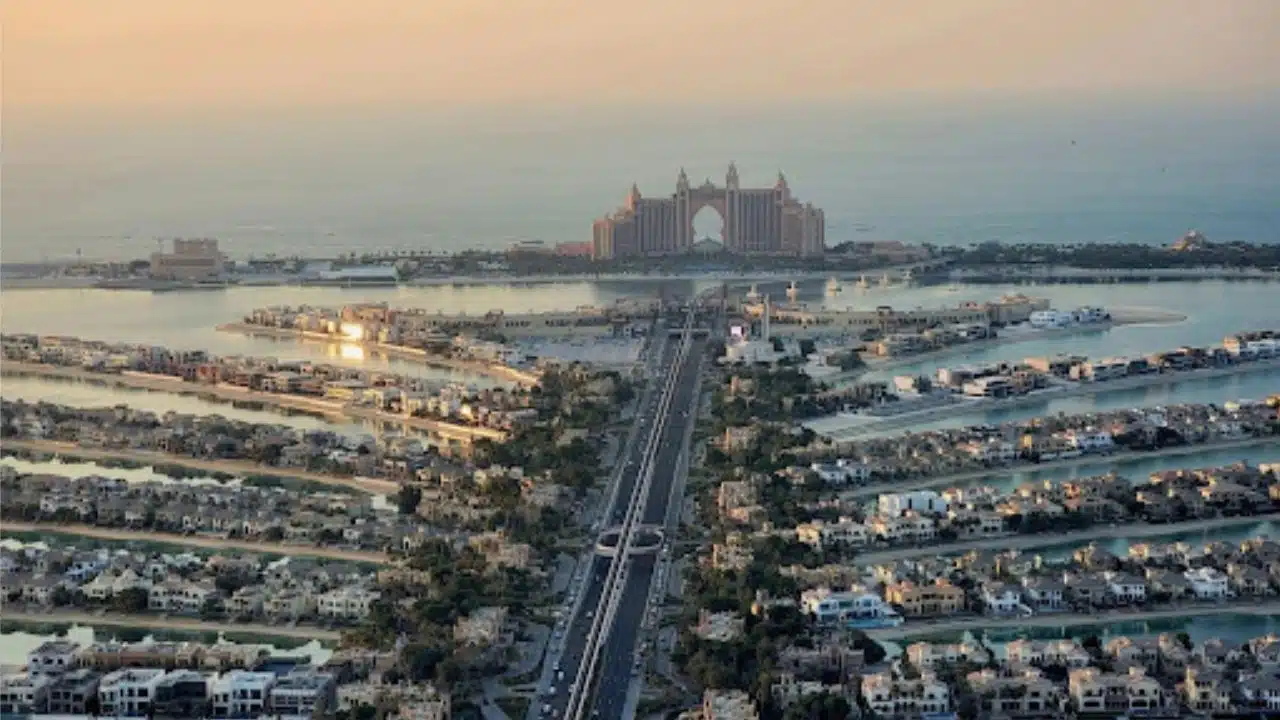
The most desirable homes no longer rely solely on showpieces; people look for homes that feel effortless, save time, and respect privacy. Dubai’s shoreline sets a high bar for this shift, and Palm Jumeirah sits at the centre of the discussion because residents expect technology to support daily life without drawing attention to itself. Buyers from India compare floor plans with rigour across connectivity, air quality, and service response. Smart living is expected in this setting for most households.
This article outlines the layers that shape modern living in 2025 and how to evaluate them with a clear head.
Smart Living Priorities for 2025
On any project review, look first at the essentials. On Palm Jumeirah, families ask whether systems remove friction, cut noise, and keep maintenance predictable, especially when evaluating high-end apartments. The goal is calm, not spectacle, so controls need to be simple and support many brands. Measured comfort, meaningful energy data, and reliable support matter more than long feature lists.
Home Technology That Works Quietly
Here you will explore home technology that works quietly:
- Lighting presets that follow day and night rhythms and reduce glare in work corners.
- Climate control that pairs with blinds and learns occupancy to trim power use.
- Water safety through leak sensors, shutoff valves, and alerts to prevent damage before it spreads.
- Kitchen and laundry appliances that schedule off-peak cycles and flag service needs early.
- App and voice control with secure roles for children, staff, and guests.
Neighbourhood and Mobility Services
A connected address extends beyond the door. Secure entry with QR visitor codes reduces lobby wait times. Parcel rooms handle deliveries while residents are out. Digital booking for pools, sports courts, and lounges helps avoid queues. Mobility choices matter, from dedicated ride pick up bays to electric buggies and cycles that simplify last mile movement for families and seniors.
Privacy, Safety, and Reliability Rules
Connected systems collect data, so minimisation and encryption are basic hygiene. Cameras belong at entry points and shared corridors, not private rooms. Backup power for critical equipment avoids outages during peak summer. Clear guidance on passwords, visitor access, and software updates keeps households resilient.
Checklist for Buyers and Tenants
Here is the checklist for buyers and tenants:
- Interoperability with common standards and a route to add devices later.
- Aftercare with firm response times, access to spare parts, and escalation paths.
- Energy reporting that shows monthly trends rather than only instant figures.
- Indoor air metrics explained in plain language, including particulates, CO₂, and humidity.
- Upgrade plans through modular hubs and over-the-air updates to avoid obsolescence.
Closing Thought
In 2025, the quiet home remains a sign of luxury. When designers, operators, and residents align around simple outcomes, technology fades into the background and life feels easier. Communities across Dubai are refining balanced solutions that respect time, privacy, and sustainability while preserving seaside comfort. For Indian buyers comparing choices, a clear checklist beats grand statements every time, and steady service proves a strong indicator of long-term value.