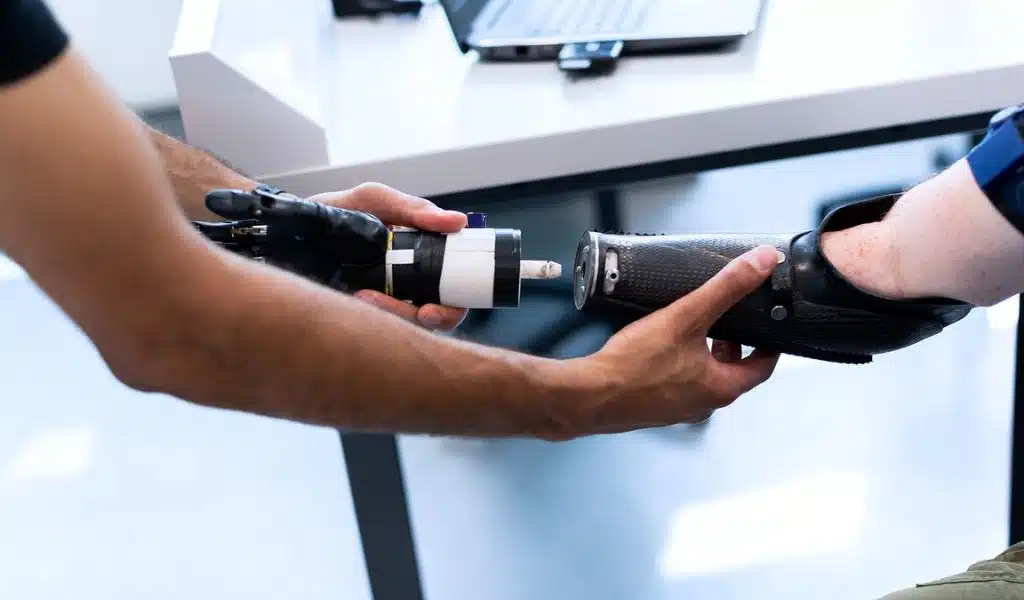
Orthotics and prosthetics are two kinds of assistive devices that aid in mobility or movements. People with disabilities, physical impairment, or conditions that make mobility tough use various types of orthotics and prosthetics for a more active life.
Any high-quality device from a reputable orthotics and prosthetics company will not only aid in mobility but also be comfortable to wear. These devices also often help in pain alleviation—Especially orthotics.
In this article, we’re going to answer some important questions such as how these devices help, what is the best device for you depending on your impairment or condition, and what are some key considerations to keep in mind when going for orthotics or prosthetics.
How do These Devices Help?
To better understand how these devices can help you, we need to understand the fundamental differences between orthotics and prosthetics and what they do.
- Orthotics are often custom-made assistive devices. These are used for providing support and alignment to body parts such as the feet, ankles, knees, and spine mainly. Typically used to treat musculoskeletal conditions and injuries, these devices alleviate pain and support body function besides improving mobility.
- Prosthetics, on the other hand, are “artificial limbs” or appendages that replace missing body parts. Once set up correctly, they can restore functionality and provide support to people who have lost limbs such as legs and arms. Prosthetics are used by individuals who have congenital disabilities or medical conditions. They’re also used by people who lost a limb in an accident. There are many different types of prosthetics and they help regain mobility to perform everyday tasks by replacing arms, legs, hands, feet, etc.
Both also have some similarities. For once, they are both highly customizable and the fittings need to be fine-tuned to an individual’s unique requirement for maximum benefits and comfort. Orthotics and prosthetics can both require ongoing care and adjustments for optimal functionality.
What’s the Best Device for You?
Your condition and goals determine what’s the best orthotic or prosthetic for you. First of all, you’re recommended to schedule a consultation with a healthcare professional who specializes in orthotics and prosthetics. Only a professional with experience can correctly evaluate your functional limitations.
Here are the most common types of orthotics:
- Ankle foot orthotic brace (AFO)
- Knee orthosis (KO)
- Wrist-hand orthosis (WHO)
- Spinal orthosis (e.g., back brace, scoliosis brace)
- Foot orthotics (e.g., arch supports, shoe inserts)
- Upper extremity orthotics (e.g., finger splints, elbow supports)
- Cervical collar (neck brace)
- Knee immobilizer
And here are the most common types of prosthetics:
- Below-knee (transtibial) prosthetic leg
- Above-knee (transfemoral) prosthetic leg
- Prosthetic foot or ankle
- Prosthetic hand or arm
- Prosthetic finger or toe
- Upper limb prosthetics (e.g., myoelectric arm, body-powered hook)
- Cosmetic or aesthetic prosthetics
- Partial foot or toe prosthetics
Individual needs and medical history also play a role in selecting the right orthotic or prosthetic device. Condition severity, anatomical structure, lifestyle, and intended activity level also play important roles.
As both kinds of devices can be customized to fit your unique requirements, you’ll need to work closely with your healthcare provider to ensure that the device is tailored to your specific measurements. This is important not just because it ensures that the device helps you meet your basic functional and mobility needs, but also because it ensures that the fitting is as comfortable and convenient to use as possible.
For a child, you might want to look into professional pediatric foot orthotics.
Key Considerations
Thinking of going for an orthotic device or prosthetic limb? Let us help you make a more informed decision.
- Everybody has a different and unique need. Considering your specific condition, mobility goals, and even lifestyle requirements is very important to determine the best kind of assistive device for you.
- A qualified professional’s thorough evaluation of your situation is very important before you get orthotic or prosthetic devices. This might involve physical examinations and correctly examining your functional abilities in daily tasks.
- Don’t judge an orthotic device or prosthetic by how it looks, what features it has, or how much it costs. The most important factor is comfort. A higher-quality device that ensures a proper fit is needed for long-term use. Ill-fitting devices can cause significant discomfort and skin irritation. In fact, it’s not rare for ill-fitting assistive devices to further exacerbate your existing condition.
- After functionality and comfort, you should pay attention to how convenient and natural it is when used. Natural movement, proper support, and the ease of getting in and out of it are all important considerations to keep in mind.
- Some devices require periodic adjustments or repairs over time. Take note of the overall maintenance requirements and durability of the device before you make up your mind. The long-term cost and care commitment are both factors that can make or break a deal.
Wrapping Up
From helping you get back on your feet after a serious injury to aiding in everyday mobility, orthotic devices and prosthetic limbs have helped countless people achieve a better quality of life. And the best part is the amazing variety you have in shapes, sizes, types, and features.
There is a right orthotic or prosthetic device for everyone. Whether it’s a knee brace Albuquerque for enhanced mobility or an ankle-foot orthosis device that’s right for you, keep the key considerations in mind and you should be good to go!