Students in rural Australia often face big challenges. Distance from schools and limited resources make learning harder. Many kids miss out on the same educational opportunities as their peers in cities.
Online education is changing this. Virtual classrooms, high-speed internet, and digital tools now help bridge the education gap. Rural students can access quality lessons and learn at their own pace—no matter where they live.
This blog will explore how online learning empowers rural students. It highlights benefits, real solutions, and future innovations to close gaps in remote areas. Keep reading to discover more!
Overcoming Geographic Barriers Through Online Education
Online education connects rural students to quality learning. Virtual classrooms and online courses bring the same curriculum as city schools into remote areas. Students can learn from home without traveling long distances to attend a physical school.
The National Broadband Network improves internet connectivity in remote areas, making virtual learning possible. Programs like the School of the Air help rural children access lessons through live streaming or correspondence courses.
This ensures they get equal opportunities despite their location.
Providing Access to Diverse Learning Resources
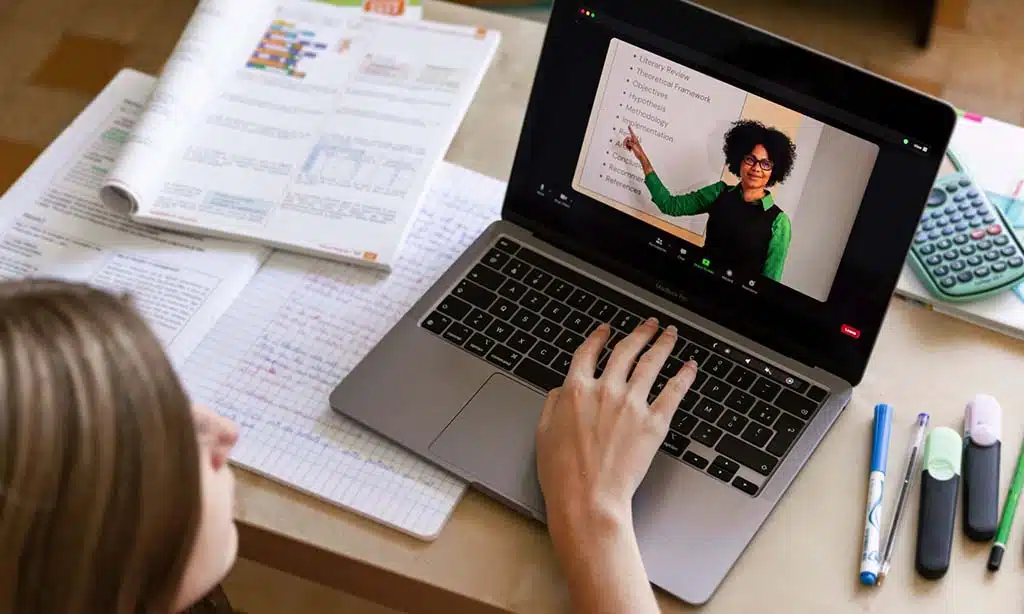
Rural students often face limited school options. Virtual classrooms solve this by offering many learning tools and materials. These include up-to-date textbooks, video lessons, and adaptive learning programs.
Students in remote areas can use digital tools like screen readers or video tutorials to learn at their own pace. Programs such as the national broadband network [nbn] make these resources accessible even in far-off locations.
Access to diverse learning methods helps bridge the education gap between rural and urban communities.
Education is the most powerful weapon you can use to change the world. — Nelson Mandela
Supporting Individualized Learning for Rural Students
Personalized learning helps rural students learn at their own pace. Online education offers tools like virtual classrooms and digital resources. These tools adjust to the student’s needs, making lessons more engaging and effective.
Learning technologies let students in remote areas access customized materials that match their skills. For example, a student struggling with math can focus on additional practice modules online.
This approach builds confidence and promotes better understanding of subjects, no matter where they live.
Addressing Teacher Shortages in Remote Areas
Teacher shortages in remote areas hurt education quality. Online learning helps fix this problem. Virtual classrooms connect students with qualified teachers far away. Platforms like the School of the Air make lessons possible where no local educators exist.
Digital tools open new opportunities for rural students. They can take advanced classes or subjects not offered nearby. Distance learning ensures all children have access to a proper curriculum, even with teacher gaps in their towns.
Promoting Inclusivity and Accessibility in Education
Online learning opens doors for rural students. Virtual classrooms give equal access to the same high-quality curriculum as urban schools. Remote education platforms remove barriers caused by distance, allowing all students to participate.
Efforts like the national broadband network [nbn] improve internet connection in remote areas. This helps bridge the digital divide and ensures inclusivity for all learners. Tools like correspondence school and personalized learning promote a supportive learning environment, making sure no one is left behind.
Preparing Students for a Digital-First World
Students in remote areas need digital skills to succeed. Online learning teaches them how to use tools like virtual classrooms and digital resources. These platforms help students access knowledge and build self-learning abilities.
Modern technology excites rural students, making learning more engaging. Using the national broadband network [nbn] ensures they stay connected while gaining vital tech experience.
This prepares them for jobs that rely on computers and the internet.
Challenges of Online Education for Rural Communities
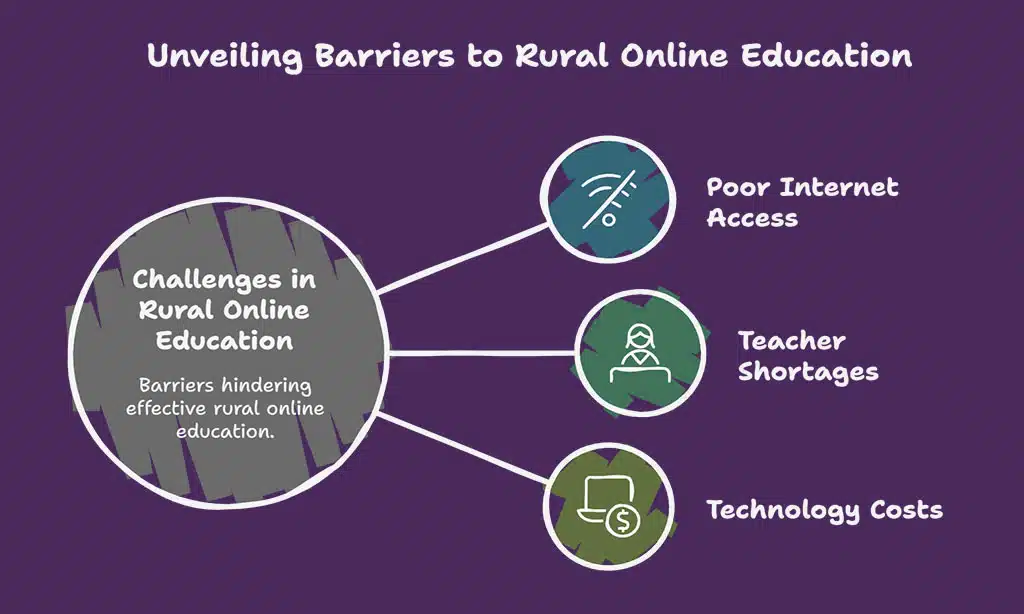
Poor internet access is a big problem in rural areas. Many students rely on the national broadband network [nbn], but connections can be slow or unreliable. This makes it hard to use virtual classrooms or digital tools effectively.
Teacher shortages also hurt online learning for remote students. Without enough qualified teachers, lessons may lack quality guidance. Some families struggle with technology costs too, like buying laptops or tablets needed for remote education.
These barriers leave rural communities behind urban schools in learning opportunities and success rates.
Opportunities to Enhance Online Learning for Remote Students
Expanding the national broadband network [nbn] can improve internet access in remote areas. Faster connections help students join virtual classrooms smoothly and access more digital tools.
Quality online learning becomes possible with stable internet.
More teachers trained for remote learning can reduce teacher shortages. Schools of the Air and similar platforms need skilled, qualified teachers to guide rural students. Better resources also allow personalized learning, meeting each student’s unique needs even in isolated regions.
The Role of Partnerships in Expanding E-Learning Access
Partnerships play a big part in improving online learning for rural and remote students. Schools, governments, and private groups work together to expand e-learning access. The national broadband network [nbn] helps bring fast internet to areas with poor connectivity.
This gives students equal chances to use digital tools and virtual classrooms.
Strong partnerships also address teacher shortages in remote areas. Programs like the school of the air link qualified teachers with students who have limited options nearby. By joining resources, these programs help provide high-quality education no matter where students live.
Innovations Driving the Future of Online Education in Rural Areas
Innovations are shaping online education for students in remote areas. These changes improve access and offer exciting ways to learn.
- Virtual classrooms let rural students join real-time lessons. They can interact with teachers and peers, bridging the distance gap.
- The national broadband network [nbn] gives faster internet to remote areas. It helps schools and homes connect to online learning tools easily.
- Advanced digital tools like video conferencing make learning interactive. Students can see experiments or live lectures without leaving their towns.
- Online platforms offer personalized learning paths. This supports each student’s needs, boosting understanding and skills.
- Virtual labs allow science experiments without physical equipment. Rural schools can teach complex topics with fewer resources.
- Artificial intelligence [AI] helps create adaptive coursework for each learner. AI makes recommendations based on student progress.
- Mobile apps extend learning beyond computers. Students in remote areas can now study through phones or tablets from anywhere.
- Programs like School of the Air connect isolated households to teachers online. It ensures even the farthest regions stay educated.
- Partnerships with tech companies provide modern equipment to struggling schools. These collaborations bring tablets, laptops, and access to reliable software.
- Recorded lessons help students study at their own pace later on, especially where teacher shortages exist.
- Acknowledgment of Country is included in digital lessons, promoting cultural respect and inclusion for Indigenous students in all courses offered statewide or nationally across rural regions.
Takeaways
Online education is changing the way rural students learn in Australia. It removes distance barriers and gives them access to quality lessons and skilled teachers. Digital tools make learning personal, exciting, and full of possibilities.
While challenges remain, better networks like nbn can address gaps for remote areas. This shift is giving every student a chance to succeed, no matter where they live.
FAQs on Online Education for Rural Students in Australia
1. How does online education help students in remote areas?
Online education gives students in remote areas access to virtual classrooms and qualified teachers, even when local schools face teacher shortages.
2. What role does the National Broadband Network [NBN] play in rural education?
The NBN provides fast internet, allowing rural students to use digital tools for online learning and personalized lessons.
3. Can adults benefit from remote education programs?
Yes, adult education is available through online learning platforms, helping people in remote areas gain new skills without needing to travel.
4. What is the School of the Air, and how does it support rural students?
The School of the Air offers virtual classrooms where students in isolated locations can connect with teachers and classmates using modern technology.