Many gamers feel confused about NFTs in gaming and wonder if these digital assets are a real trend or just a passing gimmick. You might ask yourself if paying for virtual goods through blockchain technology really gives you true ownership rights, or if it’s just another flashy way to sell collectibles.
A recent study shows that 56% of Xbox, PlayStation, and PC users are starting to embrace NFT features in their games. This growing interest is changing how people think about buying and selling digital items.
This blog post will help clear up your questions by explaining what NFTs do in online gaming. You will learn how digital collectibles affect ingame economies and player engagement.
Keep reading to see whether NFTs are shaping the future of video games or if they’re only a short-lived hype.
Key Takeaways
- Over half (56%) of Xbox, PlayStation, and PC gamers show interest in NFTs, suggesting a growing trend in digital ownership within gaming.
- NFTs give players true ownership rights over virtual items and let them trade or sell assets using blockchain technology.
- New economic models are forming. Players can earn real money through play-to-earn systems, but critics warn about high entry costs and market risks.
- NFT usage faces heavy criticism for its environmental impact due to energy use from blockchains and worries about unclear legal rules.
- Successful games let users trade NFTs across platforms. However, experts still debate if this is a lasting trend or just a short-term gimmick.
Understanding NFTs in Gaming
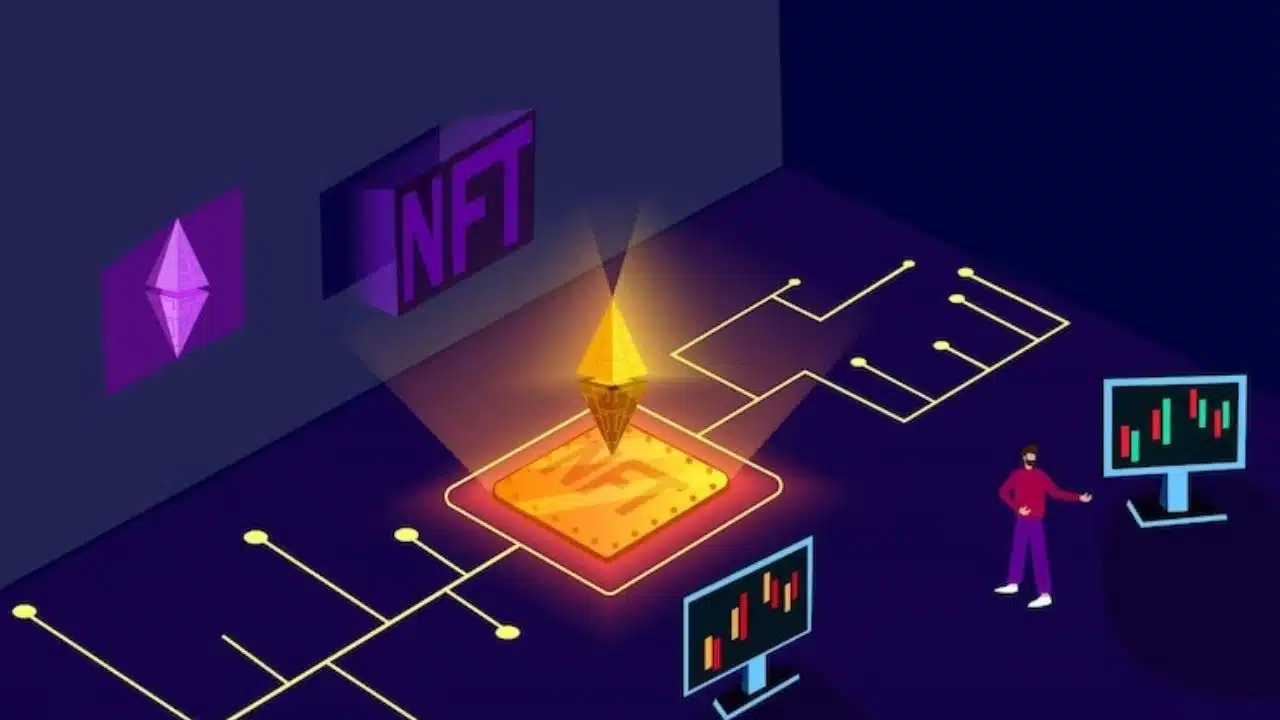
NFTs represent unique digital assets in gaming. They allow players to own and trade items securely on the blockchain.
What are NFTs?
NFTs stand for non-fungible tokens. They are unique digital assets that represent ownership of a specific item or piece of content, often secured through blockchain technology. Unlike cryptocurrencies like Bitcoin, NFTs cannot be exchanged one-for-one because each NFT has distinct values and attributes.
In gaming, players can buy and sell these digital collectibles as virtual goods.
Gamers now have true ownership rights over their ingame items using NFTs. A recent study found that 56% of Xbox, PlayStation, and PC gamers embrace this new trend in online gaming.
NFT games create micro-economies where players can potentially earn money while playing; however, some major video game media outlets criticize this shift. The debate continues about whether NFTs in gaming are a passing gimmick or a lasting development in the industry.
How do they work?
NFTs use blockchain technology to create digital assets. These assets can represent virtual goods, like in-game items or collectibles. Each NFT has a unique identifier that differentiates it from others, ensuring true ownership rights for players.
Gamers buy and sell these NFTs using cryptocurrency.
Digital ownership matters because it gives players control over their ingame economies. Players can trade their NFTs within or outside the game environment. Some games even allow players to earn money through playtoearn models by selling or trading their digital collectibles.
This new approach changes how we think about owning and managing virtual items in gaming, highlighting the potential of NFTs as more than just a gimmick.
The Potential Impact of NFTs on the Gaming Industry
NFTs could change how gamers view ownership. Players may enjoy true digital ownership and access to unique assets.
Digital ownership and asset scarcity
Digital ownership changes the way gamers interact with virtual goods. Players can now claim true ownership of their ingame items through NFTs. This shift empowers gamers to buy, sell, and trade digital assets freely.
Scarcity becomes a factor in this new economy; limited editions of digital collectibles attract attention and value.
The gaming economy is transforming thanks to these unique tokens. A study revealed that 56% of Xbox, PlayStation, and PC gamers embrace NFTs as exciting opportunities for engagement.
While some see them as a trend or gimmick, NFTs definitely introduce a new layer to player ownership rights.
New economic models
NFTs are changing how players earn money in gaming. These digital assets create new economic models. Gamers can trade virtual goods and receive cryptocurrency for their efforts. A study shows 56% of Xbox, PlayStation, and PC gamers embrace NFTs.
They see the potential to make real money while playing games.
Micro-economies will flourish within NFT games. Players can buy, sell, or trade their digital collectibles. This creates a vibrant market where ownership rights matter more than ever.
Gamers participate in engaging ingame economies that reward skill and investment alike. The future remains uncertain as opinions vary on whether these changes represent a trend or just a gimmick.
Interoperability and portability
Interoperability and portability are key benefits of NFTs in gaming. Players can transfer their digital assets across different games. This ability boosts player engagement and creates a richer gaming experience.
For instance, gamers can use the same NFT character or item in multiple titles, adding value to virtual goods. A study shows that 56% of gamers embrace this concept.
This shift paves the way for new economic models within ingame economies. Gamers can earn cryptocurrency by trading their unique digital collectibles with others, creating vibrant micro-economies.
The management of these assets is changing rapidly as players demand true ownership rights over their items. Such advancements spark excitement but also raise questions about the future direction of online gaming and the overall impact on game development efforts.
Challenges and Criticisms of NFTs in Gaming
NFTs face significant challenges in gaming. High entry costs often alienate many players, while market volatility creates uncertainty for investors.
High entry costs
High entry costs pose a significant barrier for many gamers interested in NFTs. Some NFT games require players to spend large amounts of cryptocurrency just to start playing. This can discourage newcomers from participating in these virtual economies.
A study shows that 56% of Xbox, PlayStation, and PC gamers are embracing NFTs despite the financial hurdle.
Gamers worry about overspending on digital assets without guaranteed returns. The volatility of the market adds another layer of risk; game values can fluctuate widely within short periods.
Many critics question whether these high costs truly reflect ownership rights or simply serve as a clever gimmick designed to exploit players’ desires for unique virtual goods.
Market volatility
Market volatility affects NFTs in gaming significantly. Prices can rise and fall quickly, causing concern among players and developers alike. Gamers face uncertainty regarding the value of their digital assets.
A study shows that 56% of gamers embrace NFTs, yet many worry about market fluctuations. This instability makes it hard for game developers to create reliable ingame economies.
High entry costs often deter new players from entering the NFT space. Players invest in cryptocurrency to buy virtual goods, but they might lose money if prices drop. Major video game media outlets criticize these risks; they call into question whether NFTs are a trend or just a gimmick.
Such concerns keep some gamers hesitant about fully engaging with NFT features.
Environmental concerns
NFTs in gaming raise significant environmental concerns. The blockchain technology behind NFTs consumes a large amount of energy, which many find troubling. Critics point out that this high energy consumption contributes to climate change.
Gamers express mixed feelings about these digital assets due to their impact on the environment.
Some reports indicate that NFT platforms have high carbon footprints. As a result, major video game media outlets criticize NFTs for being harmful to the planet. This criticism affects gamers’ sentiments and their willingness to engage with NFTs in gaming.
The debate continues as players weigh ownership rights against environmental costs associated with cryptocurrency and blockchain networks.
The Future of NFTs in Gaming
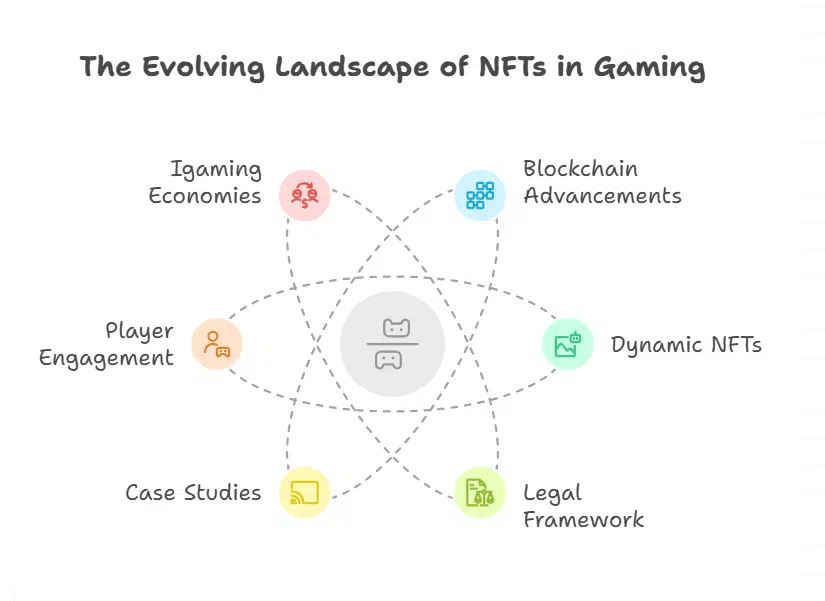
The future of NFTs in gaming looks bright with advancements in blockchain technology paving the way for new possibilities. Gamers can expect dynamic NFTs that evolve based on player actions.
Developers may create a solid legal framework to support this growth. Successful case studies showcase how NFT integration can boost player engagement and reshape igaming economies.
Stay tuned as these developments unfold and revolutionize gaming!
Advancements in blockchain technology
Blockchain technology is transforming gaming. This change allows players to truly own their digital assets. NFTs are a big part of this shift, as they grant ownership rights over virtual items in games.
A study shows that 56% of gamers on platforms like Xbox, PlayStation, and PC accept NFTs. These digital collectibles offer new opportunities in the gaming world.
Games utilizing blockchain can create micro-economies for players to earn money while playing. Many developers explore dynamic NFTs that might evolve based on gameplay or player actions.
As the debate continues about the role of NFTs in gaming, advancements in blockchain will be crucial for future integrations and player engagement.
Potential for dynamic NFTs
Dynamic NFTs can transform how gamers interact with digital assets. These unique tokens evolve based on in-game actions, making them more engaging. Players might level up their digital collectibles or unlock new features through gameplay.
This interactivity could lead to richer ingame economies and encourage player engagement.
Game developers are excited about the potential of dynamic NFTs. A study shows that 56% of Xbox, PlayStation, and PC gamers support NFTs in gaming. As players experience ownership rights over evolving items, they may invest more time and money into games.
NFTs offer opportunities for true ownership in a landscape where virtual goods are becoming increasingly important.
Regulation and legal framework
NFTs in gaming face serious questions about regulation and legal frameworks. Gamers want to know who owns their digital assets and how ownership rights work. Current laws often do not cover NFTs well, creating uncertainty for players and developers alike.
With 56% of gamers embracing NFTs, the stakes are high. Developers need clear guidelines to create stable ingame economies.
Regulatory bodies might step in as more companies explore NFTs. Legal clarity could help alleviate concerns over market volatility and environmental impact. Many critics argue that without proper oversight, NFT games may lead to financial pitfalls for players.
The conversation around regulations continues as the future of these digital collectibles remains uncertain in gaming.
Case studies of successful NFT integration in games
Some games have successfully integrated NFTs, offering new experiences for players. For example, certain titles allow gamers to earn digital collectibles while playing. Players can then trade these assets in marketplaces, creating small economies within the game.
A study found that 56% of Xbox, PlayStation, and PC gamers embrace NFTs.
Another case involves games where players truly own their virtual items through blockchain technology. This model gives players ownership rights over their digital assets. As a result, many see NFT integration as a possible shift in gaming economies.
Despite criticisms from major video game media outlets, NFT-based games continue to attract interest and engagement among some audiences.
FAQs on Are NFTs In Gaming A Trend Or A Gimmick?
1. What are NFTs in online gaming and how do they work as digital assets?
NFTs, or non-fungible tokens, use blockchain technology to create unique digital collectibles in games. Players can own these virtual goods and sometimes trade them using cryptocurrency.
2. Do NFTs give players real ownership rights over their ingame items?
Yes, NFTs grant true ownership rights over digital assets inside the game economy. This means players control their virtual goods outside of the developer’s servers.
3. How do NFTs affect player engagement and ingame economies?
NFTs can boost player engagement by letting gamers earn rewards through play-to-earn models. They also help build new types of trading within ingame economies.
4. Are gamers’ sentiments toward NFT integration mostly positive or negative?
Gamers’ opinions about NFT use in online gaming are mixed; some enjoy owning rare items while others worry about microtransactions and market stability.
5. Is using blockchain technology for tokenization in video games a lasting trend or just a gimmick?
Blockchain-based tokenization has brought innovation to game development and metaverse projects, but its future depends on long-term value beyond hype and quick profits.