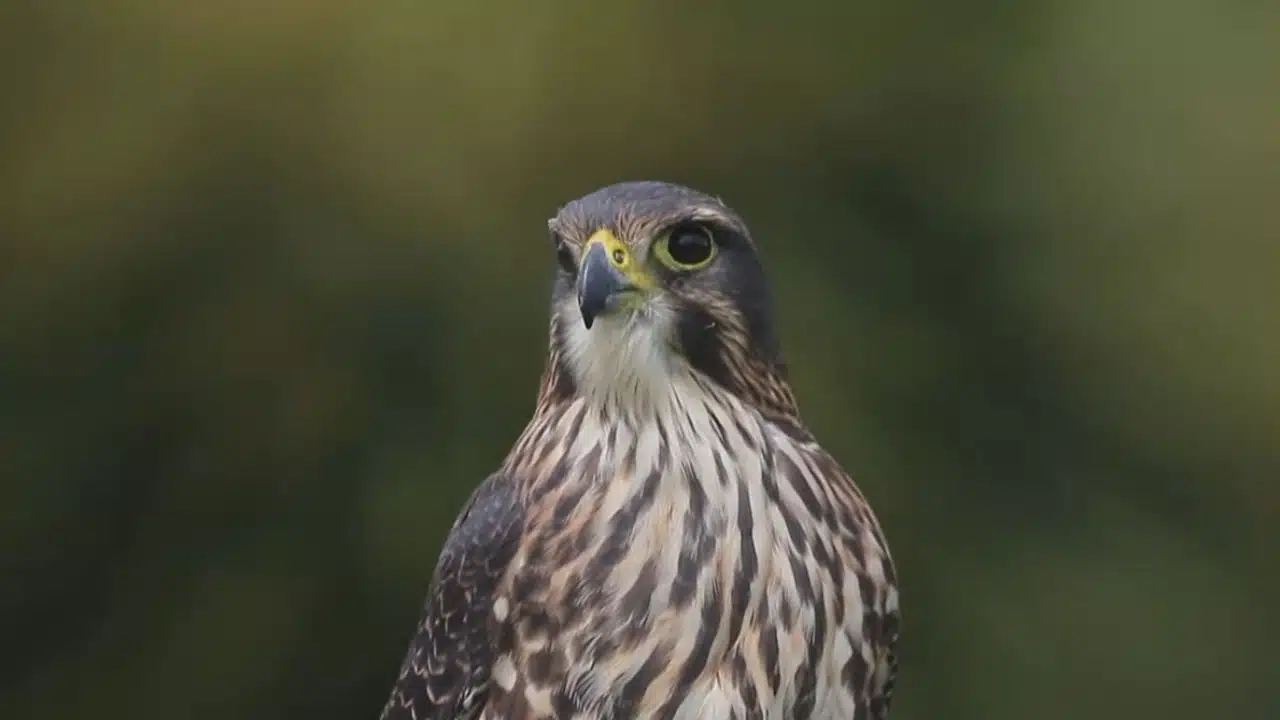
The New Zealand falcon, known in te reo Māori as the kārearea, has soared to victory in this year’s Bird of the Year contest. With more than 21% of valid votes, the fast and fearless raptor beat dozens of rivals to claim the title in the nation’s most hotly debated wildlife competition.
The event, run by Forest & Bird, celebrated its 20th anniversary in 2025 and once again highlighted the urgent plight of many of New Zealand’s unique but endangered bird species.
A High-Speed Predator With Cultural Significance
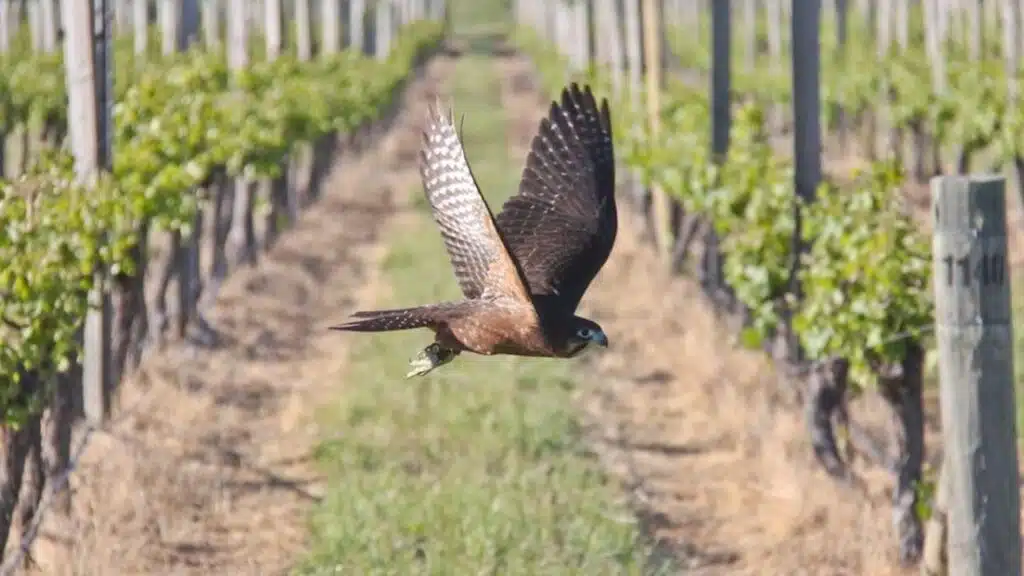
The kārearea is not only admired for its beauty but also its remarkable hunting skills. Capable of diving at speeds of up to 200 km/h, it is one of the fastest creatures in the country. Unlike imported predators, this falcon is truly native to Aotearoa (New Zealand) and is specially adapted to hunt in dense forests and rugged landscapes.
In Māori culture, the kārearea is a symbol of strength and guardianship. Its sharp cry is often described as a protective warning, and it appears in traditional waiata (songs), legends, and carving motifs. Its victory in 2025 ensures that this cultural icon will soon receive a brand-new waiata dedicated to its name, continuing the tradition of linking nature with art.
Population Pressures and Conservation Status
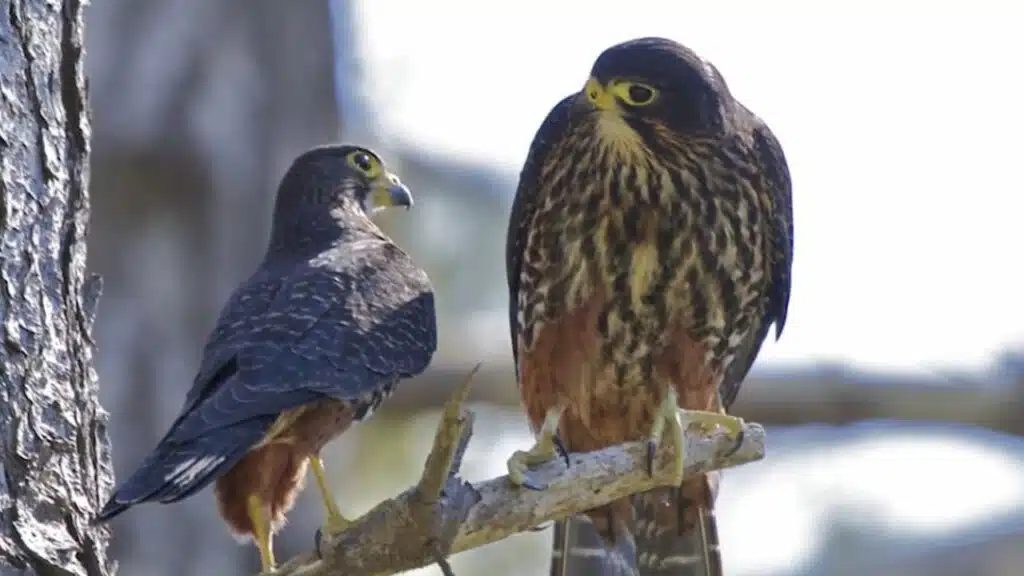
Despite its triumph in the popular vote, the kārearea faces real challenges in the wild. Current population estimates put numbers between 5,000 and 8,000 individuals. Its classification remains in the “At Risk – Recovering” category, meaning that without sustained conservation measures, the population could decline.
The biggest threats include:
- Habitat destruction due to deforestation, land conversion for farming, and urban expansion.
- Predation of eggs and chicks by invasive species like stoats, cats, and hedgehogs.
- Collisions with vehicles and power lines, which claim adult falcons each year.
- Electrocution from power infrastructure in rural and semi-urban landscapes.
Conservationists stress that increased public awareness — and contests like Bird of the Year — play a crucial role in mobilising funding and community support to protect these rare raptors.
A Record-Breaking Competition
This year’s Bird of the Year broke new ground with over 75,000 participants, of which 67,675 votes were officially validated. Support came not only from within New Zealand but also from across the globe, with voters logging in from 123 countries. According to Forest & Bird, around 87% of votes still came from within New Zealand, showing the depth of national pride tied to the event.
A total of 73 bird species were nominated, ranging from those considered relatively stable to others at the brink of extinction. Every bird had a volunteer campaign manager who ran creative election-style campaigns using memes, posters, reels, and debates to make their chosen species stand out.
To celebrate the milestone 20th year, Forest & Bird also launched Birdle NZ, a Wordle-inspired online puzzle game, and announced the upcoming book Bird of the Year: Twenty Years of Ruffled Feathers, chronicling the competition’s controversies and triumphs.
Results: Who Came Close?
While the kārearea was crowned champion, other birds also gained strong public backing:
- Second place: the clever and cheeky kea, with 12,506 votes.
- Third place: the endangered karure (black robin), with 11,726 votes.
- Fourth place: the charismatic but critically endangered kākāpō, often called the world’s fattest parrot, which had 10,792 votes.
Other notable contenders included the takahē, once thought to be extinct but rediscovered in the 1940s, and the ruru (morepork), a haunting native owl with a distinctive call.
The Serious Message Behind the Fun
Although the competition often sparks light-hearted campaigns and memes, conservationists emphasise that its real aim is serious: raising awareness of New Zealand’s biodiversity crisis.
Forest & Bird CEO Nicola Toki pointed out that eight out of the top 10 birds this year are in trouble, either endangered or at risk. She noted that both the kākāpō and the black robin remain in the “nationally critical” category, with fewer than 300 individuals left in the wild.
“Habitat destruction, climate change, and introduced predators continue to push many of our native species towards extinction,” Toki explained. “Public awareness and engagement, however, can drive political will and conservation funding.”
Past Controversies and International Attention
The Bird of the Year contest has gained a reputation not just as a conservation campaign, but also as a source of quirky controversies:
- 2021: A bat was controversially crowned winner, sparking debate about whether non-bird species should be allowed.
- 2022: The kākāpō was removed from the competition after winning twice, to give other species a chance.
- 2023: British comedian John Oliver championed the pūteketeke, dressing up as the bird on his TV show and funding billboards across New Zealand, France, Japan, and the UK. The pūteketeke ultimately won, becoming an international sensation.
- Ongoing allegations of voter fraud, overseas interference, and ballot manipulation have added to the drama — but also heightened attention to the cause.
Such controversies may appear humorous, but they have proven effective in drawing international media coverage, thereby amplifying the conservation message far beyond New Zealand.
Looking Ahead: Falcons and Beyond
By winning the 2025 title, the kārearea not only claims prestige but also a platform. In the coming year, it will feature in education programmes, conservation campaigns, and cultural initiatives, including the launch of its new waiata.
Meanwhile, the competition’s popularity has inspired similar initiatives overseas. Australia, for example, is running its own Bird of the Year 2025 poll this October, aiming to spark the same enthusiasm for local conservation efforts.
For New Zealand, the Bird of the Year continues to be more than just a quirky annual contest — it is a vital tool to remind citizens and the world that conservation is urgent, biodiversity is fragile, and action is needed now.
The Information is Collected from BBC and NBC News.