A groundbreaking experimental pill called enlicitide has shown remarkable promise in slashing “bad” LDL cholesterol levels by up to 60% in patients who don’t respond adequately to standard statin therapies, according to results from a large Phase 3 clinical trial presented at the American Heart Association’s Scientific Sessions.
Developed by pharmaceutical giant Merck, this once-daily oral medication could provide a convenient alternative to existing injectable treatments for millions at high risk of heart disease. The findings, unveiled on November 8, 2025, highlight a potential game-changer in cardiovascular care, though full FDA approval is still pending early next year.
Understanding the Cholesterol Challenge
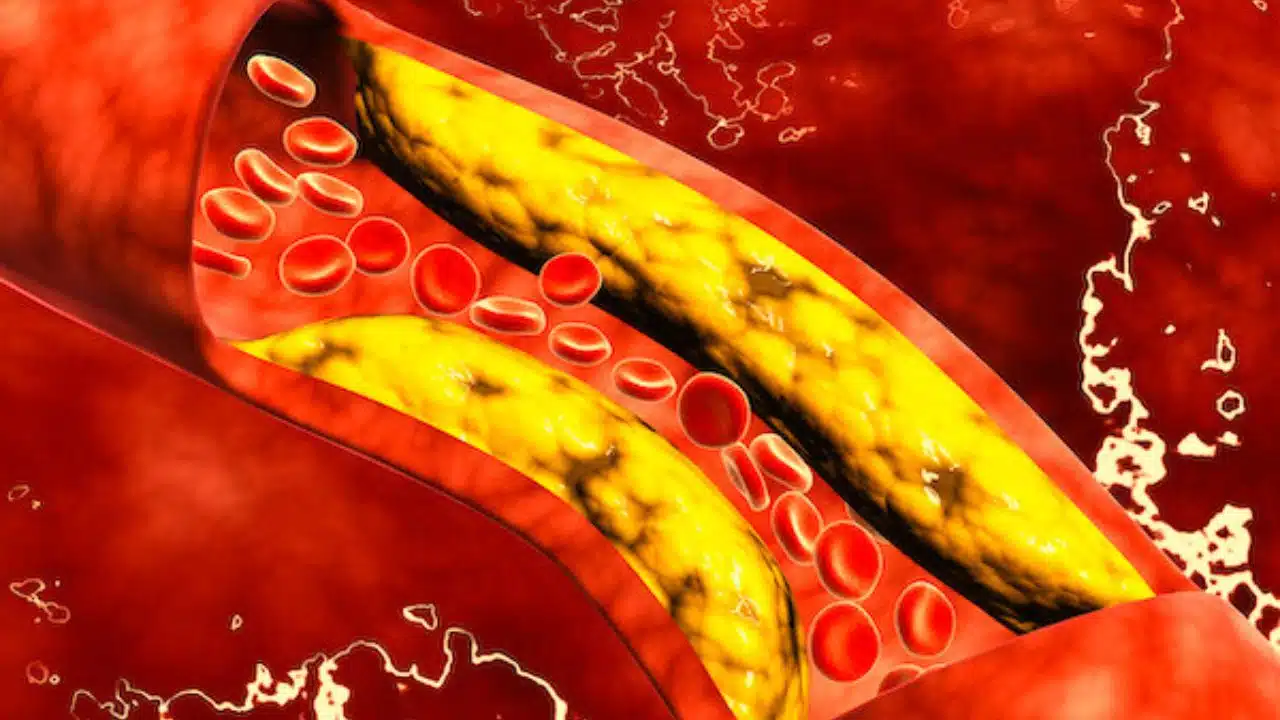
High cholesterol remains a silent killer, contributing to plaque buildup in arteries that heightens the risk of heart attacks, strokes, and other cardiovascular events—the leading cause of death in the United States, claiming a life every 34 seconds. Statins, the go-to drugs for managing LDL cholesterol, work by blocking an enzyme in the liver to help remove excess cholesterol from the blood, but studies show that up to 70% of patients on these therapies fail to reach their target levels, especially those with a history of heart issues or underlying risks like diabetes and obesity.
For these individuals, often numbering in the millions globally, current options like PCSK9 inhibitor injections—such as Amgen’s Repatha—offer additional relief but come with drawbacks like needles and high costs. Enlicitide steps in as a PCSK9 inhibitor in pill form, mimicking the mechanism of these injectables by enhancing the liver’s ability to clear LDL from the bloodstream, but without the hassle of shots.
Key Findings from the Phase 3 Trial
The trial, dubbed CORALreef AddOn, involved 2,912 adults with an average age of 63, all of whom had elevated LDL levels despite at least 30 days on stable statin regimens; nearly 97% were on statins, and 26% used other add-on therapies. Participants, recruited from 14 countries between August 2023 and 2025, included those with prior heart attacks, strokes, or at intermediate-to-high risk for future events due to factors like excess weight or peripheral artery disease.
Over 24 weeks, those taking 150 mg of enlicitide daily alongside their usual treatments saw LDL cholesterol plummet by 60% on average, compared to minimal changes in the placebo group. These reductions held steady through 52 weeks, with additional benefits including a 53% drop in non-HDL cholesterol, a 40% reduction in ApoB (a protein that ferries “bad” fats), and a 28% decrease in lipoprotein(a), a particularly stubborn cholesterol variant linked to heart risks.
Dr. Puja Banka, Merck’s vice president of global clinical research, emphasized the drug’s additive power: “We aimed to demonstrate the additional benefits enlicitide can provide alongside statins, especially since so many patients don’t meet their goals with lipid-lowering therapies alone.” Independent experts, like cardiologist Dr. Kristen Newby from Duke University School of Medicine, echoed this, noting that combining enlicitide’s unique mechanism with statins logically amplifies cholesterol clearance without overlapping side effects.
Safety Profile and Side Effects
Safety data from the trial painted a reassuring picture, with serious adverse events occurring in about 10% of enlicitide users—similar to the 12% in the placebo group—and no standout issues tied specifically to the drug. Common complaints, such as gastrointestinal discomfort and minor infections, appeared at comparable rates across both arms, suggesting enlicitide’s tolerability matches that of a sugar pill.
While long-term effects will require further scrutiny through post-approval monitoring, Dr. Newby, who serves on the American Heart Association’s scientific council, called the profile “reasonable,” adding that larger outcome studies are essential to catch any rare reactions. Merck’s broader CORALreef program, encompassing over 19,000 participants across multiple Phase 3 trials, reinforces this safety signal, including benefits for those with familial hypercholesterolemia.
Implications for Patients and Future of Treatment
If approved, enlicitide could transform care for statin-unresponsive patients by offering an affordable, needle-free option that rivals injectables like Repatha, which recently showed a 25% reduction in major cardiac events in a separate study. Merck plans to submit its FDA application in early 2026, potentially making this pill available within a year, and a massive ongoing trial of over 14,500 people will test whether these cholesterol drops translate to fewer heart attacks and strokes.
For the estimated half of statin users who abandon treatment within two years due to inefficacy or adherence issues, this development signals real progress in the fight against heart disease. As cardiovascular risks continue to rise amid modern lifestyles, innovations like enlicitide underscore the value of personalized, multi-drug approaches to keep arteries clear and lives on track.