Have you ever watched the Naruto anime and wondered why the main character feels so real, yet something seems off from the manga version? Many fans struggle to grasp how the original “Naruto Uzumaki In The Manga” shaped his wild spirit, especially when adaptations soften the edges.
Masashi Kishimoto poured his own sense of isolation into Naruto, drawing from times he felt like an outsider in his own life.
This blog post breaks down the manga’s key arcs, traits, and themes to show you exactly how the source material built Naruto into the hero we love. Stick around for the full story.
Crafting Naruto Uzumaki in The Manga
Masashi Kishimoto pulled ideas from Japanese myths and his own wild childhood to spark Naruto’s creation, like blending a fox’s cunning with a kid’s endless energy. Over time, Naruto’s look shifted from rough sketches to that bold orange jumpsuit, capturing his fiery spirit and making fans root for him right away.
Origins and Inspirations
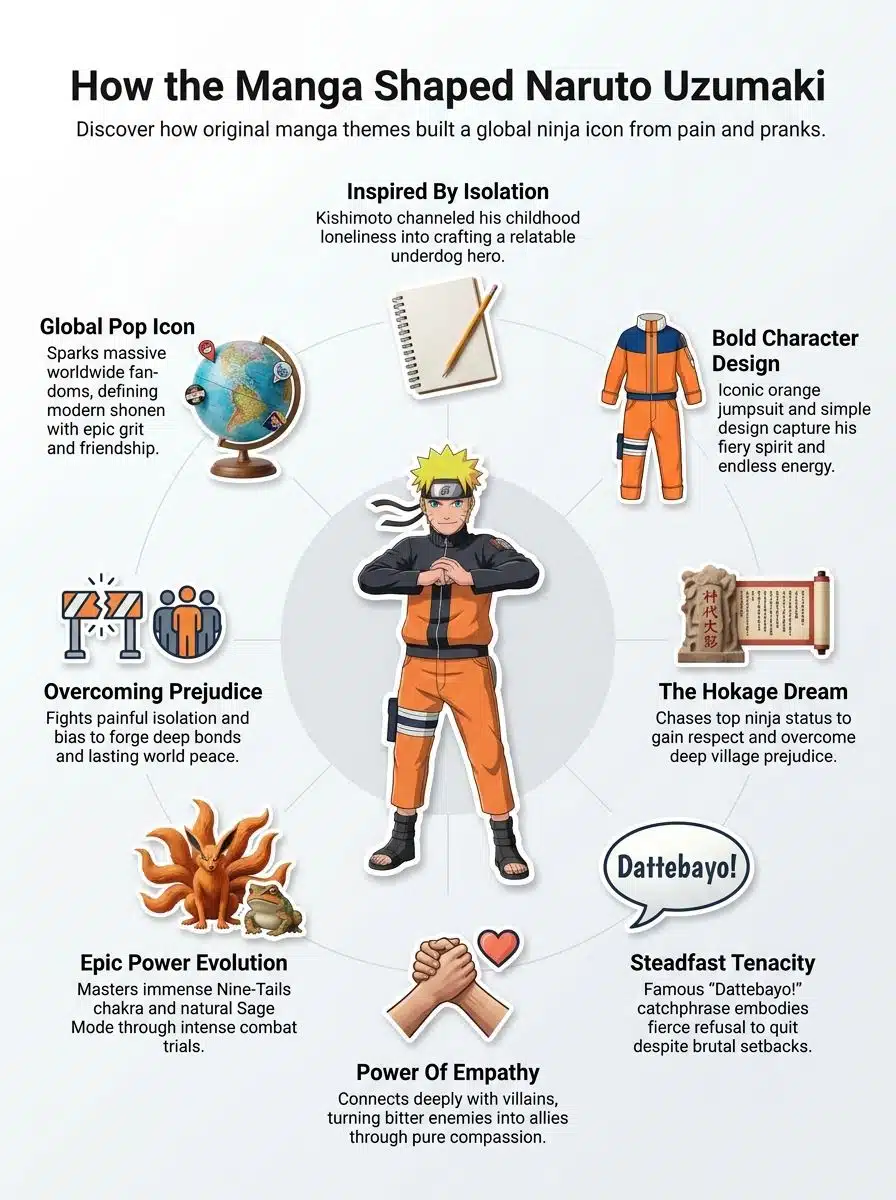
Kishimoto drew from his own life to shape Naruto. He poured his sense of isolation into the character. Naruto starts as an outcast in his village, craving acceptance from everyone around him.
This setup hits home for many folks who feel alone, you know? Picture a kid full of energy, yet pushed aside; that’s Naruto, fighting for a spot in the world. Creators often pull from personal pain to craft heroes like this.
Naruto’s design keeps him simple and relatable, especially for younger fans. Kishimoto aimed for a “simple and stupid” hero, someone easy to root for amid all the growth and heroism.
Dattebayo! – Naruto’s catchphrase that screams his endless determination.
Folklore plays a big role in Naruto’s origins, too. The Nine-Tails fox, Kurama, comes straight from Japanese kitsune tales. This beast inside Naruto stands for inner demons that turn into real strength over time.
Think about it, like taming a wild storm in your gut. Naruto’s path shows transformation at its core, blending empathy and redemption with those around him. Relationships fuel his journey, pushing against prejudice and violence in the manga’s brutal world.
Determination shines through every prank and battle, making Naruto’s story one of pure grit.
Character Design Evolution
Building on those origins and inspirations, Naruto’s design changed over time to show his growth. Masashi Kishimoto drew from his own isolation to shape Naruto’s character. He made Naruto loud and full of pranks on the outside.
This hid his deep loneliness. Naruto craved acknowledgment from others. Think of it like a kid yelling to get noticed in a crowded room. His catchphrase, “Dattebayo!”, captured that never-give-up spirit. It showed his determination loud and clear.
Kishimoto called Naruto a “simple and stupid” hero. This helped young readers connect. It allowed for real character development and growth. Naruto’s empathy shone through in themes of redemption.
He helped redeem folks like Gaara and Zabuza. His evolution was pulled from Goku in Dragon Ball. It mixed cheer with serious narrative elements. The manga’s harsh, violent world raised the stakes.
This differed from the anime. Naruto faced adversity and isolation head-on. His journey built empathy amid all that struggle.
Naruto’s Central Role in the Manga
Naruto bursts onto the scene as a loud, lonely kid in the Hidden Leaf Village, dreaming big despite everyone ignoring him. His wild drive to become Hokage, the top ninja leader, pulls you right into the story’s heart, making you root for this underdog from page one.
Introduction to Naruto Uzumaki
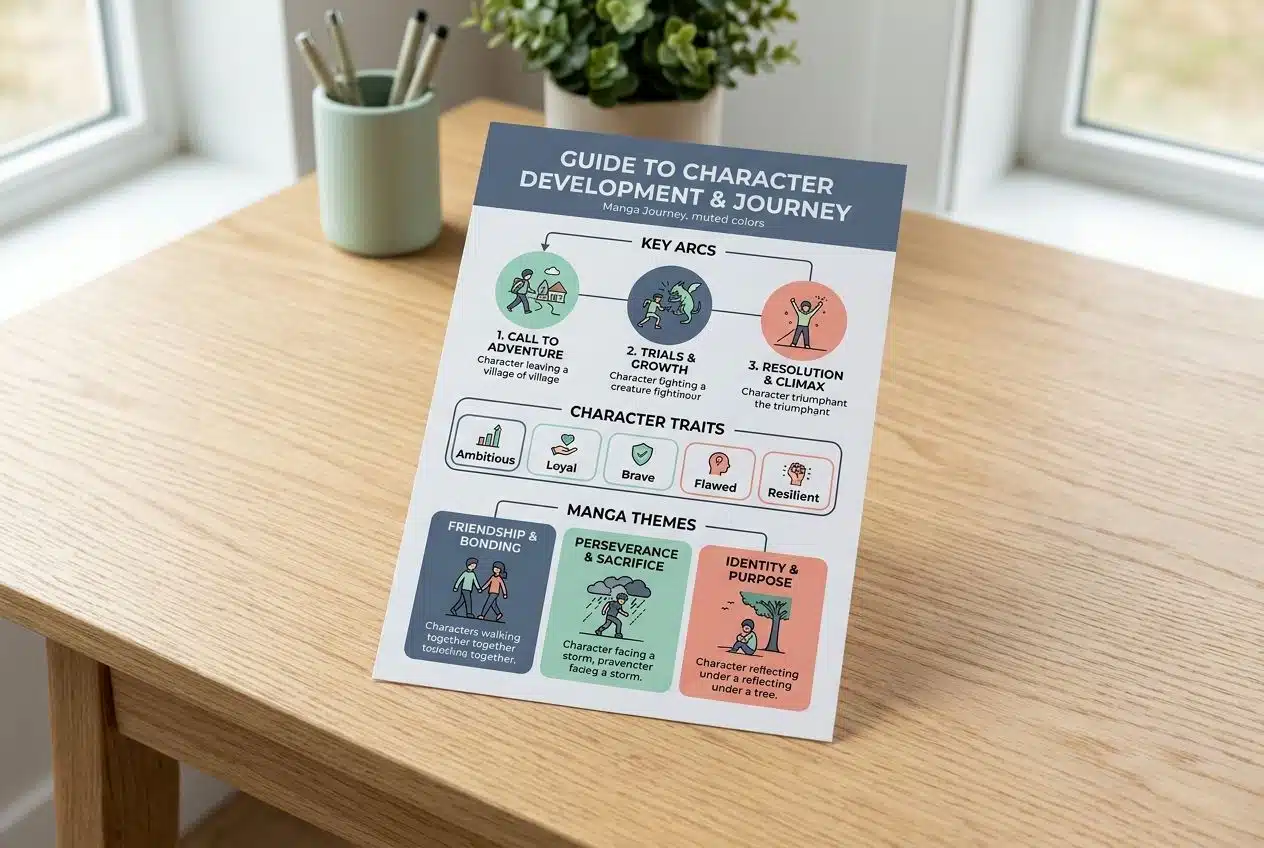
Masashi Kishimoto created Naruto Uzumaki based on his own experiences with isolation. This choice sets Naruto apart from typical brooding protagonists in manga. Readers see Naruto start as an outcast in the village, full of pranks and an extroverted personality.
He craves acknowledgment, you know, like a kid yelling for attention in a crowded room. Isolation fuels his drive, pushing him toward transformation and growth. Kishimoto mirrors his feelings in Naruto’s quest, making the character relatable and real.
Determination shines through in Naruto’s catchphrase, “Dattebayo!”, a fun way to show he never backs down from challenges.
The manga shows Naruto’s central role as he evolves into a compassionate leader with strong empathy. He confronts internal struggles and external foes head-on, building resilience along the way.
Themes of redemption appear in his relationships, even with antagonists, highlighting his caring side. Fans notice key differences from the anime, like more violence and deeper emotional struggles in the manga. A concise narrative keeps the story tight, focusing on Naruto’s path to leadership and mutual understanding.
Dattebayo! – Naruto Uzumaki, embodying his unwavering determination to face obstacles.
Read more about the Tale of Naruto Uzumaki here.
Ambition to Achieve Hokage Status
Naruto’s ambition to become Hokage fuels his entire journey in the manga. He starts as an outcast kid in the Hidden Leaf Village, dreaming of leadership to earn respect. This goal pushes his heroism and growth, turning obstacles into chances for strength.
Picture a boy yelling his aspirations from rooftops, refusing to quit despite endless conflicts. His determination builds deep friendships that shape his legacy.
Critics often praise how this drive highlights themes of perseverance. Fans love seeing Naruto chase peace through sheer willpower. His path from prankster to potential leader inspires readers everywhere. These ambitions reveal more about his core personality, so let’s explore Naruto’s defining traits next.
Defining Traits of Naruto Uzumaki
Naruto charges forward with a spirit that refuses to break, turning every setback into fuel for his fire. His goofy pranks light up the village, yet they mask a deep empathy that draws people close, like a magnet pulling in lost souls.
Steadfastness and Tenacity
Fans love how Naruto Uzumaki’s character exemplifies steadfastness through his journey from outcast to leader. His unwavering determination shines in that famous catchphrase, “Dattebayo!”, which pumps up every scene.
Imagine this kid facing loneliness head-on; his tenacity pushes him to chase acknowledgment and real connections, like a lone wolf finding his pack. Kishimoto packs in classic shonen tropes, you know, stressing Naruto’s inner strength and tenacity against inner demons like the Nine-Tails.
That resilience helps him overcome formidable challenges in a complicated, violent ninja world, turning tough breaks into triumphs.
He demonstrates steadfastness by empathizing with former adversaries like Gaara and Zabuza, showcasing growth and redemption that hits home. Naruto’s character arc breaks from typical protagonists, emphasizing steadfastness in the face of adversity, with heaps of perseverance and empathy.
His leadership blooms from that raw determination, proving that strength comes from overcoming prejudice and pain. Readers, it’s like watching a seed grow into a mighty tree, full of resilience and heart.
Playfulness and Pranks
Naruto’s pranks show his deep need for acknowledgment. They mask his loneliness in a clever way. Picture him painting the Hokage faces; that’s pure mischief born from isolation. His loud behavior acts as a coping tool against feeling alone.
You see, Naruto shouts “Dattebayo!” to tie his playful nature with sheer determination. These antics symbolize his path to gaining recognition and acceptance from the village.
The manga highlights Naruto’s playful side to show his growth and the value of friendship. This contrasts with dark themes, revealing his character’s complexity. His pranks, like a fox in the henhouse, add layers to his journey. They turn pain into bonds that last. Now, let’s explore his caring and understanding nature.
Read more about “Naruto Uzumaki Chronicles” here.
Caring and Understanding Nature
Naruto Uzumaki starts as an outcast in the manga. He grows into a compassionate leader. This shift shows his deep caring nature. Think of him like a friend who always sees the good in people, even foes.
The story stresses redemption through empathy. Naruto connects with antagonists and redeems them. His early life craves acknowledgment. That need highlights his understanding side.
Relationships with key characters drive his growth. They build strength through bonds and understanding. Kishimoto draws from his own isolation to shape these compassionate traits. Naruto’s multi-dimensionality shines in a harsh world. He cares for others amid chaos.
Determination fuels Naruto’s actions. “Dattebayo!” symbolizes that drive. It stems from his caring for people around him. Empathy lets him lead with compassion. He turns isolation into strong bonds.
Growth comes from these connections. Leadership emerges as he redeems others. Compassion guides his path. Readers see this in his quests for acknowledgment. Bonds form the heart of his story.
Naruto’s Development Across Major Manga Arcs
Watch Naruto transform from a lonely prankster into a true leader, arc by arc, as battles test his spirit like a forge tempers steel. You feel his pain and triumphs, right there with him, making each twist a hook that pulls you deeper into the story.
Adventure in the Land of Waves
Naruto steps into his first big mission in the Land of Waves arc, facing real danger that tests his grit. He meets Zabuza, a tough ninja with a huge sword, and Haku, who hides deep pain behind a calm mask.
This story arc throws Naruto into tough fights, pushing him to grow as a ninja and a friend. Picture him charging ahead with his endless energy, learning that true strength comes from protecting others, not just winning battles.
Through these challenges, Naruto’s character growth shines bright. He transforms from a lone prankster into someone who understands teamwork and loss. Conflicts with Zabuza force him to dig deep, finding resolve that shapes his journey ahead.
Challenges of the Chūnin Exams
Picture Naruto diving headfirst into the ninja trials that test every bit of his grit. These exams push young shinobi through intense skill assessments, where battle strategy becomes key to survival.
Team dynamics play a huge role; Naruto learns to sync up with Sakura and Sasuke, turning rivalry into strength. He faces tough foes that demand quick conflict resolution, like outsmarting traps or clashing in one-on-one fights.
Personal development shines here, as mentorship from Kakashi guides him to harness his wild energy. Hey, it’s like a pressure cooker for character growth, forcing Naruto to think on his feet and grow up fast. Such trials reveal Naruto’s tenacity, but they pale compared to the raw struggle during Pain’s Assault.
Struggle during Pain’s Assault
Naruto faces intense adversity when Pain assaults the village. He battles through trials that test his resilience and perseverance. This conflict pushes his character growth to new heights.
Pain, a powerful foe, destroys much of Konoha, and Naruto rushes back from training. He confronts Pain with raw emotion, channeling his pain into strength. Think of it like a storm that bends the tree but doesn’t break it; Naruto’s journey here shows true overcoming.
His transformation shines as he taps into sage mode for the first time in real combat. Fans love how this arc highlights Naruto’s caring side amid the chaos. He protects friends and seeks understanding, even from enemies. Perseverance defines him as he endures brutal attacks.
The fight sparks deep emotion, revealing his inner conflict with hatred. Naruto’s resilience turns the tide, leading to a pivotal talk with Pain. This moment marks huge character growth on his journey to peace.
Explore “Naruto Uzumaki in Shippuden” here.
Heroics in the Fourth Shinobi World War
The Fourth Shinobi World War throws Naruto into a massive conflict. He faces off against powerful foes like Madara and Obito. Think of it as the ultimate test, where battles rage across the land.
His growth shines through smart strategy and sheer resilience. Allies join him in a teamwork that turns the tide. Sacrifices pile up, but Naruto pushes forward with an unyielding spirit.
Characters develop deep bonds amid the chaos. He taps into new powers, like his bond with Kurama, to protect everyone.
Fans love how this arc shows Naruto’s legacy. His heroics inspire peace after endless fights. Growth happens fast, from lone fighter to true leader. Battles demand quick thinking and heart.
Teamwork saves the day more than once. Resilience keeps him going, even when odds stack against him. This war cements his path to Hokage, full of epic moments that stick with you.
Evolution of Naruto’s Abilities
Naruto starts with raw chakra and basic moves, but he pushes limits, building strength that turns heads in every fight. Watch him master jinchūriki forms and sage arts, evolving into a powerhouse that keeps you hooked for the next arc.
Enhancing Chakra and Physical Skills
Naruto builds his chakra reserves through tough training sessions. He starts as a young ninja with wild energy. Picture him sweating it out, pushing limits like a kid chasing dreams.
Teachers guide him to control that inner power. He mixes hard work with smart strategies in combat. This boosts his skills fast. Ninjas around him notice the change. His abilities grow stronger with each fight.
He honed physical techniques to match his chakra flow. Think of it as sharpening a blade for battle. Reps and drills turn weakness into strength. Energy surges help him outlast foes. Evolution comes from real tests, not just practice. Next up, explore his wild transformations as a Jinchūriki.
Transformations as a Jinchūriki
Picture Naruto as a host for a massive tailed beast. He carries the Nine-Tails inside him, a jinchūriki from birth. This bond sparks wild transformations. Early on, anger triggers partial changes.
Red chakra bursts out, boosting his power like a raging storm. Fans love these moments, don’t you? They show his inner struggle. Over time, he learns control. Full transformations unlock insane abilities.
Think about the speed and strength gains. Naruto taps into the tailed beast’s energy, evolving as a ninja. Sage Mode mixes in later, blending natural spiritual energy with chakra. What a combo, right? His evolution feels epic, step by step.
Control grows through tough battles. Naruto trains hard to sync with the beast. Partial forms give way to complete ones. Imagine the cloak of chakra shielding him. Power surges, healing kicks in fast.
He accesses new ninjutsu techniques. Spiritual energy from Sage Mode amps it up further. Think of those massive Rasengan attacks. Evolution happens arc by arc. Abilities expand, making him a top ninja. Tailed beast bombs become his ace. You see the growth, raw and real.
Advancement in Ninjutsu and Senjutsu Techniques
Naruto starts with basic chakra techniques, but he grows fast. He masters combat skills like taijutsu for close fights. Think of him dodging punches with quick moves, like a fox in a chase.
Elemental manipulation becomes his strength, especially with wind-style jutsu. His training regimen pushes limits, mixing sweat and grit. Stealth techniques help him sneak up on foes.
He blends spiritual energy into attacks, making them stronger. Fans love how he turns pranks into strategic combat wins. Genjutsu tricks enemies, but Naruto prefers direct hits.
Over time, senjutsu boosts his ninjutsu to new levels. He taps into nature’s power, like a tree drawing from the soil. Martial arts blend with chakra for epic battles. Picture his sage mode eyes, glowing with focus.
He hones these skills through tough fights, always adapting. Empathy shines when he shares techniques with friends. Humor pops up in his goofy training fails, yet he succeeds. This evolution shows Naruto’s heart drives his power.
Influential Themes in the Naruto Manga
Naruto’s story hits hard on fighting loneliness and prejudice, like a lone wolf finding his pack in the toughest spots. His push for peace and understanding feels like chasing a rainbow after a storm, pulling you in to see how it all unfolds in the arcs ahead.
Battles against Loneliness and Prejudice
Naruto fights hard against alienation and isolation in the manga. Masashi Kishimoto draws from his own experiences with isolation to shape this theme of loneliness. Readers see Naruto as an outcast, pushed away by a village full of prejudice.
He craves acceptance, and his catchphrase “Dattebayo!” shouts out his resilience to beat that loneliness. Imagine him, this “simple and stupid” hero, turning prejudice into a chance for growth, you know? Empathy drives his redemption, like in his bond with Gaara, another kid on the edges.
The story explores the brutal side of the ninja world, where prejudice and loneliness hit hard. Naruto battles his inner demons, the Nine-Tails, and flips that isolation into real strength.
Connections form through understanding, sparking themes of empathy and redemption. Fans feel that pull to peace, as Naruto builds bridges over old divides.
Quest for Peace and Mutual Understanding
Naruto’s journey starts as an outcast and leads him to become a leader. This path reflects his quest for peace and mutual understanding. You see his determination shine through every challenge.
His catchphrase, “Dattebayo!”, stands as a symbol of hope and resilience. It helps him overcome conflict after conflict. Empathy drives him to connect with former antagonists like Gaara and Zabuza.
Redemption plays a big role in these bonds. The manga shows his emotional struggles in a raw way. These moments highlight how addressing inner turmoil leads to harmony. Picture Naruto facing his pain head-on, like a storm that clears for a brighter day.
Rapid pacing in the manga keeps the story coherent. It focuses on Naruto’s growth toward advocating for peace. Influences on his character stress themes of transformation. These ideas align with the search for mutual understanding.
Simplicity makes him relatable. That trait fosters a message about peace that hits home with younger audiences. Think of it as a seed of hope planted in tough soil, growing into something strong.
Resilience and empathy fuel his quest. They turn old enemies into allies. Growth happens through every trial, building toward true understanding.
Naruto Uzumaki’s Influence on Manga and Pop Culture
Naruto Uzumaki blasts through manga like a whirlwind, sparking fresh waves of shonen tales that echo his grit and heart. Fans cheer his global splash, from cosplay frenzy to deep critiques that hail him as a cultural icon, so keep reading for the full scoop on his epic ripple effect.
Significance and Worldwide Impact
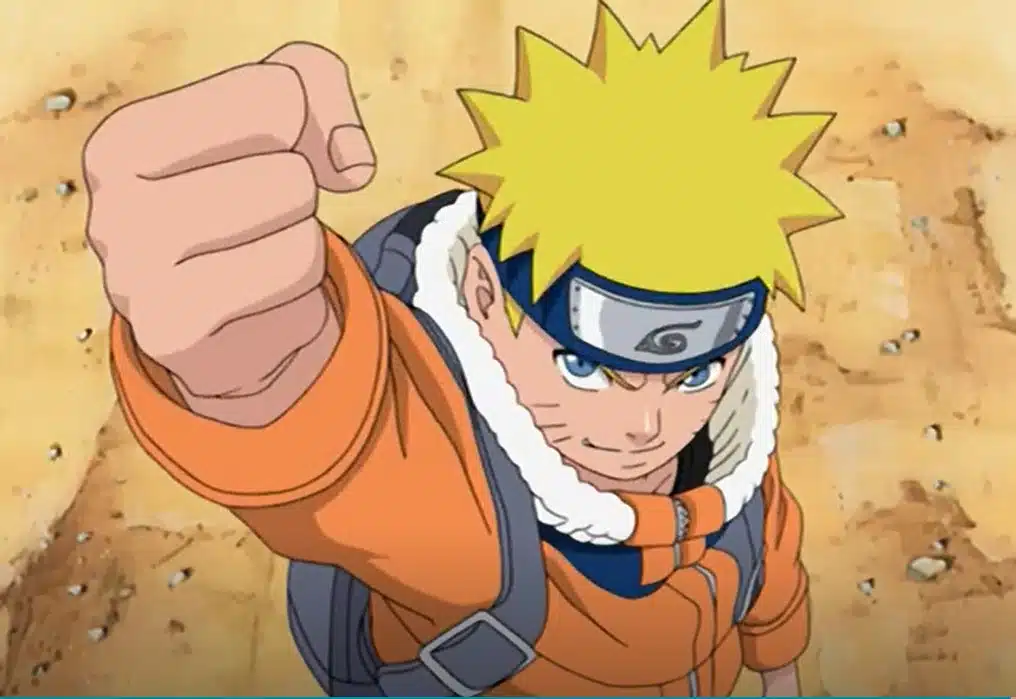
Fans love Naruto Uzumaki for his role as a ninja hero in the shonen manga world. He embodies friendship and adventure, drawing millions into his story. Think of him like that underdog friend who never gives up, inspiring folks everywhere.
His legacy shapes storytelling in anime and manga, making waves across cultures. People from all walks connect with his quest for peace, turning casual readers into die-hard fans.
This impact spreads far, fueling a massive fandom that celebrates ninja tales and heroic journeys. Creators draw from his playbook, crafting new adventures that echo his spirit. You see his influence in global pop culture, from conventions to everyday chats about favorite heroes.
His story proves that one character’s drive can spark worldwide conversations on growth and bonds.
Reviews and Perspectives from Fans and Critics
Building on Naruto’s massive worldwide impact, we now turn to the voices that keep his story alive, from devoted fans to sharp critics who break it down.

| Perspective | Details |
|---|---|
| Fan Appreciation for Relatability | Readers love how Naruto feels real. He mirrors Masashi Kishimoto’s own isolation struggles. This draws people in, makes them nod along. |
| Critic Views on Evolution | Experts point out Naruto’s shift from lonely outcast to strong leader. It packs a punch with themes of redemption and empathy. Think about that journey, right? |
| Catchphrase Resonance | Naruto’s “Dattebayo!” sticks with everyone. It stands for his grit against bias. Audiences cheer it, feel that fire. |
| Appeal of Simple Design | Viewers dig Kishimoto’s take on Naruto as a “simple and stupid” hero. Kids connect fast, laugh at his goofy side. |
| Focus on Relationships | Critics praise how bonds build Naruto’s power. Ties with Jiraiya, Sasuke shine bright. These links hit home and show true strength. |
| Preference for Manga Over Anime | Supporters pick the manga’s deep, intense Naruto version. Anime softens edges too much. Raw layers win out, spark debates. |
| Goku’s Influence | Critics spot Goku’s mark on Naruto. Mix fun dreams with heavy tales. This blend hooks readers and keeps pages turning. |
| Praise for Kurama Representation | People rave about Kurama’s role. It echoes Japanese folklore and growth ideas. Naruto tames that beast, grows with it, and inspires us all. |
Final Words
We explored how Masashi Kishimoto shaped Naruto Uzumaki through personal isolation, playful pranks, and epic growth in the manga. These elements make Naruto’s journey simple to grasp, yet powerful for fans to connect with his steadfast spirit.
His story fights loneliness and seeks peace, showing real change in readers’ views on empathy and strength. Check out the full Naruto manga series or Kishimoto’s interviews for more insights into his inspirations.
Grab that volume, feel Naruto’s fire, and let his never-give-up attitude spark your own adventures.
FAQs on Naruto Uzumaki In The Manga
1. What role did the original manga play in shaping Naruto Uzumaki’s character?
The original manga by Masashi Kishimoto built Naruto as a loud, determined orphan with a fox spirit inside him, you know, like a ticking time bomb of energy. It showed his growth from a lonely kid to a hero, facing rejection head-on. This setup made fans root for him, turning pages like crazy.
2. How does Naruto Uzumaki’s backstory in the manga affect his personality?
In the manga, Naruto’s tough childhood as an outcast fuels his never-give-up attitude. Think of it as a slingshot, pulling him back only to launch him forward with more power.
3. Why is Naruto Uzumaki’s bond with friends key in the original source material?
Those friendships in the manga transform Naruto from a solo prankster into a team player; they teach him trust, like glue holding a broken vase together. Readers feel that empathy, laugh, and cry along the way. It’s what makes his journey so relatable, pulling at your heartstrings.
4. What changes does Naruto Uzumaki go through in the manga series?
Naruto starts as a hyperactive ninja wannabe, but the original material shapes him into a wise leader. Each battle chips away at his impulsiveness, molding him like clay on a potter’s wheel.