
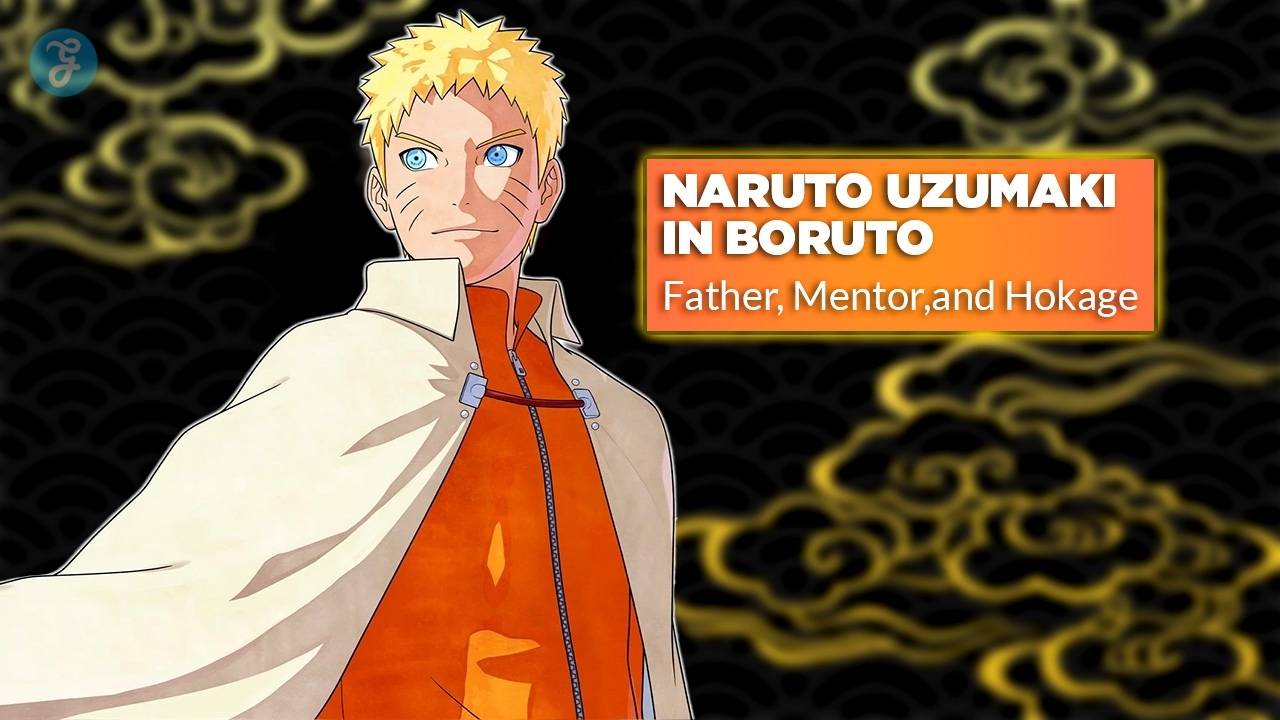
Fans love Naruto Uzumaki, but many wonder how he handles life after his big adventures. In Boruto, he faces real struggles, like balancing his job as Hokage with family time. Readers often feel curious about this shift, especially if they miss the old, wild Naruto. They ask, does fame and duty change him for good?
Naruto turns into the Seventh Hokage in Boruto, yet his absences spark fights with his son, Boruto. This post breaks down Naruto Uzumaki in Boruto as a dad, guide, and hero. It shows ways he grows through tough spots.
Naruto Uzumaki: A Legend in Konoha
Naruto Uzumaki shines as a true legend in Konoha. He steps up as the Seventh Hokage in Boruto: Naruto Next Generations. This role demands that he balance heavy duties with family life. He works hard to keep the peace in the village.
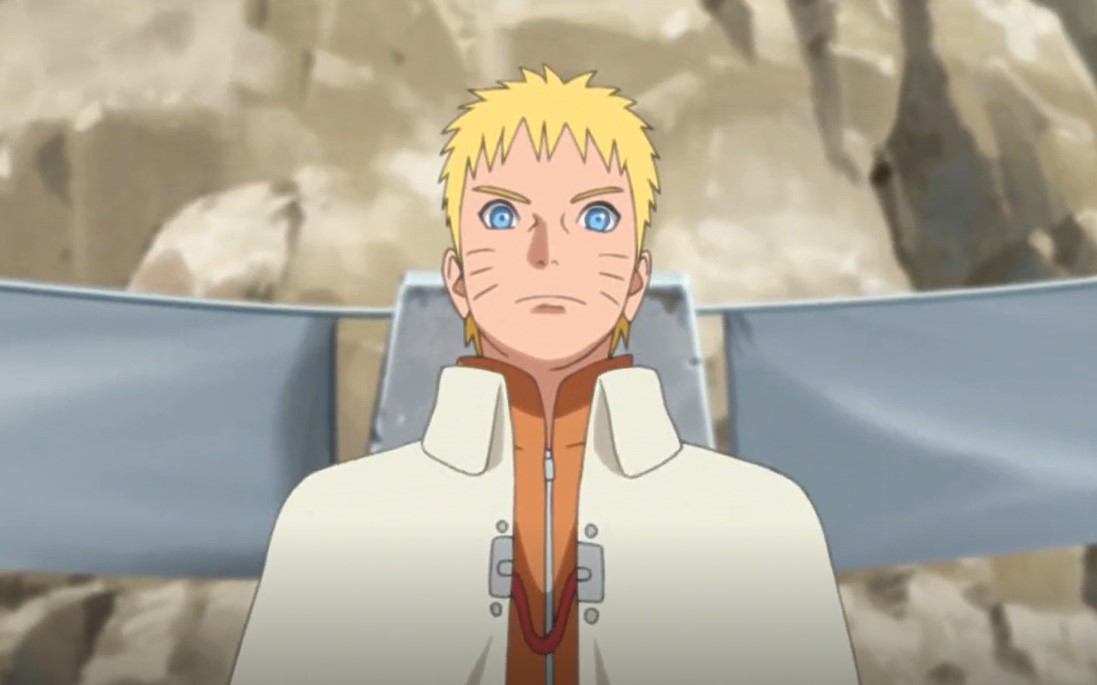
Pressures from being the Hokage wear on his combat skills. New threats from the Otsutsuki Clan test him deeply. Naruto pushes through, like a fox dodging hunters. His story inspires many, you know? In the Two Blue Vortex timeline, Naruto’s ideals keep guiding Boruto.
They shine bright, even as he stays sealed to shield his son from harm. Think about that strength, holding strong against odds.
I’m not gonna run away, I never go back on my word! That’s my nindo: my ninja way.
Naruto’s legend ties right into his life as a dad.
Naruto as a Father
Naruto jumps headfirst into dad life, pouring his wild spirit into every hug and lesson for Boruto and Himawari. He juggles village duties like a pro, turning family chaos into bonds that stick, making you wonder how he pulls it off.
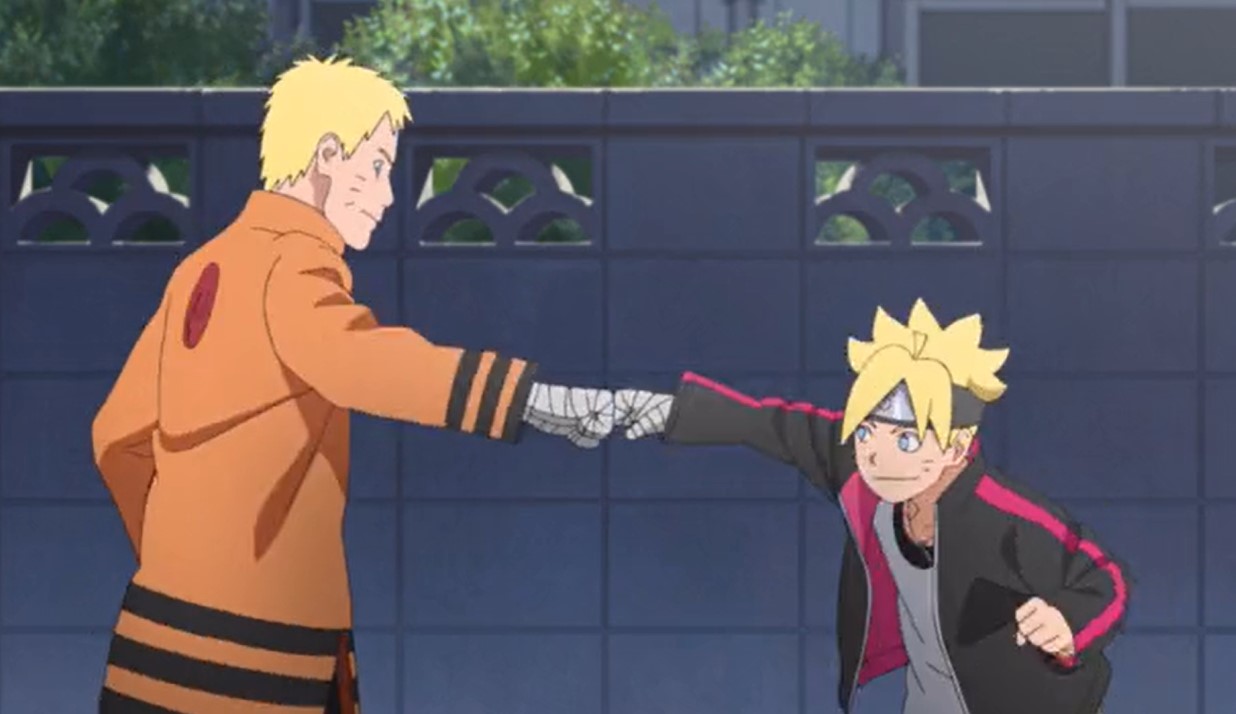
His relationship with Boruto Uzumaki
Hokage duties pull Naruto away from home a lot. They create real emotional challenges for him and Boruto. Absences from big family moments strain their bond, like missing a birthday or two.
He uses shadow clones to fill in, a trick that echoes his own lonely childhood days. Think of it as a band-aid on a deeper cut, trying to patch up that fatherhood gap. Boruto feels the sting of this sacrifice, pushing their family dynamics into rocky territory. Leadership demands so much, yet Naruto pushes for growth in their emotional bond.
Adopting Kawaki shakes things up even more. This move shows Naruto’s big heart for family beyond blood ties. It impacts his ties with Boruto, sparking some jealousy at first. Reconciliation hits after the fierce Momoshiki battle.
That moment highlights how much Naruto’s presence means to his son. He teaches resilience through these ups and downs. Mentorship blends with fatherhood here, full of sacrifice and quiet lessons. Legacy weighs heavily, but their connection grows stronger through it all.
Guiding Himawari Uzumaki
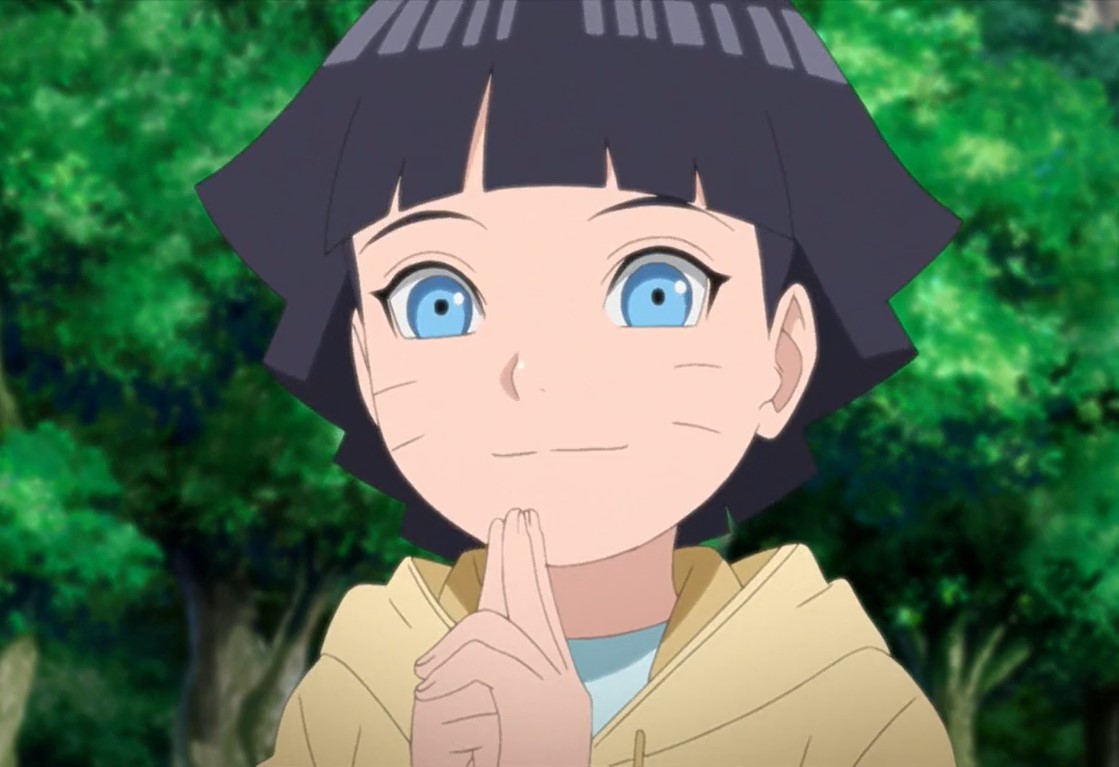
Naruto pours his heart into fatherhood with Himawari, his lively daughter. He nurtures her growth through gentle guidance and playful moments. Picture him teaching her ninja basics, like a dad showing his kid how to ride a bike.
Their relationship shines with warmth, full of hugs and laughter that build strong family ties. Naruto supports her curiosity, helping her explore her powers with patience and love. This parenting style fosters her confidence, turning everyday chats into lessons on resilience.
Fans see Naruto’s mentorship in action as he balances duties, yet he makes time for Himawari’s little adventures. He encourages her dreams, drawing from his own wild youth to offer wisdom.
Think of it as passing a torch, lighting her path with stories of perseverance. Their bond highlights legacy, showing how fatherly support sparks real growth in the next generation. Naruto’s approach blends fun and firmness, creating a nurturing space where Himawari thrives.
Balancing family and Hokage duties
While Naruto guides Himawari with gentle care, he faces tough choices in juggling his family life with his role as the Seventh Hokage. He balances parenthood and leadership, but his deep commitment to Hokage duties often means missing family events.
This sparks tension with Boruto, who feels the sting of absence. Naruto sacrifices personal time for the village’s safety, showing real responsibility in action.
He turns to shadow clones to handle tasks and cut down on those absences, a clever trick from his ninja toolkit. Significant events push him to see the need for more family time, strengthening his influence as a dad.
Fans love this side of his legacy, where commitment and balance clash in funny, heartfelt ways. Think of it like walking a tightrope, one foot in the office, the other at home.
Being Hokage isn’t just about power; it’s about protecting everyone, including my family, Naruto once said, capturing the weight of his dual roles.
Naruto as a Mentor
Naruto as a Mentor: Naruto steps up big time, guiding the young shinobi with hard-won wisdom from his own wild journeys, like teaching Boruto that true strength comes from bonds, not just power.
Supporting the new generation of shinobi
Naruto steps up big time in supporting the new generation of shinobi, like when he mentors Kawaki in ninjutsu. He pulls from his own tough experiences to spark growth and build a safer spot for these young fighters.
Visualize: Naruto, the busy Hokage, still carves out time for hands-on guidance, turning old struggles into fresh lessons on leadership and personal development.
He even shakes up the Chunin Exams, you know, to focus on growth instead of deadly risks. This move captures that “Will of Fire” philosophy, pushing mentorship and training that foster redemption. Naruto’s commitment shapes ideals for everyone, steering Boruto to better choices. His influence on Boruto and his peers shines through in so many ways.
His influence on Boruto and his peers
Fans see how he shapes the young shinobi with his steady hand. He mentors Kawaki, and they bond over shared trauma. This connection lets him teach ninjutsu skills, you know, turning pain into power.
Boruto and his friends feel this influence too, as he pushes personal growth in the reformed Chunin Exams. Those changes focus on building character, not just winning fights. He lives the “Will of Fire” philosophy every day, and it rubs off on them.
Kids learn to value community and protection above all. His take on redemption guides Boruto’s choices with Kawaki, showing that second chances matter.
Think about the leadership he brings, like a guiding light in the dark. Peers pick up on his lessons from past struggles, fostering teamwork and resilience. This mentorship sparks their own journeys, blending empathy with action.
Boruto absorbs these ideals, and it changes how he views the world. Trauma becomes a tool for growth, not a chain. In this way, his influence plants seeds of philosophy that bloom in the next generation.
Lessons drawn from his own struggles
Naruto pulls deep from his past pains to mentor others. He shares hard-earned wisdom with Kawaki, drawing on his own lonely childhood and battles. Think of it like passing a torch through a storm; his philosophy shines bright. This mentorship highlights sacrifice and responsibility, as Naruto’s Hokage role strains his family ties.
His struggles echo in lessons on balance and growth. Emotional pulls tug at his bond with Boruto, yet he uses shadow clones to bridge the gap. Leadership demands cut into his combat edge, forcing tough choices.
Still, Naruto’s ideals ripple out, influencing the village and pushing Boruto toward resilience, even when he’s not around.
The Weight of Being a Legend
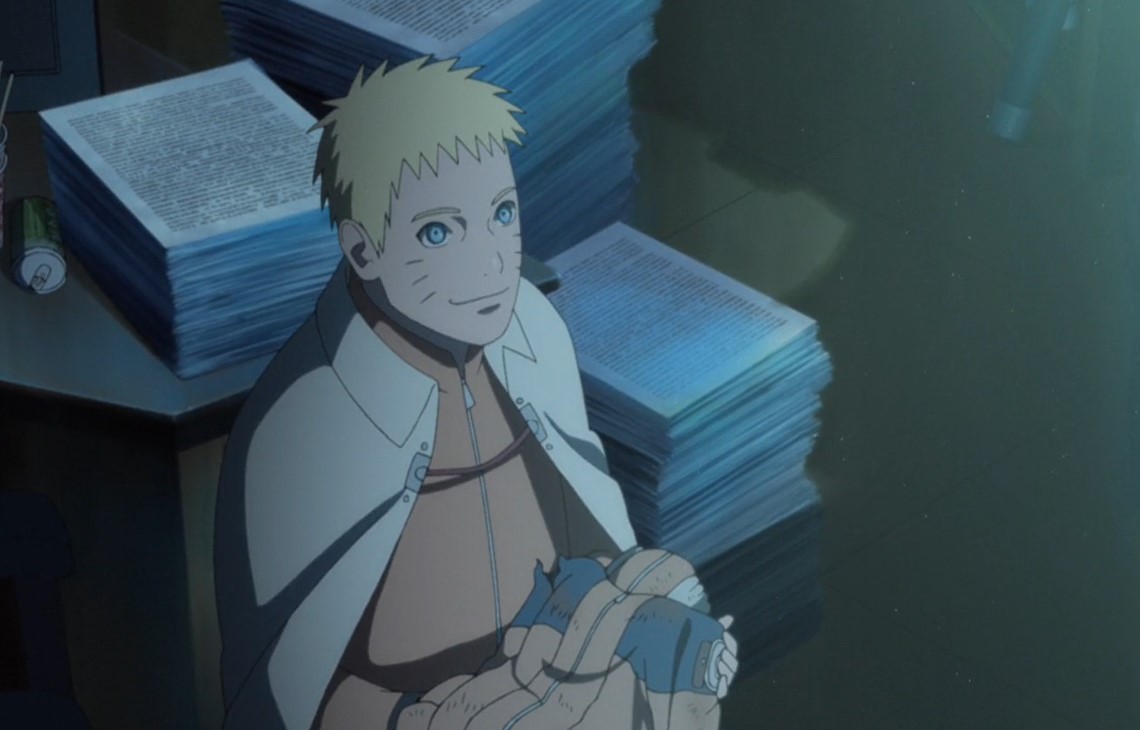
Naruto carries the heavy crown of the Seventh Hokage, you know, always chasing that perfect balance between his heroic past and the endless demands of today. Fans often joke he’s like a walking legend with a target on his back, facing threats that test his spirit, yet he pushes on with that unbreakable grin.
Living up to the legacy of the Seventh Hokage
Fans know the pressure weighs heavily on the Seventh Hokage. He balances Hokage duties with fatherhood and his legendary status. Responsibilities as Hokage strain family ties. He misses big events in his kids’ lives.
His own childhood without parents shapes his parenting struggles. Shadow clones help him juggle tasks, but they fall short. Think of it like a juggling act where balls keep dropping, right? Legacy demands constant vigilance.
He pushes through, embodying resilience and responsibility. Pressure from his status leads to a drop in combat skills. Loss of Kurama shows this decline. He reconciles with Boruto after the Momoshiki battle. Being present matters most, he learns.
As a mentor, he helps Kawaki deal with trauma. The “Will of Fire” philosophy guides them both. In the “Two Blue Vortex” timeline, his legacy drives Boruto’s choices. Values like redemption and resilience shine through. Mentorship builds strong bonds, like a bridge across generations.
Read more about Naruto Uzumaki’s disappearance here.
The burden of protecting Konoha
Naruto Uzumaki carries the heavy burden of protecting Konoha as the Seventh Hokage. Leadership demands constant vigilance, and responsibility weighs on him like a ton of bricks. His duties often cause familial neglect, sparking tension with his son Boruto.
Naruto uses shadow clones to juggle Hokage tasks and fatherhood, but the struggle shows. Think of it as trying to be in two places at once, a ninja trick that highlights his sacrifice.
Mentorship extends to Kawaki, where Naruto works hard to build a safer world for young ninjas. Pressures from his legendary status push his combat skills to the limit in fierce battles.
Balance eludes him, yet his influence endures. Naruto’s ideals shape Boruto’s choices in the “Two Blue Vortex” timeline, even when he’s not around. Legacy lives on through such quiet impacts.
Challenges of being a symbol of hope
That heavy burden of shielding Konoha ties right into the tough spot of standing as a beacon for everyone. People look up to him as this unbreakable symbol of hope, yet the job wears him down.
Pressures from leading as Hokage cut into his fighting strength, a far cry from his peak days. Think about it like carrying the world’s weight on your shoulders; it builds resilience, sure, but at a cost.
Fresh dangers from the Otsutsuki Clan push his limits hard, forcing big sacrifices such as losing Kurama. He faces these conflicts head-on, showing true leadership and responsibility.
In the “Two Blue Vortex” timeline, bad guys seal him away, but his legacy sparks hope in Boruto. His story reminds us all that being a legend demands real sacrifice, you know?
Naruto’s Role in Boruto’s Development
Naruto pushes Boruto to build real grit, turning failures into epic comebacks that echo his own wild youth. He sparks lively debates over old ninja codes versus fresh ideas, turning family spats into gold for growth.
Teaching resilience and teamwork
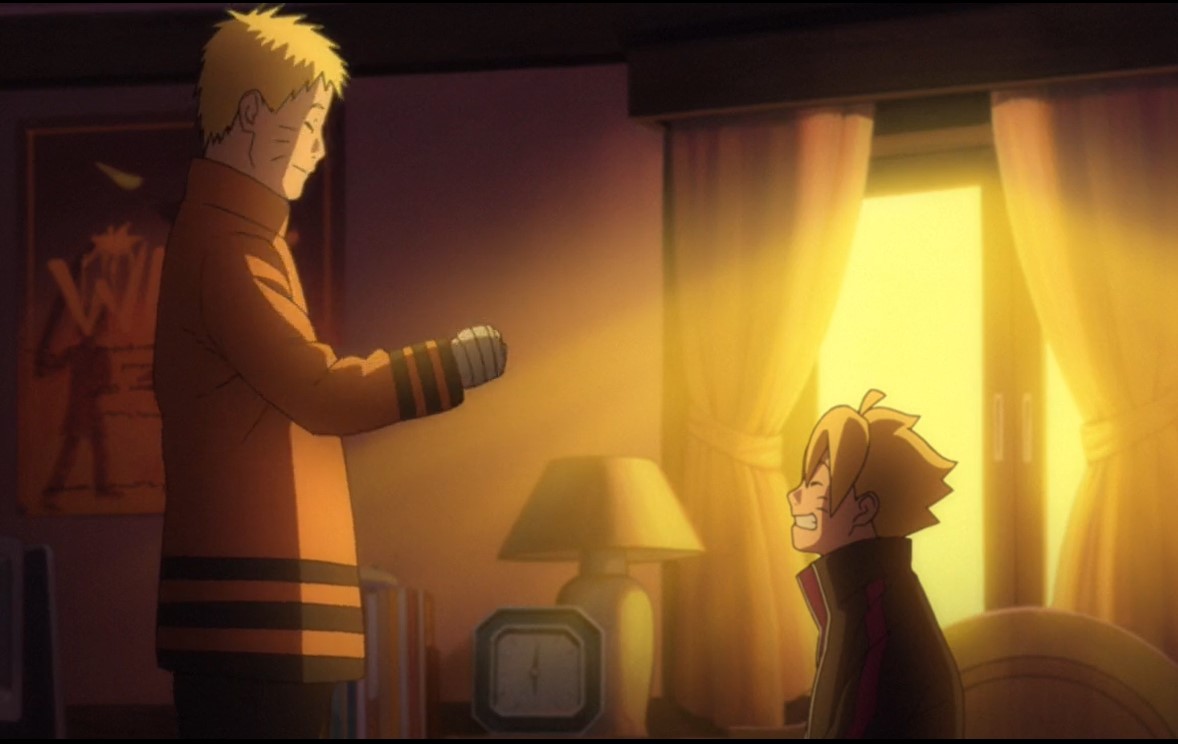
Naruto guides Boruto through tough times with lessons on sticking together. He shows how bouncing back from hard knocks builds true strength.
- His mentorship stresses teamwork to Boruto and Kawaki, drawing from years of facing foes side by side. See it like a well-oiled machine, where everyone pulls their weight. He tells them, “Hey, we win when we fight as one,” making it clear that solo acts often flop. This approach fosters growth and support, turning rivals into allies during chaos.
- The Will of Fire philosophy comes alive in his teachings, spotlighting resilience and mutual aid in rough spots. Think of it as a flame that never dies out, no matter the storm. Boruto learns this directly, seeing how Naruto pushes through pain to help others. It builds responsibility and understanding, key to any young ninja facing big threats.
- Battles from his past let him exemplify resilience, proving you can beat adversity with grit. He shares stories, like dodging traps that seemed impossible, to inspire the kids. “I’ve been down, but I got up every time,” he might say with a grin. This sparks commitment in Boruto, who starts viewing setbacks as stepping stones.
- Efforts to stay close to family, despite Hokage duties, teach Boruto about true commitment to loved ones. It’s like juggling fireballs, yet he makes it work with heart. Boruto sees this and feels the pull to step up, blending family bonds with ninja life. Such lessons drive personal growth and deeper ties.
- Decisions Boruto makes echo Naruto’s ideals, mirroring resilience and teamwork from his dad’s wild experiences. See a kid copying moves that saved the village, but with his own twist. This influence shapes choices in tight spots, promoting support and unity. It highlights philosophy in action, turning theory into real wins.
- Shadow clones show off creative teamwork, helping him juggle tasks without dropping the ball. “Watch this trick,” he’d chuckle, splitting into copies to handle everything. Boruto picks up on it, using similar smarts in his own fights. This boosts resilience, as it teaches adapting under pressure with clever help.
- Relationship ups and downs with Boruto reveal teamwork’s growth via understanding and reconciliation. They clash like thunder, but talk it out to rebuild stronger. “Are we good now?” Naruto asks, sealing the deal with a fist bump. This dynamic nurtures responsibility, showing how empathy turns conflicts into solid partnerships.
He transitioned from hero to Hokage, and that shows the tough balance of duties between generations. Think about it like this: his skipping of family events points out the big generational gap in what matters most to him and Boruto.
Shadow clones help him try to keep up with parenting expectations, yet they reveal real differences in how each generation handles family life. A key fight makes him see he must show up more for his kids, and that sparks true growth in grasping what the younger ones need.
Mentorship with Kawaki lets him bond with Boruto over tough pasts, and it heals some of that generational trauma together. His status as a legend adds heavy pressure that hits his skills, like carrying a mountain of legacy from one age to the next.
Boruto picks up his dad’s ideals on heroism and values, which keeps that connection strong across the years, building resilience and teamwork in fresh ways.
Naruto’s Enduring Legacy in Boruto
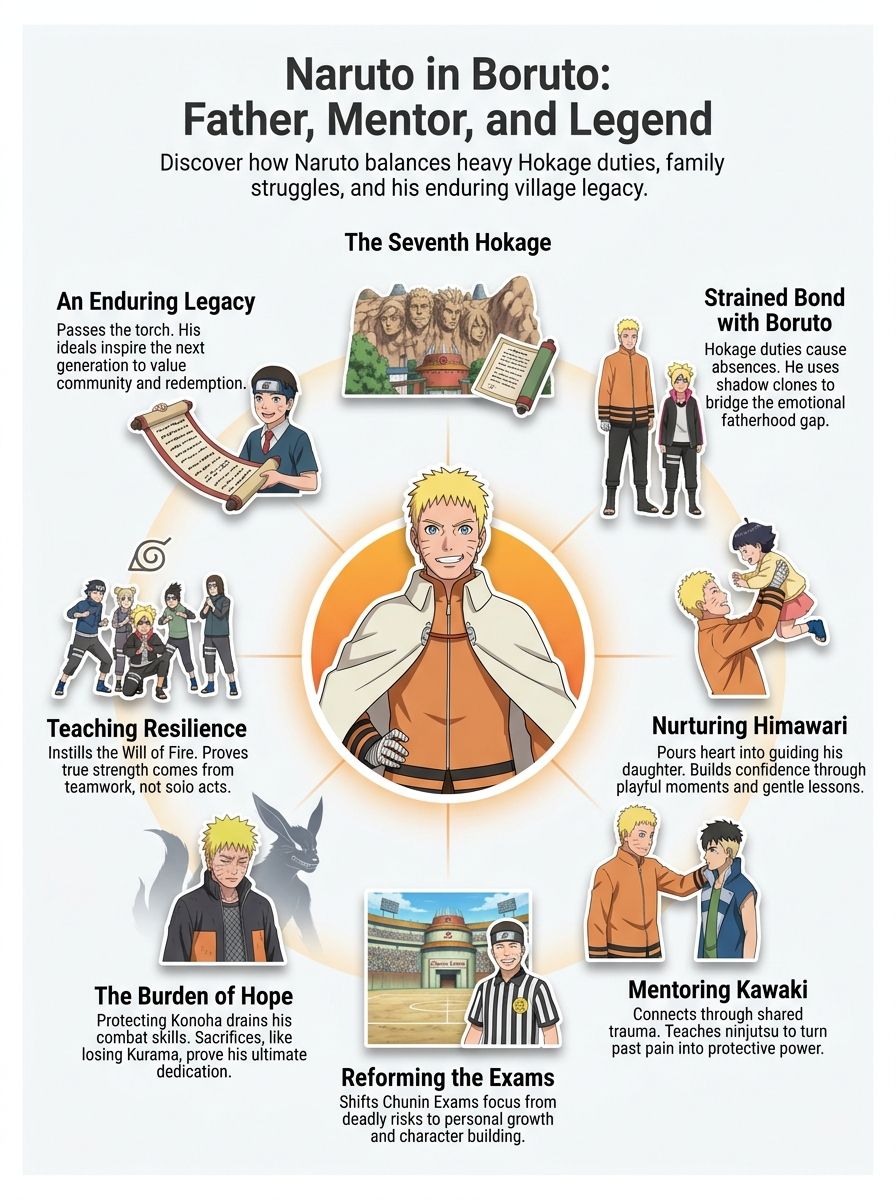
Naruto shapes the shinobi world, like a guiding star that lights up paths for everyone in Konoha. He passes the torch to the next generation, inspiring Boruto and his friends to chase dreams with the same fiery spirit that once drove him.
His impact on the shinobi world
He steps up as the Seventh Hokage and shapes leadership in the shinobi world with bold moves. His dedication protects the village, and it influences the younger generation like Boruto and Kawaki in big ways.
Think about it, that kind of commitment sets a strong example, you know? The “Will of Fire” philosophy gets a boost from his mentorship; it impacts values for future shinobi across the board.
Experiences from his tough childhood push him to use shadow clones; this changes how shinobi handle time and responsibility every day.
Sacrifices in fights against new threats mark him as a legendary Hokage; they set a precedent for duty and sacrifice that echoes far. Ideals from his life guide Boruto’s choices and promote redemption plus legacy for the next generation.
Read more about Naruto Uzumaki as the Seventh Hokage here.
Passing the torch to the next generation
Naruto Uzumaki steps up as the Seventh Hokage, and he balances leadership with family life in tough ways. His strong dedication to the village sparks tensions at home, especially with his son Boruto.
Think of it like a relay race, where Naruto hands off the baton of responsibility, but not without some stumbles. He mentors Kawaki, and they build deep connections through shared trauma and experiences.
This mentorship shows Naruto’s influence on growth and tradition. The Chunin Exams change too; they now push personal growth for the new shinobi generation. Naruto’s duties as Hokage cut into his combat skills, and this shift affects his legacy in big ways.
Boruto picks up on his dad’s ideals, and his choices highlight that strong influence. Legacy lives on through these family ties and conflicts. Leadership passes down, and Naruto guides the next group with lessons from his own path. He supports teamwork and resilience, key parts of his influence. Picture Naruto as the old oak tree, shading the young saplings as they grow tall.
His role sparks growth in Boruto and others, blending tradition with fresh ideas. This handover builds a stronger shinobi world. Now, let’s wrap this up with some final words.
Final Words
Naruto shines as a dad who loves hard but fights to balance work and home. He mentors kids with lessons from his tough past, showing them that real strength comes from the heart. Legends like him carry big loads, yet he pushes through for peace.
Fans see his ways help build better bonds and growth in tough times. Check out the Boruto manga or anime for more epic tales. Keep chasing dreams as he does, and you’ll inspire your own crew.
Frequently Asked Questions (FAQs) Naruto Uzumaki In Boruto
1. How does Naruto act as a father in Boruto?
Naruto juggles his duties as Hokage with family time, often missing out on moments with Boruto and Himawari, you know, like that dad who’s always at work but means well. It’s tough, but he shows love through big gestures, like protecting the village for their sake. Picture him as the overworked hero trying to balance it all, with a ramen break thrown in for good measure.
2. What makes Naruto a great mentor in the series?
Naruto guides young ninjas like Boruto with lessons from his own wild past, sharing wisdom on teamwork and never giving up. He uses stories from his battles to inspire them.
3. How does the weight of being a legend affect Naruto?
Being a legend weighs on Naruto like a heavy backpack full of expectations; everyone looks up to him, which stresses his choices as leader and dad. He pushes through with his trademark grin, turning pressure into motivation for the next generation. Sometimes, though, it leaves him feeling isolated, like the fox spirit inside him.
4. Does Naruto’s role as Hokage change his family bonds?
Yes, his Hokage role strains bonds with Boruto, who feels overlooked, but Naruto works to mend it with heartfelt talks and shared adventures.