Fans love Naruto Uzumaki for his wild adventures and big dreams. But many wonder what happened after he became Hokage. They ask, how did this loud kid turn into a leader? It feels confusing to imagine him running a whole village. We often struggle to see how his story changed the shinobi world. You might feel the same way, scratching your head over his growth.
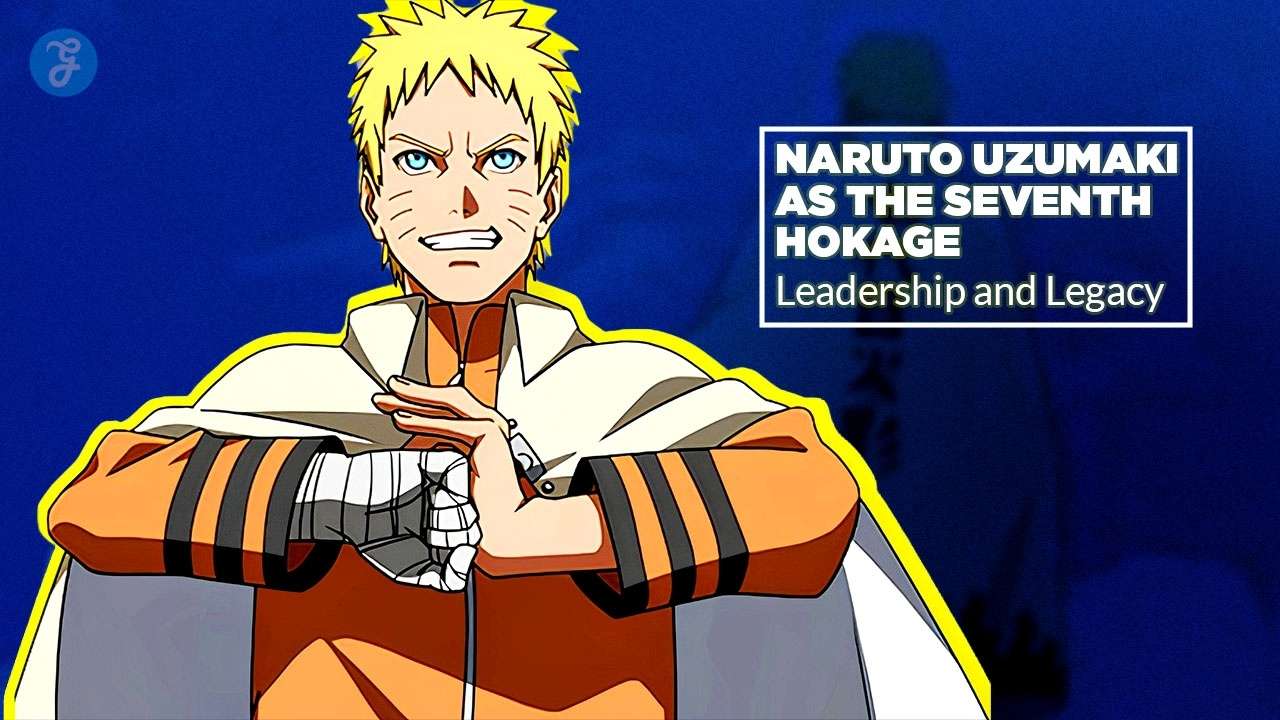
Naruto Uzumaki became the Seventh Hokage right after the Fourth Shinobi World War. He took over from Kakashi Hatake and made his dream come true. This blog examines Naruto Uzumaki as the Seventh Hokage, his leadership, challenges, and world changes.
Naruto Uzumaki’s Journey to Becoming the Seventh Hokage
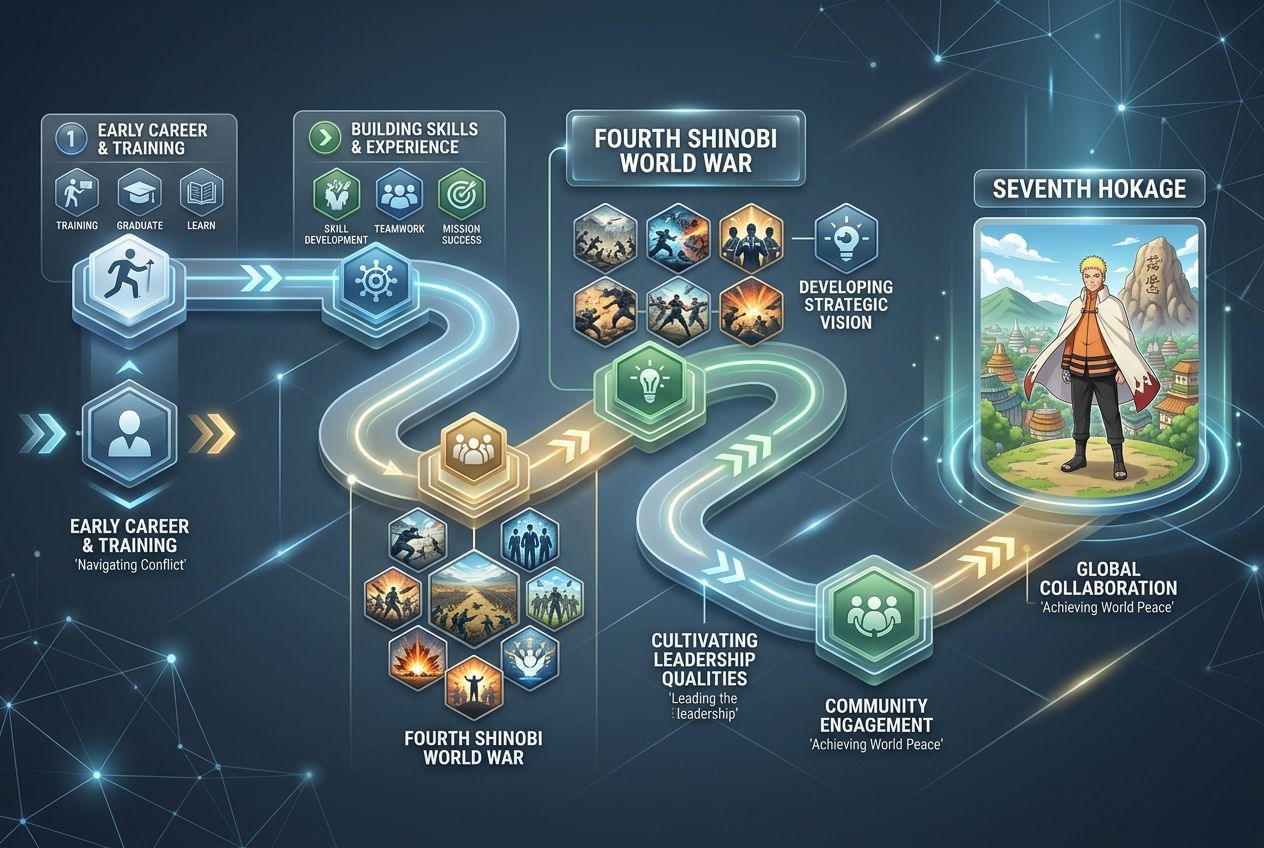
Naruto started as a lonely orphan in the Hidden Leaf Village, facing rejection and pranks just to get noticed, like a fox chasing shadows for attention. He pushed through battles and heartbreaks, turning his wild dream of Hokage into reality, proving that sheer grit can flip the script on fate.
Early life and struggles
He grew up as an orphan in the Hidden Leaf Village. People shunned him because he hosted the Nine-Tails fox. Loneliness hit him hard, you know, like a punch to the gut. Yet, his dream burned bright.
Becoming Hokage drove him forward. Struggles piled up, from pranks to gain attention to fierce battles for respect. Friendship changed everything. Bonds with teammates sparked his growth. Determination pushed him through tough times. He trained endlessly, sacrificing comfort for strength.
I’m not gonna run away, I never go back on my word! That’s my nindo: my ninja way!
Kids mocked him at the academy. Failure stung, but he bounced back. His journey was twisted with pain and triumph. Training sessions built his skills. Sacrifice defined his path, like giving up fun for missions.
Growth came slowly at first, then exploded. He learned to harness his inner power. Ninja life tested him daily. Legacy started forming even then, inspiring others around him.
Achieving his lifelong dream
Those early struggles built Naruto’s unbreakable spirit, and they paved the way for his ultimate triumph. Naruto Uzumaki achieved his lifelong dream of becoming the Seventh Hokage after the Fourth Shinobi World War.
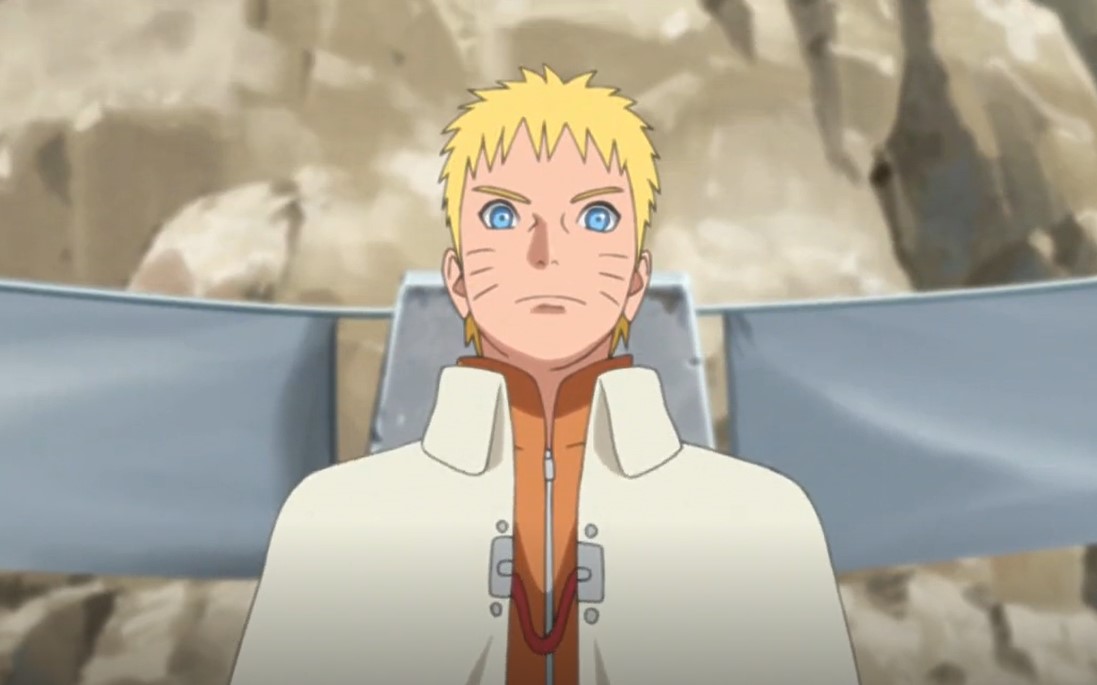
He stepped into that role, full of energy and ready to lead. Imagine a kid who everyone ignored, now calling the shots in the village. Naruto modernized Konohagakure, fulfilling his vision for a progressive village.
His leadership style emphasizes community and familial bonds, reflecting his dream of unity. He fostered an era of prosperity and cooperation in the shinobi world, realizing his dream of peace. Naruto established diplomatic relations with former enemies, achieving his dream of a harmonious world.
Over time, he overcame challenges to maintain work-life balance while striving to be a good father to Boruto. Think of it like juggling kunai and family dinners, but he pulled it off with that classic grin.
This path to Hokage showed his grit in action. Unity and peace became his banners, waving high over the Hidden Leaf. His journey inspires us all, like a spark that lights up the whole ninja path. Prosperity followed his steps, turning old rivalries into strong alliances.
Leadership as the Seventh Hokage
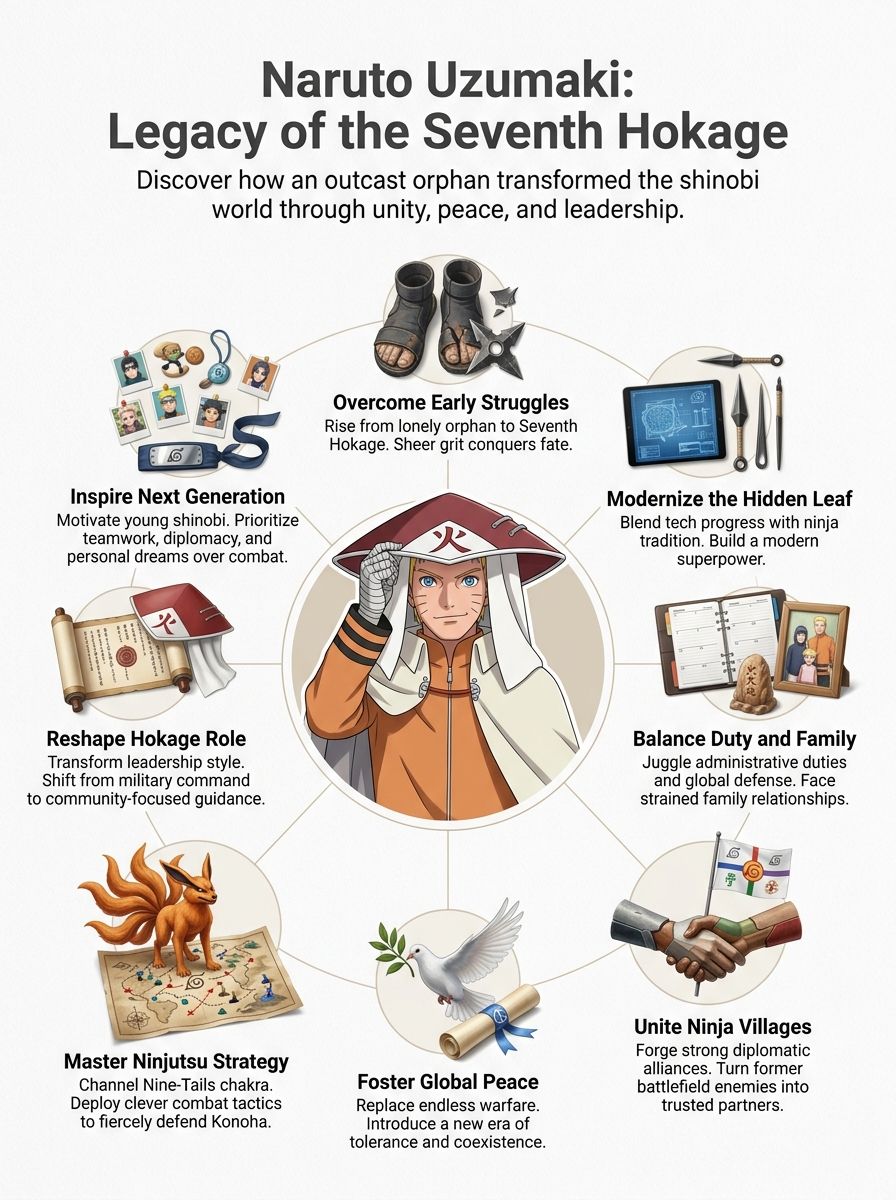
Naruto steps into the role with a fire in his belly, juggling endless paperwork and village decisions like a pro. He mixes old ninja ways with fresh ideas, turning Konoha into a buzzing hub that people can’t help but admire, don’t you think?
Administrative responsibilities
He took on big administrative duties as the Seventh Hokage right after the Fourth Shinobi World War. Leadership meant handling day-to-day tasks with a hands-on style. This built strong community ties in Konoha.
He pushed for modernization, you know, mixing in peace and new tech advances. Cooperation grew among ninjas and old foes. That sparked a fresh wave of prosperity. Security threats popped up often, though.
He juggled those with family time, feeling the weight sometimes. Management of partnerships shone bright. Humans and tailed beasts linked up under his watch. Integration into society happened smoothly, thanks to his efforts.
Believe it! Being Hokage means more than fights; it’s about keeping everyone safe and together.
Administration demanded a balance between work and life. He faced overwhelm from all the duties. Yet, his style fostered real community bonds. Prosperity bloomed in this new era.
Balancing modernizing Konoha and traditional values
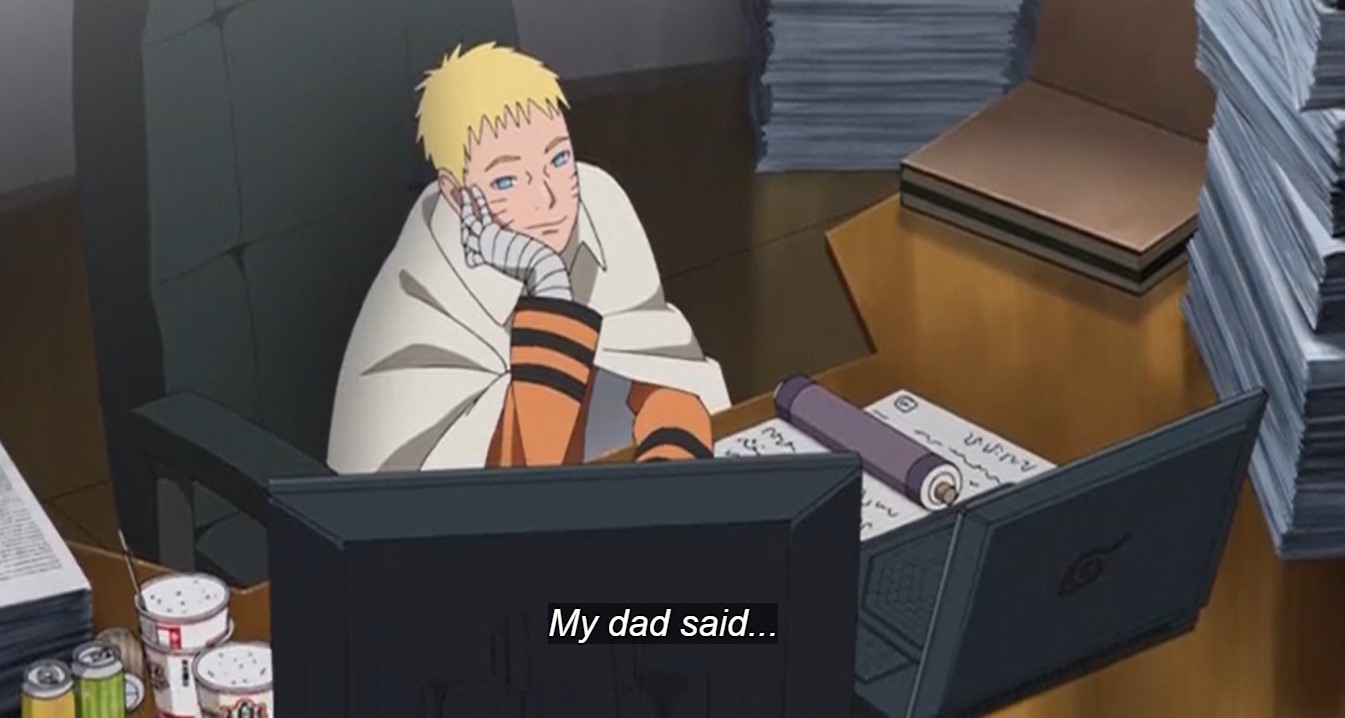
Naruto stepped into leadership as the Seventh Hokage right after the Fourth Shinobi World War. He chased his dream, and boy, did he catch it. Under his watch, Konoha zeroed in on global peace.
He mixed in technological advancements, like a chef blending old recipes with new spices. Naruto’s style shone through; he treated villagers as family. This built strong community bonds, you know, the kind that stick like glue. He oversaw fresh innovations, yet kept the village’s identity intact. Tradition stayed alive through his efforts.
Naruto teamed up with Sasuke to hold onto peace, a smart move in diplomacy. He merged modern ways with shinobi roles, shifting from fights to cooperation. Innovation met tradition head-on in his plans.
He balanced work and life, all while guarding those classic duties. Community thrived under this mix. Peace grew, and so did the village’s spirit. His impact on the Hidden Leaf Village shows just how far this balance has reached.
His impact on the Hidden Leaf Village
He turned Konohagakure into a modern superpower. Think of it like upgrading an old village to a bustling city. Under his leadership as the Seventh Hokage, the village embraced technological advancements.
Global peace became a big focus, too. He succeeded Kakashi Hatake right after the Fourth Shinobi World War. People in the village felt like family, you know? His hands-on approach made him a beloved leader. Prosperity bloomed everywhere. Cooperation with other nations grew strong.
Leadership brought real change. He fostered partnerships between humans and tailed beasts. Lasting peace followed. Diplomacy with former enemies strengthened ties. The village thrived as a hub of technology and peace.
His impact reshaped everything, like a fresh coat of paint on an old house. Imagine defending against threats from the Otsutsuki Clan while pushing for innovation. He balanced it all with heart. The Hidden Leaf Village became a model for the shinobi world.
Challenges Faced as Hokage
Naruto juggles family tensions like a ninja dodging kunai, his bond with Boruto strained by endless Hokage duties that keep him away from home. He tackles fresh enemies and fragile peace in the shinobi world, turning old battle scars into lessons for a calmer era, yet the pressure builds like a brewing storm.
Strained relationships with family
Life as Hokage hits hard on Naruto’s family ties. He battles with work-life balance, and that leads to neglect of his loved ones, like his son Boruto. Duties pile up, think endless paperwork, and they strain bonds with Hinata and the kids.
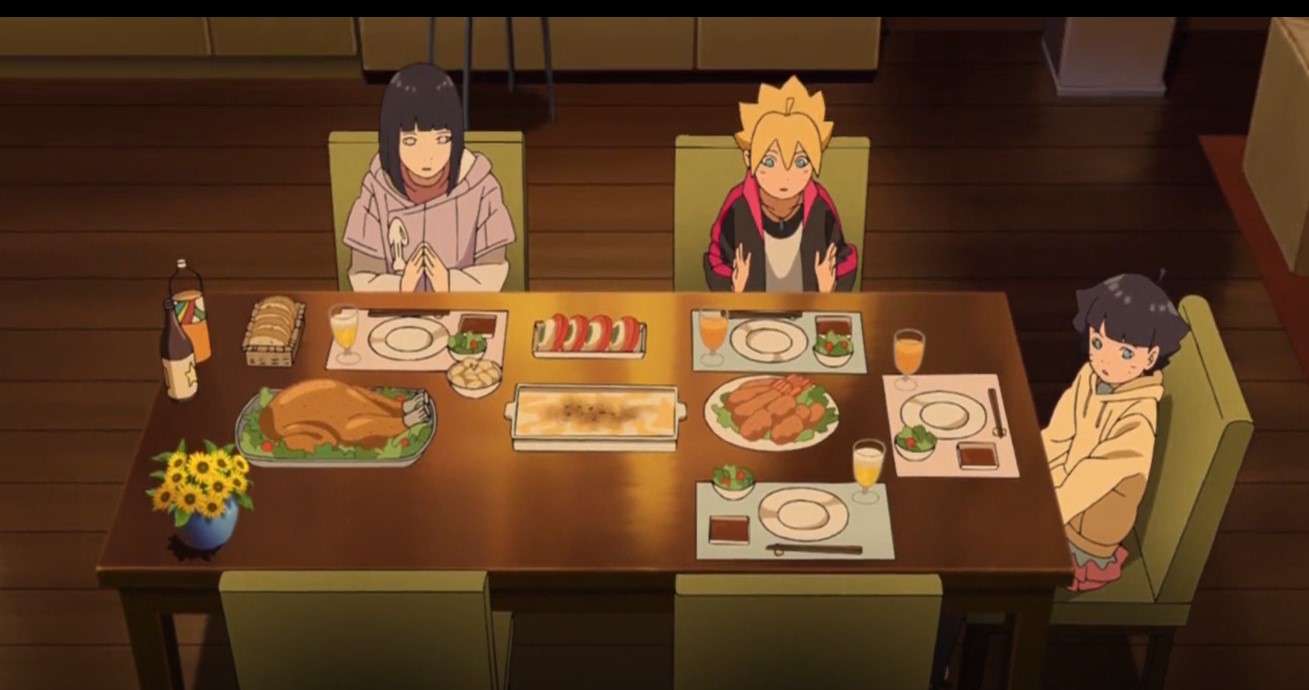
Leadership demands sacrifice, you know, putting global peace first over cozy family dinners. Stress builds from these conflicts, making parenthood feel like a tough jutsu he can’t quite master.
Constant threats from the Otsutsuki Clan pull him away, complicating family dynamics even more. Responsibility weighs heavily; Naruto, the big hero, often feels inadequate at home. Duty calls loudly, creating neglect that tests his balance between village and home.
It’s like juggling kunai while walking a tightrope, full of conflict and heart. Legacy hangs in the air, but so does the pain of missed moments.
Managing peace in a post-war era
Naruto stepped up big time after the Fourth Shinobi World War. He took over as the Seventh Hokage from Kakashi Hatake. His leadership zeroed in on global peace. Konoha turned into a modernized superpower under him.
Think of it like a village leveling up, blending tech with ninja ways. Naruto pushed for innovation to keep things calm. He partnered with Sasuke Uchiha to scare off threats. That duo kept the five nations in check. Diplomacy became his secret weapon, you know, turning old foes into allies.
Challenges popped up after the war, like weeds in a garden. Naruto juggled administration duties that ate up his time. He built strong community ties, treating people like family for better cohesion.
Conflict resolution meant handling new enemies with smarts. His initiatives sparked personal goals for ninjas everywhere. Balance proved tough, though, with work pulling him from home. Strong leadership helped him sustain peace through it all. His legacy shines in those diplomatic bonds he forged.
Dealing with threats from new enemies
New enemies popped up, like the emergence of the Otsutsuki Clan, and they brought serious threats to the village. Naruto kept his power strong to offer protection and defense. He faced these challenges head-on, using his leadership to rally everyone.
Imagine the stress, but he turned it into a team effort. His style fostered peace and built a more connected society. Ninjas changed their status, thanks to him. Cooperation grew among them, making defense against these threats much easier.
Power and unity became key in this fight. These battles showed how Naruto’s ways shaped bigger changes. Now, check out Naruto’s influence on the shinobi world.
Naruto’s Influence on the Shinobi World
Naruto, like a whirlwind of change, united ninja villages that once fought like cats and dogs, spread peace and tolerance far and wide to heal old wounds, and fired up the next generation of shinobi with his never-give-up spirit – curious for the full scoop? Stick around and dive deeper!
Uniting the ninja villages
Naruto’s leadership sparked real cooperation among ninja villages and old foes. He built strong diplomatic ties that linked different villages together. This push for unity ended years of endless fights, and it brought global peace to the shinobi world.
Imagine former enemies sharing ideas over tea; that’s the kind of alliances he created. His work even formed lasting bonds between humans and tailed beasts, turning rivals into partners.
Leadership, like his, shifted the focus from warfare to prosperity. Konohagakure modernized under his watch, and it grew into a superpower driven by unity and tech advances. Villages now resolve conflicts through talk, not battles.
Diplomacy became the new norm, fostering peace and cooperation everywhere. You can see how this inspires people, like a bridge connecting once-divided lands.
Spreading the concept of peace and tolerance
Building on that unity among ninja villages, Naruto took things a step further by spreading ideas of peace and tolerance far and wide. He emphasized global peace right after the Fourth Shinobi World War.
Imagine a leader who turns old rivals into allies, as he did with Sasuke Uchiha. They worked together to deter threats and promote cooperation. His efforts transformed Konohagakure into a modern superpower.
The village now dedicates itself to peaceful coexistence. Naruto maintained peace among the five nations. He did this through collaboration and teamwork. Think of it as building a big family where everyone gets along.
He fostered a strong sense of community and familial bonds among villagers. This enhanced tolerance in everyday life. His tenure marked a big shift from conflict to alliances. Ninjas now focus on harmony and understanding.
Naruto’s initiatives encouraged a culture of tolerance across the shinobi world. He redefined the ninja’s role with diplomacy and brotherhood. Cooperation became the new norm. Reconciliation helped villages coexist in unity.
Inspiring the next generation of shinobi
Naruto Uzumaki inspires the next generation of shinobi like a beacon in the night. He became the Seventh Hokage and realized his dream of leadership. Kids look up to him for that grit.
Naruto modernized Konohagakure, you know, and set a path for innovation and global peace. Young shinobi aspire to follow it. He built strong bonds with villagers, like family ties that hold everyone together. This shows the power of community and connection for future leaders.
Challenges hit Naruto hard, but he bounced back with resilience. He balanced personal life and his Hokage duties, teaching key lessons to the next wave. Naruto pushed to end fights and boost cooperation between nations.
That sparks young shinobi to choose diplomacy over punches. His legacy redefines ninja jobs and promotes partnerships. It urges the new generation to grab collaboration and understanding with both hands.
Key Abilities and Strengths as Hokage
Naruto packs a punch with his expert ninjutsu moves, turning tough spots into triumphs, like a fox dodging traps in the woods. He channels the Nine-Tails’ raw energy for massive boosts in fights and decisions, and his clever strategies guide the village through chaos, inspiring you to dive deeper into his epic saga.
Mastery of ninjutsu techniques
He commands a vast array of ninjutsu techniques that make him a top shinobi leader. Imagine, as Hokage, he pulls off moves like the Rasengan with ease, blending raw strength and smart strategy in every fight.
His training built unmatched resilience, turning tough battles into wins for Konoha. People, that’s real wisdom in combat, right?
Stealth plays a big role in his jutsu arsenal, too. He sneaks past enemies, strikes hard, and protects his village with clever plans. This mix of power and smarts boosts his leadership, inspiring young shinobi to train harder. Yeah, his skills redefine strength among ninjas.
Utilizing the power of the Nine-Tails
Naruto taps into the Nine-Tails’ power as a jinchuriki, boosting his chakra levels in big ways. This strength lets him master tough ninjutsu moves that turn battles around. Imagine him charging up with that red glow, transforming into a force no enemy wants to face.
His resilience shines through, helping him bounce back from hits that would crush others. In leadership spots, Naruto blends this power with smart strategy during combat. He uses it to protect the village, showing real wisdom in tough calls. People see his transformation not just as raw might, but as a tool for peace.
This combo amps up his role as Hokage, inspiring shinobi everywhere with his grit and heart.
Strategic intelligence in leadership and battle
He became the Seventh Hokage right after the Fourth Shinobi World War. This step showed his sharp rise to leadership during tough fights. Picture him turning old foes into close allies, like mending a broken bridge to cross safely.
He treated villagers as family, building strong community bonds for better governance. That approach kept everyone united, you know? He pushed modernization in Konohagakure, too. Tech upgrades boosted the village’s power, a smart strategy to stay ahead.
Alliances formed under his watch, holding global peace steady. Diplomacy shone bright as he deterred threats with clever moves.
Challenges hit hard, like juggling family time with Hokage tasks. He managed those relationships wisely, proving that leadership needs balance. Think of it as steering a ship through storms, keeping crew and cargo safe.
His style fostered cooperation across ninja villages. Former enemies joined hands, thanks to his conflict resolution skills. Peacekeeping became his strong suit, inspiring trust everywhere.
Strategy in battles mixed with everyday decisions, always one step ahead. He leveraged his status to unite the shinobi world, changing how leaders think and act.
Legacy of Naruto Uzumaki
Naruto’s story inspires young shinobi, like his son Boruto, to chase dreams with grit and heart. He flipped the Hokage job on its head, turning it into a beacon of unity that echoes through villages far and wide, don’t you think?
His impact on new generations
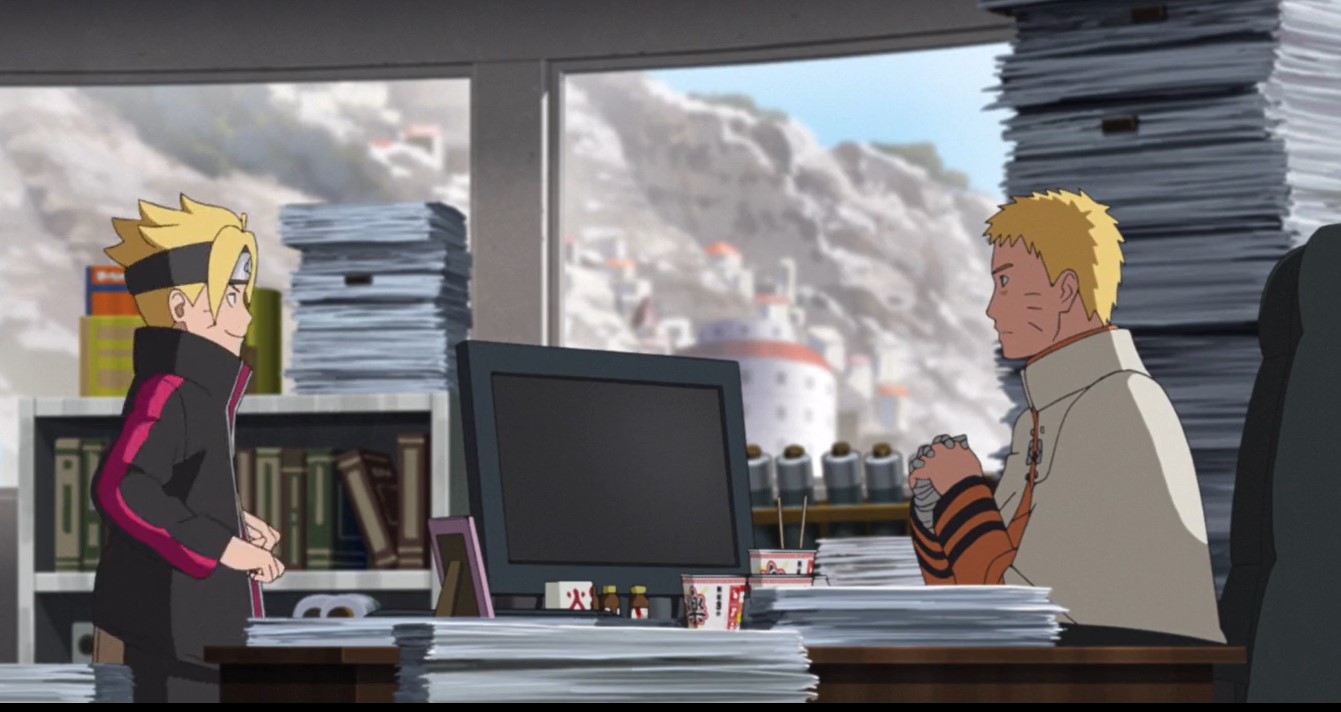
Naruto Uzumaki inspires kids today with his rise to Seventh Hokage. He shows them to chase dreams, no matter the hurdles. A boy from nowhere becoming a leader is pure motivation. His style builds community, pushes teamwork, and bonds.
Young people learn to treasure friends like family. He modernized Konoha, blending innovation with old ways. This sparks adaptability in the next wave of shinobi.
Tech upgrades under him mix tradition and progress, firing up youth aspirations. Naruto puts personal goals first, not just battle skills. He urges new generations to follow their hearts.
Peace efforts create alliances, teach collaboration and understanding. Future ninja grow in harmony, thanks to his legacy. Leadership like this shapes a brighter world, full of hope.
How he reshaped the role of Hokage
He took over as the Seventh Hokage after Kakashi Hatake, right on the heels of the Fourth Shinobi World War. Leadership changed under him; he turned Konohagakure into a buzzing modern superpower.
Think about it, he pushed for global peace and tons of technological progress. His style built strong family bonds, you know, making him that warm, beloved leader instead of some cold boss up on a pedestal.
Innovation flowed in, like the thunder train and those cool scientific ninja tools. He oversaw the whole industrialization push, blending progress with community vibes.
Cooperation became his big thing, maintaining peace across the five nations. He teamed up with Sasuke Uchiha to scare off any new threats. Diplomacy shone through, fostering tolerance everywhere.
Yet, he juggled tough stuff, like balancing Hokage duties with family life and all those admin tasks. His legacy flips the script on the Hokage job, shifting from endless fights to real teamwork. Now, ninjas chase personal dreams, thanks to him.
Read more about Naruto’s fate in the Boruto Era here.
Final Words
Naruto Uzumaki rose from a lonely kid to the Seventh Hokage, facing tough battles and building peace across villages. He led with heart, mixing old ways with new tech to make Konoha strong and united.
Challenges hit hard, like family strains and fresh foes, yet he pushed through with grit. His ideas spread tolerance, turning enemies into allies and inspiring young ninjas everywhere.
Think about it, how might you use his teamwork style in your own life? Check out the Boruto series for more on his legacy; it shows the real changes he sparked. Naruto proves dreams come true with hard work, so chase yours like he did.
Frequently Asked Questions (FAQs) on Naruto Uzumaki As The Seventh Hokage
1. What stands out about Naruto Uzumaki’s leadership as the Seventh Hokage?
Naruto leads with heart, always putting friends first like a true team captain. He turns old enemies into allies, you know, building bridges instead of walls. That empathy changes everything in the village.
2. What big challenges did Naruto face as the Seventh Hokage?
He battled threats from powerful foes who wanted to shake up the peace. Remember that time with the Otsutsuki clan? It tested his grit, but he pushed through with sheer willpower.
3. How did Naruto change the Shinobi World as Hokage?
Naruto brought unity to villages that once fought like cats and dogs.
4. Why do fans love Naruto’s time as the Seventh Hokage?
His journey from underdog to leader inspires us all, showing that dreams come true with hard work. He tackles issues head-on, like fixing tech in a ninja world, and keeps the laughs coming even in tough spots. Plus, his bond with Boruto adds that family touch we can all relate to.