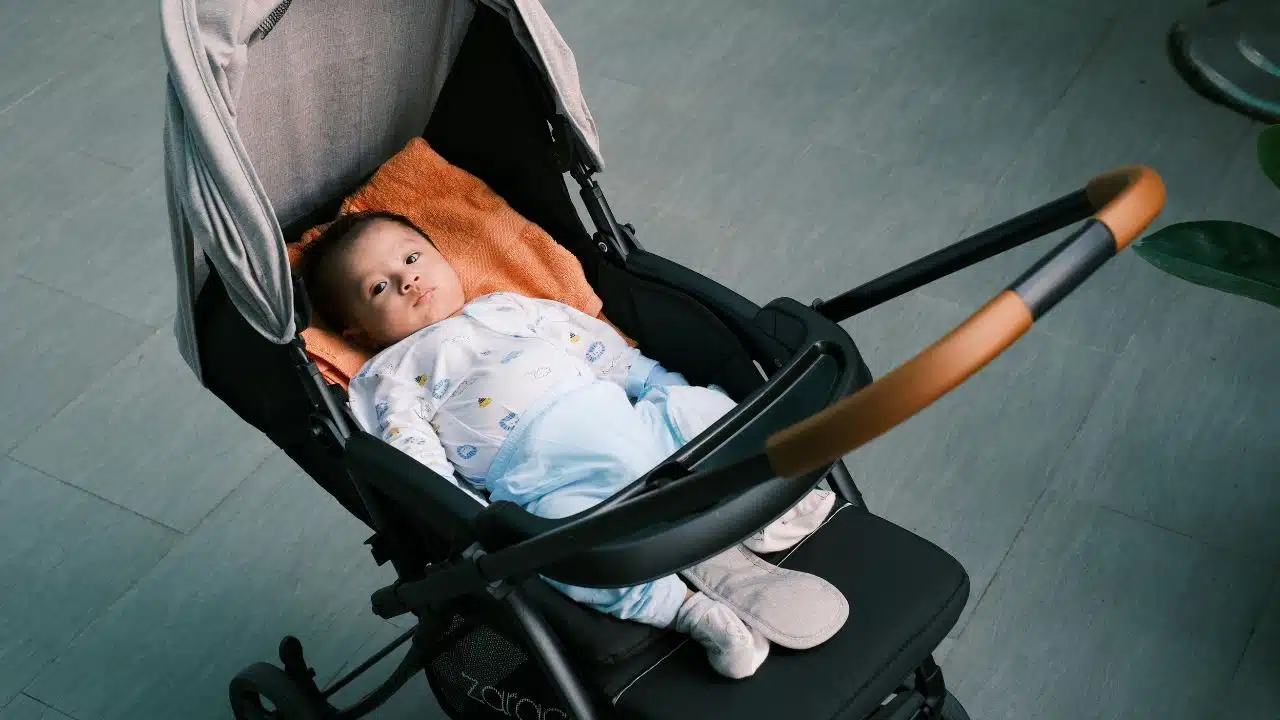
Running errands with autistic children can be a challenging experience due to the overwhelming sensory stimuli present in public spaces. Bright lights, loud noises, and crowded environments can easily lead to sensory overload and meltdowns.
Understanding the reasons behind these meltdowns, such as sensory overload, transitions, and unpredictability, is crucial for caregivers. By implementing structured routines and utilizing tools like adaptive strollers, these outings can become more manageable and less stressful for both the child and the caregiver.
Establishing a calm routine
Creating a calm routine before heading out is essential in building a autism meltdown prevention strategy. Begin by previewing the trip with a visual schedule, which helps the child anticipate the sequence of events and reduces anxiety. A visual schedule can include pictures or symbols representing each step of the outing, providing a sense of predictability. Additionally, packing a calm kit with noise-dampening headphones, fidget toys, and chewy snacks can help the child self-regulate during the trip. These items cater to the child’s sensory needs and provide comfort in overwhelming situations, making sensory planning a practical part of every outing.
Flexibility is also important. While having a structured plan is beneficial, being adaptable to the child’s immediate needs ensures a smoother experience. By preparing for various scenarios, caregivers can confidently handle unexpected changes without losing control of the situation. This balance between structure and adaptability is vital for autism meltdown prevention in real-life environments.
Incorporating sensory planning and sensory integration activities before leaving the house can also help prepare the child for the upcoming experience. These might include deep pressure exercises, brushing therapy, or joint compression activities that help regulate the nervous system. Creating a consistent pre-errand ritual using these techniques can signal to the child’s body and mind that it’s time to transition to the outside world, making the shift less jarring and more predictable. This preparation phase typically takes 10–15 minutes but can significantly reduce the likelihood of sensory overload during the actual outing, especially when supported by a well-stocked calm kit.
Choosing quiet hours and mapping micro-break spots
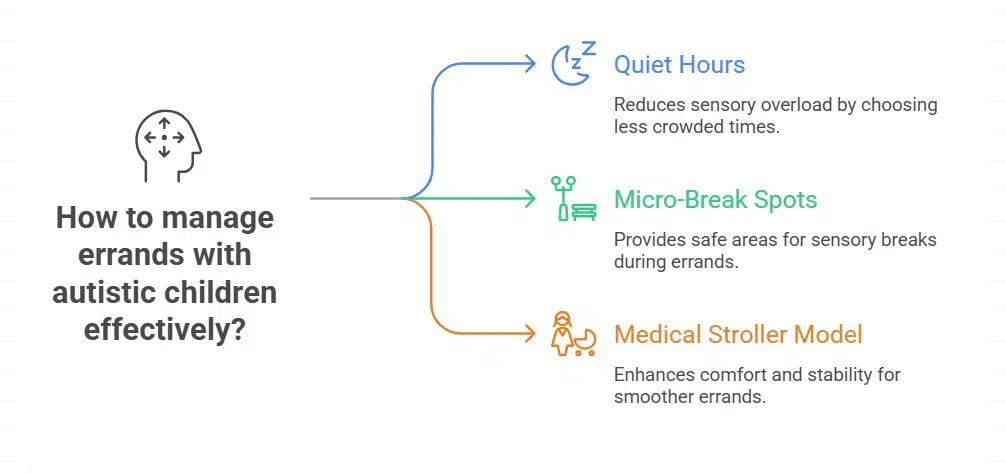
Timing is crucial when planning errands with autistic children. Opting for quiet hours, such as early mornings or late evenings, can significantly reduce sensory overload risks. These times typically have fewer crowds and less noise, making the environment more manageable for the child. Understanding the dynamics of each location throughout the day allows caregivers to plan accordingly and choose the best time for their errands, reinforcing the importance of quiet hours in every schedule.
Mapping out micro-break spots is another effective strategy. Identify areas within stores or malls where you can take a quick sensory break if needed. These could be quieter sections or corners with benches where the child can recalibrate amidst less chaos. Having designated break locations provides a sense of security and helps manage sensory overload effectively, making adaptive mobility solutions easier to apply.
At this stage, caregivers can also see different medical stroller models to evaluate which features best suit their child’s needs. Choosing the right model—whether for extra comfort, portability, or stability—can make errands smoother and more predictable for everyone involved.
Defining short missions and exit strategies
Breaking errands into short, manageable tasks prevents overwhelming situations from escalating into meltdowns. Instead of attempting lengthy shopping trips, focus on specific objectives, such as picking up a few key items per visit. This method allows caregivers to maintain control over each outing while still accomplishing necessary tasks. Using tools like an adaptive stroller or medical stroller for kids ensures the child remains supported throughout shorter, focused trips.
Creating a no-guilt exit plan is essential. Accept that some days may not go as planned, and be ready to leave if things become too intense. Planning for these possibilities doesn’t mean admitting defeat; it’s an acknowledgment of adapting to real-time needs. By setting clear boundaries for what constitutes success during each trip and knowing when it’s time to call it quits, caregivers can cultivate positive experiences more frequently, while also relying on special needs stroller options or adaptive mobility tools to simplify transitions.
Post-outing decompression and caregiver body mechanics
After completing errands, transitioning back home requires its own set of calming measures designed for post-outing decompression. Establishing soothing routines, such as soft lighting and relaxation techniques, aids recovery from sensory overload encountered outside. Gentle music or guided breathing exercises can help ease tension and promote relaxation. Having a medical stroller for kids with built-in comfort features can also make this transition back home smoother.
Caregivers must also pay attention to their body mechanics when pushing or lifting children. Proper techniques ensure personal health and safety during outings. Using an adaptive stroller provides enhanced adaptive mobility solutions, offering a predictable base for stability. Secure harnesses, convenient storage compartments, and adjustable features make the stroller a valuable tool for managing errands with autistic children. Incorporating a special needs stroller into these routines further supports caregiver comfort and child safety.
By implementing these strategies, caregivers can create a more predictable and manageable environment for autistic children during errands. With fewer variables to contend with, the likelihood of meltdowns decreases, and progress becomes more achievable over time.