Whether you are a beginner looking to understand the basics of herbal remedies, or someone who knows their stuff but is eager to expand on what you know, there is a wealth of information out there. From traditional texts that have been passed down from generation to generation, to online platforms that offer more interactive learning styles, the world of medicinal plants is more easy to discover than ever. Whether you want to know more about the healing benefits for personal reasons, or just because you’re curious, we’ve put together 5 unique resources for learning about medicinal plants that should make it easier than ever for you to do just this. Keep on reading to find out more and get inspired!
Nurturing Nature
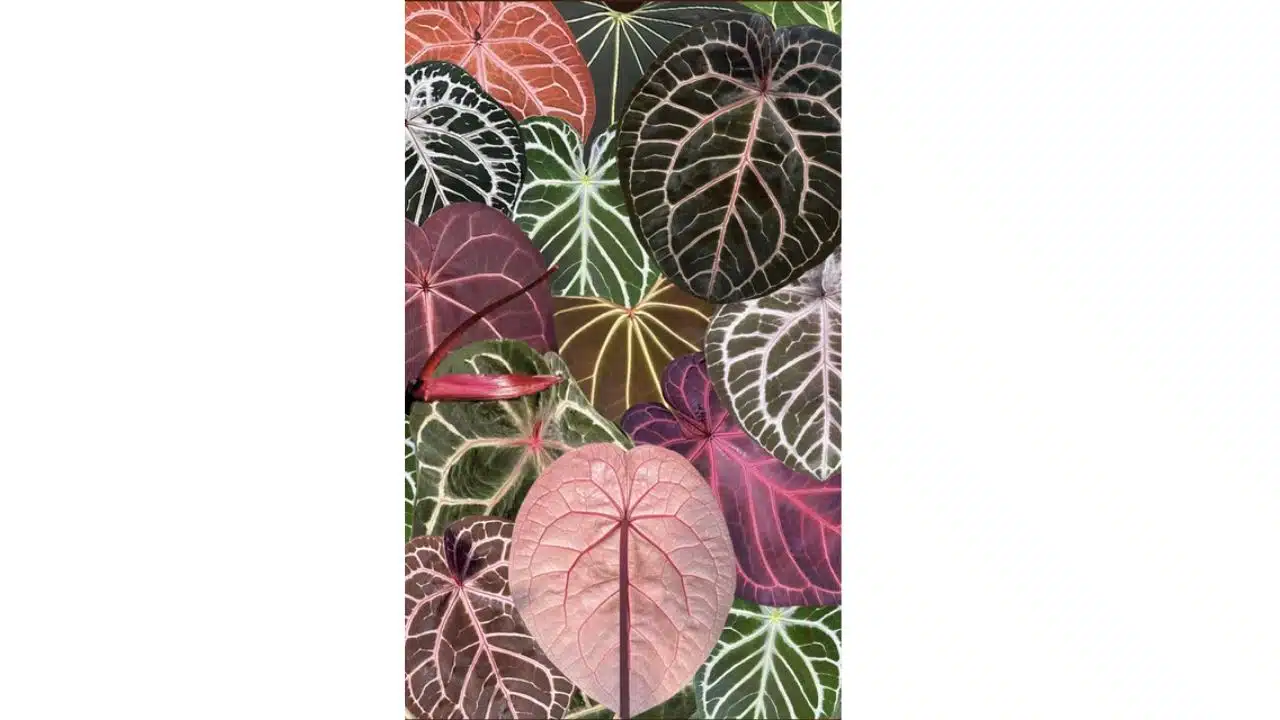
Nurturing Nature is run by physician-botanist DocBlock and offers a blend of medical expertise and an appreciation of the natural world. He is often praised for bridging the gap between clinical science and the therapeutic beauty of plants, meaning readers can expand their knowledge in multiple ways. Dr. Jeff Block) continues to create the world’s most striking velvet-leafed anthuriums, glowing in regal reds and deep purples with bold contrasting veins. More than just beautiful, his plant selections are bred for strength and vitality – making them the ultimate choice for both collectors and new plant enthusiasts.
And that’s not all. Dr Block. doesn’t just write about herbs and healing in an abstract way, he also connects the dots between medical ethics and patient care, focusing on the role that the natural world plays in this.
This makes it a much more relatable place to find more information and help individuals to learn. Whether you are interested in the latest research about the healing benefits of anthuriums or want to find out more about healing gardens, you can find this and so much more here. Inspiring, practical and easy to digest the information provided, it’s a fantastic way to learn more about medicine in the natural world.
Plants for a Future
Plants For A Future (PFAF) is one of the most comprehensive online databases for anyone that wants to learn about useful plants for health and wellbeing, especially those with edible or medicinal properties – which is a growing trend in today’s world. What makes it unique is the level of detail it provides.
Each entry typically includes information on cultivation, growing conditions, propagation methods, traditional uses, and safety considerations, so you’re not just learning about the plant, but also how to grow and use it responsibly! It’s an incredible resource for herbalists, gardeners, and sustainability enthusiasts who want to go beyond surface-level knowledge. For example, you can search by plant function, such as nitrogen-fixing or pollinator-friendly, making it an excellent tool for permaculture planning.
Whether you’re researching plants to grow in your own backyard, exploring wild edibles, or checking safety notes on medicinal herbs, PFAF offers a rich and practical knowledge base that’s both scientifically grounded and community-driven.
The Herbal Highway Podcast
The Herbal Highway is a long-running radio program and podcast that has become a beloved resource for people who want to explore herbalism in an approachable and engaging way. Unlike books or databases, this format lets you hear from herbalists in their own voices, which brings the subject to life and makes it easier for people on the go to digest the information.
Many episodes weave together plant wisdom, traditional healing practices, and personal storytelling, creating a rich and poetic learning experience. Guests often discuss not only the medicinal qualities of plants but also the cultural and spiritual connections that people have with them, giving you a holistic perspective on herbalism.
Because it’s audio-based, you can listen while commuting, gardening, or cooking, making it one of the most accessible ways to stay inspired and informed. For those who enjoy community-driven learning, this podcast offers a sense of connection, reminding us that herbal knowledge is meant to be shared and lived, not just studied.
Chestnut School of Herbal Medicine
For anyone ready to go beyond casual interest and are a bit more hardcore in wanting to immerse themselves in the study of medicinal plants, the Chestnut School of Herbal Medicine is a great plan.
This offers one of the most respected online programs available. Founded by Juliet Blankespoor, the school provides structured courses in herbal medicine, foraging, botany, and medicine-making. The content is designed to be both beginner-friendly and rigorous, allowing students to build a strong foundation while also gaining practical skills. Beyond the formal classes, the Chestnut School offers a wealth of free resources on its blog, including articles on plant identification, recipes for tinctures and salves, and tips for ethical wildcrafting.
What sets this school apart is its emphasis on experiential learning, encouraging students to connect with plants directly, whether by growing them, harvesting them, or preparing remedies. It’s not just about memorizing facts; it’s about developing a meaningful relationship with the green world.
The Herbarium
The Herbarium is a digital library created by the Herbal Academy, and is a subscription-based platform designed to make herbal knowledge both accessible and visually engaging – so fun to learn! Unlike dense textbooks, The Herbarium presents information through beautifully designed plant monographs, high-quality photography, instructional videos, and practical recipes. Each plant profile includes not only the medicinal properties and traditional uses, but also preparation methods and dosage considerations, making it highly useful for both beginners and experienced herbalists.
The platform is updated regularly, so subscribers gain access to an ever-expanding collection of resources. Its clear layout and multimedia approach are especially helpful for visual learners or those who prefer hands-on projects, such as making teas, tinctures, or salves.
What really sets The Herbarium apart is its balance of academic-level research with accessible presentation—providing reliable, evidence-based information while still inspiring creativity and curiosity. It’s like having a personal herbal library that’s both practical and beautiful. What more could you ask for?
These are just a few unique resources to learn about medicinal plants that can help those looking to grow their knowledge or find out something for personal benefit. No matter why you want to learn more about it, the sooner you delve into it, the wider you can broaden your understanding of the subject and know what you’re looking into. What are some top tips you have for learning about medicinal plants? Let us know in the comments below, we’d love to hear from you.