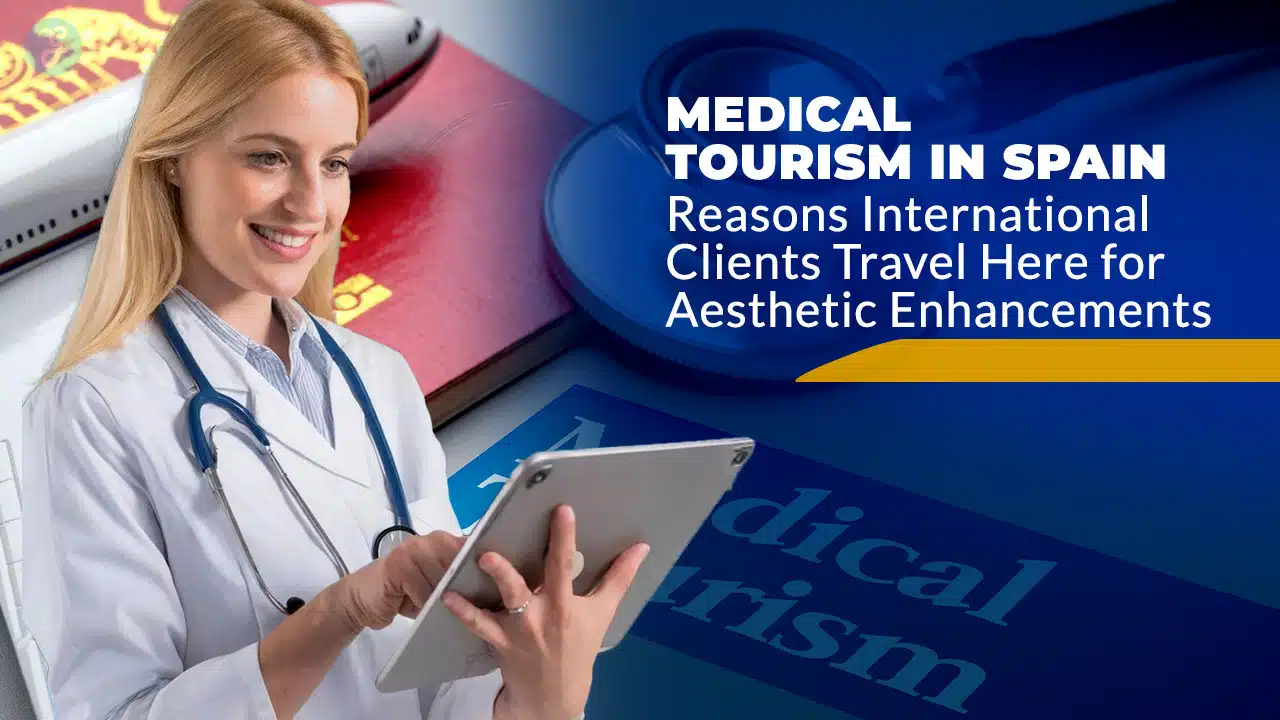
Patients face sky-high costs for a nose surgery or breast lift at home. Medical Tourism In Spain boomed as more medical tourists seek low-cost cosmetic surgery. You will learn seven reasons, like lower fees, online consultations via Doctorsa, Google Maps for English-speaking cosmetic surgeons, and a sunny Mediterranean climate for your recovery.
Key Takeaways
- Spain has 6.2 physicians per 1,000 residents (EU average: 4.1) and 21% of doctors work as GPs (9.5 per 10,000 people). Surgeons register with the Colegio de Médicos under the OMC. Public clinics run 8 AM–3 PM, private clinics 9 AM–8 PM. EU citizens with EHIC/GHIC and UK visitors pay little or nothing.
- Many clinics hold Joint Commission International accreditation. They use 3D imaging, robotic arms, laser scalpels, digital records, e-prescriptions, and telehealth. Doctorsa offers 24/7 access to English-speaking doctors for booking and follow-ups.
- Consultation fees run €20–30. A clinic visit costs €40–50 without insurance. An ER visit costs €200. A 24×500 mg antibiotic pack is €2.70; the average 2021 prescription is €11.50 (€5.75 with EHIC). An urgent consult with CT scan and Rx costs €729. Private doctor visits cost €45–70; specialists cost €70–110+.
- Spain’s mild Mediterranean climate speeds healing after cosmetic surgery. Patients stay in luxury hotels or Airbnb with spa days and private nurses. Urgent care clinics work weekends, pharmacies serve day and night, and embassy translators cost about €9 per hour. Most travelers buy travel insurance with over $50,000 in coverage.
Spain’s World-Class Healthcare System
Spain’s hospitals and clinics feature state-of-the-art facilities, modern imaging scanners, and skilled teams for aesthetic surgery and other procedures. The country had 6.2 physicians per 1,000 residents in 2023, above the EU average of 4.1 per 1,000.
Twenty one percent of its doctors serve as GPs, with 9.5 per 10,000 people, so you find swift diagnoses and routine check up at most local centers. Surgeons must register with the Colegio de Médicos under the OMC before they welcome clients.
This strict oversight drives high healthcare quality and draws medical tourism for cosmetic surgery around the globe.
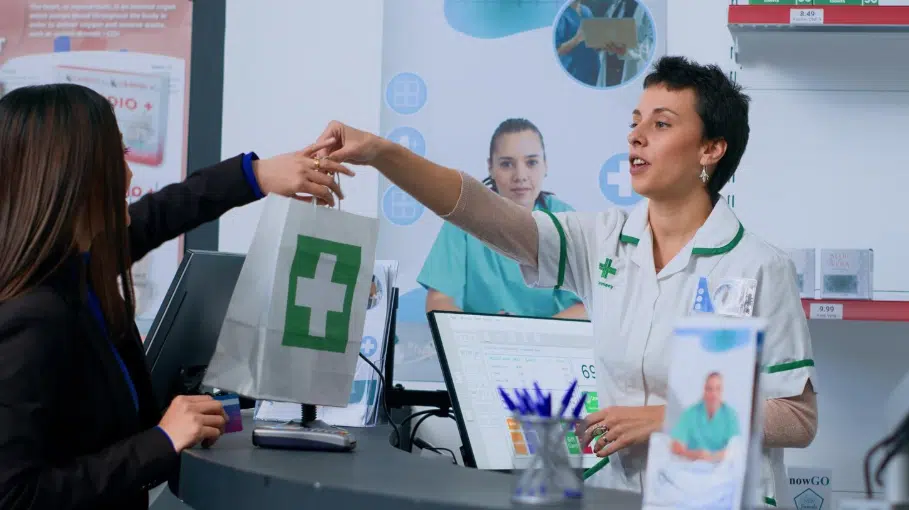
Public healthcare in the Spanish healthcare system relies on both public and private insurance models. Local public clinics operate 8:00 AM to 3:00 PM on weekdays, with essential treatments covered, though copayments may apply.
Private clinics run 9:00 AM to 8:00 PM, pause for a three hour lunch break, then resume offering personalized health and minimally invasive cosmetic procedures. EU travelers with an EHIC or GHIC, and UK visitors for aesthetic surgery enjoy free or reduced price appointments.
Easy access and clear pricing boost Spain’s appeal in medical tourism.
Expertise in Aesthetic Enhancements
Spain’s finest sculpt faces and bodies like an artist carving marble, using tissue grafting, butt enhancement, and 3D imaging gear. They hold a Joint Commission International seal and lock each scan, plan, and note in clear digital files.
Renowned surgeons and specialists
Surgeons in Marbella, Madrid, and Barcelona hold global reputations. Medical tourists pick these experts for cosmetic surgery, plastic surgery, and aesthetic surgery. Visitors tap into 6.2 physicians per 1,000 residents across the Spanish healthcare system.
Doctorsa lists top-rated specialists, while Joint Commission International accredits many clinics. Each specialist shows proper registration, and a national identity card backs up credentials.
General practitioners form 21 percent of doctors, sending patients to breast lift surgeons or those skilled in Brazilian butt lift and fat transfer. Fertility experts attract IVF and egg freezing seekers, adding more value to medical travel.
Cutting-edge surgical technology
Hospitals and clinics in Spain invest in robotic arms, high-definition cameras, and laser scalpels for aesthetic surgery. This state-of-the-art facility powers precise cosmetic surgeries.
Clinics send e-prescriptions straight to pharmacies. Patients avoid long lines for paper scripts. People use telehealth to chat with doctors before and after surgery.
Doctorsa offers 24/7 access to English-speaking doctors, even on holidays. You book and follow up through digital apps, with seven free check-ins after surgery. Public hospitals link to embassy directories online, so clients find specialists fast.
Electronic patient records and prescription systems keep care smooth during a medical tourism trip. Telemedicine tracks your medical tourism journey, from breast lift to knee replacement.
Competitive Costs and Transparent Pricing
In medical tourism Spain, readers find competitive costs and transparent pricing for aesthetic enhancements.
| Service | Price | Detail |
|---|---|---|
| Consultation fee | €20–30 | Most start at €20 |
| Clinic visit (no insurance) | €40–50 | General doctor |
| Emergency room | €200 | Urgent care unit |
| Antibiotic pack (24×500 mg) | €2.70 | Amoxicillin generic |
| Average prescription | €11.50 | 2021 data |
| Prescription (EU w/EHIC) | ≈€5.75 | Half price |
| Urgent consult + CT scan + Rx | €729 | CT scan tool |
| Private doctor visit | €45–70 | Cover via Allianz Care, Cigna Global |
| Specialist visit | €70–110+ | Top surgeons |
Luxurious Recovery and Tourism Opportunities
Spain’s Mediterranean climate speeds healing after breast augmentation, cosmetic or aesthetic surgery. Medical tourism clients land under sunlit skies and head to state-of-the-art facilities.
Luxury hotels in Marbella or sleek suites in Barcelona roll out spa days and private nurses. Airbnb hosts often point guests to top plastic surgery teams. Holiday-friendly urgent care clinics in the Spanish healthcare system stay open weekends and bank holidays.
Pharmacies pop up on the Farmaceuticos site, day or night.
Embassy desks supply translators at over nine euros per hour, or patients chat with online doctors. Expats and digital nomads swap tips on recovery routines, local markets and low cost of living.
Health tourists buy pay-and-claim travel insurance with fifty thousand plus dollars in coverage, just in case. You will find laughter poolside, shared stories after buttock augmentation or breast lift surgeries.
This blend of medical travel and leisure feels like a warm welcome mat.
Takeaways
Medical tourism in Spain mixes skillful cosmetic surgery, fair medical costs, and a sunny holiday vibe. A quick chat on Doctorsa or a search engine and map app links you to English doctors fast.
Recovery by the sea feels like a spa day in the mild Mediterranean breeze, with bright culture all around. Clear fees spare you hidden costs. You leave with fresh confidence, glowing skin, and happy memories.
FAQs on Medical Tourism In Spain
1. What draws patients to medical tourism in Spain for aesthetic surgery?
Spain offers top medical services, a warm Mediterranean climate that feels like a hug, and state-of-the-art facilities. The low cost of living frees you from budget worries. You even get a side of tapas during recovery.
2. How does the Spanish healthcare system support cosmetic surgery and plastic surgery?
It follows strict public policies. It uses modern medical practice. It draws on top medical science. Doctors value personalised health. They guide you step by step, from first chat to final check. They treat you like a friend.
3. What medical specialties can I find, like hip surgery or bone surgery?
Spain covers it all. You can book bone surgery, hip surgery, spinal surgeries, or chat about fertility care. Dental services shine in every dental clinic. They polish smiles like artists.
4. Do I need an entry visa to travel for aesthetic treatments?
Yes, most folks need an entry visa. It takes a few weeks, so check official sites early. A little prep keeps your medical travel smooth.
5. Can I mix traditional medicine with medical treatments in Spain?
Sure thing. You sip herbal teas from old Muslim Spain roots, then slip into a high-tech healthcare clinic in Spain for medical treatments. It feels like a bridge between past and future care.
6. How do I find patient care and personalised health in an aesthetic clinic?
Walk in and chat with nurses. They take your medical records. They book your medical examinations. They set a plan that fits you. Spaniards lean on warm patient care. You feel like family, not a file.