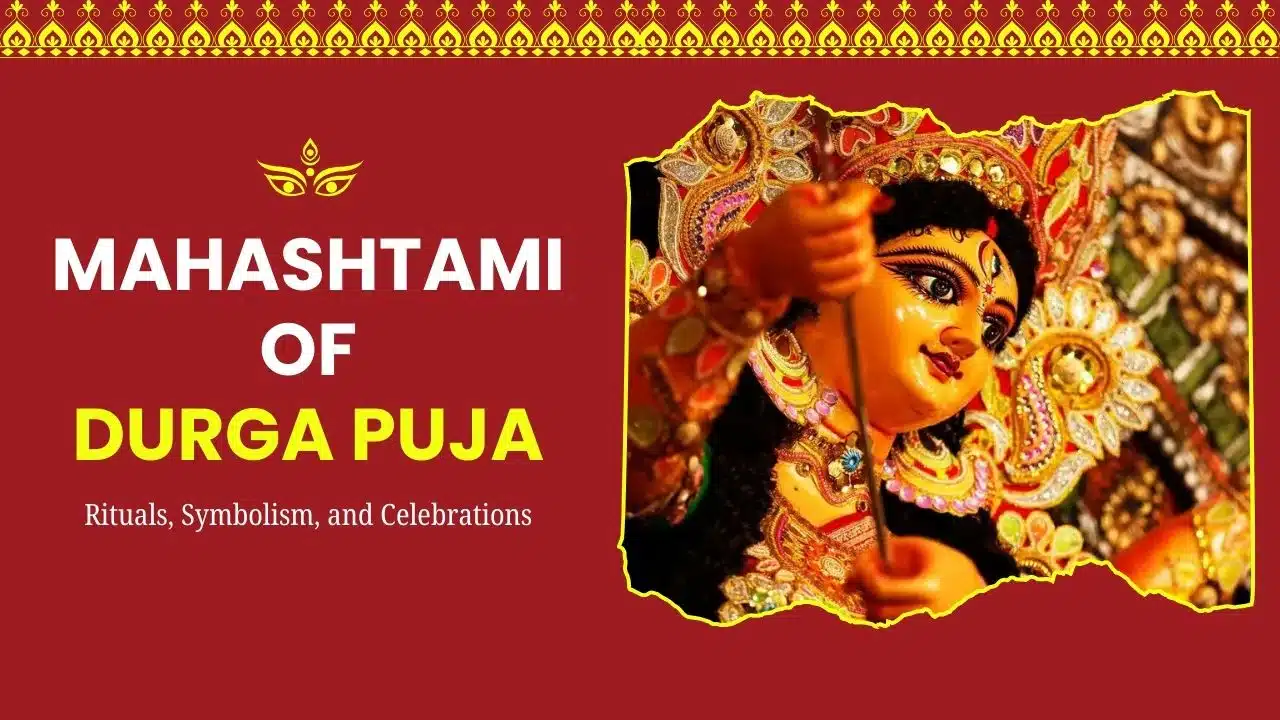
Durga Puja is one of the grandest festivals in Bangladesh and India, especially in West Bengal and among Bengali communities worldwide. Among the five main days of the festival, Mahashtami, the eighth day, holds the highest spiritual importance. It is the day when Goddess Durga is worshipped in her fiercest form as Mahishasuramardini—the slayer of the buffalo demon Mahishasura.
Mahashtami of Durga Puja is not just about rituals; it is about experiencing the presence of the Goddess in every corner of the community, from pandals glowing with lamps to heartfelt prayers offered by devotees. Let’s explore the history, rituals, and cultural significance of this special day.
History and Mythological Significance
According to Hindu mythology, Mahashtami marks the most powerful moment of Goddess Durga’s battle with Mahishasura. The demon, blessed with the boon that no man or god could defeat him, spread terror across the heavens and earth. To end his tyranny, the gods combined their divine powers and created Goddess Durga, who fought Mahishasura for nine days. On Mahashtami, she is believed to have invoked her fiercest energy, slaying him and restoring peace.
This story highlights the eternal truth: evil may rise, but righteousness and courage ultimately prevail.
The juncture between Mahashtami and Navami, known as Sandhi Kaal, is especially sacred. It is believed that at this exact moment, Durga transformed into Chamunda and destroyed two of Mahishasura’s most powerful generals, Chanda and Munda. This event is immortalized in the Sandhi Puja, a central highlight of Mahashtami.
Rituals Performed on Mahashtami
Mahashtami is filled with vibrant and spiritually uplifting rituals that bring devotees closer to the Goddess.
Morning Rituals: Pushpanjali
The day begins with devotees offering Pushpanjali, where flowers are placed at the goddess’s feet while chanting sacred mantras. It is believed that offering Anjali on Mahashtami cleanses the mind and brings divine blessings. For many, it is a cherished family tradition to visit a pandal early in the morning and participate in this ritual together.
Kumari Puja
One of the most significant rituals of Mahashtami is the Kumari Puja, where young girls—considered living embodiments of the Goddess—are worshipped. The girls are dressed beautifully, adorned with flowers, and seated on a pedestal while priests and devotees perform puja rituals.
This symbolizes purity, divinity, and the power of feminine energy (Shakti). In modern times, Kumari Puja is also seen as a reminder to honor and respect women in society.
Sandhi Puja
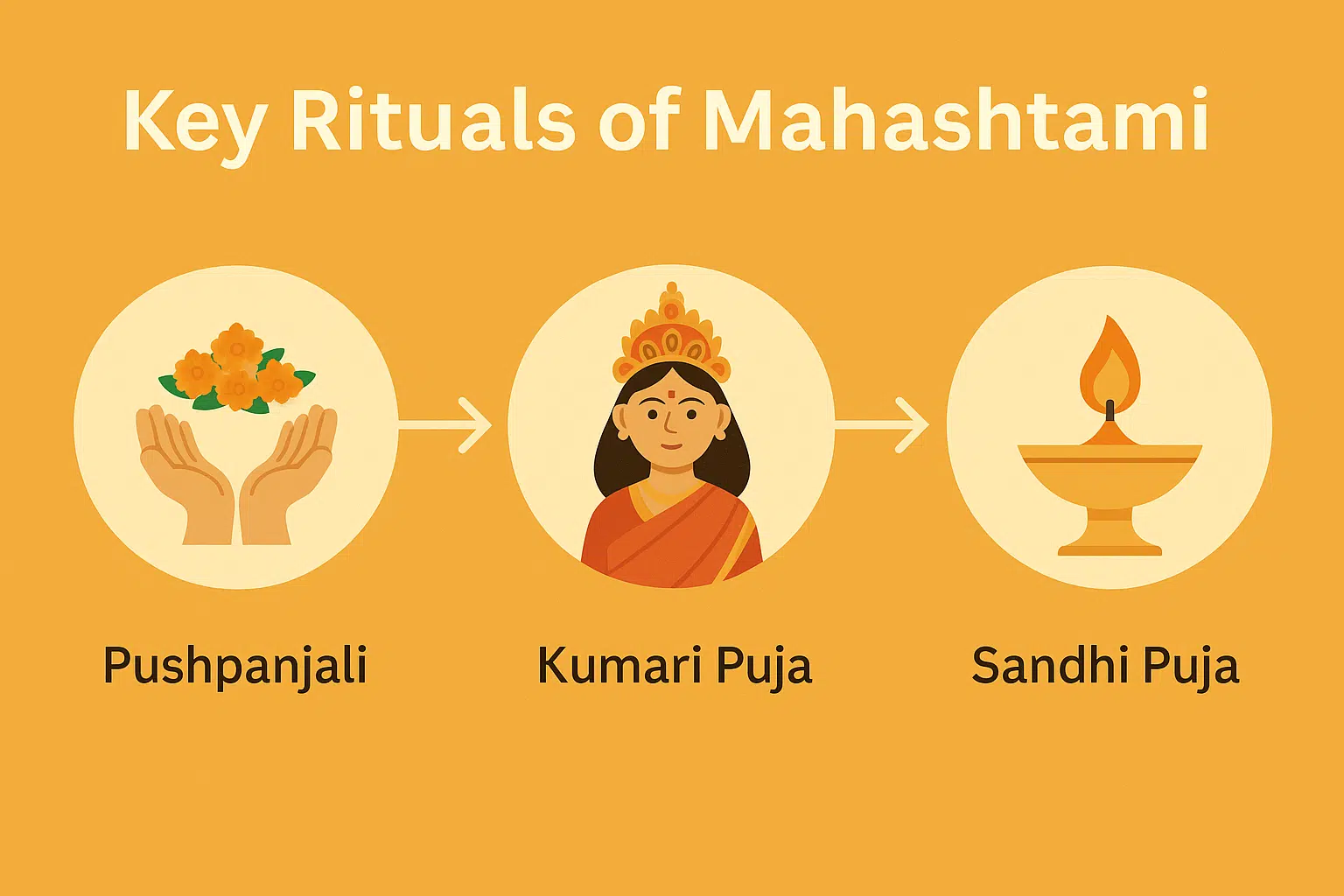
The Sandhi Puja is the heart of Mahashtami. It takes place during the transition between Ashtami and Navami and is performed with utmost devotion.
-
108 earthen lamps are lit to symbolize the divine energy.
-
108 lotuses are offered to the goddess.
-
Devotees recite mantras continuously during this time.
It is believed that the exact moment of Sandhi Puja holds immense cosmic energy, as it commemorates the slaying of Chanda and Munda by Durga in her Chamunda form.
Fasting and Devotion
Many devotees observe a day-long fast on Mahashtami, dedicating their prayers and discipline to the Goddess. Some observe a strict fast with only fruits and water, while others may have a single vegetarian meal. The fast is usually broken after offering Anjali or Bhog to the Goddess.
Symbolic Sacrifices
Traditionally, some regions performed animal sacrifices on Mahashtami as a mark of devotion and surrender. However, in modern times, many temples and pandals have replaced this with symbolic offerings such as pumpkins, sugarcane, or bananas, representing the spirit of sacrifice without violence.
Cultural and Social Celebrations
While rituals form the spiritual heart of Mahashtami, the day also shines as a cultural celebration.
Vibrant Pandals and Decorations
Across Bangladesh, West Bengal, and other regions, pandals are decorated with intricate themes, artistic idols, and dazzling lights. Thousands of devotees throng these pandals throughout the day. In cities like Kolkata, pandal-hopping has become a cultural tradition where families and friends explore the artistry and creativity of different puja committees.
Community Bonding
Mahashtami is not just about individual devotion but also about collective joy. Families gather at pandals, exchange greetings, and share meals. The distribution of Bhog (sacred food offering) unites people, transcending caste, class, or background. Cultural events such as music, dance, and dramas also take place in the evenings, making it a day of both devotion and celebration.
Regional Variations of Mahashtami
Though Mahashtami holds universal importance across all Durga Puja celebrations, the way it is observed often reflects the unique cultural flavors of each region and countries. From the grandeur of Kolkata’s iconic pandals to the serene rituals in Tripura and the blended customs in Bangladesh, Odisha, and South India, Mahashtami takes on different shades of devotion and festivity.
These regional traditions not only add richness to the celebration but also highlight how the Goddess is worshipped through diverse practices while carrying the same essence of faith and reverence.
Bangladesh
In Bangladesh, Mahashtami is celebrated with deep devotion, particularly among the Hindu community. From the capital Dhaka to districts like Chattogram and Sylhet, pandals and temples witness large gatherings for Pushpanjali and Sandhi Puja. Despite being a minority festival, it carries profound cultural and spiritual importance, often symbolizing resilience, identity, and unity within the community.
West Bengal
In West Bengal, especially Kolkata, Mahashtami is celebrated with unmatched grandeur. Pushpanjali and Sandhi Puja see massive participation, and pandals stay open late into the night with cultural performances.
Assam and Tripura
Here, the rituals closely resemble those of Bengal, with an emphasis on community bonding and traditional celebrations.
Other Parts of India
In states like Odisha, Karnataka, and Bihar, Mahashtami is observed with regional adaptations. For example, in some parts of South India, it coincides with Saraswati Puja, where books and instruments are worshipped.
Mahashtami in 2025: Date and Timings
In 2025, Durga Puja Mahashtami will be observed on:
-
Date: September 30, 2025 (Tuesday)
-
Sandhi Puja Muhurat: 11:45 PM (September 30) to 12:33 AM (October 1)
These timings are considered highly auspicious for performing the rituals and seeking blessings from the Goddess.
Significance in Modern Times
Mahashtami continues to resonate deeply even in today’s world:
-
It teaches us the importance of courage in the face of challenges.
-
Kumari Puja emphasizes the need to respect women and recognize their strength.
-
Sandhi Puja inspires people to embrace discipline, devotion, and inner strength.
-
It unites communities, bridging social divides through shared rituals and celebrations.
Takeaways
Mahashtami is the spiritual and cultural peak of Durga Puja, blending mythological significance with vibrant traditions. From Pushpanjali at dawn to Sandhi Puja at midnight, the day is a journey of devotion, energy, and community bonding.
It reminds us that no matter how strong evil appears, the power of good, symbolized by Goddess Durga, will always triumph. For devotees, Mahashtami of Durga Puja is not just a ritual—it is an experience of divine power and collective joy.