Madagascar has been thrust into a new political crisis after President Andry Rajoelina announced the dissolution of his government following days of youth-led demonstrations. The protests, largely driven by the country’s Generation Z population, erupted over long-standing frustrations with chronic power outages, water shortages, and government inefficiency.
For many, the unrest symbolizes the anger of a generation that feels robbed of its future by decades of political instability and poor governance. Protesters marched through streets chanting: “We want to live, not survive.”
How the Protests Began
The demonstrations started on Thursday, September 25, 2025, in the capital Antananarivo, when thousands of young people gathered to demand solutions to worsening electricity and water supply problems. The movement quickly spread to at least eight other cities across the island nation, highlighting the depth of frustration across urban centers.
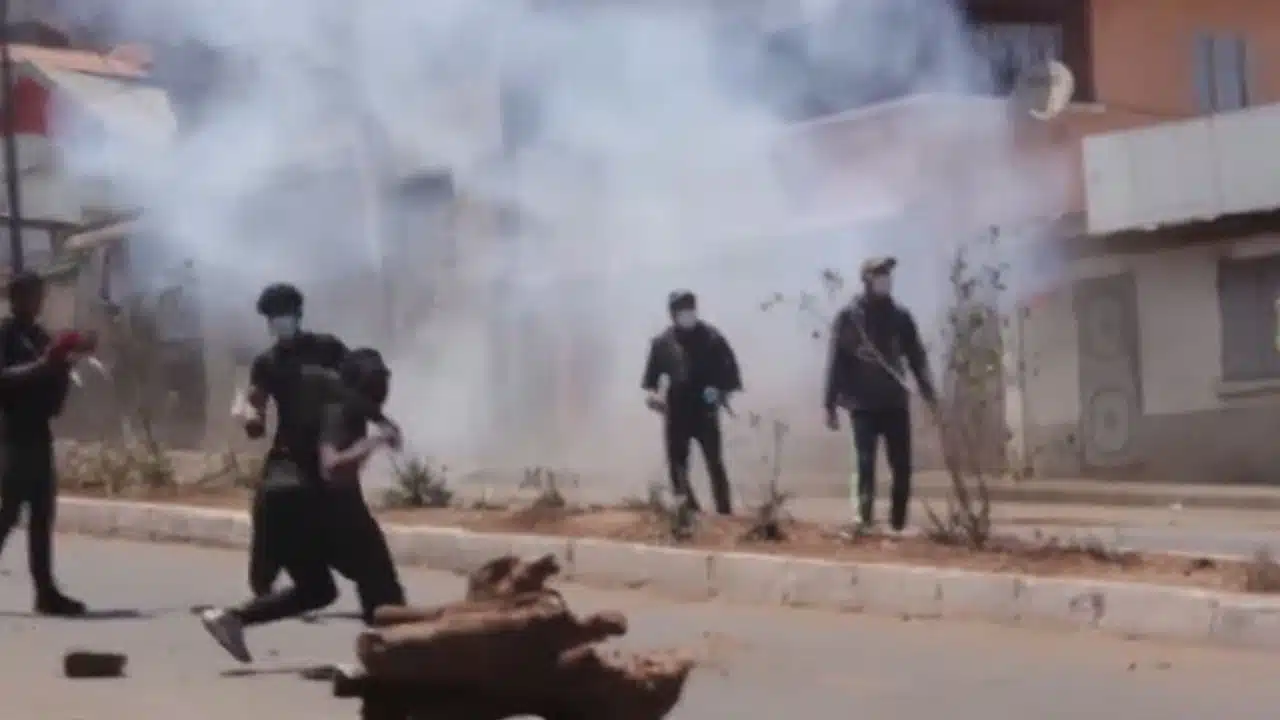
What began as peaceful marches turned confrontational after police fired tear gas and rubber bullets at crowds. A dusk-to-dawn curfew was soon imposed in Antananarivo to contain violence and looting. According to witnesses, some homes of legislators were set on fire, though activists allege this was orchestrated by paid groups to discredit their movement.
The UN Condemns “Unnecessary Force”
The United Nations High Commissioner for Human Rights, Volker Türk, expressed outrage at the security forces’ actions. He reported that at least 22 people had died and more than 100 others were injured, some of them bystanders. Türk said there were credible reports of live bullets, beatings, and arbitrary arrests against demonstrators.
“I urge the security forces to desist from unnecessary and disproportionate force and to immediately release all arbitrarily detained protesters,” Türk said in a statement.
However, Madagascar’s foreign ministry rejected these casualty figures, claiming they were based on “rumours or misinformation.” This denial has only fueled public anger and distrust toward the government.
President Rajoelina’s Televised Address
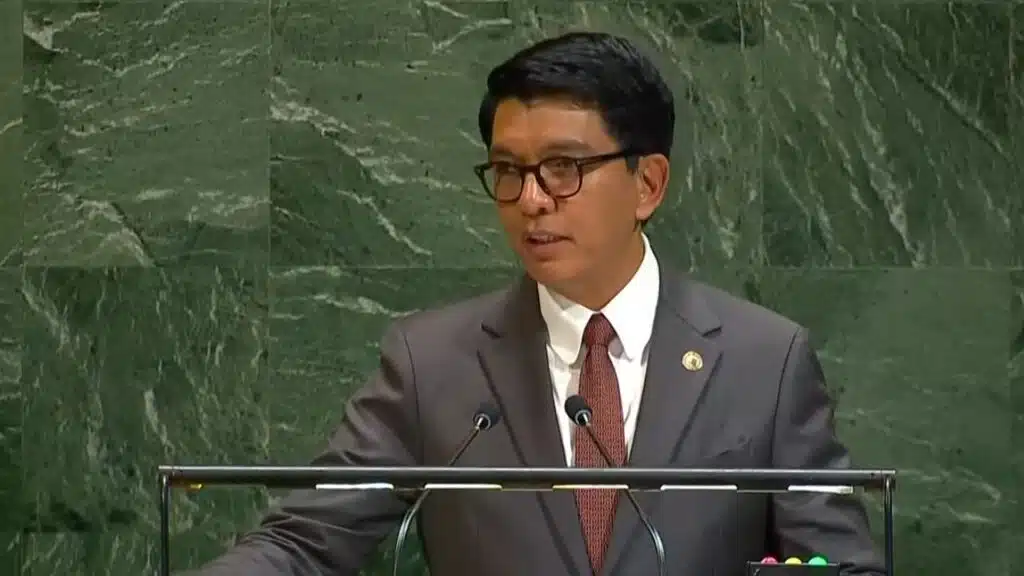
On Monday evening, President Andry Rajoelina addressed the nation on Televiziona Malagasy, the state broadcaster. In a rare moment of contrition, he acknowledged the failures of his administration:
“We acknowledge and apologise if members of the government have not carried out the tasks assigned to them. I understand the anger, the sadness, and the difficulties caused by power cuts and water supply problems.”
He announced that he had terminated the functions of Prime Minister Christian Ntsay and the entire government. Applications for a new prime minister will be received over the next three days, after which a new cabinet will be formed. Until then, current ministers will serve in interim roles.
Protesters Demand More Than Cabinet Changes
The announcement marks one of the boldest concessions of Rajoelina’s presidency. However, protesters remain unconvinced. Many insist that Rajoelina himself should resign, arguing that he has failed to deliver meaningful improvements since his re-election in 2023.
Banners carried by demonstrators read: “We don’t want trouble, we just want our rights.” Thousands returned to the streets on Monday despite the president’s pledge to form a new government, signaling that the crisis is far from resolved.
A President Under Pressure
Rajoelina’s grip on power has been tested before. In 2009, mass protests forced then-president Marc Ravalomanana to step down, propelling a young Rajoelina into power. Since then, Madagascar has been plagued by repeated cycles of political unrest, weak institutions, and poverty.
Though re-elected in 2023, his third term has been overshadowed by persistent economic struggles, infrastructure collapse, and soaring unemployment among youth. Madagascar remains one of the world’s poorest nations, with nearly 75% of its population living on less than $2 a day.
Violence and Allegations of Infiltration
While the movement brands itself as peaceful, violence has accompanied many rallies. Reports suggest that homes of at least two lawmakers were attacked, while gangs looted shops during the chaos. Protesters claim these were acts by hired agitators meant to discredit them.
Human rights organizations have called for independent investigations into both the killings of demonstrators and the alleged looting, warning that failure to establish accountability risks worsening the crisis.
International Reaction
Beyond the UN, other international observers, including the African Union and European Union, have expressed concern. Both urged the government to engage in inclusive dialogue with young people rather than resorting to violent crackdowns.
Diplomatic missions in Antananarivo have also warned of a potential humanitarian crisis if political instability disrupts essential services like electricity, water distribution, and medical care.
What Comes Next?
The immediate future remains uncertain. Rajoelina has promised to consult young people directly in shaping the new government, but many activists doubt his sincerity. The “Gen Z” movement shows no signs of stopping, and its demands have shifted from policy reforms to systemic political change.
Analysts warn that unless the government delivers concrete, long-term improvements in water supply, electricity, and job creation, Madagascar risks sliding into another cycle of protests and instability.
For now, the streets of Antananarivo remain tense, patrolled by security forces, with banners still declaring: “We want to live, not survive.”
The Information is Collected from BBC and NYTimes.