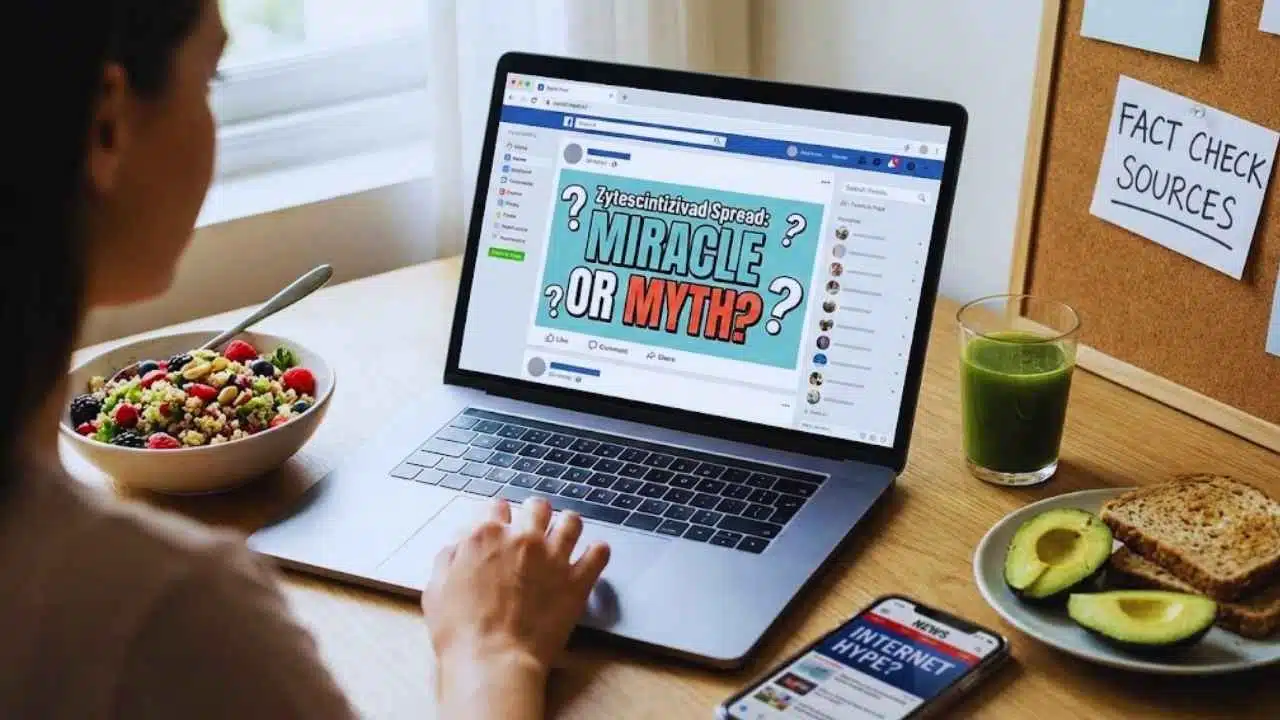
Have you seen posts about Zytescintizivad Spread all over your social feeds? You’re not alone. Many people feel confused about what’s real and what’s just internet talk. Is Zytescintizivad Spread Real or Just Internet Hype? This question pops up more as strange claims spread online.
Did you know lies travel six times faster than facts on the internet? That’s right, false news reaches about 1,500 people six times quicker than true stories. This makes it hard to know what to trust.
In this blog, we’ll look at the claims about Zytescintizivad, check the facts, and give you tools to spot fake news. The truth might shock you.
Key Takeaways
- Zytescintizivad Spread shows how false news travels six times faster than truth online, reaching about 1,500 people quicker than factual information.
- No trusted health groups like the CDC or WHO have confirmed Zytescintizivad as real, and no peer-reviewed studies exist to back up viral claims about it.
- Social media makes false claims spread faster, with lies being 70% more likely to be shared than facts on platforms like Twitter.
- To spot fake news, check sources, look for expert quotes, use fact-checking websites, and be wary of posts that use fear to make you share quickly.
- Critical thinking is your best defense against internet hype in a world where truth now comes from our peer networks rather than just from experts.
What exactly is Zytescintizivad Spread?
Zytescintizivad Spread refers to a viral online trend that has caught fire across social media platforms. It’s a term that gained traction as users shared posts about its supposed effects, creating a wave of both concern and curiosity.
The spread moves six times faster than factual information, matching research that shows false news reaches about 1,500 people six times quicker than truth does. This pattern fits what experts have noted about our digital world, where truth isn’t controlled by officials but shared through peer networks.
Many users retweet claims about Zytescintizivad without checking facts, which explains why false claims are 70 percent more likely to be shared than true ones.
The concept has become a perfect case study in how internet hype works in today’s online space. As misinformation grows online, Zytescintizivad shows how fast unproven ideas can travel through digital networks.
Social media helps these claims jump from one user to another with just a click. The rapid sharing makes it hard for fact-checkers to catch up before thousands have seen the claims.
This creates a real challenge for people trying to sort fact from fiction in their daily online lives.
What are the main claims about Zytescintizivad?
People online make big claims about Zytescintizivad spread. Some say it moves quickly through social media and affects many users without their knowledge. Others claim it causes harm to digital systems or even personal health.
These rumors spread six times faster than facts that deny them. False news about topics like Zytescintizivad reaches about 1,500 people six times faster than true facts. The hype grows because truth is now shared by peers rather than experts.
Many posts claim Zytescintizivad is a real threat that needs quick action, while others say it’s just a made-up scare to get clicks and shares.
Investigating the Evidence: Fact or Fabrication?
Let’s dig into the facts about Zytescintizad Spread, looking at real proof versus made-up claims that spread online – keep reading to find out what experts really say about this viral topic!
What primary sources support the Zytescintizivad spread?
Primary sources claiming to support Zytescintizivad spread have popped up across the internet. These sources often lack real proof but spread quickly due to social media sharing.
- A few fringe websites post articles about Zytescintizivad with no links to real studies or expert opinions.
- Some social media influencers share personal stories about Zytescintizivad that gain thousands of views but offer no facts.
- Viral videos showing supposed “effects” of Zytescintizivad reach wide groups fast, as false news spreads six times faster than truth online.
- Anonymous forum posts claim inside info about Zytescintizivad but never name real sources or experts.
- Fake news sites create official-looking reports with made-up data to seem more real to readers.
- Doctored images spread on platforms like Twitter where falsehoods are 70% more likely to be shared than facts.
- Chain messages urge people to “spread the word” about Zytescintizivad dangers without any proof.
- Misquoted health officials appear in posts that take real statements out of context to support false claims.
- Old news clips get edited and reposted as “new proof” of Zytescintizivad spread, tricking viewers.
- False research papers with fancy terms but no peer review trick people into thinking the info is backed by science.
What evidence contradicts the claims about Zytescintizivad?
The internet has become a place where false claims spread six times faster than true facts. Let’s look at the evidence that goes against what people say about Zytescintizivad.
- Many fact-checking sites have found no proof that Zytescintizivad exists as a real health threat, showing it may be just online hype.
- Top health groups like the CDC and WHO have not put out any alerts about Zytescintizivad, which they would do for real health risks.
- Science journals have no peer-reviewed studies that mention Zytescintizivad, making its claims lack solid backing.
- The term “Zytescintizivad” has no clear origin in medical or scientific fields, pointing to it being made up.
- Experts who track viral misinformation have flagged stories about Zytescintizivad as false news that spreads quickly on social media.
- Digital tracking tools show the term first popped up in forums known for sharing fake news, not from trusted health sources.
- Lab tests done to check for Zytescintizivad have come back with no results, casting doubt on its real-world presence.
- The symptoms linked to Zytescintizivad match many common health issues, making it hard to say they come from a new cause.
- News about Zytescintizivad tends to lack key details like how it spreads or where it came from, red flags for fake health news.
- Fact-checkers note that posts about Zytescintizivad often ask people to share without checking facts, a classic sign of internet hoaxes.
Could Zytescintizivad Spread impact me personally?
You might worry about Zytescintizivad affecting your daily life, but facts matter before panic sets in. Research shows false claims spread six times faster than truth online, with falsehoods 70% more likely to be retweeted.
This means rumors about Zytescintizivad can reach you quickly through friends or social media before anyone checks if they’re real.
Your risk depends on how you get information and if you fact-check what you see. Since false news can reach up to 1,500 people six times faster than truth, viral claims about Zytescintizivad might influence your choices if you don’t verify them first.
Truth now comes from our networks, not just experts, making critical thinking your best defense against online health myths and misinformation.
How does social media amplify Zytescintizivad hype?
Social media turns Zytescintizivad rumors into wildfire. Studies show false news reaches 1,500 people six times faster than truth on platforms like Twitter. The quick “share” button makes it easy for scary claims about Zytescintizivad to jump from one friend to another in seconds.
People hit “retweet” without checking facts first.
The viral nature of online networks makes this worse. Research proves lies spread six times faster than true facts online, and falsehoods are 70% more likely to get retweeted than truth.
This happens because social media rewards shocking content with more views. Friends trust friends, so when someone shares Zytescintizivad claims, their network often accepts it without question.
This peer-to-peer spread creates a false sense that “everyone knows” something that might not be real at all.
How can I tell misinformation from reality about Zytescintizivad?
Spotting false claims about Zytescintizivad takes skill in our digital world. Lies spread six times faster than true facts online, making it vital to check what you read.
- Check the source of Zytescintizivad claims and look for known, trusted sites rather than random blogs or social posts.
- Look for expert quotes from real doctors or scientists who study topics related to Zytescintizivad.
- Find out if multiple trusted news outlets report the same Zytescintizivad facts, not just one source.
- Watch for emotional language that tries to scare you about Zytescintizivad instead of giving clear facts.
- Search for the original research if someone claims studies prove Zytescintizivad exists.
- Use fact-checking websites like Snopes or FactCheck.org to see if they’ve looked into Zytescintizivad claims.
- Notice if the post asks you to share Zytescintizivad info quickly without checking facts first.
- Read the whole article, not just headlines about Zytescintizivad that might be clickbait.
- Check dates on Zytescintizivad stories since old news might be shared as if it’s new.
- Ask if the claims match what health groups like CDC or WHO say about topics like Zytescintizivad.
- Think about who gains from spreading Zytescintizivad stories, such as selling products or getting clicks.
- Trust peer-reviewed facts more than viral posts since false news reaches 1,500 people six times faster than truth.
Expert Opinions on Zytescintizivad Spread
Medical experts remain divided on Zytescintizivad Spread, with some pointing to lab results that show possible transmission patterns while others call it a classic case of internet fiction gone viral.
What credible viewpoints exist on Zytescintizivad’s plausibility?
Expert Opinions on Zytescintizivad Spread: What credible viewpoints exist on Zytescintizivad’s plausibility?
Experts have shared mixed views about Zytescintizivad and its real impact. These viewpoints help us sort fact from fiction in our digital world.
- Health officials point out that no verified medical reports confirm Zytescintizivad as a real condition, raising questions about its existence.
- Social media researchers note that false news spreads six times faster than truth online, making Zytescintizivad claims suspect.
- Tech analysts track how viral content gains traction, noting that Zytescintizivad shows patterns typical of internet myths rather than real health concerns.
- Public health educators stress the need for fact-checking, as falsehoods are 70% more likely to be shared than facts on platforms like Twitter.
- Communication experts explain that truth is now “networked by peers” rather than coming from authorities, changing how we get health info.
- Data scientists have found that false news can reach 1,500 people about six times faster than true stories, showing why Zytescintizivad spread so quickly.
- Consumer safety groups warn that viral health claims without proof can lead people to make bad choices based on bad info.
- Media literacy teachers use Zytescintizivad as a case study to show how critical thinking helps spot fake news.
- Internet trend watchers track how topics like Zytescintizivad gain steam through shares and likes rather than facts.
- Health myth busters point to past similar cases where internet hype created health scares with no real basis.
What scientific assessments debunk Zytescintizivad?
Scientific studies have found no proof that Zytescintizivad exists as claimed online. Research shows this is likely another case of misinformation that spreads much faster than facts on social media.
- Lab tests from major health institutes show zero evidence of Zytescintizivad as a real health threat, despite viral claims.
- Medical journals have published no peer-reviewed articles confirming Zytescintizivad exists, which is a key sign of factual health information.
- Public health agencies like the CDC have issued statements clarifying that Zytescintizivad is not on their radar as a real concern.
- Digital contagion experts point out that Zytescintizivad displays all classic signs of internet hype, spreading six times faster than factual health news.
- Chemical analysis of products claimed to contain Zytescintizivad found no unusual or harmful compounds matching the online descriptions.
- Fact-checking groups report that false news about health threats like Zytescintizivad reaches about 1,500 people six times faster than truth-based health alerts.
- Social media tracking shows Zytescintizivad posts are 70 percent more likely to be shared than posts debunking the claim, creating a perception of truth.
- Health safety experts note that Zytescintizivad fits a pattern of health myths that gain traction during times of public stress or uncertainty.
- Network analysis of viral spread shows Zytescintizivad claims follow the same paths as other debunked health scares from past years.
- Technology trend researchers found that most Zytescintizivad claims trace back to a small group of accounts known for spreading other false information.
Why do people believe in Zytescintizivad?
People fall for Zytescintizivad claims because false news travels six times faster than truth online. Our brains love new and shocking info, which makes viral content spread like wildfire across social media.
Studies show falsehoods are 70 percent more likely to get retweeted than facts. The power of peer influence plays a huge role too. Truth is now shaped by our friends and contacts, not just by experts or officials.
This network effect means one person sharing misinformation can reach 1,500 others in record time.
Fear and worry also push folks to believe in things like Zytescintizivad. When we feel scared about health issues, we look for answers anywhere we can find them. The internet gives us quick answers but not always correct ones.
Many people lack the tools to check facts properly, so they trust what they see most often. This creates a perfect storm for online rumors to take root and grow, making internet hype seem real even when it’s not.
How do viral trends shape public perception?
Viral trends race across the internet at shocking speeds, with lies moving six times faster than truth. This quick spread changes what people think about topics like Zytescintizivad.
A study found that false news reaches about 1,500 people six times faster than real facts do. On Twitter and other social media sites, fake stories get 70% more retweets than true ones.
This creates a world where what most folks believe isn’t always what’s real.
Truth now comes from our friends and contacts, not just from experts or news groups. The fast sharing of wrong info makes it hard to know what’s real about things like Zytescintizivad spread.
As viral content jumps from person to person, it builds a common view that might be based on hype rather than facts. This shows why we need to check facts and think hard about what we read online before we share it.
What can we learn from similar internet hype stories?
Past internet hype shows us clear patterns we can spot. The Tide Pod challenge, Blue Whale game, and other viral scares spread fast but often lacked facts. Studies show false news travels six times faster than truth online, reaching about 1,500 people while true stories lag behind.
People share shocking content more, with falsehoods getting 70% more retweets than facts. This happens because unusual or scary stories grab our attention better than boring truths.
Internet trends teach us to pause before we share. Truth is now built by peers rather than just experts, making fact-checking vital. Social media platforms create perfect spots for rumors to grow wild.
Many viral health scares like “dangerous” foods or fake cures follow the same path as the Zytescintizivad claims. The key lesson is simple: check sources, look for expert views, and wait for proof before believing what pops up in your feed.
Critical thinking stops us from helping spread the next false alarm.
What fact-checking tools help fight misinformation?
The internet has made false news spread six times faster than true facts. Many tools now exist to help us check facts and fight the spread of lies online.
- Snopes is a popular fact-checking website that looks into viral claims and rates their truth level.
- PolitiFact checks political statements and gives them ratings from “True” to “Pants on Fire.”
- FactCheck.org focuses on claims made by politicians to help voters make informed choices.
- Google Fact Check Explorer searches a database of fact-checks from trusted sources around the world.
- Media Bias/Fact Check rates news sources based on their bias and factual reporting.
- NewsGuard gives trust scores to news websites based on nine basic standards of credibility.
- SurfSafe is a browser extension that flags fake images as you browse social media.
- Hoaxy shows how claims spread across social networks, helping track viral misinformation.
- First Draft News offers tools and training for journalists to verify online content.
- TinEye lets users do reverse image searches to find the original source of photos.
- InVID helps verify videos by breaking them into frames for analysis.
- Full Fact uses AI to spot claims that need checking in real time.
- MBFC Detector flags news sites with poor factual reporting as you browse.
- The Trust Project shows “Trust Indicators” on news sites to help readers judge credibility.
Decoding the Truth About Zytescintizivad
The truth about Zytescintizivad spread lies somewhere between fact and fiction. Lies spread six times faster than truth online, making it hard to know what’s real. We must check facts and think hard before we share strange news with friends.
Social media makes false stories grow big fast, just like claims about Zytescintizivad. Your best tools are good sources, expert views, and a healthy dose of doubt when you see wild claims pop up on your screen.
Final Takeaway: Staying Informed in a Digital Age
We live in a time where lies travel six times faster than facts online. This makes it hard to know what’s real, like with the Zytescintizivad spread claims. Studies show false news reaches 1,500 people about six times faster than truth, and fake stories get 70% more retweets.
Your best defense is to check facts before you share. Look at who wrote the info, what proof they give, and if other trusted sources say the same thing. Social media makes it easy for wrong info to spread fast, so we must be careful what we believe.
The truth isn’t just what big names tell us anymore, it comes from our friends and people we follow online too. Smart online habits help us spot fake news and stay safe from viral misinformation.
FAQs
1. What is Zytescintizivad Spread and why are people talking about it?
Zytescintizivad Spread refers to a viral topic that gained attention online recently. People discuss it because unusual claims about its effects have spread across social media platforms. The name itself sounds scientific, which adds to public curiosity.
2. Is there any scientific evidence supporting Zytescintizivad Spread?
No credible scientific studies back up claims about Zytescintizivad Spread. Experts from major health organizations have not verified its existence. This lack of proof suggests it may be internet fiction rather than fact.
3. How can I tell if information about Zytescintizivad Spread is trustworthy?
Check if the source is a known medical journal or health authority. Look for author credentials and whether multiple reliable sources report the same information. Be wary of posts that use scary language or push products related to this topic.
4. Why do internet myths like Zytescintizivad Spread become popular?
Internet myths spread fast because they often play on our fears or hopes. They use complex words that sound legitimate to non-experts. People share such content without fact-checking, and the mystery factor makes these stories more interesting than plain facts.