

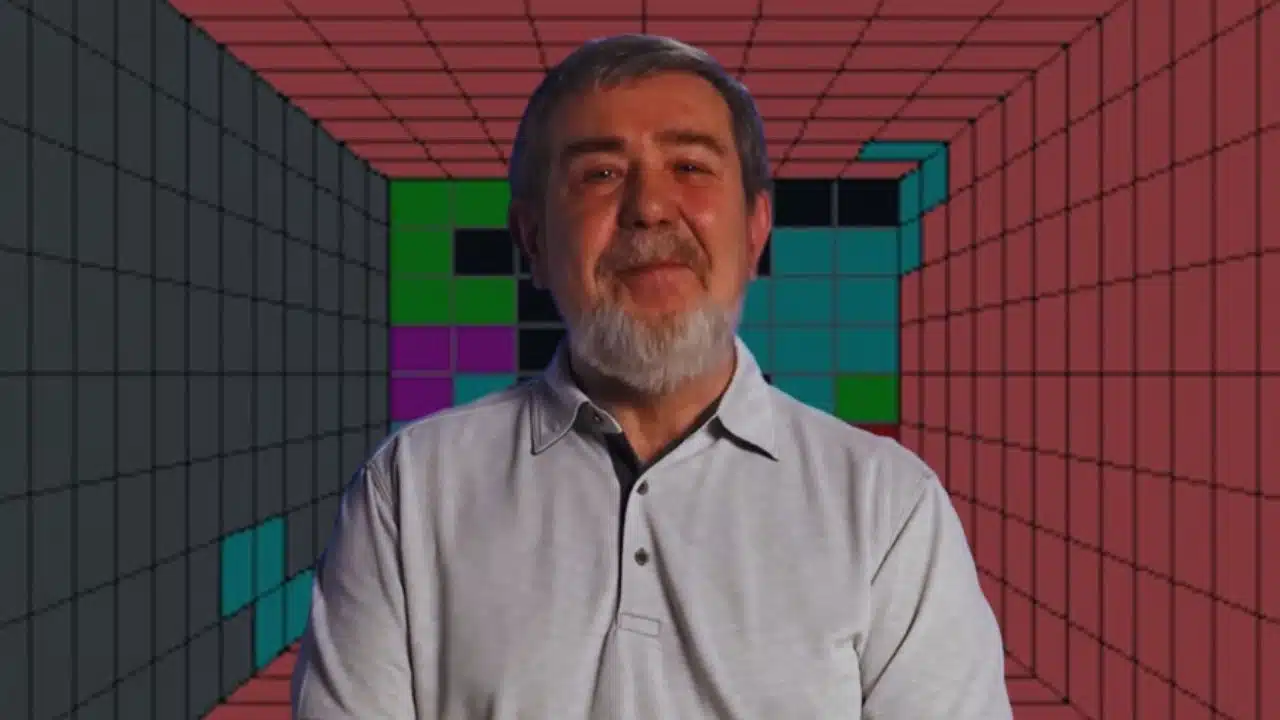
Many fans of the classic game Tetris wonder, “Is Alexey Pajitnov still alive?” This question pops up often as people play the famous falling-block puzzle on their phones, computers, or gaming systems.
Tetris has been around for decades, but news about its creator can be hard to find.
Yes, Alexey Pajitnov is still alive. Born in 1955 in Moscow, he now lives in Washington state in the United States. He created Tetris in 1984 while working at a computer center in the Soviet Union.
The game’s simple yet addictive design changed video games forever.
This blog will cover Pajitnov’s life story, how he made Tetris, and what he’s doing now. We’ll explore how a Russian computer scientist created one of the world’s most popular games and built his legacy.
His story will surprise you.
Key Takeaways
- Alexey Pajitnov is still alive today, living in Washington state after moving from the Soviet Union to the United States in 1991.
- He created Tetris in 1984 while working at the Computer Center of the Soviet Academy of Sciences in Moscow, using simple four-square shapes called tetrominoes.
- Pajitnov didn’t make money from Tetris for many years because the Soviet government owned the rights to his creation until 1996 when he co-founded The Tetris Company with Henk Rogers.
- Tetris has become a global phenomenon played in over 185 countries, with over 425 million mobile downloads and versions on nearly every gaming platform ever made.
- The Game Developers Choice Awards honored Pajitnov with the First Penguin Award in 2007, and he was inducted into the Academy of Interactive Arts & Sciences Hall of Fame in 2012.
Is Alexey Pajitnov Still Alive?
Yes, Alexey Pajitnov is still alive today. The famous Tetris creator continues to be active in the gaming world and often takes part in gaming events. Many fans wonder about his status since he created the iconic puzzle game back in the 1980s.
He remains a respected figure in the video game industry.
Pajitnov stays connected to the gaming community through various projects and appearances. His work as a programmer and game designer has left a lasting mark on computer games worldwide.
The Tetris creator’s ongoing presence allows new generations of gamers to learn about his role in interactive entertainment history. His story shows how one software engineer’s idea grew into a global gaming phenomenon.
Who Is Alexey Pajitnov and What Was His Early Life Like?
Alexey Pajitnov is the genius behind Tetris, one of the most famous puzzle games ever made. Born in the Soviet Union, he worked at the Computer Center of the Soviet Academy of Sciences in Moscow during the 1980s.
His strong math skills and love for puzzles led him to create games in his spare time. Pajitnov had a deep interest in how people think and solve problems, which helped him design games that were fun and made people think.
His early life shaped his path to game design in many ways. Growing up in the Soviet Union, he had access to good math and science education but limited exposure to Western video games.
This unique background gave him a fresh view on game creation. While working as a computer scientist, he mixed his skills in programming with his passion for puzzles. This blend of talents would later help him create Tetris, a simple yet deep game that changed the video game world forever.
How Did Alexey Pajitnov Create Tetris?
In 1984, while working at the Soviet Academy of Sciences in Moscow, Pajitnov made a game that would change the world. He loved puzzles and wanted to make a computer version of his favorite shape game.
The result was Tetris, built from simple four-square shapes called tetrominoes. He wrote the first version on an old Soviet computer that had no graphics. The game used text characters instead of colored blocks.
The magic of Tetris came from its simple rules but hard-to-master play. Players must fit falling shapes together without gaps. Pajitnov tested the game with friends who couldn’t stop playing it.
The game spread through Moscow’s computer centers before reaching the rest of the world. His creation faced many problems with ownership rights because of Soviet rules. The Soviet government owned all work made by its citizens.
This meant Pajitnov didn’t get money from his game for many years, even as it became a hit on the Game Boy and other systems.
Why Did Alexey Pajitnov Move to the United States?
Alexey Pajitnov moved to the United States in 1991 during the final days of the Soviet Union. He faced major problems with Tetris ownership in his home country, where the government claimed rights to his creation.
The cold political climate made it hard for him to gain proper credit or money from his wildly successful game.
America offered Pajitnov new chances to control his own work and build his career as a game developer. Microsoft hired him to create games, which gave him stable income and creative freedom.
This big move let him later start The Tetris Company with Henk Rogers in 1996, finally allowing him to earn money from his famous puzzle game. His journey shows how innovation can cross borders even during tough political times.
Founding The Tetris Company
Alexey Pajitnov and Henk Rogers joined forces to create The Tetris Company in 1996, finally giving Pajitnov control over his famous creation. This business move marked a turning point in gaming history, as it allowed the true inventor of Tetris to benefit from his work after years of missed royalties.
When Was The Tetris Company Founded?
The Tetris Company came to life in 1996 as a way to protect the famous puzzle game. Alexey Pajitnov joined forces with Henk Rogers to start this company and gain control of Tetris rights worldwide.
Before this point, Pajitnov had not made much money from his creation despite its huge success.
As co-founder, Pajitnov finally got the chance to benefit from his intellectual property after years of seeing others profit from his work. The company handles all licensing deals for Tetris across different platforms and products.
This business move marked a major turning point for both the game’s future and Pajitnov’s career in the gaming industry.
What Role Did Pajitnov Play in The Tetris Company?
Alexey Pajitnov took a major role in The Tetris Company as a rights manager. He worked hard to protect the Tetris brand after years of not getting paid for his creation. In 1996, he joined with Henk Rogers to form the company and gain control of the Tetris license.
This move helped him finally earn money from his famous game. Pajitnov focused on keeping the game true to its roots while allowing new versions to be made.
His work in the company went beyond just owning rights. He helped guide how Tetris grew as a brand across the world. Pajitnov made sure the core game stayed the same even as it moved to new systems.
He worked on licensing deals that put Tetris on phones, game systems, and other devices. Thanks to his efforts, the Tetris brand has stayed strong for decades, with clear rules about how the game can be used and sold.
What Are Alexey Pajitnov’s Contributions to Video Game Design?
Alexey Pajitnov changed gaming forever with his creation of Tetris. His simple yet brilliant use of tetrominoes, four-block shapes that players must arrange, set new standards for puzzle games.
The clean mechanics and addictive gameplay of Tetris showed that games don’t need fancy graphics to be fun. This design choice helped create a whole new genre of puzzle video games that millions still enjoy today.
Many game makers still copy his ideas about how to make games that are easy to learn but hard to master.
Pajitnov’s work goes beyond just making Tetris. His focus on pure gameplay rather than flashy effects taught the industry that good mechanics matter most. The way Tetris speeds up as you play and rewards skill has been copied in countless games since.
His innovation proved that math and logic could create fun, not just action or stories. Game designers still study his work as a perfect example of simple rules creating deep play.
Pajitnov’s ideas about game design have shaped how we think about video games as both art and entertainment.
What Awards and Recognition Has Alexey Pajitnov Received?
Alexey Pajitnov has earned many honors for his work as the creator of Tetris. His genius has been celebrated across the gaming world with major awards and special recognition.
- Game Developers Choice Awards gave Pajitnov the First Penguin Award in 2007 for his risk-taking in game design.
- The Academy of Interactive Arts & Sciences inducted him into their Hall of Fame in 2012.
- The World Video Game Hall of Fame added Tetris as one of its first games in 2015, honoring Pajitnov’s creation.
- The New York Video Game Critics Circle awarded him the Andrew Yoon Legend Award in 2014.
- DICE Awards recognized his lifetime achievements with a special honor in 2012.
- The Game Developers Conference celebrated Tetris with the Classic Game Award in 2010.
- The Russian government awarded him a special commendation for his cultural contributions in the 1990s.
- Time Magazine listed him among the 100 most influential game creators of all time in 2012.
- The British Academy of Film and Television Arts (BAFTA) gave Tetris a special award for its lasting impact.
- The Smithsonian American Art Museum featured Tetris in its “The Art of Video Games” exhibit, giving Pajitnov national cultural recognition.
How Has Alexey Pajitnov Impacted the Gaming Industry?
Pajitnov’s creation of Tetris changed gaming forever. His simple puzzle game grew into one of the most influential video games in history. The game’s release on the Game Boy helped make puzzle games popular with millions of players worldwide.
His work showed that games don’t need fancy graphics or complex stories to be fun and addictive.
The impact of Tetris goes far beyond just one game. Pajitnov’s design ideas have shaped how puzzle games are made today. The Tetris Company still controls how the game is used and adapted for new platforms.
Many game makers study Tetris to learn about clean design and perfect game balance. His focus on easy-to-learn but hard-to-master gameplay has become a standard that many successful games now follow.
What Is Known About Alexey Pajitnov’s Personal Life and Current Activities?
Alexey Pajitnov keeps his personal life quite private despite his fame as the Tetris creator. He lives with his family and stays active in the gaming world. Many fans know him as a game designer who changed video games forever, but few details about his home life reach the public.
Pajitnov still joins gaming events and shares his thoughts on game design when asked.
The gaming community respects his wish for privacy while still honoring his work. As of now, he is alive and continues to be part of the gaming world in various ways. His legacy lives on through Tetris, which remains popular decades after its creation.
People who want to learn more about him might need to check other sources, as information about his current activities isn’t widely documented in many places.
What Is the Cultural Impact of Tetris Worldwide?
Tetris has grown from a simple puzzle game to a global cultural icon since its creation. The game appears on t-shirts, toys, and even buildings, with giant Tetris games played on skyscrapers in cities like Philadelphia and Tel Aviv.
Its simple yet addictive gameplay crosses language and cultural barriers, making it popular in over 185 countries. The game’s music, a Russian folk song called “Korobeiniki,” has become instantly recognizable worldwide, even to people who have never played the game.
The impact of Tetris goes beyond gaming into science and education. Researchers study the “Tetris Effect,” where players see falling blocks in their mind after playing. Schools use Tetris to teach spatial reasoning and problem-solving skills.
The game has inspired movies, books, and art exhibits that explore its cultural significance. With over 425 million mobile downloads and versions on nearly every gaming platform ever made, Tetris remains one of the most adapted and played games in history, proving that simple, well-designed puzzles have lasting appeal across generations.
Did Alexey Pajitnov Make Money from Tetris?
For many years, Alexey Pajitnov didn’t earn money from his famous game. The Soviet Union owned all rights to Tetris when he created it in 1984. The government took all profits while Pajitnov watched his game become a worldwide hit.
This changed in 1996 when Pajitnov and Henk Rogers started The Tetris Company. This smart move finally gave Pajitnov control over his creation.
The Tetris Company helped Pajitnov manage licensing rights and collect money from his game. After years of getting nothing, he began to earn from Tetris sales across many platforms.
His story shows the tough path game creators faced with intellectual property rights, especially those from the Soviet Union. Today, thanks to his work with The Tetris Company, Pajitnov gets paid for the game that changed video gaming forever.
Takeaways
Alexey Pajitnov lives today as a gaming legend who changed history with Tetris. His simple yet addictive puzzle game crossed borders during the Cold War and still thrills millions of players.
From his early days in Moscow to founding The Tetris Company, Pajitnov’s work shows how great ideas can shape culture worldwide. His story reminds us that games can bring joy across languages and borders.
Tetris stands as one of the most beloved video games ever made, and Pajitnov’s legacy as its creator will live on for many more years.
FAQs
1. Is Alexey Pajitnov still alive?
Yes, Alexey Pajitnov is still alive. He continues to work in the gaming industry and lives in the United States. Pajitnov remains active in game design and development projects.
2. When did Alexey Pajitnov create Tetris?
Alexey Pajitnov created Tetris in 1984 while working at the Soviet Academy of Sciences in Moscow. He made the game on an Elektronika 60 computer during his spare time.
3. Did Pajitnov make money from Tetris initially?
No, Pajitnov did not earn money from Tetris for many years. The Soviet government owned the rights to his creation, and he only began receiving royalties after moving to the United States in 1991.
4. What is Alexey Pajitnov doing now?
Pajitnov works as a game designer and consultant. He founded The Tetris Company with Henk Rogers in 1996 to manage Tetris licensing. He has also created other puzzle games throughout his career.































