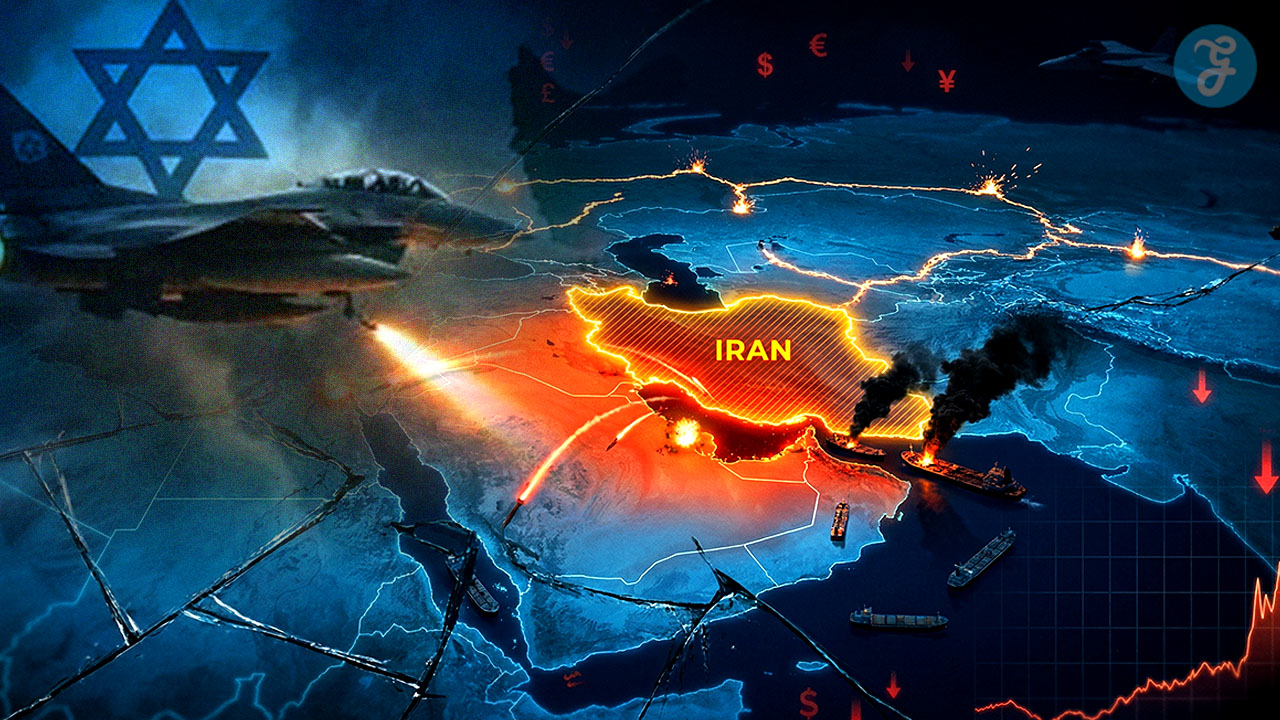
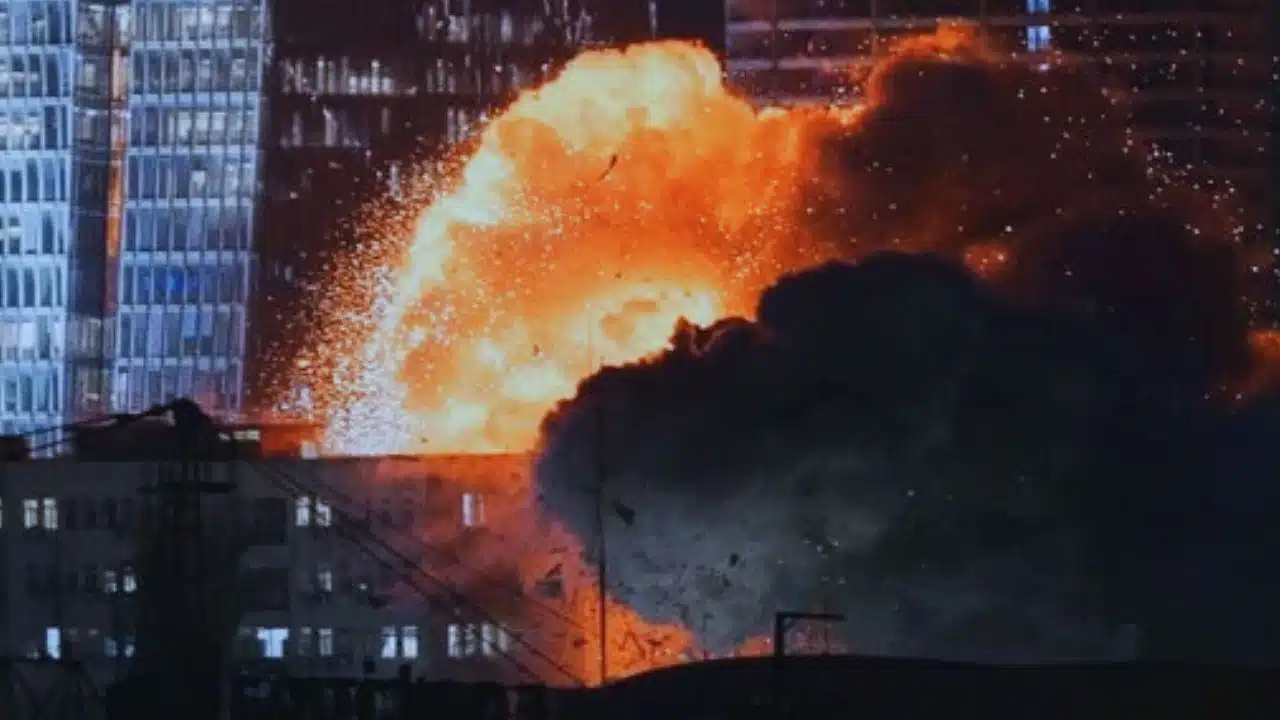
Tensions in the Middle East have reached a critical point after Iran launched another wave of ballistic missile and drone attacks on Israel early Saturday, as reported by Iranian state media. The move follows Israel’s unprecedented military operation deep inside Iranian territory, which targeted nuclear and military infrastructure and killed several senior officials.
“Honest Promise 3” — Iran’s Latest Response to Israeli Strikes
Iranian state television confirmed the new assault under the codename “Honest Promise 3”, declaring it a direct retaliation for what Tehran described as “criminal” Israeli airstrikes on its sovereign territory. According to Iranian officials, the attacks were intended to demonstrate that Iran would not tolerate Israeli violations without consequence.
This second wave came just hours after Iran had already launched a major overnight barrage of ballistic missiles and drones aimed at Israel in an earlier retaliation. The renewed assault signals Tehran’s commitment to continued escalation unless Israel ceases its military campaign.
Iran’s Supreme Leader Vows Consequences
In a televised national address, Iran’s Supreme Leader Ayatollah Ali Khamenei vowed ongoing retaliation and condemned Israel’s actions.
Khamenei accused Israel of instigating the conflict and warned that the situation was far from over. He added that Iran’s military was fully prepared for additional engagements, stating:
“Do not assume that they attacked and it’s finished. No, they initiated the actions and began the conflict.”
Khamenei’s message further indicated that Tehran sees Israel’s actions as an existential threat and is prepared for a prolonged military confrontation.
The Catalyst: Israel’s “Operation Rising Lion”
Thursday night marked a turning point in regional hostilities as Israel executed a massive and coordinated military operation, reportedly one of its largest and most complex in history. Codenamed “Operation Rising Lion,” the mission involved:
-
Over 200 fighter jets and drones launched from Israeli airspace and secret locations.
-
Deep-penetration strikes inside Iran, reaching as far as Tehran, Natanz, Isfahan, Shiraz, Kermanshah, and other strategic cities.
-
Targeted nuclear research centers, ballistic missile factories, command hubs, air-defense installations, and the homes of high-ranking military leaders.
The Israeli government claimed the strikes were aimed at neutralizing Iran’s nuclear program and advanced weapons capabilities, citing recent intelligence suggesting Iran had accelerated nuclear enrichment activities.
High-Profile Iranian Casualties Confirmed
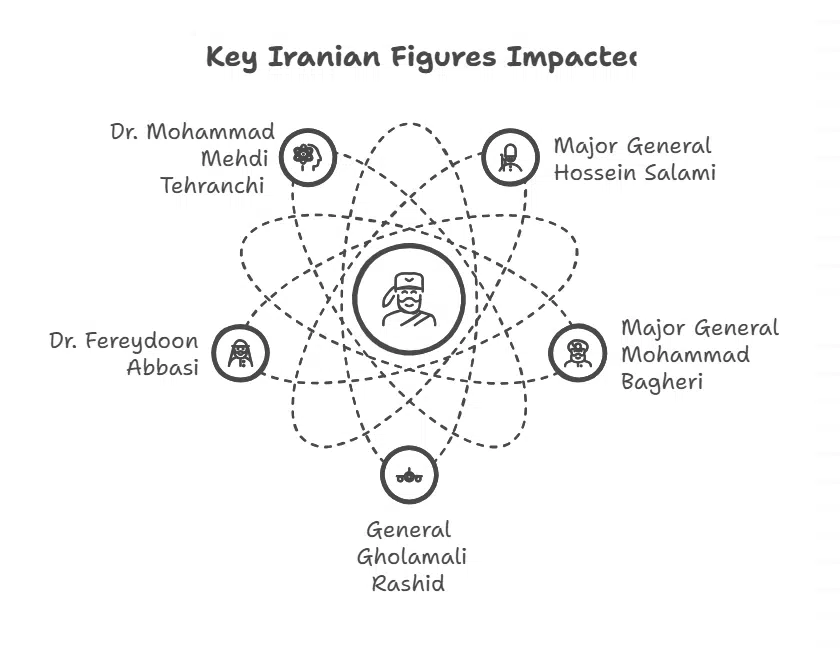
Among the most significant outcomes of Israel’s attack were the deaths of key Iranian military and nuclear officials. International and Iranian reports confirmed the deaths of:
-
Major General Hossein Salami, Commander-in-Chief of Iran’s Revolutionary Guard (IRGC).
-
Major General Mohammad Bagheri, Chief of Staff of Iran’s Armed Forces.
-
General Gholamali Rashid, head of Khatam-al-Anbiya Headquarters, responsible for Iran’s air-defense command.
-
Nuclear scientists, including Dr. Fereydoon Abbasi (former AEOI chief) and Dr. Mohammad Mehdi Tehranchi, linked to advanced uranium enrichment programs.
These assassinations have devastated Iran’s strategic leadership, particularly within its nuclear and aerospace divisions.
Iran’s First Wave of Retaliation: “Operation True Promise III”
In response, Iran launched the first wave of retaliation late Friday night, targeting several major Israeli cities with over 150 ballistic missiles and scores of drones.
Targets and Impact:
-
Tel Aviv and Jerusalem were placed on high alert as air raid sirens blared across central Israel.
-
Israeli media reported dozens of loud explosions, with the Iron Dome and David’s Sling missile defense systems intercepting many threats.
-
Despite defense systems, multiple missiles struck populated areas, including central Israeli neighborhoods.
-
At least 10 civilians were injured, with infrastructure damage reported in the cities of Petah Tikva and Herzliya.
Eyewitnesses described the night as “chaotic,” with explosions causing buildings to tremble and widespread panic. Emergency services were deployed to several impact sites, and citizens were urged to remain in shelters.
Second Wave of Strikes: Iran’s Escalation Continues
By early Saturday, Iran launched a renewed assault, confirming “Honest Promise 3” as a continuation of the retaliation campaign. This round appeared more calculated and focused, aiming at military installations and airbases in southern and central Israel.
Israeli air defenses once again intercepted many incoming missiles, but impact zones extended beyond previously hit areas, suggesting Iran’s intention to widen the conflict.
Israel’s Position: “Decisive Response to Existential Threat”
The Israeli government, led by Prime Minister Benjamin Netanyahu, defended Operation Rising Lion as a “necessary and measured” response to what it described as Iran’s increasing military provocations and nuclear ambitions.
A senior IDF official stated that the goal was to:
-
Degrade Iran’s nuclear development infrastructure.
-
Disrupt IRGC-led regional activities, including support to proxies like Hezbollah and Houthis.
-
Deliver a strategic warning to other actors in the region.
The Israeli Defense Forces indicated the possibility of continued operations depending on Iran’s actions.
Global Reaction: Alarm and Urgent Calls for De-escalation
United Nations and International Atomic Energy Agency (IAEA)
The UN Secretary-General Antonio Guterres called for immediate restraint and warned of the potential for a regional war. The IAEA expressed deep concern over attacks near nuclear facilities, urging both nations to protect international treaties.
United States and China
-
The United States, while reiterating its unwavering support for Israel’s right to self-defense, urged both parties to step back from a full-blown conflict.
-
China condemned Israel’s strike, calling it a “violation of Iran’s sovereignty” and warned that the situation could destabilize nuclear negotiations and Middle East security.
Global Markets and Airspace
-
The conflict has disrupted international air routes, with major airlines rerouting or canceling flights to the region.
-
Oil prices spiked in early trading on fears of further regional escalation affecting energy supply lines in the Persian Gulf.
What Comes Next?
The situation remains fluid. Both Iran and Israel have signaled no intention of backing down. Intelligence sources and defense analysts warn of:
-
Further Iranian retaliation, potentially including strikes on Israeli infrastructure, ports, or energy facilities.
-
Cyber warfare escalation, with Israeli and Iranian systems reportedly facing ongoing attacks.
-
Rising risk of Hezbollah entering the conflict, potentially drawing Lebanon into direct combat.
Meanwhile, diplomatic channels remain open, but international actors have so far failed to bring both sides to the table.
A Dangerous Turning Point
The latest Iranian attacks mark a dramatic escalation in the ongoing shadow war between Israel and Iran. What began as covert sabotage and proxy skirmishes has now evolved into direct military engagement between two powerful regional players.
With civilian casualties rising and critical infrastructure under threat, the risk of a wider Middle East war looms large. The international community is watching closely—and urging de-escalation—before the conflict spills beyond control.