Immigrant construction workers are the hidden backbone of America. Every day, immigrant labor in construction quietly builds and maintains the streets, homes, offices, and bridges that make American cities function. From towering skyscrapers to neighborhood homes, the role of immigrant workers in cities is visible everywhere, even if their faces are not. Their skilled hands, dedication, and resilience are what keep American Citizens’ lives running smoothly; however, society often forgets to acknowledge their contributions.
How Do Immigrants Help the USA?
From starting a business to working on farms or in the construction industry, immigrants are a cornerstone of the U.S. economy. Immigrants fill critical gaps in labor markets, allowing cities to grow and thrive. Their roles in the workforce, tax contributions, and consumer spending bolster economic growth and support essential services.
Immigrant Economic Contributions
Immigrants not only come to the USA to improve their lives; they also improve the USA every day.
- Tax Payments: Immigrants paid $579.1 billion in taxes in 2022, including $35.1 billion paid by undocumented immigrants, according to the American Immigration Council.
- Economic Output: Immigrants contributed $2.1 trillion to the U.S. economy in 2023, accounting for 18% of the nation’s total economic output, per the Economic Policy Institute.
- Spending Power: Undocumented immigrants had a combined income of $254 billion in 2022, according to the Council on Foreign Relations.
Immigrant Workforce Participation
Immigrants, especially Hispanic immigrants, often come to the USA with their mind set on working hard to earn as much money as possible. That is why they have a high productivity rate and tend to work on physically exhausting jobs that many other people reject inside the USA.
- Labor Force Engagement: Immigrants make up 19.2% of the U.S. workforce, with a notable presence in construction, farming, and accommodation and food services, according to the Bureau of Labor Statistics.
- Entrepreneurship: Immigrants, or immigrant children, start businesses at higher rates than U.S.-born individuals; they founded over 46% of Fortune 500 companies in 2024, per the American Immigration Council.
Immigrant Contributions to Innovation and Research
According to the Immigration Policy Institute:
- Patent Contributions: Immigrants were involved in the development of 30% of patents in strategic industries in recent years.
- STEM Fields: Immigrants are more likely to work in STEM fields, contributing to technological advancements and innovation. They also contributed to 75% of the patents from the top ten STEM patent-producing universities.
Immigrant Consumer Spending and Housing Market
The American Immigration Council states that:
- Housing Market Impact: Immigrants paid over $167 billion in rent in 2023, and their housing wealth exceeded $6.6 trillion.
- Consumer Spending: Immigrants’ consumer spending supports local businesses and drives demand for goods and services, stimulating economic growth.
Where Do Immigrant Latinos Work?
Hispanic workers in the U.S. are concentrated in construction, farming, landscaping, and manufacturing, but their influence extends across nearly every urban industry. According to the National Association of Home Builders, Latinos make up 31% of the total construction workforce, demonstrating their crucial role in building America’s cities. Immigrant workforce in urban development provides essential skills in roofing, masonry, carpentry, plumbing, electrical work, and more; these skills are often in short supply among U.S.-born workers.
Construction Occupations with High Latino Representation
Certain construction occupations have notably high percentages of Latino workers. For instance, as of 2023, the percentage of Hispanic construction workers increased from 16.5% in 2000 to 34% in 2023. On specific trades, the percentage of immigrants increases. For example:
- 75.2% of drywall installation workers are immigrants
- 63.9% of roofing workers are immigrants
- 62.5% of painting workers are immigrants
Regional Concentration of Latino Workers
Latino workers are particularly concentrated in the Southern and Western states, where a large number of Hispanic people reside. In New Mexico, Hispanic workers make up 64% of the construction workforce, while in Texas and California, they account for 63% and 58%, respectively, according to Eye On Housing.
Immigrants Build America

The contributions of skilled immigrant workers in construction cannot be overstated. They are the foundation of city skylines and residential neighborhoods, providing labor that sustains urban growth. Latino immigrants comprise 24.7% of the workforce, 31% of skilled workers, and more than 60% of construction trades workers, including roofers, painters, and drywall installers. In states like California, immigrants comprise 41% of the construction workforce. Similarly, in Florida and Texas, 38% of the construction labor force is foreign-born. In New York, 37% of construction industry workers are immigrants. This shows how immigrant labor in construction is not a small or peripheral part of the workforce; it is central to building and maintaining the physical spaces where Americans live, work, and play.
Hispanic construction workers in the U.S. often take on roles that require both physical endurance and specialized skills, from welding and electrical work to concrete finishing and carpentry. Their experience, often built over years of practice in both the U.S. and their home countries, contributes to high-quality infrastructure that stands the test of time. Skilled immigrant workers in construction bring techniques and knowledge that enhance efficiency and innovation on job sites, which ultimately reduces project costs and construction delays.
Moreover, immigrant labor in construction supports entire communities. By building housing, schools, hospitals, and public transit, immigrant workers create the spaces that allow cities to thrive economically and socially. The work of immigrant construction crews is also visible in public projects like bridges, roads, and urban renewal initiatives, ensuring that cities remain functional and safe.
Beyond just building structures, immigrants help sustain the construction industry itself. Construction workforce diversity allows companies to operate in multicultural urban environments, communicate across languages, and better understand the communities they serve. This diversity drives innovation in project management, teamwork, and problem-solving, all critical factors in complex construction projects. Without immigrants, the shortage of skilled labor would slow growth and inflate costs, highlighting just how dependent the U.S. is on this workforce.
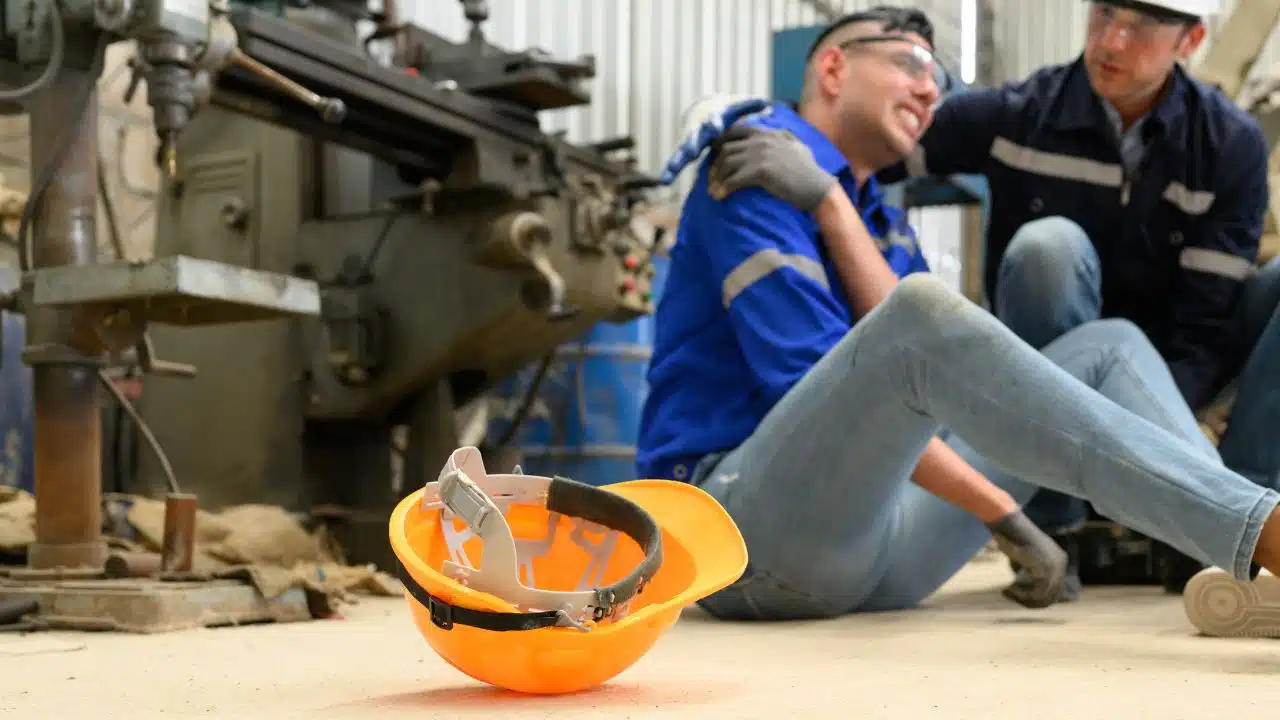
Despite their contributions, immigrant construction workers often face challenges such as low wages, lack of benefits, and job insecurity. Many are employed in informal sectors or as day laborers, making them vulnerable to exploitation. Additionally, language barriers and limited knowledge of the legal system can hinder their ability to advocate for better working conditions or receive compensation if they suffer an accident.
The Housing Crisis and Immigrant Workers
Immigrant workers are integral to addressing the housing crisis in the United States. Their labor in the construction industry directly impacts the availability and affordability of housing.
Labor Shortages and Housing Construction
In 2024, the construction industry faced a significant labor shortage, leading to approximately 19,000 fewer single-family homes being built. This shortage was exacerbated by increased immigration enforcement, which impacted the availability of immigrant labor, particularly in states like Texas and California.
Impact of Immigration Crackdowns
Heightened immigration enforcement has disrupted the construction industry. For instance, in Texas, increased ICE raids have led to a shrinking labor force, particularly affecting small construction firms that rely heavily on immigrant workers. This disruption has contributed to stalled projects and delays in housing development, according to the Houston Chronicle.
Immigrant Contributions to Housing Affordability
Despite challenges, immigrant workers continue to play a crucial role in maintaining housing affordability. Their involvement in construction helps to meet the growing demand for housing, particularly in high-growth areas. Without their contributions, the housing shortage would likely be more severe, leading to higher prices and increased homelessness, according to the Urban Institute.
Challenges faced by immigrant construction workers
Immigrant construction workers are integral to the U.S. economy, yet they often face disproportionate risks and challenges in the workplace. Their contributions are vital, but so is ensuring their safety and fair treatment on the job.
Rising Fatalities Among Immigrant Workers
In 2021, the number of work-related fatalities among foreign-born Hispanic or Latino workers rose to 727, marking a 5.1% increase from 692 in 2020, according to the Bureau of Labor Statistics. This was the highest count since the series began in 2011. Notably, 14% of all work-related fatalities in 2021 were among foreign-born Hispanic or Latino workers.
Disproportionate Impact in Construction
The construction industry had the highest number of fatal work injuries among foreign-born Hispanic or Latino workers, according to the Bureau of Labor Statistics. This occupation accounted for nearly one-third of all fatalities among foreign-born workers. Within the construction industry, falls, slips, and trips were the most common fatal events.
Underreporting and Legal Protections
Many immigrant workers, especially those who are undocumented, may hesitate to report workplace injuries due to fear of retaliation or deportation. This underreporting can lead to a lack of accurate data on workplace accidents and injuries among immigrant workers. Additionally, language barriers and limited understanding of their rights and legal resources can prevent immigrant workers from seeking compensation or legal recourse when injured on the job.
Why It Matters
Understanding the role of immigrant construction workers and other foreign-born workers can help shape policies that strengthen America while treating everyone humanely. Making laws or enforcing policies based on racism or xenophobia weakens the nation, while supporting immigrant contributions ensures continued economic growth and vibrant communities. The hidden contribution of foreign workers to the USA is immense, and recognizing their work is not just an act of fairness; it’s an investment in the future of cities and the country as a whole.