Seafood is an essential industry for the world market. Timely and effective processing of seafood raw materials is vital to quality and customer satisfaction. Choosing proper solutions for seafood processing can help change the game for those in this industry. It can improve production efficiency and ensure sustainability. This blog discusses some important factors that organizations need to consider when selecting a seafood processing solution that works.
Understanding the Needs
Not all seafood businesses are the same. So, there is nothing to process if you do not identify the needs first, right? Consider the kind of seafood being handled. Is it fish, shellfish, or other sea-based items? Every type must be handled differently and requires different tools. Recognizing these variances allows decision-makers to select the right seafood processing solutions. This enables companies to meet business needs while keeping customers happy.
Evaluating Equipment Options
You should evaluate the alternatives when determining available seafood processing solutions and equipment. It is no secret that technology greatly improves efficiency and quality. Automation helps reduce labor costs and errors by streamlining labor-intensive commercial processes and systems. Equipment that is versatile and can handle a variety of seafood can be a significant asset. Also, go for user-friendly processing solutions that can be maintained easily.
Focusing on Quality Control
Seafood processing needs adherence to quality standards. These solutions must meet quality management and supply chain standards. This includes tracking temperature, cleanliness, and other factors that affect a product’s quality.
Many advanced systems offer quality control, allowing for on-the-fly adjustments to catch quality issues in real-time. By monitoring quality, you can ensure the product is safe and meets customer expectations.
Sustainability and Environmental Impact
Sustainability is a key talking point in the current market. It is also a sensible long-term business practice for better solutions that support the environment. Seek equipment and processes that minimize waste, reduce energy usage, and follow sustainable sourcing.
Companies prioritizing sustainability increase their competitive advantage and develop closer relationships with environmentally aware customers.
Cost Considerations
Cost plays a significant role when selecting processing solutions. You want to balance cost and functionality, so investing in high-quality equipment is essential. Think about the savings over time that a high-efficiency system might deliver instead of a high-cost one.
The initial investment in energy-efficient machines will save you a lot of money in the long run. Look for ways to finance this purchase or find partners to help absorb early costs, but do not skimp on quality solutions.
Training and Support
New processing solutions need training and support. Select equipment with a complete set of user manuals and training sessions. If there are technical issues, the supplier should address them, reducing downtime.
Another aspect of good investment involves suppliers providing the necessary training to employees to help them handle newly integrated systems effectively. This increases productivity and reduces mistakes.
Ensuring Compliance with Regulations
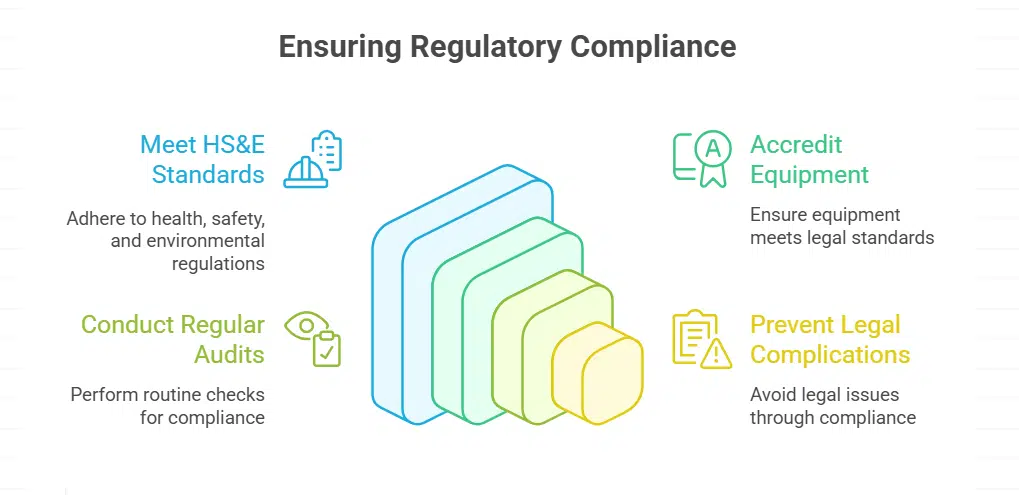
Compliance with industry regulations is a must. Processing solutions must meet Health, Safety, and Environmental (HS&E) standards, and equipment must be accredited according to legal standards.
Regular audits and inspections will ensure compliance and help prevent legal complications while saving the business’s reputation.
Customer Feedback and Reviews
Listen to customer feedback to gain insights. Businesses can share practical advice if they have successfully implemented specific solutions. You can learn about a product’s potential challenges and benefits based on reviews and testimonials.
This can help you make the right decision. Moreover, discussing processing solutions on industry forums can give you a broader viewpoint.
Conclusion
Choosing the right seafood processing solutions for efficiency requires analysis and planning. Businesses can strategically select solutions that strengthen their operations by determining the exact needs, measuring the equipment types, and assessing the quality of sustainable options.
Consider the cost or value of the technology and balance it with technological advances. Compliance requirements are critical, too. When implementing new systems, businesses must know that their staff can be adequately trained to succeed in an increasingly demanding market.