Making a good office is important for business success. A good office can make employees happy, creative, and work better. If you make your workspace nice and comfortable, your team will be happier and work better.
This article has 9 tips to help you make a good office that helps you work better and feel good.
Ergonomic Workspace Design
Making a good office starts with planning how it will look and feel. Arrange office stuff so you sit and work without hurting your body. Buy chairs that support your back and desks that can be adjusted to sit or stand. Ensure the computer screens are the same height as your eyes to avoid hurting your neck. Make the office design comfortable and healthy for employees to work in.
Strategic Location and Office Space
Think carefully about where the office is and what it looks like before getting the office for rent in Singapore. Pick a place that everyone can get to easily. Being close to buses, stores, and people you work with can make things easier and help you get more done. Also, check the office. Find a design that fits your team’s needs and can expand as your team grows. Consider how many work areas, meeting rooms, places to take a break, and storage space you need.
Natural Lighting
Having sunlight in the office is good. It looks good and helps employees work better and feel better. Being in sunlight can make you feel happier, more awake, and better able to focus. Put workstations near windows to get more sunlight. Use light-colored curtains or blinds that let light in but reduce glare. Add skylights or light tubes to bring more natural light into the office. Use sunlight to make your workplace brighter and more welcoming for your workers.
Proper Ventilation and Air Quality
Good air and ventilation are important for a healthy and comfortable office. Bad airflow can make you feel uncomfortable, work less, and might make you sick. Clean air filters and vents often to remove dust and allergens for better air quality. You can put air purifiers or plants inside to make the air better. Keeping the right humidity can stop the air from drying or becoming wet. If you ensure the air is good, your employees will feel better and work better.
Noise Reduction
Too much noise in the office can make it hard to work and get things done. Make the workplace quieter by using strategies to reduce noise distractions. Use materials that absorb sound, like special panels or carpets, to make the room quieter. You can use machines that make calming sounds to block out loud noises. Give workers headphones that block out noise so they can concentrate better. If you make less or reduce noise, people can work better.
Breakout Areas
Having separate areas in the office for breaks can be helpful, even though it’s important to concentrate on work. Breakout areas are where workers can take quick breaks, talk casually, or rest without being at their desks. We can put comfy chairs, bright colors, and plants in these places to make them feel nice and refreshing. Using these spaces helps employees work better and feel happier.
Comfortable Temperature Control
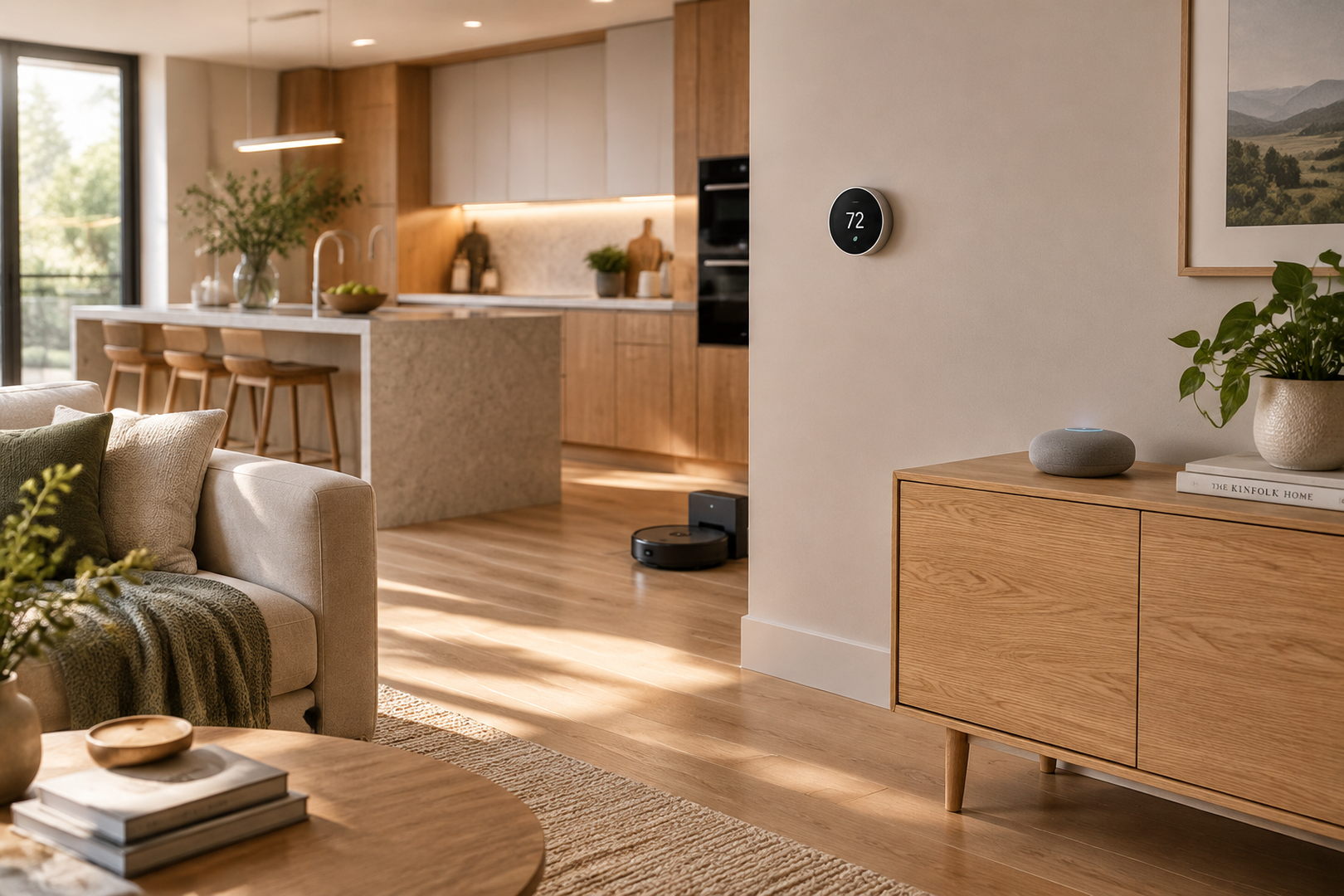
Keeping the office at a good temperature is important for workers to feel good and work well. It’s hard to focus and do well if it’s too hot or cold. Make sure the office has a good and changeable heating and cooling system. Give workers the power to change the temperature in their work area by putting in their thermostats or using a smart temperature system. Check the temperature often and ask employees how they feel to keep it comfortable for most people.
Green Initiatives
Being eco-friendly at work is good for the Earth and makes work better. Start recycling programs to help manage waste better. Put recycling bins in the office and teach workers what can go in them. Use energy-saving light bulbs like LED and tell workers to turn off lights and machines when not using them. If you do things that help the environment, your employees will be happy and feel good about working there.
Regular Feedback and Communication
Talking openly and honestly at work is important to make everyone feel good and get things done. Ask employees what they want and need for their workspace often. Ask people what they think by doing surveys, talking to them one-on-one, or putting them in suggestion boxes. Listen to what employees say and do what you can to help them.
When you listen to your employees and use their ideas, they feel important and happy. This helps them work better and makes the workplace better too.
Conclusion
Every office is different, so use these tips as a guide and change them to fit what your employees need and like. If you make a comfortable workspace and care about their well-being, they will work better and be happier. Make your office better by using good ideas to help your team work better and feel good.