
Are you feeling stuck in your career and looking for a clear way forward? You see job postings matching your exact skills, yet the employers ask for certifications you do not have. Online courses pop up everywhere, making it tough to figure out which ones actually matter. You might worry about wasting your time and money on a program that hiring managers ignore.
Here is the good news. US employers absolutely value online certifications. A 2026 report from BestColleges found that 83 percent of US human resource professionals view accredited online credentials as completely credible. These credentials prove you have real skills and practical knowledge. They open doors that your resume alone simply cannot unlock.
I will show you exactly how to choose right online certification that employers value. We will figure out how to spot the programs that matter most in your industry. You will learn to match these credentials directly to your big career goals.
Importance of Online Certifications for Employers
Hiring managers today care deeply about what credentials their workers hold. Online certifications prove you possess specific, highly sought-after skills in your field. Companies trust these credentials because they show your commitment to ongoing education.
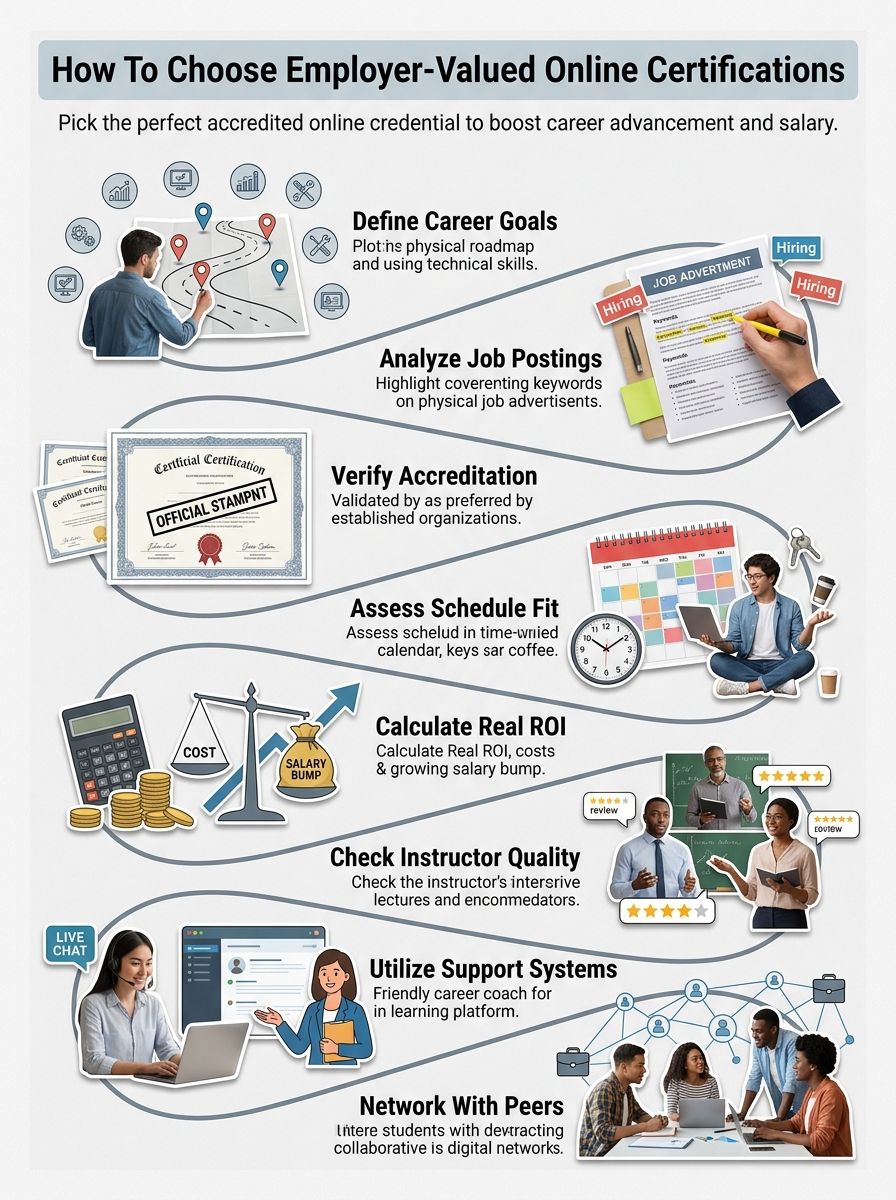
A worker with industry recognition stands out easily from a sea of other job seekers.
A recent 2026 survey by Coursera revealed a massive shift in hiring practices. The study found that US employers are 74 percent more likely to hire a candidate who holds a relevant industry micro-credential. This proves that your credential value matters immensely when hiring teams review applications.
US employers increasingly view online certifications as concrete proof of competence and a dedication to career advancement.
Skill enhancement through accredited programs directly improves your return on investment. Employers recognize that certified professionals bring fresh, updated knowledge to their teams. Earning a credential tells a company that you take your professional development seriously.
Certification programs accredited by industry standards signal that you meet precise employer preferences. Workers with validated credentials frequently earn higher salaries and get promoted much faster. The US job market clearly rewards people who invest in specific learning objectives through formal programs.
Identifying Your Career Goals and Required Skills
You need a clear destination before you pick a certification to get you there. Map out your career dreams first. Then, figure out what skills you actually need to make them a reality.
Define your professional ambitions
Start by getting very clear on what you actually want from your career. Do you aim to lead a team, become a technical expert, or switch fields entirely? Your professional goals shape every decision that comes next.
They act like a compass pointing you to the right certification programs. Without clear ambitions, you will wander through online courses without a real destination. Take time to write down your specific career objectives.
General goals like wanting a better job do not help. Instead, try saying you want to move into data analysis within eighteen months. You might also decide you want a project management credential to lead your current department.
Your professional development path depends on honest self-reflection. Grab a notebook and list the jobs that excite you right now.
I highly recommend using a free US government tool like O*NET OnLine to research those exact positions. What skills do employers actually ask for in those roles? This detective work reveals which certification programs offer real credential value and employer recognition.
Evaluate essential skills for your career objectives
Your career path demands specific skills that employers actively seek right now. Identifying these essential abilities helps you pick the right certification program. This choice directly boosts your professional growth.
- Review job postings in your field to list the technical skills your target job requires.
- Identify soft skills like communication and leadership that companies value alongside technical expertise.
- Assess your current skill level to understand which gaps a certification program must address.
- Compare your existing abilities against 2026 industry standards to see where you fall short.
- Look for certifications covering the specific learning objectives your career goals require.
Talk to professionals already working in your target role. Ask them which skills helped them achieve their job market success. Identify emerging skills in your industry, like AI prompt engineering, that employers increasingly demand.
Evaluate whether the certification program offers hands-on training in practical skills rather than just theory. Check if the course provider uses real-world scenarios and tools matching your actual workplace. Always prioritize certifications offering skill validation through testing or projects, giving employers concrete proof of your abilities.
Exploring and Assessing Online Certification Programs
You must pick programs that employers actually recognize and respect in your specific field. Look closely at whether real, established organizations approve these courses.

Seek industry-recognized certifications
Industry-recognized certifications carry immense weight in the competitive US job market. Employers actively seek candidates with credentials that prove specific, measurable skills. Some specific certifications clearly dominate the current landscape.
For example, a 2026 salary guide from Frontline Source Group highlights that the Google Certified Professional Cloud Architect credential brings an average US salary of $175,000. For project managers, the Project Management Professional credential remains a top requirement.
- Look for specific certifications that major US employers actually mention in their job postings.
- Check if professional associations like the Project Management Institute or CompTIA endorse the program.
- Verify the certification comes from established course providers like Coursera, edX, or universities.
- Ensure the certification requires passing an exam administered by an independent third party.
- Research how long the certification remains valid before you must renew it.
Compare the curriculum against current industry standards and strict job requirements. The best certification programs update their content regularly to match what employers actually need. Outdated material wastes your valuable time and money.
Ask professionals in your field which specific certifications opened doors for their career advancement. Their real-world experiences reveal which credentials employers truly value. Direct conversations often uncover helpful insights that glossy marketing materials simply ignore.
Analyze program accreditation and reliability
Accreditation serves as your ultimate compass in the online education space. A program with proper accreditation holds genuine weight with employers. You want to verify if a recognized accrediting body approves the course provider.
In the US, look for programs recognized by the Council for Higher Education Accreditation or the American National Standards Institute. These organizations set strict quality benchmarks that employers actually respect. Accreditation tells you the program meets high educational standards.
It signals that the course content stays current with industry expectations. Programs without proper accreditation often lack credibility in the job market. Employers easily notice the difference between accredited and non-accredited credentials.
You can investigate a course provider’s track record by reading reviews from past students. Check exactly how long the organization has operated in the education space. Established providers tend to deliver much more consistent learning experiences.
Search for data on job placement rates immediately after completion. Strong programs publish these numbers openly because they are proud of their results. A reliable program updates its content regularly to match what companies actually need to hire.
Key Considerations in Selecting an Online Certification
You need to weigh several practical factors before you pick a program. Your daily schedule, budget, and time commitment matter just as much as the credential itself.
Analyze flexibility and schedule compatibility
Your schedule matters much more than you might initially think. Online certification programs come in many shapes and sizes. Pick one that fits smoothly into your current life.
Some courses let you work entirely at your own pace. Others follow strict class times and weekly deadlines. If your job keeps you busy, a self-paced program works much better.
If you have more free time, a structured course with set meeting times might push you harder. Look closely at your daily routine, your work hours, and your family commitments. Match these realities to what the certification program demands.
This crucial step prevents you from starting strong and burning out halfway through the material.
Review cost and financial requirements
Cost shapes your final decision just as much as schedule flexibility does. Let’s look closely at the real financial requirements of online learning.
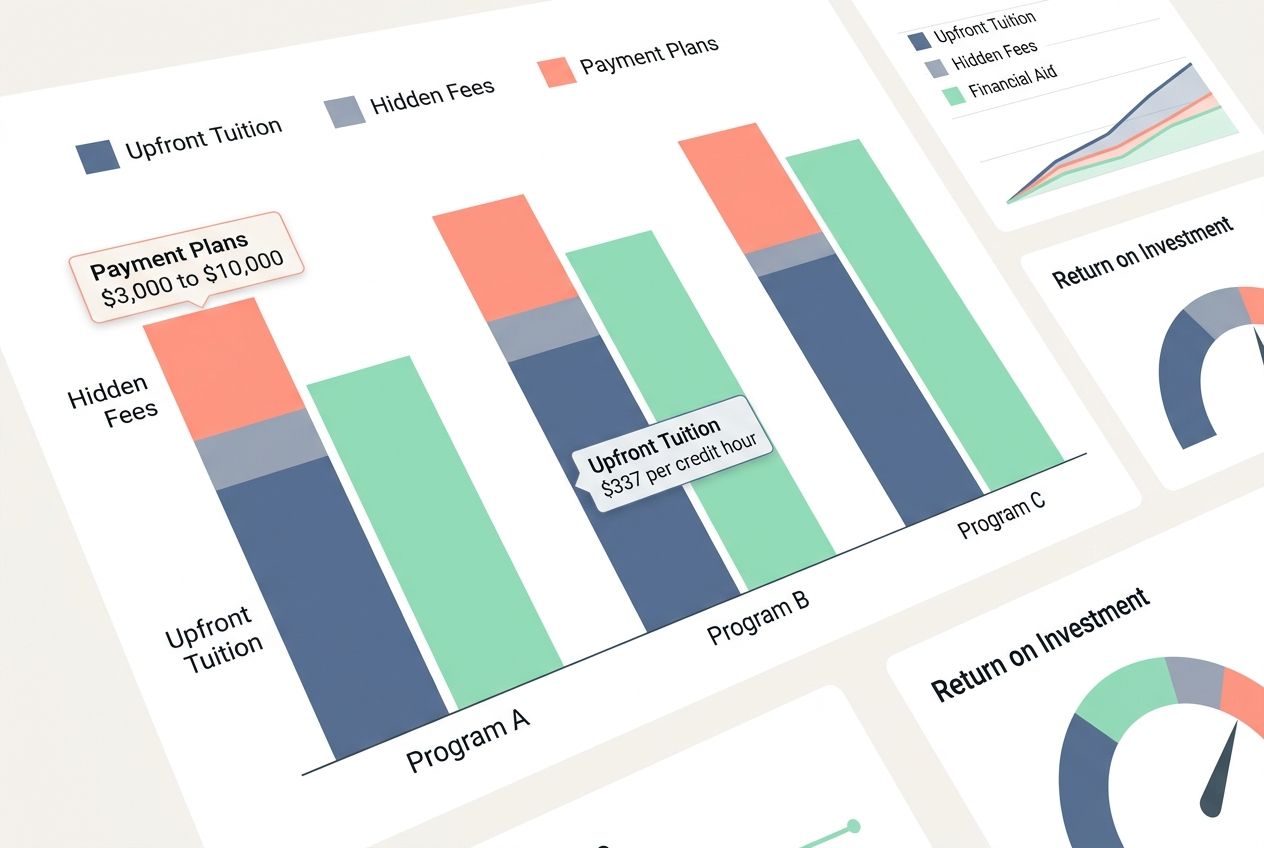
| Cost Factor | What to Evaluate in 2026 | Action Items |
|---|---|---|
| Upfront Tuition | According to 2026 data from the Education Data Initiative, online trade certificates in the US average $3,000 to $10,000. University online courses average $337 per credit hour. | List three programs in your field. Write down each tuition price. Identify which one fits your budget. |
| Hidden Fees | Exam fees, specific software licenses, and reading materials cost extra money. Some platforms charge you a renewal fee annually. | Read the fine print carefully. Ask the support staff about all external expenses. |
| Payment Plans | Many providers offer helpful installment options. Monthly payments make expensive programs much more affordable. | Ask if monthly payments are available. Check the interest rates on any installment plans. |
| Financial Aid | US government programs like the Workforce Innovation and Opportunity Act often cover training expenses for eligible workers. | Contact your employer about tuition reimbursement. Explore government funding options in your specific state. |
| Return on Investment | Calculate potential salary increases after certification. Research average US wages for certified professionals in your exact field. | Compare your earning potential before and after the certification. Determine how long it takes to recoup your investment. |
Money concerns should never stop you from advancing your career. Many paths exist to make a certification affordable. Explore each option thoroughly before making a choice.
Consider program duration and commitment
Beyond the financial investment, the time you commit matters greatly. Online certification programs range from a few short weeks to several rigorous months. You need to pick one that fits your reality.
For instance, the highly regarded Google IT Support Professional Certificate takes about six months to complete if you dedicate ten hours a week. Some people finish their credential value goals faster, while others take much longer. Your specific work demands and personal responsibilities play a huge role in this timeline.
Think about your daily availability before you ever sign up. Can you dedicate two solid hours each week, or do you have ten hours available? Shorter programs move incredibly fast and demand intense focus.
Longer programs let you learn at a much more comfortable, slower pace. Your return on investment grows rapidly when you complete the course without burning out. Pick a program duration that matches your actual life.
Assessing the Quality of Online Certification Programs
You need to look closely at real reviews and check out who actually teaches the courses. Spotting the programs that deliver real results saves you from empty promises.
Read reviews and user feedback
Real people share highly honest feedback about certification programs online. Their words matter a lot. Search for detailed reviews on independent sites like Course Report, Class Central, or G2.
Look closely for repeating patterns in what people say. If many reviewers mention poor instructor support or an outdated curriculum, take that as a massive warning sign. Positive feedback about career advancement and employer recognition tells you the program delivers genuine value.
Pay close attention to specific examples rather than just simple star ratings. Detailed comments reveal what you will actually encounter during the course.
Course providers often highlight only their best reviews. You must dig deeper to find perfectly balanced perspectives. Check LinkedIn to see if people who completed the exact program landed better jobs.
Read what participants say about the learning objectives and course structure. Critical reviews matter too because they show you potential challenges. Strong programs always welcome honest feedback and show they care deeply about student success.
Examine the credentials of the teaching staff
Your instructors shape your entire learning experience. Dig deeply into their backgrounds before you sign up. Look at their professional certifications, recent industry experience, and teaching history.
Instructors with real-world credentials bring highly practical knowledge to online courses. They teach you what actually works in the US job market today. Use LinkedIn to verify their employment history.
See if they have worked recently in roles directly related to the course content. Teaching experience matters just as much. Find out exactly how long they have taught online certification programs.
Instructor quality directly impacts your skill development and the final credential value. A strong teaching staff means better curriculum design and much clearer explanations. Visit course provider websites and read the instructor bios carefully.
Many reputable platforms list instructor qualifications very prominently. Reach out to the course providers and ask specific questions about their teaching team if details are missing. Your professional development depends entirely on learning from people who know the industry inside and out.
Aligning Certification with Industry Standards
Picking a certification that matches what your industry actually wants separates the best job candidates from everyone else. This strategic alignment makes your resume shine.
Identify certifications esteemed in your industry
Your industry respects specific certifications that employers actively seek out. Finding these top credentials requires some research. The effort pays off massively in career advancement.
I recommend checking the 2026 Robert Half Salary Guide or the Dice Tech Salary Report for your specific field. These reports show exactly which credentials command the highest US salaries right now.
- Research your industry’s top employers and check their job postings for required certifications.
- Join professional US associations related to your career path to find lists of recognized credentials.
- Talk directly to people already working in your desired role about their own certifications.
- Visit industry-specific websites and active forums where professionals discuss credential value.
- Examine certification programs offered by the most established organizations in your field.
Verify that your chosen certification remains current with recent industry changes. Employers highly value credentials that reflect modern, updated skills. Outdated credentials will not help your professional development.
Attend industry conferences and local networking events in your city. Ask hiring managers directly about their preferred certifications and exact skill requirements. Review real case studies from professionals who earned specific certifications and track their career progression.
Investigate employer preferences for certifications
Knowing what employers actually want helps you land interviews quickly. Companies use Applicant Tracking Systems to scan resumes for specific certification keywords. If you hold the exact credential they programmed the system to find, your resume moves to the top of the pile.
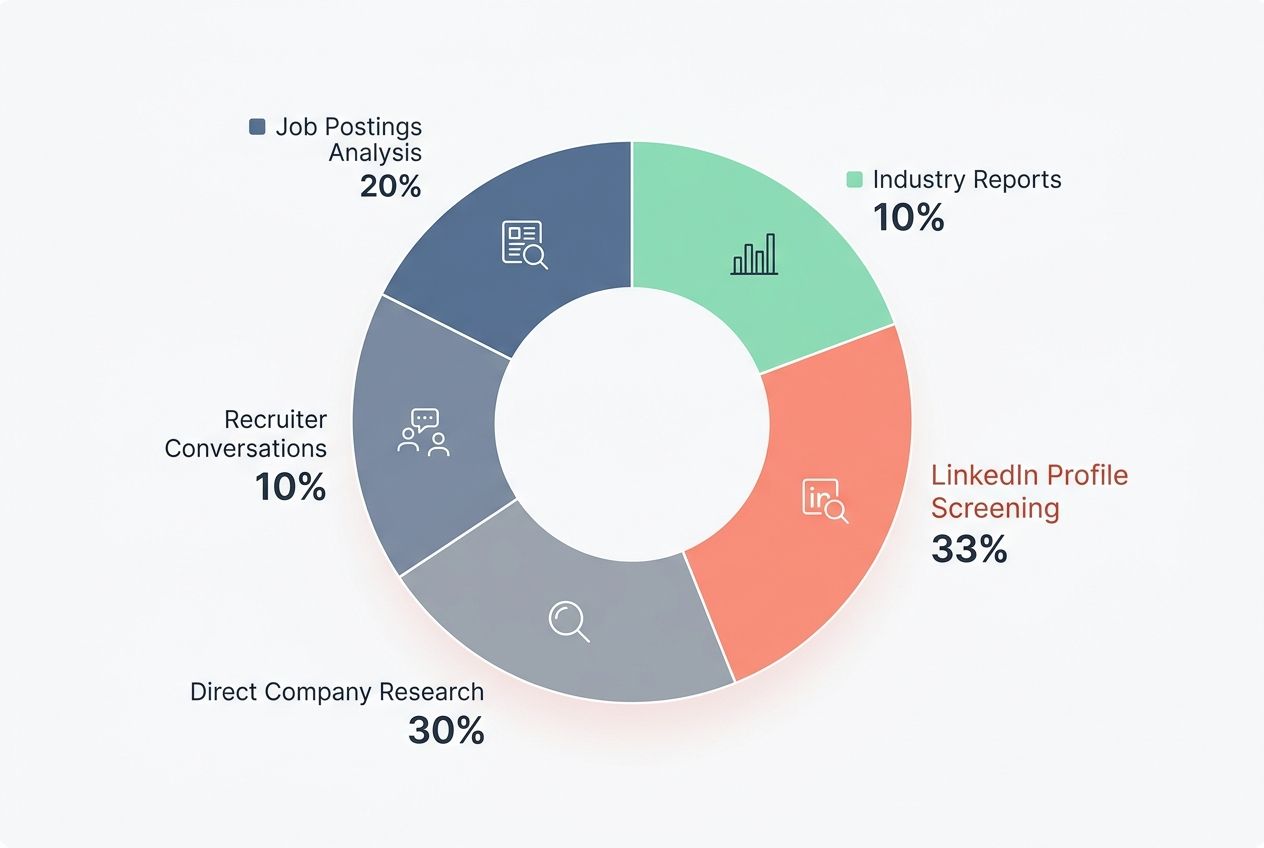
| Investigation Method | Why It Matters for US Job Seekers | Action Steps |
|---|---|---|
| Job Postings Analysis | Employers list the certifications they value in real job descriptions. This tells you exactly what hiring managers prioritize for automated scanning. | Search job boards like Indeed or LinkedIn. Track which specific certifications appear in multiple job listings. |
| Industry Reports | Professional organizations publish hiring trends annually. Data shows exactly which credentials command much higher salaries. | Read LinkedIn’s annual jobs report. Review Glassdoor salary insights organized by certification type. |
| LinkedIn Profile Screening | Successful professionals display their certifications prominently. Their career trajectories show which credentials led to real advancement. | Find people with your dream job title. Note their exact certification combinations. |
| Direct Company Research | Company websites often list preferred qualifications. This removes all guesswork about their internal hiring preferences. | Visit the careers pages of your target companies. Call their human resources departments and ask directly. |
| Recruiter Conversations | Recruiters place candidates daily. They understand exactly which certifications move resumes to the top of the pile. | Connect with specialized recruiters in your field. Ask which credentials they see requested most often. |
Employer preferences shift constantly based on technology changes and market demands. Gathering this precise intelligence takes time. You avoid investing months in a certification nobody actually wants to see.
Companies happily reward candidates who speak their language through highly relevant credentials.
Enhancing Your Online Learning Experience
You get much more from your certification program when you tap into all available resources. Support systems and peer connections make a huge difference.
Access available resources and support
Quality online certification programs offer excellent support systems that help you succeed. Your learning platform should provide multiple, easy ways to get help.
- Learning management systems store all your course materials and videos in one central, easy-to-find location.
- Live chat support teams answer your technical questions quickly during normal business hours.
- Discussion forums connect you with other learners sharing experiences and solving similar challenges.
- Instructor office hours give you direct access to teaching staff for highly personalized feedback.
- Resource libraries contain downloadable guides and templates supporting your daily skill development.
- Career coaching services guide you on presenting your new credentials to top employers.
Networking with your peers and course instructors opens doors to valuable professional relationships. This network extends far beyond your time in the virtual classroom.
Network with peers and course instructors
Your course instructors bring extensive real-world experience to the online learning platforms. They know exactly what US employers value right now. Reach out to them with specific questions about your skill development.
Most instructors genuinely want to help you succeed. They can point you to unlisted job opportunities and share insider tips. Building relationships with the teaching staff opens up amazing career doors.
Your classmates also become your new professional network. Get involved in platform-specific Discord communities, Slack channels, or GitHub repositories if you study technology. These virtual meetups let you connect with people sharing your exact goals.
You can swap stories about credential value and salary expectations. Some classmates might work at companies actively hiring for your dream role. These important connections frequently lead to job referrals and lasting friendships that boost your career advancement.
The Closing Thoughts
Figuring out how to choose an online certification that employers value requires you to take action today. Start by listing the certifications that matter most in your specific field. Cross-check them against job postings in your target roles on LinkedIn. Talk to professionals already working in your desired position to see what worked for them.
Compare the total cost against the salary bump you expect to earn. Calculate whether the return on investment makes sense for your personal budget. Take courses from accredited providers and read honest student reviews on independent sites.
Skill development through online courses takes real commitment. The payoff extends far beyond a single digital certificate on your wall. Employers easily recognize credentials from established learning platforms.
Start small if you need to. Pick one program that aligns with your career advancement goals and finish it strong. The US job market highly rewards people who validate their skills, so invest in your future right now.
Frequently Asked Questions (FAQs) on How To Choose Right Online Certification
1. How do I know if an online certification is respected by employers?
Check if a recognized provider like Coursera, edX, or Google offers the certification. If companies list that exact program in their job postings, you know it carries weight with employers.
2. What should I look for in an online certification program to make sure it helps my career?
Look for programs that teach hands-on skills you can demonstrate in interviews, like portfolio projects or case studies. Certifications from platforms like Google Career Certificates focus on practical skills that employers actively seek.
3. Can any online certificate help me get hired faster?
Focus on certifications tied to in-demand skills like cloud computing or data analysis, not outdated topics. Check recent job listings in your area to see which credentials employers mention most often in their requirements.
4. Does accreditation matter when choosing an online certification?
Yes, look for programs accredited by bodies like the Distance Education Accrediting Commission (DEAC). Accredited certifications meet quality standards that employers actually recognize and trust. This makes a real difference when your resume lands on a hiring manager’s desk.