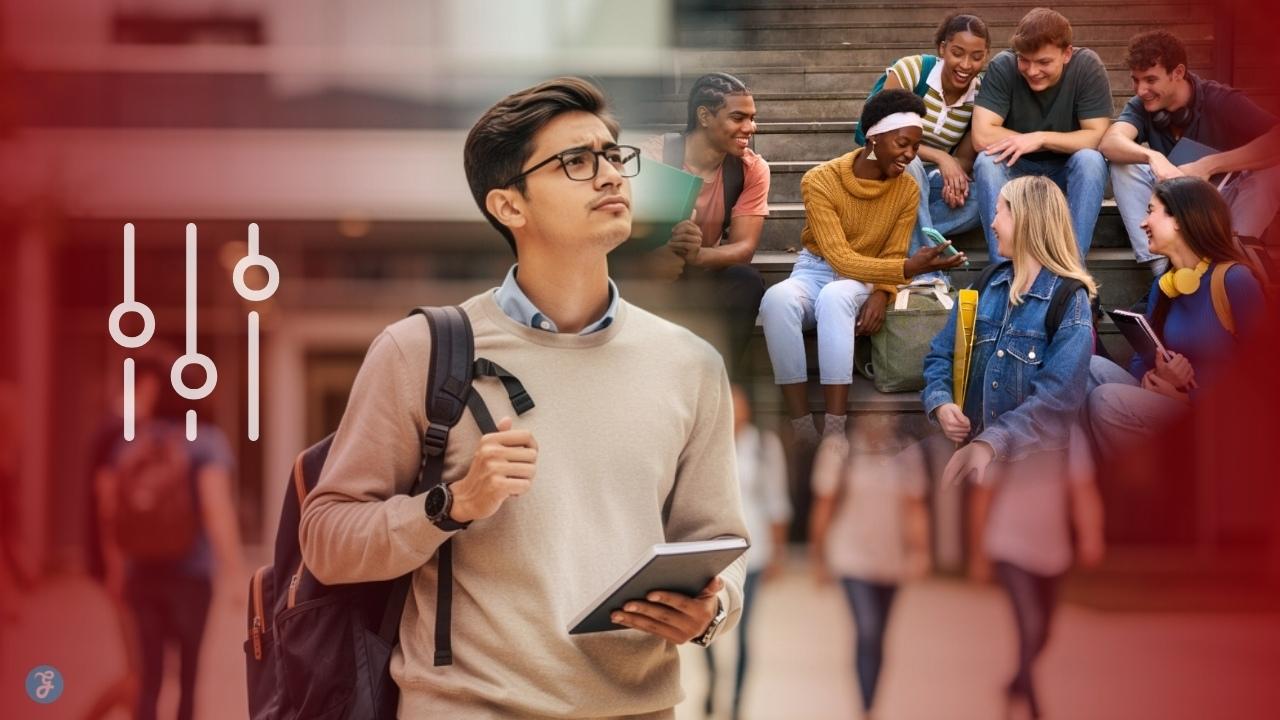
College today looks very different from what it did even a decade ago. The shift isn’t just about online classes or digital textbooks. It’s about how deeply technology is woven into the way students prepare, learn, manage their time, and even think about their futures.
For modern students, success isn’t just about studying harder. It’s about using the right tools at the right time. From test prep to financial literacy, technology is quietly reshaping how students approach every stage of their academic journey. Here’s how that transformation is playing out in real, practical ways.
Smarter Test Prep and Early Academic Readiness
Success in college often starts long before the first day on campus. Standardized testing still plays a role in admissions and scholarships, and technology has made preparation far more targeted and effective than it used to be.
Programs like SAT prep classes have evolved well beyond traditional tutoring. Students now have access to adaptive learning platforms that analyze performance in real time, identify weak areas, and adjust practice questions accordingly. This kind of personalization helps students focus their efforts where it matters most, rather than spending hours reviewing material they’ve already mastered.
Technology is also making these resources more accessible. Students no longer need to rely solely on in-person tutoring sessions. They can log in from anywhere, track their progress over time, and build a study plan that fits their schedule. This flexibility is especially valuable for students balancing school with extracurricular activities or part-time jobs.
Rethinking the Timeline With Gap Semesters and Flexible Paths
One of the more interesting shifts in education is the growing acceptance of non-linear paths. Not every student is rushing straight from high school into a four-year program. Many are choosing to pause, explore, and reset before continuing their education.
The rise of the gap semester reflects this change. Students are using this time to travel, work, volunteer, or simply gain clarity about their goals. Technology makes this option more viable by providing access to remote learning, online certifications, and digital work opportunities that keep them engaged even while they step away from a traditional classroom.
What’s important here is the mindset shift. Taking time before or during college is no longer seen as falling behind. It’s often viewed as a strategic move. Students who take this approach tend to return with a clearer sense of direction, which can lead to better academic performance and more intentional career choices.
Personalized Learning Through Adaptive Technology
One of the most significant changes in higher education is the move toward personalized learning. Technology is making it possible for students to engage with material in a way that matches their individual learning styles.
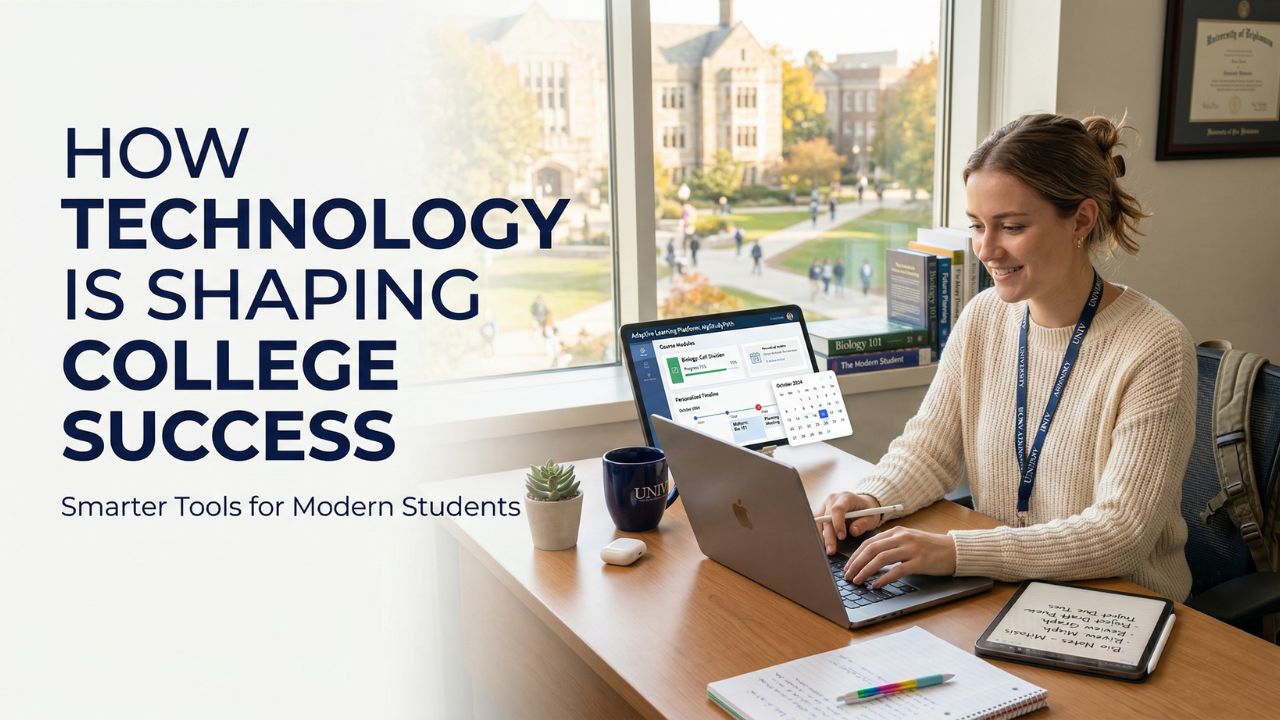
Adaptive learning platforms can adjust the pace and difficulty of content based on how a student performs. If a concept is challenging, the system can provide additional explanations or practice opportunities. If the student is progressing quickly, it can introduce more advanced material.
This kind of customization helps students stay engaged and reduces the frustration that often comes with one-size-fits-all instruction. It also allows professors to focus more on teaching and less on managing varying levels of understanding within a classroom.
Time Management and Productivity Tools That Actually Work
Balancing coursework, social life, and personal responsibilities has always been a challenge for college students. What’s changed is the number of tools available to help manage that balance.
Digital calendars, task management apps, and focus tools are helping students organize their time in ways that were previously difficult to maintain. These tools can send reminders, break large projects into manageable steps, and even block distractions during study sessions.
For students who struggle with time management, this can be a game changer. Instead of relying on memory or last-minute effort, they can build systems that support consistent progress. Over time, these habits can carry into professional life, making the transition from college to career smoother.
Expanding Access to Knowledge and Resources
The internet has always been a source of information, but the way students access and use that information has become more sophisticated. Online libraries, academic databases, and collaborative platforms are making it easier to find and engage with high-quality content.
Students can now access lectures from top universities, participate in online discussions with peers around the world, and explore topics beyond their immediate coursework. This kind of exposure broadens their understanding and encourages independent learning.
Technology is also making it easier to connect with support services. Whether it’s tutoring, career counseling, or mental health resources, students can access help quickly and discreetly. This level of accessibility can make a significant difference in how students navigate challenges during their college years.