
Supply chain management is one of the most critical aspects of business operations. While the demands and complexities spiral, precision becomes all the more essential. In this case, supply chain planning software tends to determine efficiency and efficacy by bypassing the challenges of modern supply chains.
In this post, we discuss how such software can revolutionize accuracy in supply chain operations.
Enhancing Demand Forecasting
One main component of effective inventory management is accurate demand forecasting. Supply chain planning software is based on historical data and market trends in future demand. It uses patterns to help businesses predict what customers want. This reduces the likelihood of overproduction or excess inventory as well as the probability of shortages.
Additionally, the software can make real-time adjustments to forecasts. Consequently, if there are unexpected shifts in demand, the supply chain system responds promptly, enabling companies to modify and adapt accordingly. This allows companies to make informed decisions promptly, thereby reducing waste and increasing savings.
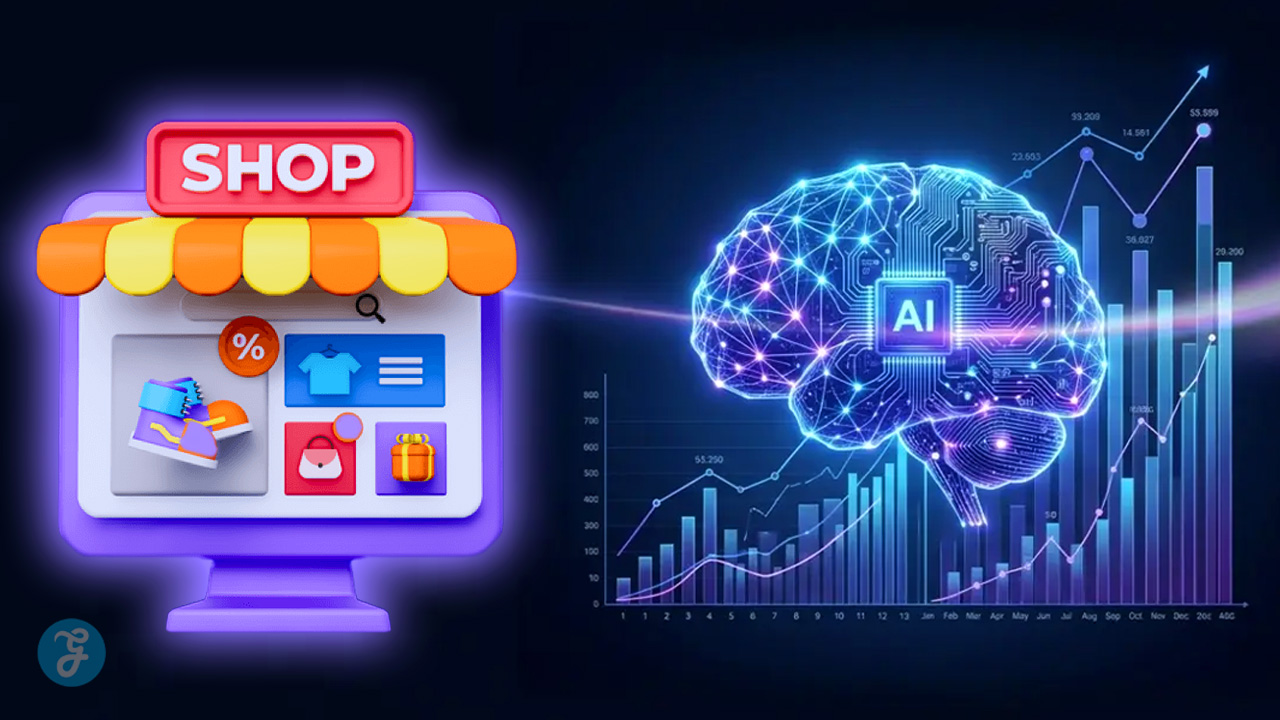
Furthermore, sophisticated software often incorporates AI and machine learning algorithms that learn from new data over time. This indeterminate knowledge can see minor trends in the market or seasonal changes that human analysts may overlook, enabling more accurate stock prediction and guidance. This type of predictive ability not only allows for fewer mistakes but also a more resilient supply chain overall.
Optimizing Inventory Management
Managing inventory is like a balancing act. Excess inventory ties up capital, while insufficient inventory can halt operations. Supply chain planning software provides real-time visibility into stock levels, enabling you to track stock movements effectively and maintain optimal stock levels at all times.
It also allows organizations to segment inventory based on demand, value, or turnover rate. This classification enables the use of specific management methods tailored to each group of animals, resulting in more efficient management outcomes. Improved visibility helps businesses to make better decisions, enabling them to eliminate overstock and its costs.
Moreover, specific software solutions offer predictive alerts regarding your inventory replenishment, expiration, or slow-moving products. This extra step in a more proactive approach leads to a lower chance of companies losing sales, less time managing excess storage costs, and making inventory management as a whole simpler and less taxing.
Improving Supplier Coordination
Effective supplier management is crucial for a successful and harmonized supply chain. Supply chain planning software facilitates smooth operations by offering a central platform for communication and collaboration.
It allows relevant information, such as demand forecasts and inventories required by suppliers, to be available, enabling them to plan accordingly. Such transparency fosters trust and enhances partnerships, thereby reducing delays and disruptions for businesses.
Facilitating Data-Driven Decisions
Data-driven decision-making is one of the most significant business practices in today’s world. Supply chain planning software analyzes massive amounts of data to yield insights that may be used for strategic and operational improvements.
Moreover, precise analytics also helps companies to spot trends and growth opportunities. It’s used to evaluate the performance of suppliers, manufacturers, and logistics providers. This comprehensive perspective enables companies to make informed decisions that enhance speed and accuracy.
Streamlining Production Scheduling
Production scheduling is a critical element of supply chain management. Besides, supply chain planning software tends to automate the process to intensify efficiency. It generates optimized schedules that consider variables such as inventory levels, demand forecasts, and production capabilities.
Moreover, automated scheduling reduces human errors and ensures that necessary resources are optimally distributed and utilized. It also enables your business to respond quickly to changing demand or unexpected disruptions.
Being adaptable keeps your operations running smoothly, which is a great way to reduce downtime and maintain maximum productivity.
Enhancing Logistics and Distribution
The management and movement of goods and services is paramount to meet customer demand. You can use supply chain planning software to optimize these processes. The tool analyzes transportation routes and delivery schedules to find the most efficient routes.
It also provides real-time tracking of shipments to help businesses trace their movement and whereabouts. The glimpse of potential issues through this visibility empowers proactive management to deliver on time. This may lead to increased satisfaction and loyalty through faster transit times and reduced costs.
Additionally, several systems utilize predictive analytics to anticipate or prevent potential delays caused by factors such as weather, traffic, and other logistical issues. With this foresight, businesses can make adjustments to routes and schedules before a shipment is even initiated, ensuring efficiency and preserving time and resources while keeping customers satisfied. Such foresight provides a competitive advantage in a rapidly accelerating market.
Increasing Responsiveness to Market Changes
Being responsive to market changes is essential to remaining competitive, and supply chain planning software provides the flexibility required to adapt. It supports enterprises in quickly adjusting their strategies by constantly tracking market scenarios.
With this software, shippers can respond effectively to fluctuations in demand and supply disruptions. Such responsiveness helps ensure the agility that allows a company to capitalize on emerging opportunities and avoid vulnerabilities.
Takeaways
The advantages of supply chain planning software are numerous, particularly in enhancing accuracy, demand forecasting, and logistics. With this technology in place, businesses can operate more efficiently, reduce costs, and better meet customer expectations. Ultimately, utilizing these will translate into a more resilient and profitable supply chain, which in the long term leads to sustainable growth.