Fashion and interior design have always shared a symbiotic relationship, with trends from one world often making their way into the other. The runway serves as a breeding ground for creativity and innovation, influencing not only what we wear but also how we decorate our homes.
From color palettes to textures and patterns, the world of fashion has a profound impact on interior design choices. In this exploration of the intersection of the two, we’ll delve into how runway trends inspire the transformation of home living, entertaining, resting, and working spaces into stylish, on-trend sanctuaries.
Color Palettes
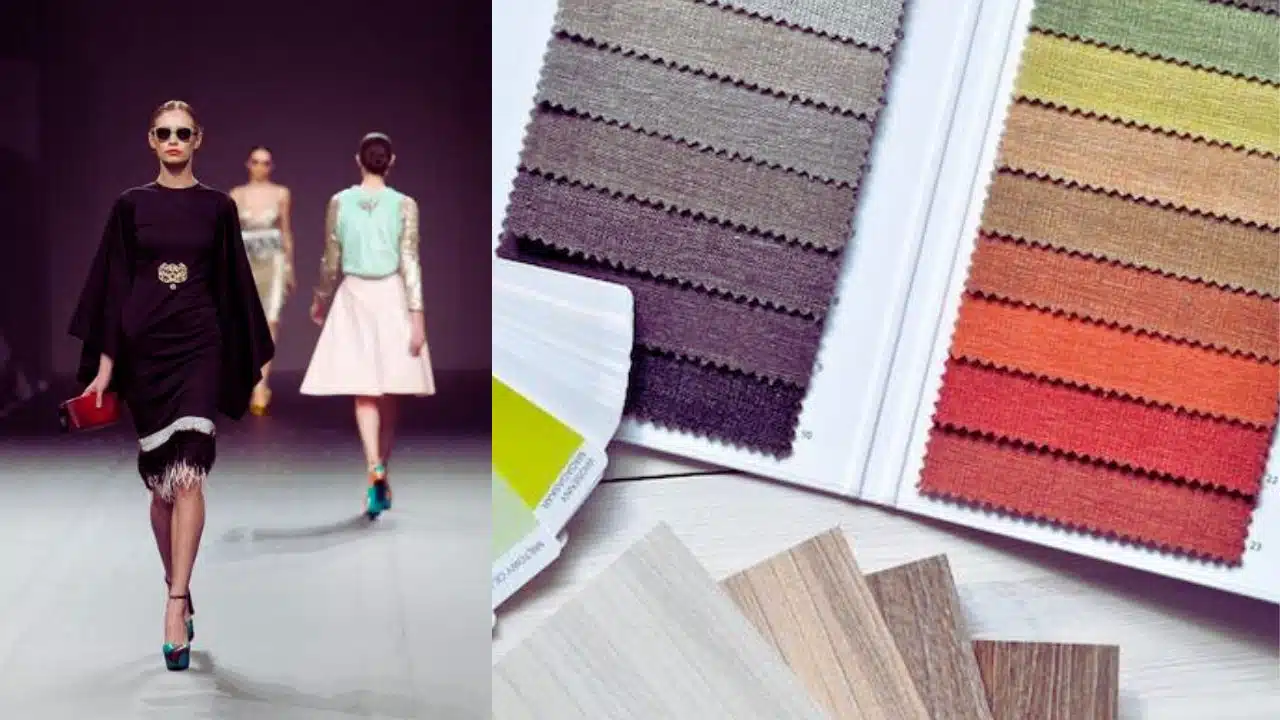
One of the most prominent ways in which fashion influences interior design is through the use of color palettes. Fashion designers are known for their keen sense of color and their ability to predict and set trends. These trends often find their way into our homes, creating color schemes that reflect the zeitgeist of the moment.
Fashion runways of late have witnessed a resurgence of earthy tones, including warm neutrals like terracotta, caramel, and ochre. Deep jewel tones such as emerald green and sapphire blue have also been making waves, creating a rich and sophisticated palette.
In interior design, these color trends manifest in wall paint choices, upholstery fabrics, and decor accents. Earthy tones might appear as warm wooden furniture or cozy textiles, while jewel tones can be incorporated through statement furniture pieces or decorative accessories, infusing spaces with depth and opulence.
Textures
Textures play a pivotal role in both fashion and interior design, and the tactile experiences created by different materials can evoke emotions and set the tone for a space. Fashion designers experiment with textures in garments, inspiring interior designers to do the same within our homes.
Recent runway trends have seen a resurgence of plush velvet, sumptuous silks, and luxurious faux fur textures. These opulent materials not only add depth but also create a sense of indulgence and comfort. Incorporating these textures into interior design can be achieved through the use of velvet upholstery, silk draperies, or faux fur throws and cushions. These elements bring a touch of luxury and sensuality to living spaces, inviting tactile exploration.
Patterns
Patterns are a dynamic means of expression in both fashion and interior design. Whether it’s stripes, florals, or geometrics, patterns make a statement and can transform a room or outfit from mundane to extraordinary. In recent years, fashion runways have showcased a resurgence of bold, oversized patterns, from vibrant florals to daring geometrics. These patterns serve as expressions of individuality and creativity.
Bold patterns can be introduced into interior design through wallpaper, upholstery, and area rugs. Incorporating statement patterns can be a daring but rewarding choice, turning rooms into visually captivating spaces that reflect personal style.
Sustainable Materials
Sustainability is a hot topic in both fashion and interior design. As consumers become more eco-conscious, designers are turning to sustainable materials and practices. This shift in focus is reflected in the choices made in both clothing and home decor. Fashion designers are increasingly using sustainable materials such as organic cotton, recycled fabrics, and cruelty-free leather alternatives.
Sustainability is also gaining ground in interior design, with eco-friendly materials like reclaimed wood, bamboo, cork, and recycled glass making their way into homes. This conscious approach to interior design not only benefits the environment but also creates spaces that feel grounded and connected to nature.
Styles
Fashion designers often draw inspiration from different eras and cultures, creating eclectic styles that reflect a fusion of ideas. Interior designers similarly embrace this approach, pulling inspiration from diverse sources to create unique and eclectic living spaces. Fashion runways have witnessed a revival of vintage styles, such as the ’70s bohemian chic and ’90s minimalism. Designers are also incorporating global influences, from African prints to Asian motifs.
Incorporating these runway-inspired styles into interiors involves mixing vintage furniture pieces with contemporary elements, integrating global textiles, and creating spaces that tell a story of travel and cultural exploration. For instance, you might pair a striking Hunter Fan modern ceiling fan in the living room with an antique rug, a vintage sideboard, a new curved sofa, and an African-style artwork.
Inclusivity and diversity
Fashion has made significant strides in embracing diversity and inclusivity, reflecting the multicultural and varied nature of society. Interior designers are also taking steps to create spaces that are more inclusive and reflective of diverse experiences. Fashion runways have become platforms for showcasing diversity in models, casting individuals from different backgrounds, body types, and genders. This reflects a more inclusive approach to beauty and style.
In interior design, inclusivity is seen in the use of decor and art that celebrates different cultures, perspectives, and identities. It creates spaces that feel welcoming and representative of the world’s rich tapestry.
The intersection of fashion and interior design is a fun integration of style, creativity, and expression. Runway trends inspire the transformation of living spaces, allowing individuals to infuse their homes with a sense of current fashion, personal style, and ethical responsibility.