
You might have searched “how did lizzy musi die.” You wonder what really happened to the young drag racer. She faced stage 4 metastatic breast cancer at just 33. She shared scans, biopsies, and chemotherapy updates on Instagram.
This post will walk you through her diagnosis, her treatments, and her fight with triple-negative breast cancer. It will share moments from her racing life, and posts from fans on Facebook and Twitter.
It will shed light on her legacy of hope, and her push for breast cancer research. Read on.
Key Takeaways
- Lizzy Musi found a lump after a June 2019 drag race. A biopsy named it invasive ductal carcinoma and triple-negative. She faced stage 4 breast cancer at age 33.
- She took six rounds of chemotherapy, had both breasts removed in July 2022, and joined an immunotherapy trial. By late 2022, cancer had spread to her bones, lungs, and liver.
- On March 31, 2022, she went live on Instagram. She posted scans, treatment updates, and racing jokes to turn fear into fuel for her fans.
- Before July 9, 2023, she died from her aggressive cancer. Racers at Lucas Oil Raceway paused and ran pink ribbons on their cars. Her loss drove more calls for early breast checks and research, since triple-negative cases make up 15 percent of breast cancers and often hit women under 40.
Lizzy Musi’s Breast Cancer Diagnosis
She noticed a firm spot after a drag race in June of 2019. The lump sparked alarm, so she booked a scan. A breast X-ray flagged an irregular mass, she needed a biopsy. The pathology report arrived in late June and named invasive ductal carcinoma.
Lizzy was just 33. Her cancer doctor called the diagnosis triple-negative. She faced a tough foe, but she met it head on.
Her genetic test ruled out hereditary mutations, so doctors focused on chemo and radiation. Lizzy joked that her chemo chair felt like a new race seat, and she shared each treatment on social media.
She leaned on her pit crew, family and fellow drivers, for every round. The drag racing community rallied, and her posts inspired fans. She turned fear into fuel, and started a new kind of charge.
The Progression of Her Illness
She faced stage four metastatic breast cancer that hit her bones and lungs. Her oncology team ran body scans and cell tests, then gave chemo injections, yet those triple-negative cells spread fast.
Stage 4 Metastatic Breast Cancer
Cancer cells move beyond the breast into bone, lung, liver, or brain. Doctors run an imaging test and perform a biopsy to confirm spread. Oncologist leads drug treatment and targeted medicine plans.
Many women in this stage join clinical trials for new therapies.
Symptoms include pain, breath issues, fatigue, and weight loss. Lizzy tackled intense therapy and palliative care to control pain. Loved ones kept hope alive with calls and visits.
Her fight spurred more support for breast cancer research.
Triple-Negative Breast Cancer Challenges
Triple-negative breast cancer lacks three receptors. It resists targeted drugs. Doctors use drug therapy, immune blockers and radiation treatment. This type shows in about fifteen percent of breast cancer cases.
It hits women under forty often. Tumors spread fast to lungs, liver or brain.
Genetic testing for BRCA1 and BRCA2 guides care. Teams run trials to test new drug combos. Lizzy joined such studies to gain more time. She faced pain, fatigue and tough side effects each week.
Timeline of Lizzy Musi’s Battle
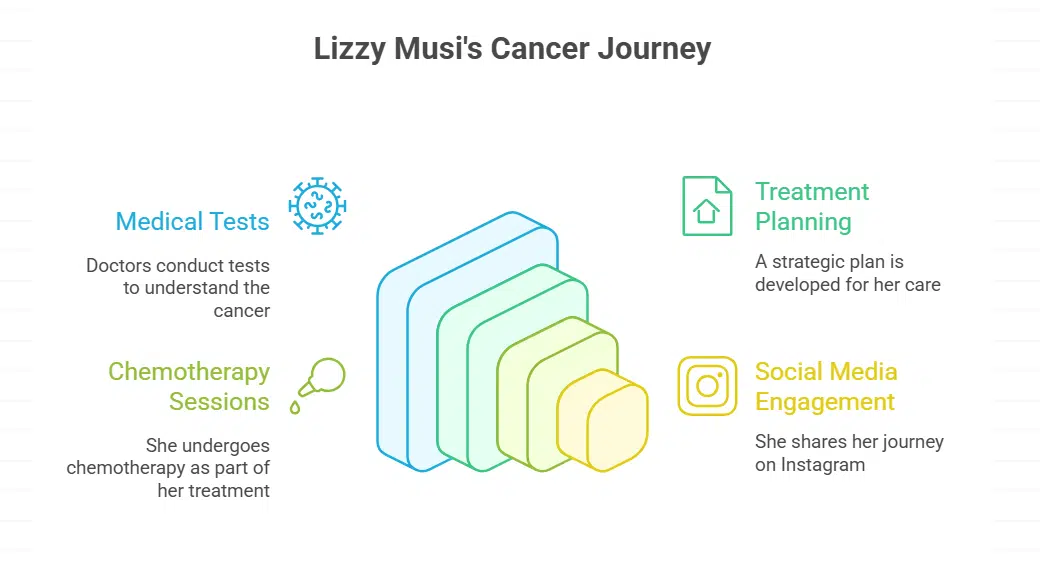
She faced stage four breast cancer with fierce drive, as doctors ran tests, planned treatment, and tackled each health hurdle on her track. She shared imaging tests and chemotherapy sessions on Instagram, turning her account into a pit lane of hope and humor to rally her fans.
Initial Diagnosis
The drag racing star found a lump under her arm in February 2022, so she booked a quick check at a local clinic. Doctors ran a mammogram, then an ultrasound, then a biopsy. Lab reports flagged stage 4 triple negative breast cancer, with cells in her lymph nodes.
A CT scan and a PET scan mapped tumor spread to her lungs and liver. On March 31, 2022, she went live on Instagram to share her breast cancer diagnosis. She kept her trademark wit, she vowed to fight with all her strength.
Treatment and Remission Attempts
Musi tackled six rounds of chemo, each dose hitting hard but fueling her hope. Surgeons removed both breasts in mid July, and replaced them with tissue from her abdomen. Her medical team used PET scans and ultrasound to track her progress.
Scans on August 1 showed no sign of cancer, earning her a brief remission.
She joined an immunotherapy trial in August, chasing a stronger shield against spread. Radiation beams hit her brain in early September, as new spots emerged. Fans and family watched her courage shine, even under bright treatment lights.
Her humor shined as she quipped that a pink head scarf felt like a racing helmet.
Decline in Health
Energy levels fell fast in late 2022. Her breast cancer spread beyond the breast. Lizzy’s chest pain grew worse after chemotherapy. CT scans showed new lesions in her lungs and bones.
Doctors adjusted her cancer treatment, but most medicines lost impact.
Days grew tough as her weight dropped and breathing strained. Hospice staff provided oxygen and pain relief around the clock. Friends sent jokes and old race clips, hoping to lift her spirit even on bad days.
Fans mourned as her battle with cancer slowed toward its end.
The Impact of Lizzy Musi’s Passing
Striking like a thunderbolt, Lizzy’s loss shook the drag racing world, and through heartfelt Q&A sessions with fans and advocates, a bold media framing concept took hold, turning her memory into a beacon for early breast cancer checks—read more.
Tributes from the Racing Community
Drivers paused before the first drag racing run at Lucas Oil Raceway on July 9, 2023. They held pink ribbon decals on their cars, they drove in her honor. Fans cheered from the stands, they waved signs that honored her battle with breast cancer.
John Force posted a tribute on social media, he called Lizzy a fierce warrior. Leah Pritchett shared a photo from their last track day, she said Lizzy showed true grit in every stage of her fight.
Teams in Top Fuel and Funny Car classes dedicated their races to her memory.
Statements from Family and Friends
Her mom wiped tears and praised Lizzy’s grit. She sat beside a CT scanner screen, and felt hope shine when scans showed the tumor had paused. Her dad, a radiation therapist, held her hand after each MRI session.
A biopsy report gave facts, but Lizzy filled the room with laughs. Her quick wit let friends forget the IV bags occasionally.
Jake, a pit crew chief, said Lizzy never quit a race or a treatment. He watched her celebrate each PET result like a trophy. Her best friend joked that chemo felt like a long drag, yet Lizzy still wore her racing suit to infusion sessions.
A sister said Lizzy’s roar at the finish line matched her roar when doctors called a remission. Tears mixed with smiles at the memorial, and each racing memory felt like a fuel blast of love.
Personal Life of Lizzy Musi
Lizzy lived on a small farm outside Lynchburg, Virginia. She held a baking spatula in one hand and her toddler in the other. Daniel, her husband, teased her about flour streaks on her cheek.
She snapped photos of every flour fight. She prized family dinners over fancy restaurants. She called her old pickup truck a family treasure.
She jumped into her orange hot rod at sunrise. She joined drag racing crews at local tracks. She revved the V8 engine until it growled. She posted race clips on her YouTube channel and on Street Outlaws.
Fans shouted her name at every burnout. She raised money for breast cancer awareness at charity events. She spoke openly about her stage 4 battle and offered hope to young women.
Raising Awareness About Breast Cancer in Young Women
Young women can face a serious diagnosis. A 2022 survey found 7 percent of breast cancers show up before age 40. Doctors recommend monthly self exams. They use ultrasound or mammogram to find lumps.
Genetic testing for BRCA mutations can guide treatment. Early checks can push five-year survival rates past 90 percent.
Communities launch campaigns at drag races, TV events, and local walks. Fans wear rosy ribbons to honor fighters. Fundraisers drive research dollars. Policy groups meet lawmakers for better coverage.
That fight still fuels advocacy.
Takeaways
Her fight shows real strength and unity. Drag racing fans sent support online. Doctors used MRI scans and biopsies to track disease. Chemotherapy and targeted therapy slowed tumor growth.
Family, friends, crew formed a powerful advocate group. Lizzy’s story sparks more breast self-exams, early tests. Her memory drives cancer awareness at race tracks. We honor her spirit with every finish line flag.
FAQs
1. How did Lizzy Musi die at 33?
She died from advanced breast cancer, the disease spread fast, her body gave out after a fierce fight.
2. What type and stage of breast cancer did she battle?
She had advanced breast cancer, a late form where the illness moved to her bones and lungs, it hit hard.
3. How long did her battle with breast cancer last?
Her battle spanned about two years, it was no walk in the park, but she pushed on, she shared updates with fans.
4. How can fans honor Lizzy Musi and support breast cancer awareness?
Fans can book regular checkups, share her story, raise funds for research, get involved, keep her spirit alive.