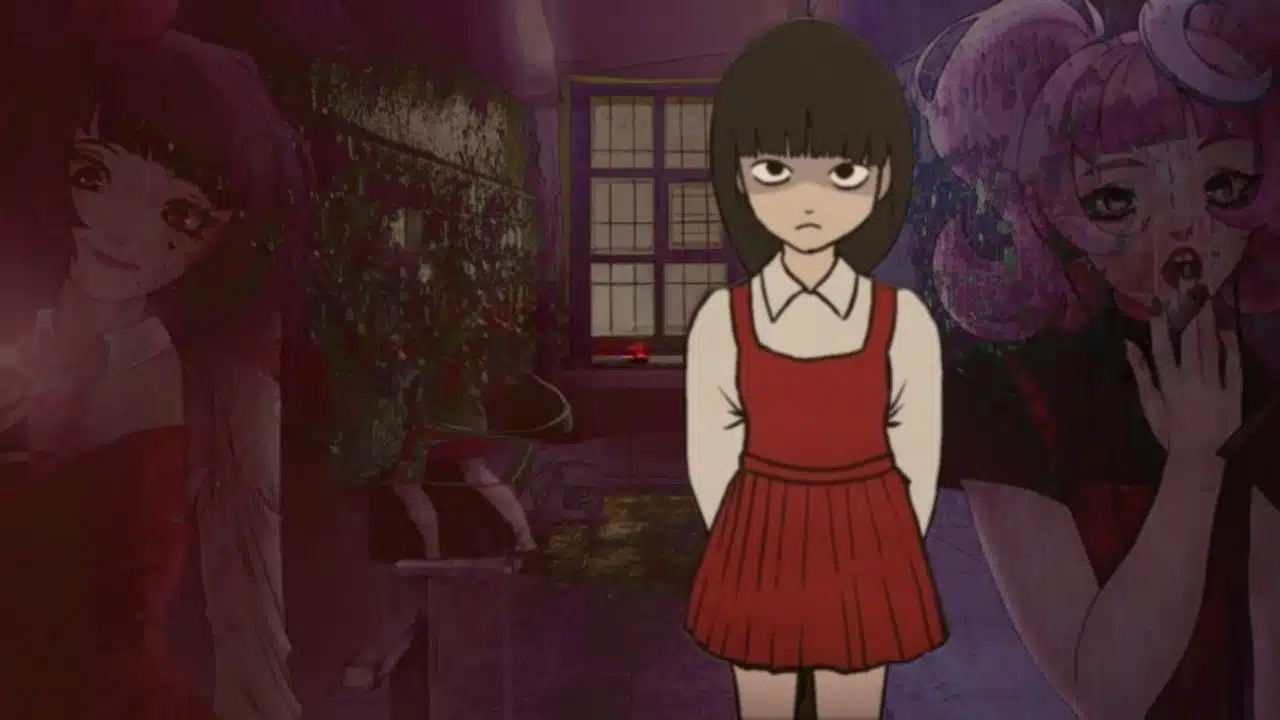
Many students still fear the urban legend of a ghost in school toilets. They ask how did hanako san die, yet find only mixed tales. One fact holds true: a girl died in a WWII air raid inside a school bathroom.
In this post, we will sort fact from fable. We will track theories, explore the third stall myth, and explain ghost rituals born from Japanese folklore. Keep reading.
Key Takeaways
- In March 1945, a WWII air raid hit a Japanese school and killed a girl hiding in the third stall of the bathroom. Students now call her “Toire no Hanako-san,” tap three times on that stall, and chant her name to summon her.
- Aidairo’s manga Toilet-bound Hanako-kun and Studio Lerche’s anime portray her as Amane Yugi, a ghost in a red skirt who seeks atonement after a past tragedy with his brother Tsukasa.
- Folklorists Michael Dylan Foster and Matthew Meyer link the Hanako-san legend to wartime trauma and note an alternative abusive-parent theory seen in manga panels.
- Fans worldwide reenact rituals similar to Bloody Mary, share tips on the r/hanakokun Reddit forum (over 49,000 members), and spread the tale through cosplay, podcasts, and indie games.
Who is Hanako San?
Toire no Hanako-san, or hanako of the toilet, haunts the third stall in Japanese schools. This toilet ghost rose from a postwar urban legend. He wears a red skirt and taps on tiled stalls.
Students say you must knock thrice and chant his name to summon him. Some accounts claim he died alone during a school air raid.
Manga series Toilet-bound Hanako-kun shows him as Amane Yugi, a student turned ghost. Anime adaptation paints him as deeply regretful, seeking atonement for past actions. His brother Tsukasa appears often, they share a tense bond.
Fans treat this story as a fresh twist on tangled folklore.
How is Hanako San connected to WWII?
An old tale links toire no hanako-san to wartime air raids in March 1945. Allied planes struck japanese schools, and one blast hit a bathroom. A girl hid in the third stall, but she did not survive.
Some call her hanako of the toilet and she became a toilet ghost. This scene lifts the japanese urban legend beyond simple scare.
Popular manga like toilet-bound hanako-kun skip direct war ties, yet they nod to tragic deaths in a school. Fans weave the air raid scenario into japanese folklore. Scholars like Michael Dylan Foster and Matthew Meyer note this backdrop adds real dread.
Summoning hanako-san rituals take on darker meaning when set against WWII ruin. The war setting remains one theory among many in urban legend circles.
What happened during the air raid incident involving Hanako San?
Bombers hit a school bathroom in the war and killed a girl in a red skirt in stall three, creating the toilet ghost Hanako San in Japanese folklore and ghost stories, later retold in a manga series—read on to learn more.
What is the story behind the bombing of the school bathroom?
A school toilet sat quiet under air raid sirens. Hanako of the toilet hid in the third stall. A bomb tore through the roof and walls. Smoke and debris filled the tiny stall. Japanese schools faced heavy raids in 1945.
Folklore casts her as a toilet ghost born from that school bombing. Manga series and anime adaptation like toilet-bound hanako-kun and kyōkai no rinne skip this origin. Michael Dylan Foster and Matthew Meyer note fans still debate its plausibility.
The tale thrives in japanese urban legend and ghost stories. Kids tap red skirts, they risk a vengeful spirit.
What evidence supports the abusive parent theory?
Fans of toire no hanako-san note hints of domestic abuse in old manga chapters. Matthew Meyer highlights lines where Amane blames herself. Michael Dylan Foster applies folklore research to trace trauma symbols.
Some panels show parents lurking in the dark. Online followers speculate her parents perished during that same collapse. These scenes fuel the abusive parent theory in this japanese urban legend.
Forum threads on online boards debate marks on Amane’s arms. A fan manga series, toilet-bound hanako-kun, shows a closed door before a scream. Critics link that scene to a violent home event, not an air raid.
This view sits alongside the WWII school toilets bombing tale. It paints a darker origin for the vengeful ghost.
What is the myth of the third stall in Hanako San’s legend?

Students in Japanese schools claim the third stall marks where hanako of the toilet lost her life. Urban legend says a toilet ghost in a red skirt hides behind the door. Many believe she died in an air raid or at the hands of an abusive parent.
This spot acts as her anchor in folklore.
Knock three times on the third stall and say her name to summon hanako-san. The ritual appears in Japanese folklore and in manga series like Toilet-bound Hanako-kun. Users of the r/hanakokun discussion board debate its origin and rules.
Anime adaptation nods to the same motif in school toilets.
How did Hanako San become a ghost?
An air raid smashed her school, and she bled out in a flooded bathroom stall, clutching her red skirt. Folklore archives tie that terror to her rise as a bathroom haunt in Japanese schools.
Why does Hanako San haunt school bathrooms?
Japanese schools host a famous toilet ghost named toire no hanako-san. Amane died in that bathroom during a WWII bombing. That stall held both refuge and horror as the walls fell. Anime series like Toilet-bound Hanako-kun explore her bond to those tiles.
Students still chant hanako of the toilet to summon her in school toilets. This tale grew into a famous urban legend in japanese schools. Her ghost lingers as penance for a life cut short.
Every footstep in the stalls recalls the crime scene and her unresolved attachment.
How do people summon Hanako San? What are the rituals and beliefs?
This myth lives in school toilet tales. Students use simple steps to summon her.
- Kids tap on the third stall door three times, echoing the summoning ritual in toire no hanako-san lore.
- They call her name out loud, a step copied from manga series like Toilet-Bound Hanako-kun and anime adaptation.
- Some add a polite suffix to sound like a guest, a tip from Michael Dylan Foster’s class on japanese folklore about a toilet ghost.
- A few mirror their act on the door mirror, glancing back for a flicker of a red skirt or a face in the tile.
- Teens chant her full name twice, a nod to western urban legend rules in Bloody Mary tales.
- Clubs and chat threads swap tips on school toilets, and fans track each flush or tap for a sign she draws near.
- Fans test variants from Gegege no Kitaro and Yo-Kai Watch, adding a call to manto or Gegege no Kitarō aka Manto for more flair.
- Many accept this rite as born from air raid tales and abusive parent myths, it feeds a vengeful ghost story in japanese schools.
- Players use their phone cameras or mirror apps like Ghost Detector Radar, to seize proof of her presence.
- Scholars link this ritual to legends by Matthew Meyer on school bombing lore, and to themes in horror genre and Hanako and the Terror of Allegory.
What role does Japanese folklore play in Hanako San’s story?
Ghost stories fill school toilets across Japan. Kids whisper about the toilet ghost in the third stall, called toire no hanako-san. The legend draws on old spirit traditions, where sorrowful ghosts cling to certain spots.
Manga like Toilet-Bound Hanako-Kun borrow the shrine vessel concept, called yorishiro, to pin her form to one place. Fans of GeGeGe no Kitaro and Yo-Kai Watch spot the same roots in each tale.
Japanese folklore shapes every detail of this urban legend. Rituals to summon hanako-san match ghost chants for Bloody Mary, yet they unfold in school halls. Studies by Michael Dylan Foster and Matthew Meyer highlight how spirits tied to spots repeat across tales.
They note that sorrowful ghosts, bound by grief, haunt similar sites. Folklore gives each retelling fresh life, keeping fans intrigued.
How is Hanako San portrayed in manga and anime?
Toilet-bound Hanako-kun by Aidairo shows Amane Yugi as a regretful toilet ghost in japanese schools. Studio Lerche brings this tale to life in anime. He killed Tsukasa in a fierce fight, then took his own life.
His pain drives him now, he haunts school toilets and seeks peace. He guards Nene Yashiro and tests Minamoto Kou. Viewers feel his sorrow and fear.
Scenes in the comic highlight the third stall and red skirt lore, they add fresh chills. The plot weaves Japanese folklore and school bombing myths, it ties to toire no hanako san tales.
Scholars like Michael Dylan Foster and Matthew Meyer unpack its themes. Fans praise the anime adaptation art style, and they post fan art. Many chat on forums, they spot hidden clues in each frame.
How does Hanako San compare to Western urban legends like Bloody Mary?
Hanako of the toilet and Bloody Mary both haunt school toilets. Kids face them in stalls or mirrors. They chant names to spark a ghost. Hanako appears after three knocks on the third stall.
Mary shows in a fogged mirror after three calls. These rituals mirror fears about death and growing up. Folklorist Michael Dylan Foster links Hanako to wartime trauma in Japanese schools.
Western lore ties Mary to 17th century folk magic. Both legends stir posts on the r/hanakokun forum.
Hanako San taps into Japanese folklore about spirits. Bloody Mary springs from European folk tales. Scholar Matthew Meyer sees each as a cultural mirror. Hanako often wears a red skirt in ghost stories.
Mary holds candlelight in bathroom scenes. They haunt empty halls and stalls in comic stories and animated shows like yo-kai watch, kyōkai no rinne, gegege no kitarō.
What is the symbolism behind Hanako San’s story?
Kids in japanese schools still whisper toire no hanako-san in the third stall. Her death in a school bombing leaves unresolved trauma and a heavy burden of guilt. The bathroom holds refuge and horror in the same breath, a crime scene in school toilets.
Amane and Tsukasa, twin sisters, add a sad layer of love and loss. Her toilet ghost figure pleads for atonement, a longing for forgiveness.
That third stall marks the crossroads of the mundane and the supernatural. It echoes an urban legend drawn from japanese folklore. The motif in ghost stories uses simple settings to hide deep guilt.
Each myth warns of regret, penance, and the harsh cost of violence. Haunting visions rise in school toilets, a stark reminder of shared sorrow.
How do modern interpretations explain Hanako San’s death?
Modern readers link toire no hanako-san to suicide after she killed Tsukasa. Manga Chapter 14 and anime Season 1 Episode 6 show her self-inflicted wound, the term “jisatsu” pops up.
Some see a plan, others sense sudden impulse. This scenario stays the core in toilet ghost lore at japanese schools.
Some versions hold an abusive parent or stranger as killer. They still capture minds, though they lack proof. Speculation says Mr. Tsuchigomori might have seen it. Each take fuels the urban legend, it echoes through school toilets in manga series and anime adaptation alike.
What is Hanako San’s cultural impact in Japan and worldwide?
Toire no Hanako-san reigns over school toilets in Japanese schools, and she shapes Japanese folklore and the horror genre. Students whisper her name in the third stall to test courage.
She appears in manga series like Toilet-bound Hanako-kun. She also shows up in anime adaptation of Kyōkai no Rinne and Gegege no Kitarō. In Yo-kai Watch, she pops up as a playful spirit.
Scholars Matthew Meyer and Michael Dylan Foster write on her roots in Japanese urban legend.
International fans gather on the r/hanakokun forum of Reddit, now with 49,000 members. They share summoning hanako-san rituals, like Bloody Mary calls, ghost stories and art. Fans treat her as the ultimate toilet ghost.
The legend sparks cosplay, podcasts and indie games outside Japan. Horror genre writers weave her tale into new scripts. This school tale crossed oceans, riding on social media waves.
Takeaways
This tale mixes wartime facts and schoolyard whispers. Historians map air raid routes, while old records trace bathroom blasts. Students still dare each other to knock on that third stall door.
That blend of Japanese folklore and real bombs haunts many towns. Fans of the comic by Aidairo at Square Enix, and viewers of the show by Lerche, nod at how urban legend shapes memory.
Legends spin like a broken bell, they ring in our minds, fed by fear and hope.
FAQs
1. What is the tale of Hanako of the toilet in Japanese schools?
She is a toilet ghost who lives in the third stall of school toilets. This urban legend comes from Japanese folklore and ghost stories. Some versions even add a three-headed lizard as her pet monster.
2. How did Hanako-san die during World War II?
The story says a bombing hit her school in WWII, and she was trapped in the third stall. She died helping friends escape, then rose as a spirit in Japanese urban legend.
3. How do kids summon Hanako-san?
They knock three times on the stall door, call “Hanako-san,” then wait. It feels much like saying “Bloody Mary” in a dark mirror. A few claim to see her or the three-headed lizard jump out.
4. Who studies this legend?
Writers matthew meyer and michael dylan foster dive into Japanese folklore and horror genre to trace toire no hanako-san. They link war tales, school toilets, and ghost stories for readers.
5. Where can I spot Hanako-san in manga and anime?
She stars in the manga series toilet-bound hanako-kun. She pops up in anime adaptation like kyōkai no rinne and gegege no kitarō. She even shows in the yo-kai watch spin-off shinsei toire no hanako-san.