

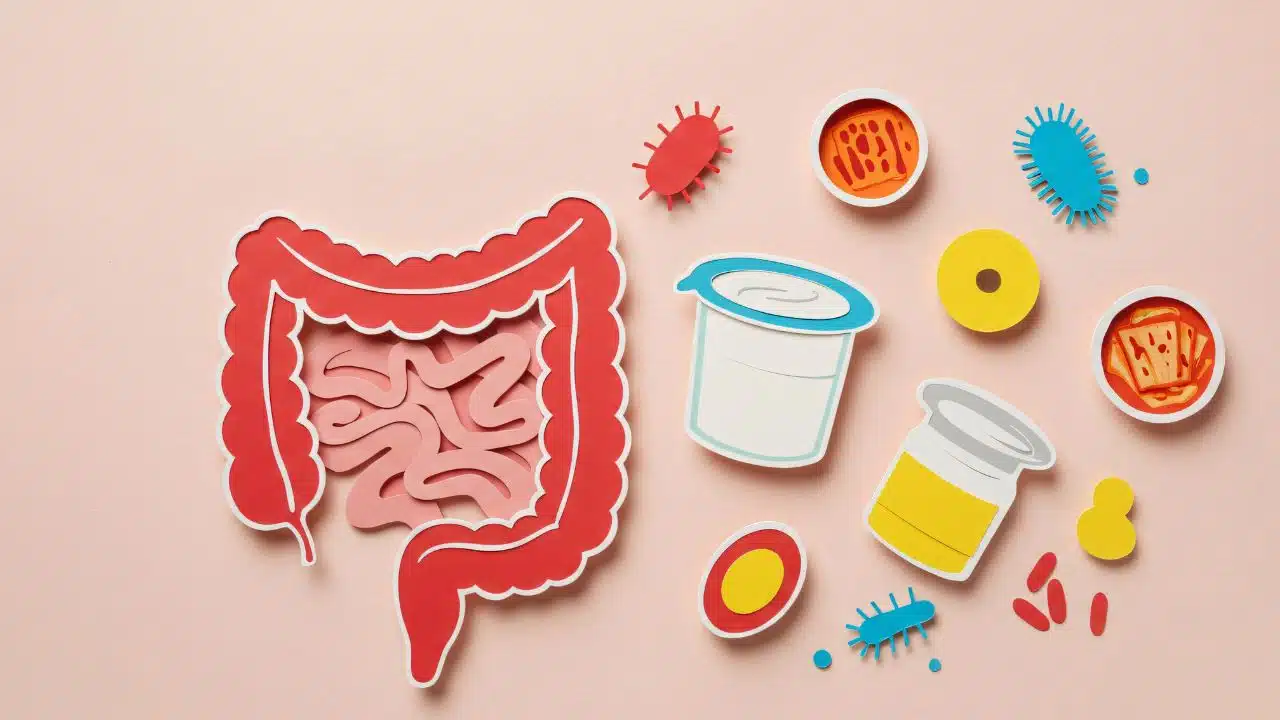
The holidays have a way of sneaking up with more temptation than restraint. Rich casseroles, buttery rolls, and the occasional second slice of pie all seem to call louder than common sense. For those managing IBS, this time of year may feel like walking a tightrope between joy and discomfort. The good news is that balance is believed to be possible, and the holidays don’t have to turn into a digestive dare. Small, thoughtful choices may protect your gut without forcing you to live on salad while everyone else dives into stuffing.
IBS doesn’t define your holiday, it simply changes the strategy. Some people may find it easier to skip certain triggers, while others might just need to space out portions or add gentle movement afterward. Nothing about this approach has to feel restrictive. It’s more about staying tuned in. The goal is to keep your gut calm enough to let your mind stay present at the table instead of worrying about what’s next.
Rethinking The Menu Without Losing The Magic
This isn’t about depriving yourself of every comfort food. The holiday spread can still be full of flavor, color, and texture. It’s simply believed to be a matter of adjusting expectations and tweaking recipes where it counts. A spoonful of creamy mashed potatoes made with olive oil instead of heavy cream, roasted vegetables tossed in garlic-infused oil, or desserts with less dairy and refined sugar may all make a difference.
There’s also something to be said for pacing. A slower meal may help the digestive system respond better, and mindful eating often leads to smaller portions naturally. Drinks, too, can quietly impact symptoms, sparkling water or herbal tea may be gentler choices than wine or soda. If you still want something festive, a diluted cider or mocktail with fresh citrus and ginger may hit the right note. Remember, the right gut supplements may help in some cases, though they should complement—not replace—healthy habits and individualized care.
Managing Stress To Keep Symptoms In Check
IBS is believed to be as much about the brain-gut connection as it is about what’s on the plate. The holidays may bring joy, but they also carry stress, and stress is a known disruptor of digestive rhythm. A crowded calendar or tense family dynamic may quietly nudge symptoms to flare. Finding small ways to unwind throughout the season, whether through a short walk, quiet drive, or saying no to one too many commitments—may ease the body’s internal response.
Gut sensitivity may lessen when cortisol levels are steadier. Even a few minutes of deep breathing before meals may signal to the body that it’s safe to rest and digest. This isn’t about adopting an entire new lifestyle; it’s about acknowledging how intertwined stress and digestion may be and learning to manage both with gentleness rather than judgment.
Making Medical Care Feel More Human
Digestive health care is believed to be shifting toward a more patient-centered care model, where doctors and nutritionists focus less on general restrictions and more on personalized strategies. For someone living with IBS, that may mean having their triggers mapped out through careful observation rather than broad elimination diets. It may also mean creating a flexible plan that respects both the social nature of eating and the unpredictability of symptoms.
Patients are no longer expected to navigate everything alone or to live by one-size-fits-all rules. The collaboration between healthcare providers and patients is what defines real progress here. That partnership may include everything from identifying gentle probiotics to testing low-FODMAP recipes that still feel festive. The most effective support often comes from professionals who listen, adjust, and recognize that food is not just fuel, it’s connection, memory, and culture.
Reclaiming Joy In The Rituals
There’s an emotional side to eating that’s often overlooked when managing IBS. Food isn’t just about nutrients or digestion—it’s about belonging. Sharing a favorite dish passed down through family generations may carry comfort that runs deeper than the ingredients. Those traditions shouldn’t vanish because of an unpredictable digestive system. With small adaptations, they may evolve instead of disappear.
One person’s plan might involve splitting dessert and coffee over an hour instead of ten minutes. Another may find that lighter midday meals make heavier dinners easier to enjoy. What matters most is the mindset shift from avoidance to awareness. When you stop seeing your gut as the enemy, it may start to cooperate a little more. That small change in attitude can make a big difference in how you approach the holidays, and honestly, in how you approach life.
At its core, the holidays are about connection and comfort, not perfection. IBS doesn’t cancel out your right to enjoy them. It simply asks for attention and care. The trick is believed to lie in finding your own balance—between indulgence and mindfulness, between social joy and self-awareness. You may never have a perfectly predictable digestive system, but that’s not the goal anyway.































