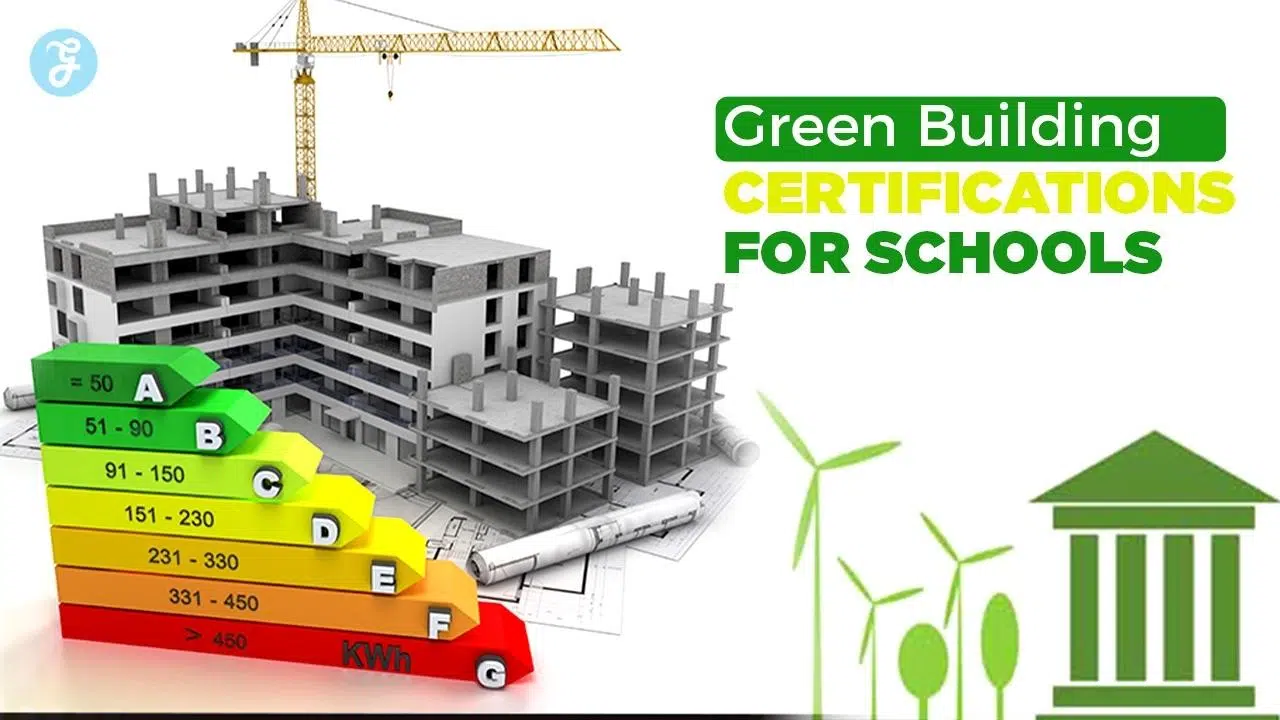
Have you ever walked into a classroom and felt like all the air was sucked right out of the room? Many schools today struggle with high energy costs and stuffy rooms. Parents worry about their kids breathing clean air. Teachers want healthy places to teach and learn. Old buildings waste money and use more power. They often fail to provide a safe space for students. A school can save up to 30% on energy bills just by making smart upgrades. I have found that Green Building Certifications for Schools make this process simple. They help local districts create better, cleaner spaces without the guesswork.
I will show you what these awards are and why they matter for your neighborhood. Grab a cup of coffee, and let’s go through this together.
What Are Green Building Certifications?
Green building certifications set clear rules for making schools safe, healthy, and ecofriendly. These awards show that a school values clean air, smart use of energy, and strong building standards.
Definition and Overview
Green building certifications set official standards for ecofriendly buildings. They focus on energy efficiency, healthy environments, and resource conservation. For schools, this means the building uses less water, makes great use of daylight, and filters indoor air.
A certified school might install solar panels or smart lights to save power. Builders often pick safe paints that lower indoor pollution. These green practices help reduce a school’s carbon footprint while supporting better learning spaces.
Many schools in the United States choose popular systems managed by the U.S. Green Building Council. By 2025, many older schools will have started using the LEED O+M framework. This Operations and Maintenance track lets existing buildings earn a certification without needing a total rebuild.
Importance of Green Certifications for Schools
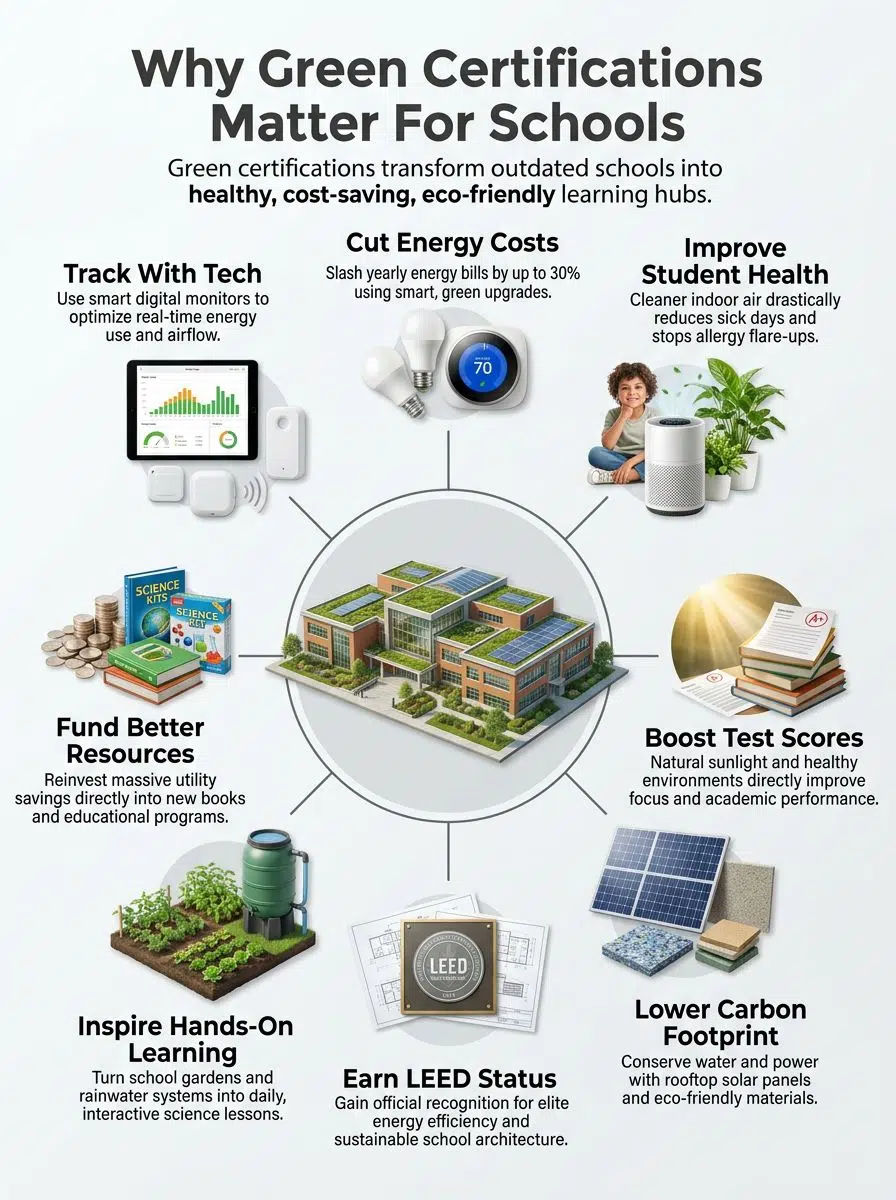
Schools use these standards to make buildings healthier and safer for everyone. Better student health links directly to fresh air and cleaner classrooms.
According to a 2025 update from the U.S. Environmental Protection Agency, fixing dampness in a school reduces the risk of asthma by 30 to 50 percent. That same report found that schools keeping up with maintenance see an average of four to five more students per 1,000 in daily attendance.
“Cleaner air and well-maintained buildings directly improve attendance and keep kids healthier all year long.”
Districts also notice lower electricity bills after simple upgrades like LED lights. Teachers see a difference in how students act in greener spaces, too. Cleaner, ecofriendly schools protect our planet while shaping smarter habits in future adults.
Overview of LEED Certification
LEED is a highly popular green building standard used in many schools. This system helps administrators use less energy and create cleaner spaces for learning.
What is LEED?
The LEED system stands for Leadership in Energy and Environmental Design. It is a building certification created by the U.S. Green Building Council in 1998. Schools use LEED to prove they follow strict green architecture guidelines.
Structures earn points for things like energy efficiency, water conservation, and healthy indoor air quality. By 2025, over 7,500 commercial and institutional projects earned this award globally.
The newest version is called LEED v5. This updated system places a huge focus on cutting carbon emissions and making buildings resilient to extreme weather. “Healthy schools help kids thrive,” says Mahesh Ramanujam from USGBC, “and that is what matters most.”
LEED Rating System for Schools
Schools have their own specific LEED rating system. It sets standards for green architecture in educational buildings, keeping the health of kids and teachers in mind.
- Credits get tracked in categories like energy use, indoor air quality, water savings, and materials.
- Points add up across each category. The more points a school earns, the higher its certification level.
- The four levels are Certified (40 to 49 points), Silver (50 to 59 points), Gold (60 to 79 points), and Platinum (80 or more points).
- Schools can earn credits by using daylight to light classrooms instead of electric lights.
- Low-emission paints and carpets help schools gain points for better indoor air quality.
- Efficient plumbing fixtures cut water use, add to energy efficiency, and win credits.
LEED Certification Process
It helps to know exactly how a school gets this green building certification. The process follows clear steps, but every single stage matters for success.
- Register the project with the U.S. Green Building Council. This opens a record in their LEED Online portal.
- Gather basic information about the school building and its design plans.
- Create a project team that includes leaders, architects, and specialists in environmental design.
- Document all green architecture strategies, like low-flow water fixtures and energy-efficient lighting.
- Submit these documents for review. The Green Business Certification Inc. checks if the standards match the required levels.
- Pass rigorous site inspections where experts verify that the green practices were truly installed.
- Achieve final approval and display your LEED plaque as proof of meeting high building standards.
Key Benefits of Green Building Certifications for Schools
Schools with green certifications set the stage for happier minds and smarter choices. These buildings offer much more than a roof and four walls.
Enhanced Indoor Air Quality
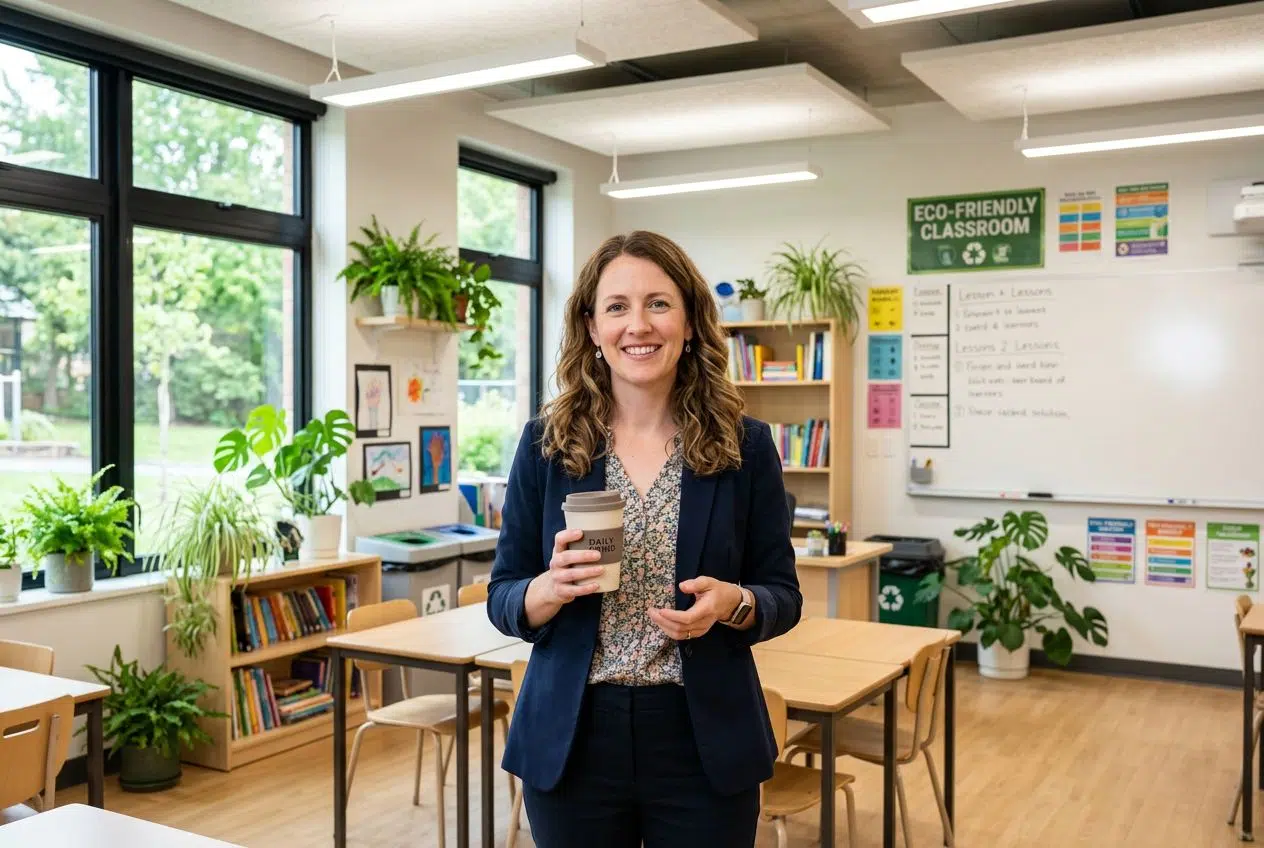
Fresh air in classrooms helps students breathe easier and stay alert. Green building certifications push for better ventilation, low-emission materials, and regular air checks.
A 2025 study from Harvard University found a direct link between high carbon dioxide levels and lower cognitive test scores. When classrooms got stuffy, students actually struggled with basic math and reading tasks.
Certified educational facilities use high-quality filters, like MERV 13-rated filters, to trap dust and pollen. Some designs use natural airflow with big windows to clear out stale indoor air. Parents can feel more at ease knowing their children spend each day surrounded by clean air.
Improved Energy Efficiency
Clean air helps students, but saving energy is just as important. Advanced building standards help schools use much less electricity for lights, heating, and cooling.
Many schools now use smart thermostats, similar to a Google Nest, to keep classrooms comfortable without wasting heat in empty rooms. Motion sensors automatically turn off lights when students leave for recess.
The U.S. Department of Energy reports that using high-performance systems can cut a school’s yearly energy bills by 20 percent or more. These steps lower a school’s carbon footprint and support massive sustainability goals.
Reduced Environmental Impact
Green building certifications help schools shrink their massive carbon footprint. The U.S. Energy Information Administration states that buildings consume about 40 percent of the nation’s total energy. Schools can change that statistic by making smarter choices.
Here are a few ways certified schools reduce their impact:
- Using ecofriendly materials like recycled steel or fast-growing bamboo flooring.
- Planting green roofs to catch rainwater and naturally cool the building in hot months.
- Installing low-flow toilets and faucets that save thousands of gallons of water each year.
- Adding renewable resources, like rooftop solar panels, to power classrooms and cut greenhouse gases.
Cost Savings Over Time
Schools with green building certifications use less energy and water. This directly lowers utility bills every single month. Using resources wisely also means fewer repairs and longer-lasting equipment. The payback period for upgrading to LED lights is often less than two years. After that, the energy savings turn into extra cash for the district.
Extra funds can buy books, add learning programs, or fix the playground. Smart upgrades pay for themselves over time.
Positive Impacts on Student Performance
Saving money feels great, but the true value is in the classroom. Fresh air and natural light boost focus, memory, and mood.
A 2025 report from the EPA highlighted incredible statistics about well-maintained, highly ventilated schools. Better air quality led directly to higher test scores in both reading and math.
“Schools with excellent air quality and no maintenance backlogs see 10 to 13 fewer dropouts per 1,000 students compared to aging buildings.”
In some cases, absenteeism drops sharply after a school upgrades its ventilation or removes toxic materials. Better spaces truly help build brighter futures for every student.
Types of Green Building Certifications
There are several ways schools can earn recognition for using energy-smart building practices. Each type has its own rules, benefits, and costs.
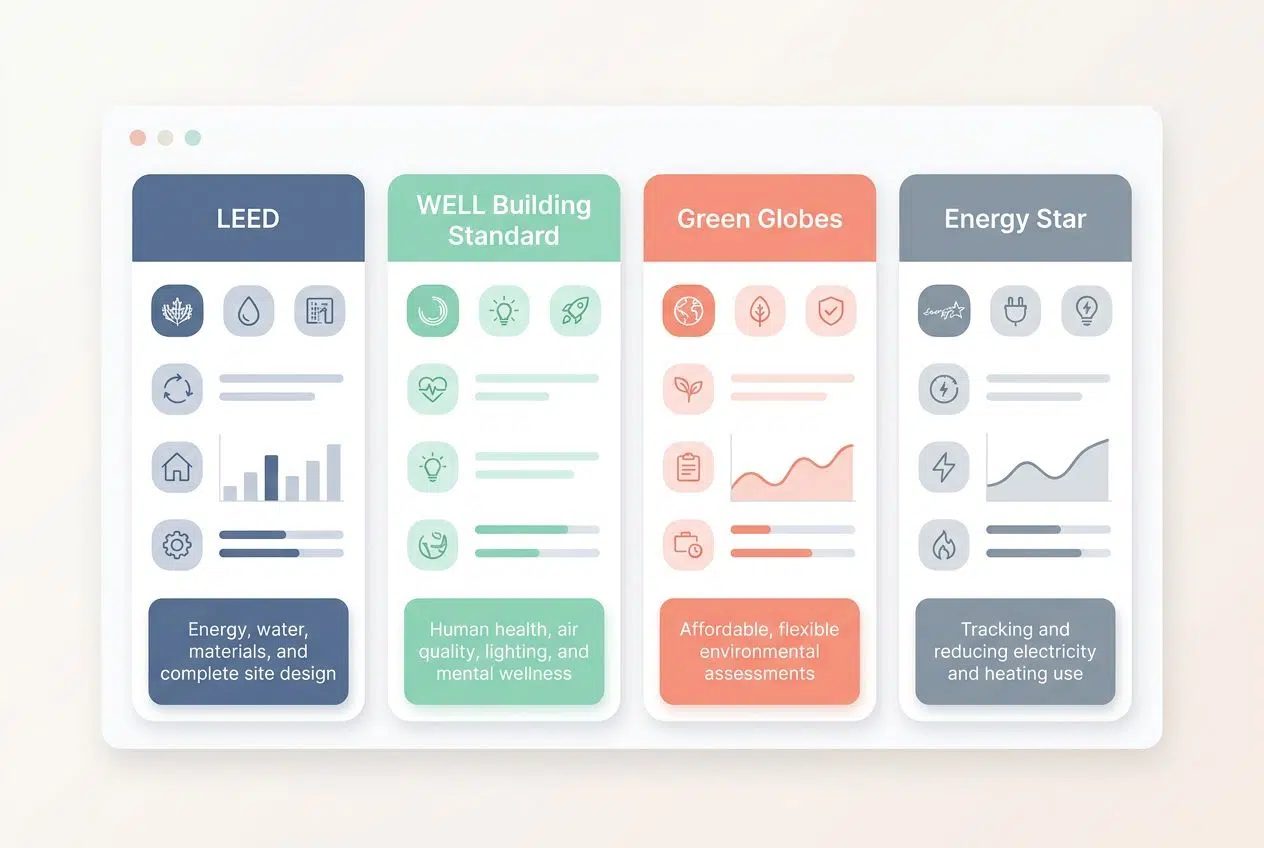
| Certification Name | Primary Focus | Best For |
|---|---|---|
| LEED | Energy, water, materials, and complete site design. | Comprehensive, globally recognized green architecture. |
| WELL Building Standard | Human health, air quality, lighting, and mental wellness. | Boosting student and teacher health and comfort. |
| Green Globes | Affordable, flexible environmental assessments. | Schools on a tight budget want a guided process. |
| Energy Star | Tracking and reducing electricity and heating use. | Simple, free benchmarking for energy efficiency. |
LEED (Leadership in Energy and Environmental Design)
LEED is the top green building certification in the United States. The U.S. Green Building Council set it up in 1998, and today it is the most recognized label in the country.
Schools earn points by saving water, using natural light, and handling waste smartly. More than 2,200 K-12 schools across the country hold some level of LEED Certification.
These certified schools often see lower utility bills and sharper student focus. Parents love knowing the school cares about both learning and the planet.
WELL Building Standard
The WELL Building Standard focuses specifically on health and well-being inside educational facilities. Managed by the International WELL Building Institute, it checks air quality, lighting, water safety, and space design.
A 2025 industry report showed that occupants in WELL-certified spaces report an 18 percent increase in satisfaction with natural lighting and an 11 percent boost in thermal comfort. Schools that meet WELL standards use fresh air systems and healthy building materials to keep kids focused.
Many districts now pair WELL with standard green architecture. This boosts both wellness and energy efficiency at the same time.
Green Globes Certification
Green Globes Certification gives schools a simple, flexible way to show their buildings are ecofriendly. The Green Building Initiative started this program in 2004. Trained third-party assessors check each school using an online tool and a site walkthrough.
Many educational facilities pick Green Globes because the process is fast and budget-friendly. A landmark study from Drexel University found that the administrative costs for Green Globes can be tens of thousands of dollars cheaper than competing certifications.
Even small changes, like installing better lighting or low-flow sinks, count toward certification points. This shows that every step helps shape greener learning spaces.
Energy Star for Buildings
Energy Star for Buildings helps schools use less energy and save money. Started by the U.S. Environmental Protection Agency, this program tests how well a building saves energy compared to others nationwide.
Schools use a free online tool called Portfolio Manager to track their utility bills. A school can earn an Energy Star label if it scores higher than 75 out of 100.
In 2023 alone, about 35,000 buildings earned this status. A school with that blue Energy Star sticker sends a clear message that it prioritizes resource conservation.
Green Schools as Teaching Tools
A green school does more than save energy. It becomes a classroom itself, teaching students about caring for our planet.
Using Green Features for Education
Teachers and students can learn a lot from the building itself. These ecofriendly elements bring sustainability lessons to life right inside the classroom.
- Solar panels on rooftops show students how sunlight turns into energy, making science class much more real.
- Rainwater collection systems let kids see water conservation in action.
- Class gardens help children understand food cycles, composting, and caring for living things.
- Air quality monitors like Awair display shared indoor air changes, turning data into daily math and health discussions.
- Energy-efficient heating systems give students concrete examples of ways buildings cut costs.
Promoting Sustainability Among Students
After students see solar panels or water tanks in action, they get curious. They ask how their school saves energy and water. Many begin to copy good habits like turning off lights and recycling paper.
School gardens turn science class into a hands-on lesson about nature. Simple projects make a massive difference. Adding a compost bin to the cafeteria teaches kids how food scraps help plants grow.
Many schools form student-led green teams to monitor recycling bins and energy use. Small changes at school ripple outward to families, sparking bigger dreams about making the world cleaner.
Steps to Achieve Green Building Certification for Schools
Getting a school certified green starts with small, smart actions. Options quickly open up for healthier classrooms and smarter energy use.
Conducting an Initial Assessment
Start with a complete walk-through of the school building. Check classrooms, hallways, and outdoor spaces for drafts. Record current indoor air quality levels by testing for:
- Carbon dioxide spikes in the afternoon.
- Humidity levels that encourage mold.
- Excessive dust near the air return vents.
Experienced facilities managers recommend comparing your air quality numbers against the latest ASHRAE guidelines. If carbon dioxide levels spike, it means your ventilation is failing. Talk to custodians about cleaning supplies, since safer, non-toxic products help keep healthy environments too.
Setting Sustainability Goals
Schools often pick one big goal first, like cutting energy use by 30 percent within five years. Some aim to boost indoor air quality or add more renewable resources.
A great insider tip is to immediately enter your school’s utility bills into the free ENERGY STAR Portfolio Manager. This software gives you a baseline score so you can track your improvements month by month. Teachers might ask students for ideas too, which builds excitement about ecofriendly changes.
Implementing Green Building Practices
Start small by maximizing natural light in classrooms or adding indoor plants. Easy changes, like switching out old fluorescent bulbs for LED lights, save resources right away.
Schools often pick renewable materials for new buildings, such as bamboo floors and recycled steel beams. Heating and cooling systems get upgrades, too.
Swapping old air filters for thicker MERV 13 filters boosts indoor air quality instantly. Partnering with groups like LEED gives schools a clear checklist to track their progress.
Challenges in Achieving Certification
Getting green building certification is a big project. Many schools face hurdles, but creative thinking helps push projects forward.
Budget Constraints
Paying for green building certifications can feel hard, especially for schools with tight budgets. The 2025 State of Our Schools report revealed a massive $90 billion annual funding gap for modernizing educational facilities in the United States.
Consultants and registration fees add thousands of dollars to the final bill. School leaders must balance these costs against needs like textbooks and teaching staff.
To help, smart districts use tax credits from the federal Inflation Reduction Act to pay for solar panels and heat pumps. This strategy stretches every dollar to support sustainable upgrades without breaking the bank.
Complexity of the Certification Process
These certifications have many steps and strict rules. Schools must fill out detailed applications, track every green practice, and provide months of utility data.
The paperwork piles up fast. It is easy to miss small but critical details, which can delay progress by weeks or even months.
Getting approval means talking constantly with official inspectors. Keeping green standards high takes steady, organized teamwork from teachers, staff, and local builders.
Maintenance of Green Standards
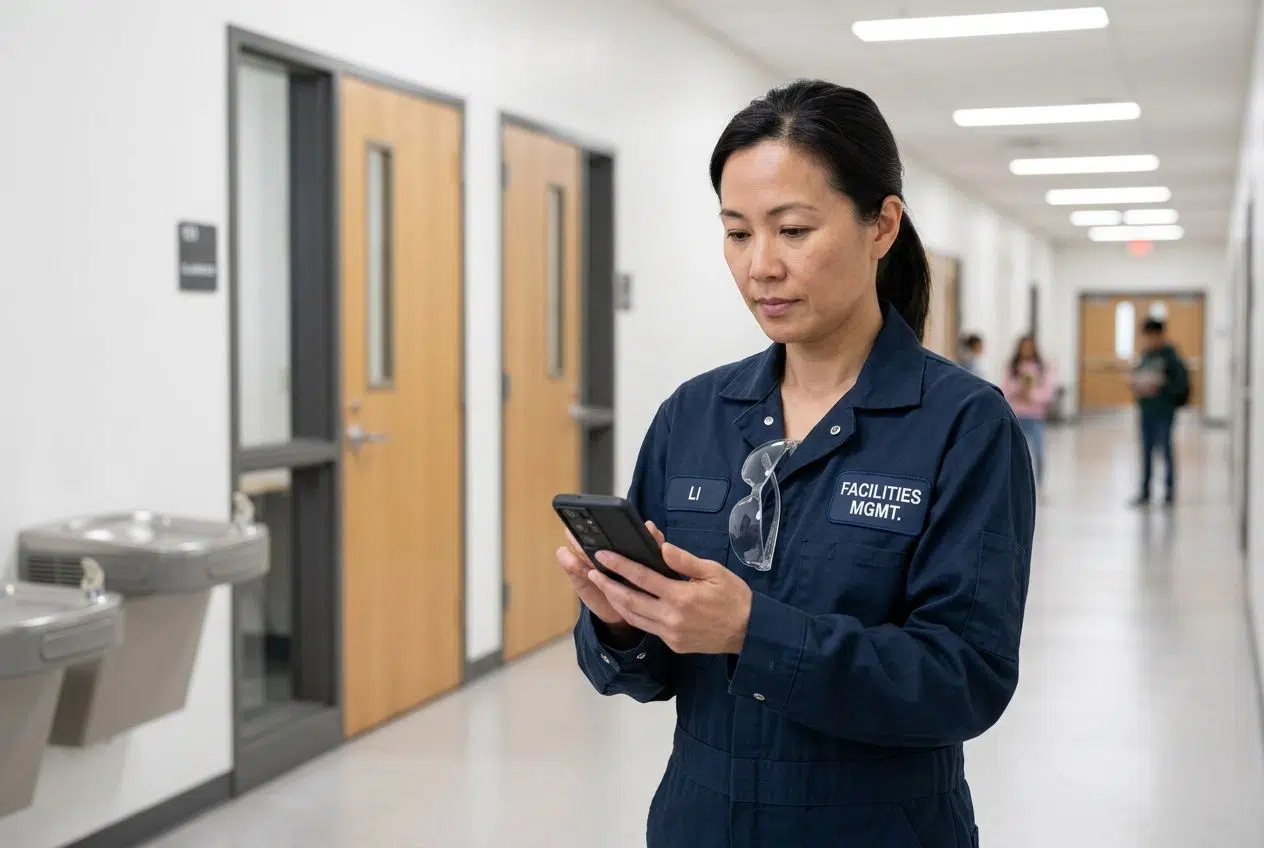
Keeping buildings ecofriendly takes daily effort. Schools need staff who check lighting, air systems, and water use all year round. Energy Star suggests checking these things every single month.
Many advanced schools now use Automated Fault Detection and Diagnostics software. This technology spots broken sensors or small leaks immediately and alerts the maintenance team on their phones.
“Fixing a broken heating schedule on day one saves thousands of dollars compared to finding the problem at the end of the month.”
With clear rules and modern tools, schools keep healthy environments for students while meeting strict building standards for years to come.
The Future of Green Schools
New ideas and smarter building goals shape green schools every day. Keep watching to see what comes next.
Innovations in Green Building Certifications
Big changes are making these certifications much better for schools. The newest LEED v5 standard now offers specific pathways to reach zero carbon emissions. This pushes schools to move completely away from fossil fuels.
The WELL Performance Rating now uses continuous air quality sensors instead of a one-time physical inspection. These digital tools track energy use and indoor air quality with the tap of a button.
In 2022, over 60 percent of new school projects aimed for at least one building standard. These updates help create kinder spaces that boost learning and protect the planet.
Expanding Access to Certifications Worldwide
More schools across the globe now pursue these standards. Groups like the U.S. Green Building Council offer help to schools in many countries, making it easier to meet healthy building standards.
Digital checklists play a massive part here by cutting costs and making training simple. In the United States, targeted federal grants give underfunded, rural districts a fighting chance at certification.
This means students in any zip code can enjoy safer air, better lighting, and spaces that support learning. New ideas keep popping up, pushing green education forward for everyone who walks through a school’s front doors.
Closing Thoughts
Green building certifications for schools open the door to healthier and smarter learning spaces. Students breathe cleaner air, save energy, and learn about green architecture every day.
Schools with a LEED Certification or Energy Star rating stand as incredibly bright examples in their communities. Parents, teachers, and students all play a part in making educational facilities better for the planet.
Every step taken for ecofriendly design shapes how kids think about caring for nature. One small change can spark big ideas that stay with children long after the bell rings.