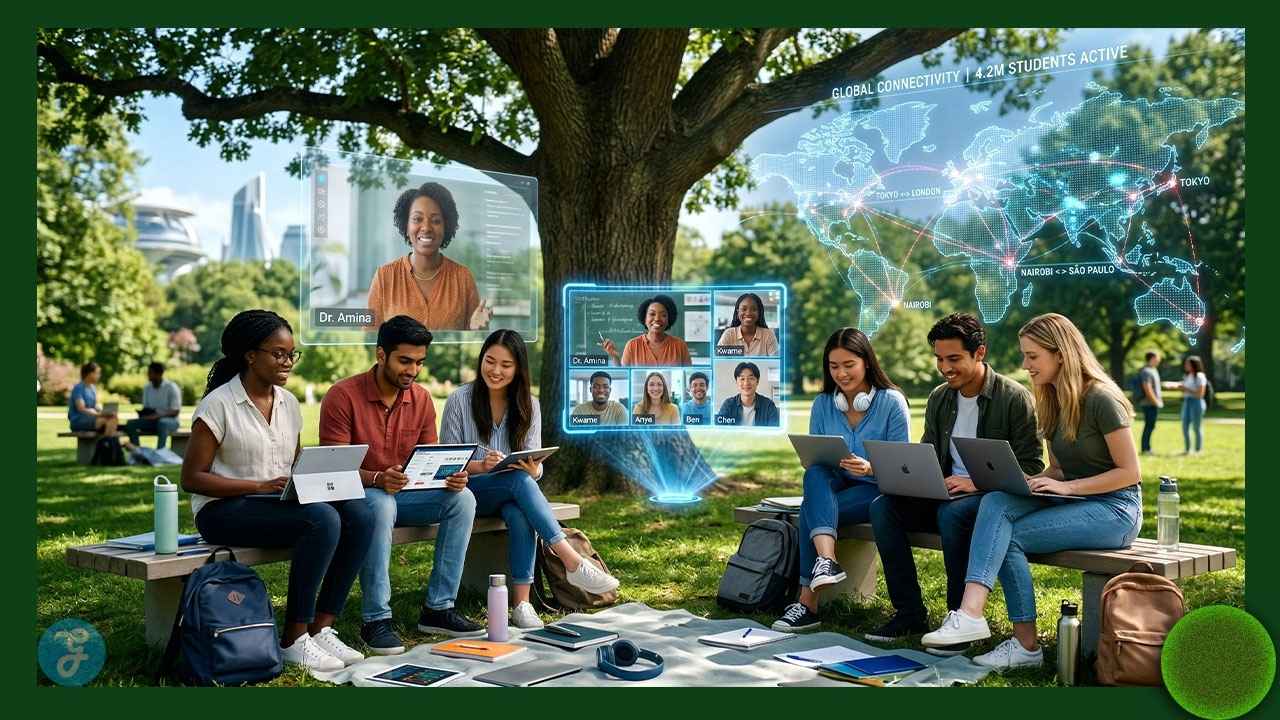
Imagine sitting in a stuffy classroom, staring at the same four walls day after day, while the world outside buzzes with endless possibilities. Many parents and teachers worry that kids today miss out on real adventure in learning, stuck in old routines that feel dull and disconnected. You might feel that frustration too, wondering how education can keep up with a fast-changing world full of tech and global ties.
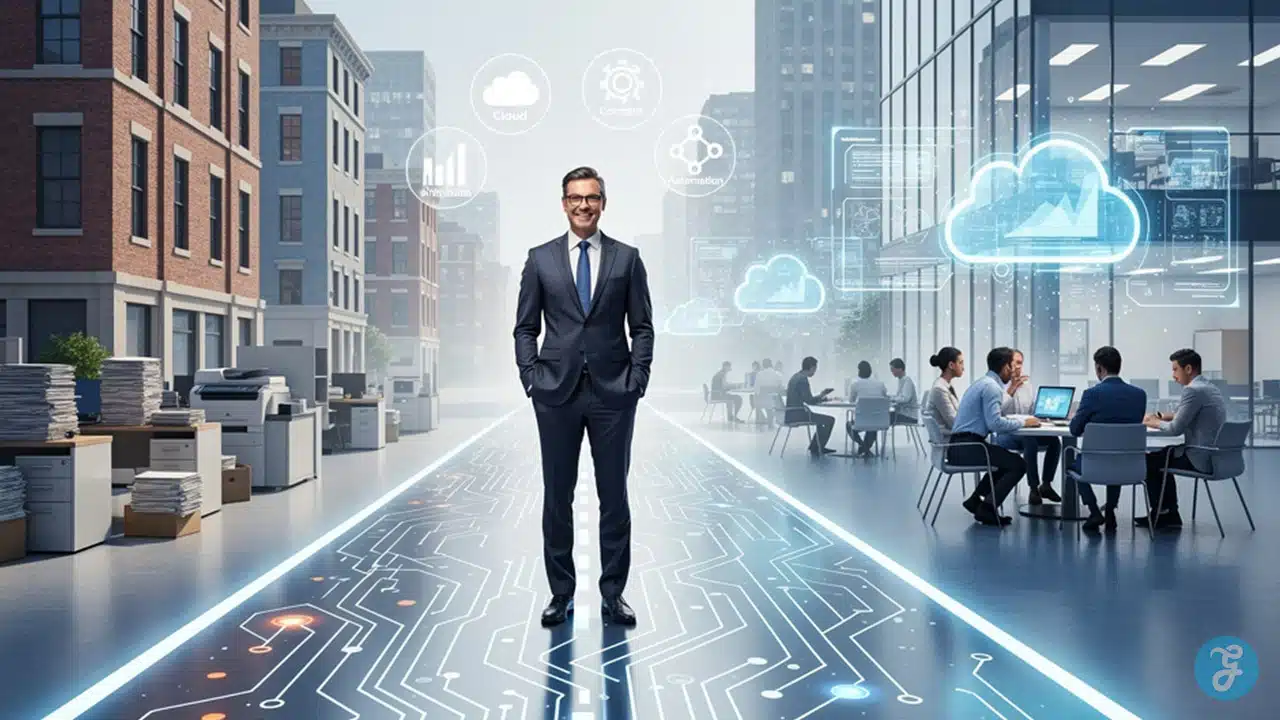
Education shifts from old classrooms to digital and hybrid spots, as one key fact shows. This blog on the Future of Education explores classrooms without walls and the new global learning shift.
It breaks down trends, tech roles, and ways to prep for what’s ahead, helping you grasp how to make learning exciting and fair for all. Stick around to see the future unfold.
The Concept of Classrooms Without Walls
Imagine ditching those stuffy school rooms for a world where learning bursts free, like a river flowing beyond its banks. You connect with kids across oceans, swapping stories and ideas that spark real excitement, making education feel alive and endless.
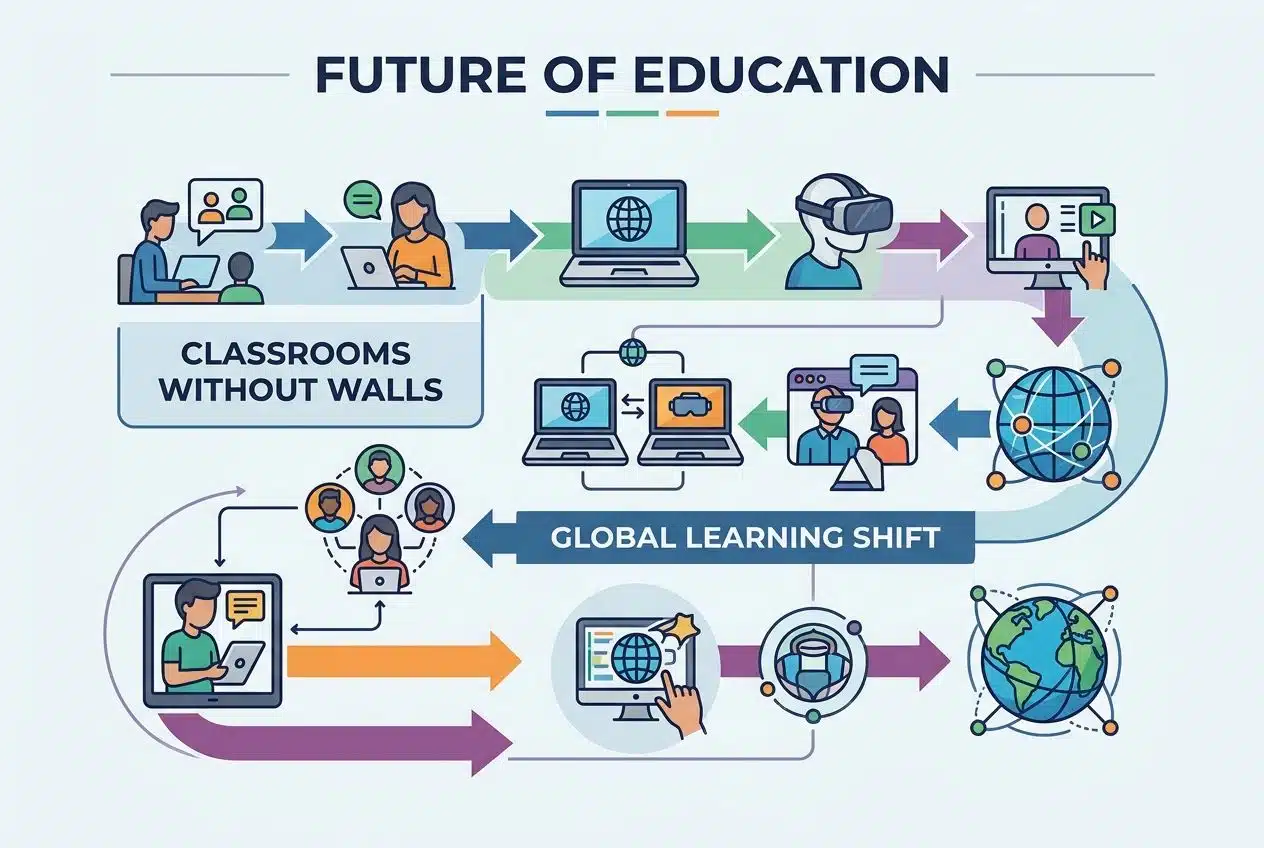
Breaking Geographical Barriers
Classrooms without walls mean kids learn from anywhere. Students in New York connect with peers in Tokyo through virtual learning. This setup breaks down old limits. Online education lets you join a global classroom right from home.
Think of it like a bridge over oceans, linking minds across the world. Distance learning adds flexibility, so you study when it fits your life. Remote teaching makes lessons fun and interactive. Teachers share digital resources that spark curiosity. Collaborative learning builds strong ties, no matter the miles.
Imagine a student in a rural town exploring history with experts from Europe. Educational technology turns screens into windows to new worlds. Accessibility grows, helping more folks join in. Global classroom vibes foster fresh ideas. You gain friends from different cultures, enriching every chat.
Education is the passport to the future, for tomorrow belongs to those who prepare for it today. – Malcolm X
A Shift to Global Learning Communities
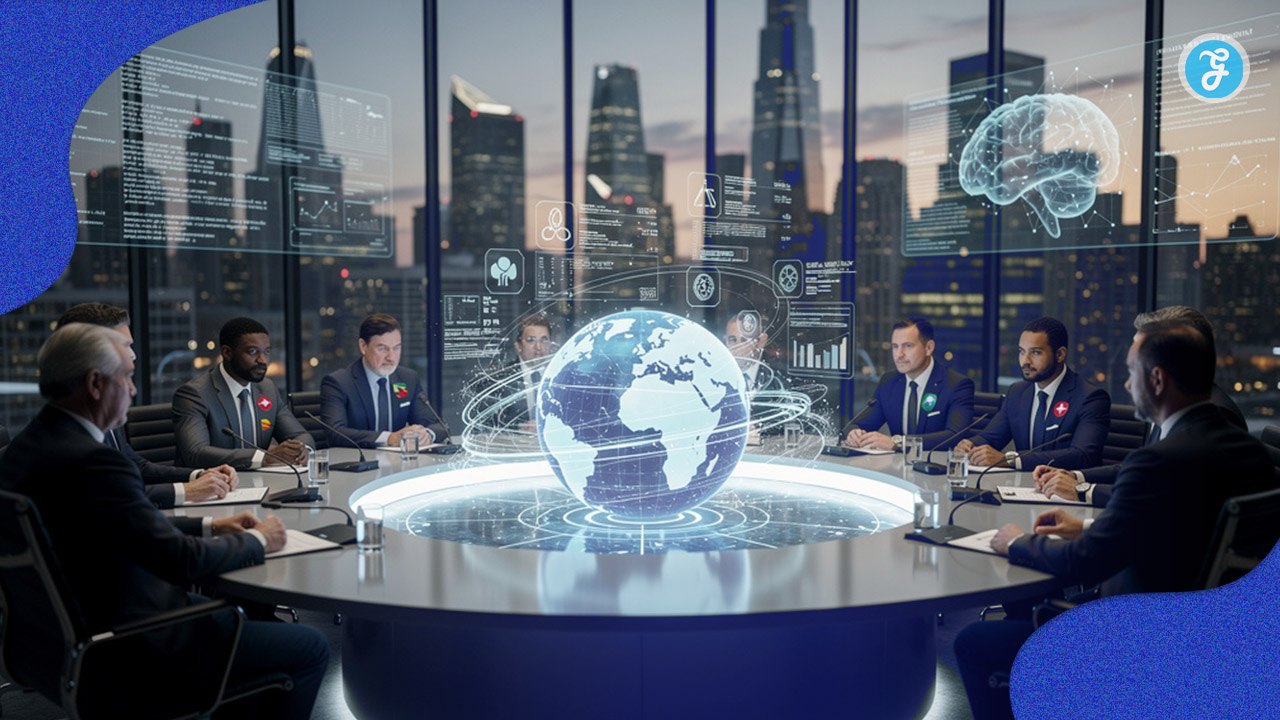
Once we break those geographical barriers, education opens up to vibrant global learning communities that connect students from every corner. Imagine kids in New York teaming up with peers in Nairobi for a project; that’s the magic happening now.
Education moves toward digital, hybrid, and skills-based learning environments, fostering these global learning communities. We see collaborative learning spark innovation in education, as knowledge sharing becomes the norm.
Global collaboration builds bonds across cultures, equipping everyone with transferable skills for workforce readiness.
Yet, global inequalities emerge as big challenges in these evolving educational landscapes. The influence of AI tools reshapes how knowledge and skills are acquired in global learning contexts.
A widening gap exists between academic qualifications and real-world employability, impacting global student communities. Adaptation by schools, governments, and students remains critical to remain relevant amid rapid global changes in work and knowledge systems.
Practical reforms and real-world examples prove essential for advancing the concept of global learning communities, promoting educational equity and hybrid learning for all. Lifelong learning takes center stage, like a never-ending adventure that keeps us growing.
Key Trends Shaping the Future of Education
Imagine ditching dusty textbooks for tools that make learning feel like an adventure, where kids from different countries team up on projects as if they’re in the same room. Tech sparks this magic, turning education into a flexible ride that fits every student’s style, and it opens doors for everyone, no matter where they live.
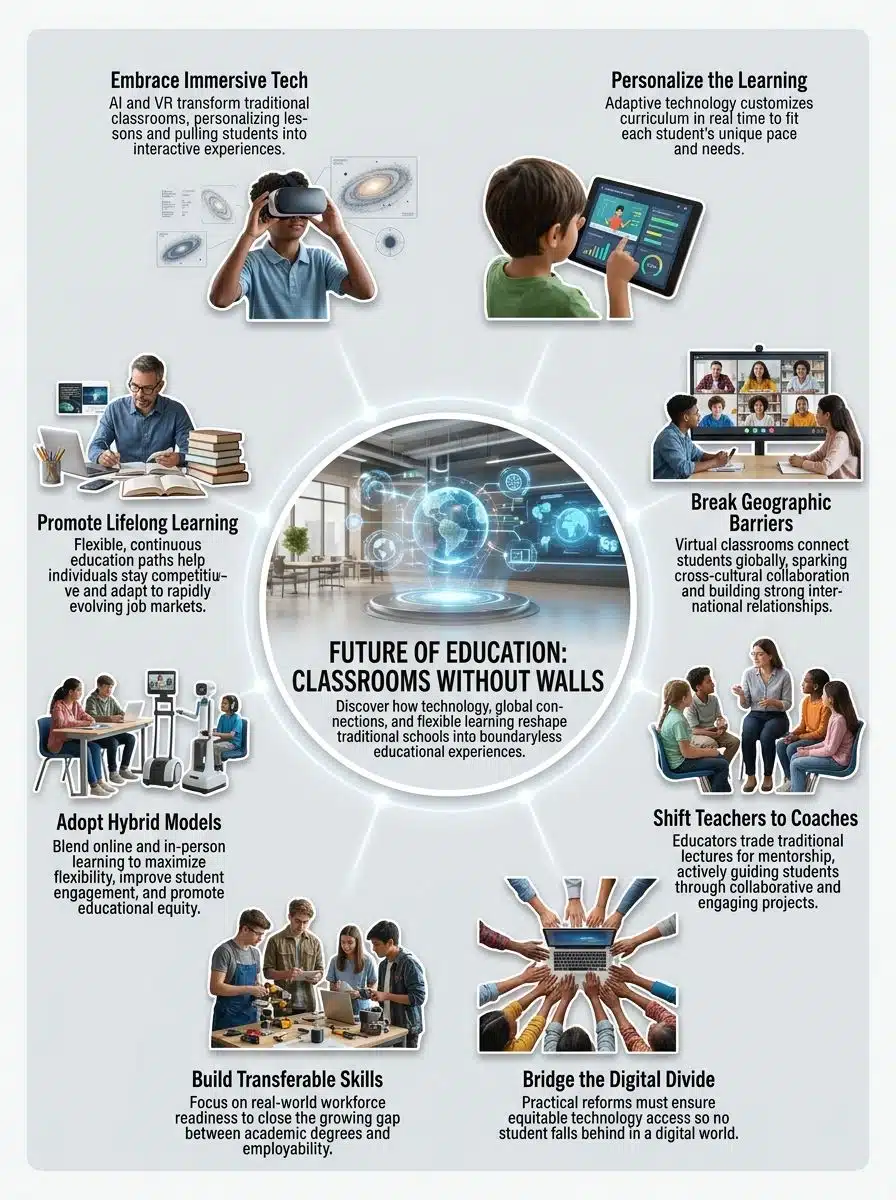
Technological Advancements (AI, VR, AR)
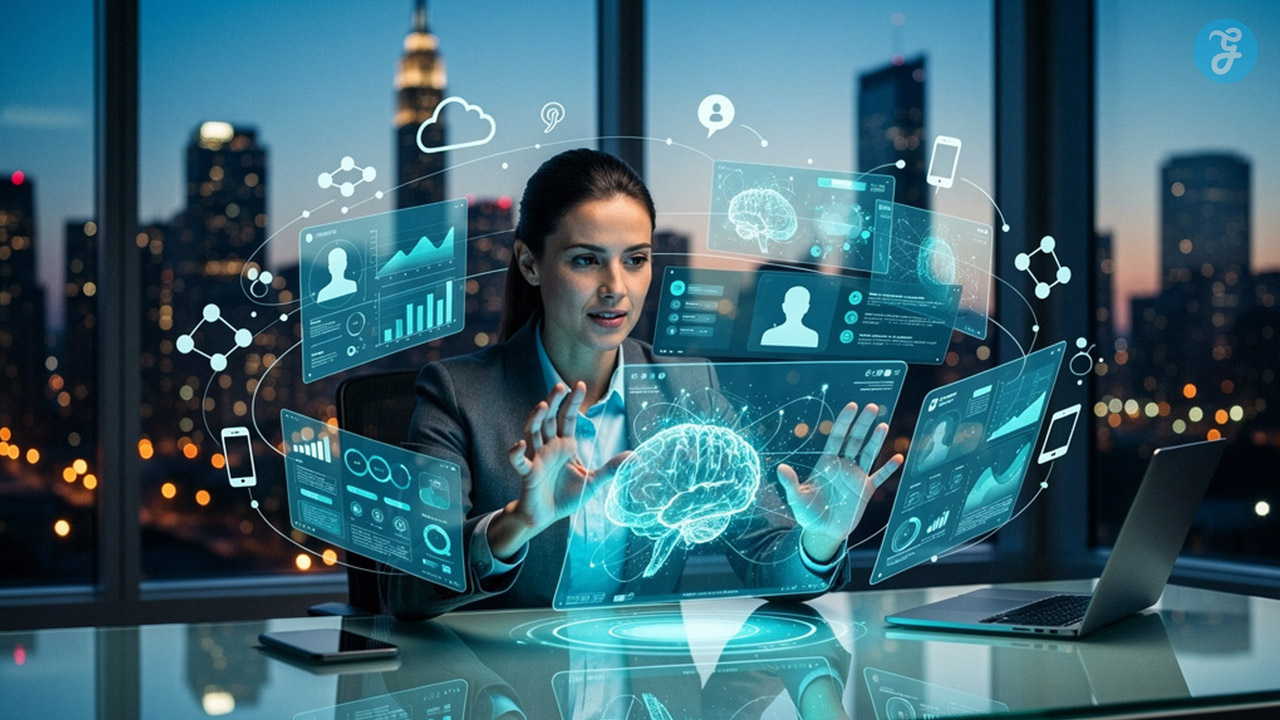
AI tools are being integrated more into schools now. They change how teachers teach, and students learn. VR and AR tech grow in use, too. These create immersive experiences that pull kids right into lessons.
Think of history class where you walk ancient streets, not just read about them. Digital learning tools drive this shift, but they also widen gaps in education around the world. Advancements like AI and VR ease the move to digital and hybrid models.
Schools and governments adapt to these technologies to stay current. Practical changes with AI, VR, and AR help close the space between school and jobs. Global examples show how well this works in real places.
Technology is just a tool. In terms of getting the kids working together and motivating them, the teacher is the most important. – Bill Gates
Educators see AI as a helper, not a replacement. It personalizes lessons for each student. VR offers virtual classrooms that feel real. AR adds interactive layers to books and maps.
These boost skill development for the workforce. Yet, we fight for educational equity so no one gets left behind. Hybrid education mixes online and in-person fun. This builds readiness for tomorrow’s jobs.
Personalized Learning Experiences
Think about an education system that fits you like a glove. Personalized learning experiences put students at the center. They use adaptive learning to adjust lessons in real time. Teachers offer individualized instruction based on your strengths and needs.
This learner-centered education boosts student engagement. You learn at your own pace, right? Educational technology makes it all possible. Tools analyze your progress with learning analytics.
They create a customizable curriculum just for you. Envision tackling math problems that challenge you, not bore you. Blended learning mixes online and in-person fun.
Differentiated learning helps everyone shine. Competency-based education focuses on skills you master. Forget one-size-fits-all classes. Students explore topics they love. This approach builds confidence, step by step.
Educators track what works for each kid. They tweak plans to keep things exciting. Think of it as a roadmap to success, drawn just for you. Global shifts make this essential. Kids from different backgrounds connect and grow.
Online Education and Hybrid Models
Personalized learning experiences set the stage for broader changes, and now online education and hybrid models take center stage in this shift. Education moves from traditional classrooms to digital learning, hybrid learning, and skills-based training.
Students access lessons anytime, anywhere, breaking old limits. Think of it like a buffet; you pick what fits your hunger for knowledge. Yet, global inequalities hit access to education hard; they hurt the effectiveness of these models.
Schools, governments, and students must adapt to evolving work and knowledge landscapes, or fall behind. The emergence of AI in education transforms methodologies and learning experiences, it boosts learning innovation. Hybrid models mix in-person and online elements; they promote educational equity when done right.
A disconnect exists between degrees and job market employability skills, so workforce development becomes key. Practical reforms tackle disparities in education and employment opportunities; they pave the way. Successful adaptations serve as models for future global education initiatives; they inspire change worldwide.
Inclusivity and Accessibility
Global inequalities in education face new solutions now. Learning shifts to inclusive models that help everyone. Think of it like opening doors wide for all kids, no matter where they live.
Equity and diversity drive this change. Inclusion means no one gets left behind. Accessibility boosts opportunity for students in remote areas. Practical reforms make this happen. We need innovation to enhance access.
Adaptation creates engagement in classrooms. Collaboration across borders builds stronger systems. Real-world examples show this shift in action. Schools in Africa use mobile apps for remote learning. Teachers in Asia blend cultures through online exchanges. These practices shape future education.
Reform brings more inclusion. Innovation sparks diversity. Students gain from this equity. Opportunity grows with every step.
The Role of Technology in Shaping Education
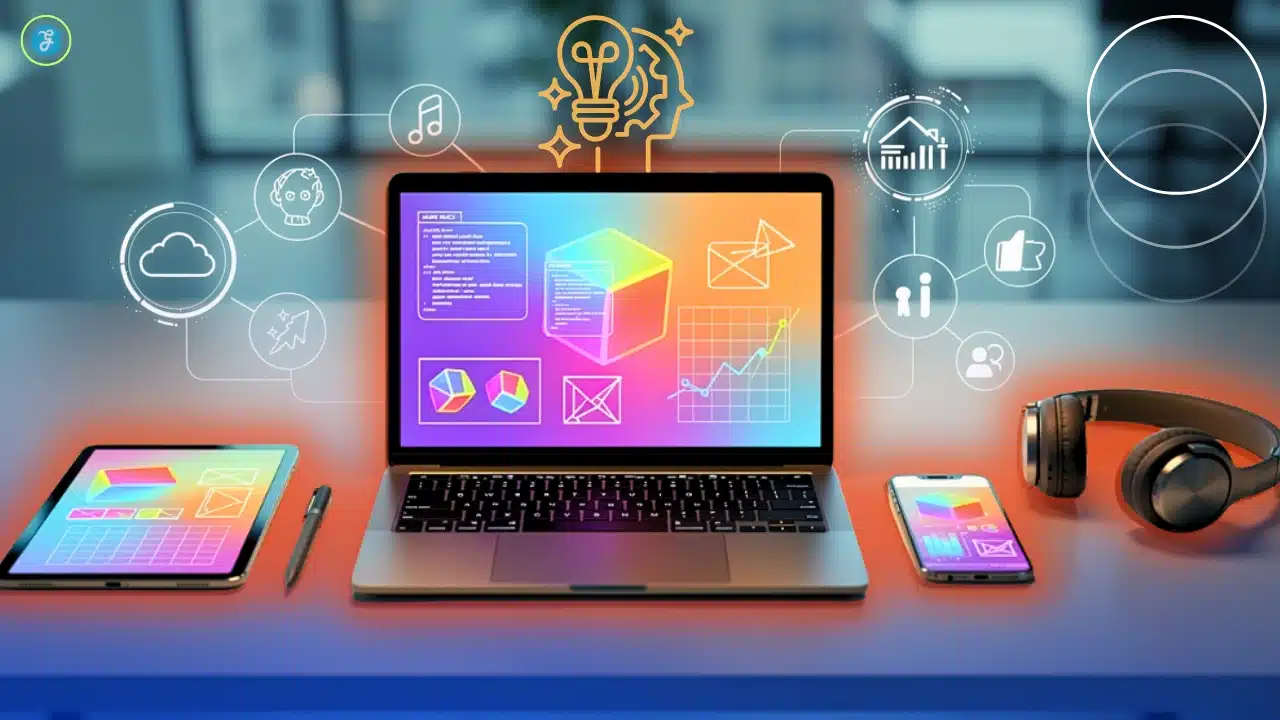
The Role of Technology in Shaping Education: Technology reshapes how we learn, turning old classrooms into smart spaces with AI that adapts lessons to each student, and VR that drops kids into history or science like they’re really there.
Imagine chatting with a virtual Einstein, or exploring the ocean floor without getting wet, cool, right? Stick around to see how these tools spark real excitement in education.
Smart Classrooms and Interactive Learning Environments
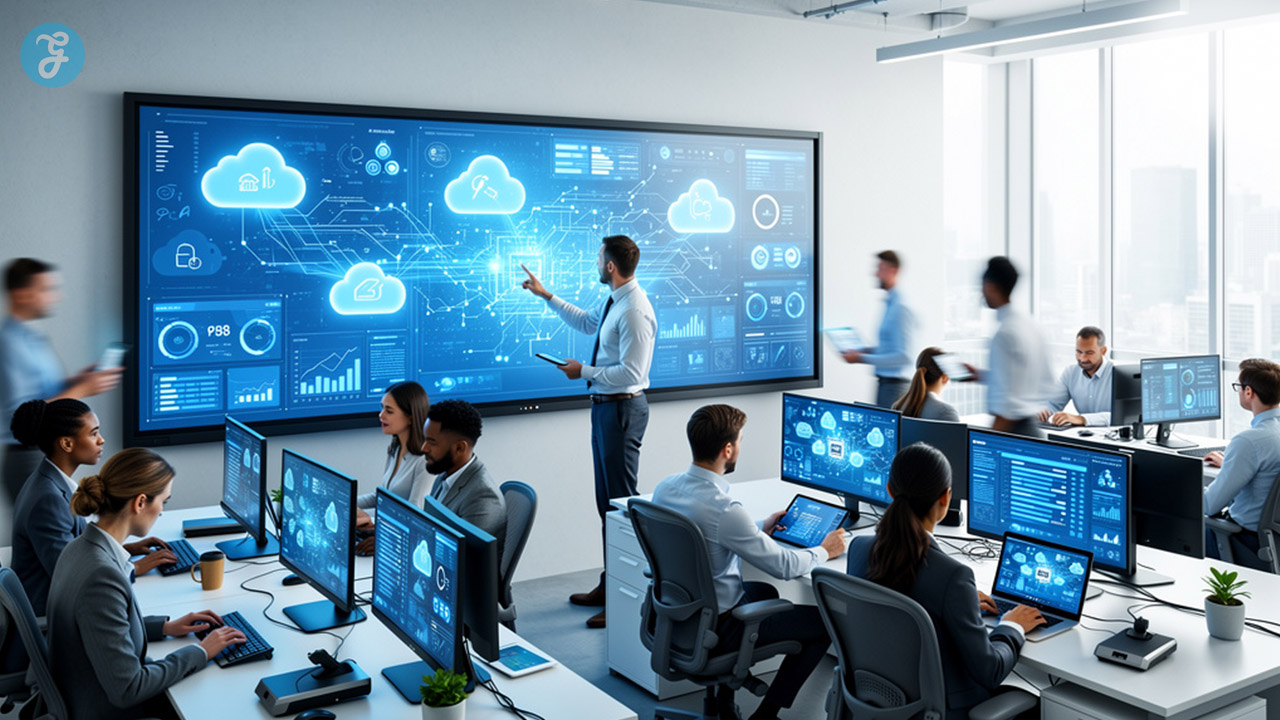
Smart classrooms change how we learn. They use EdTech to make lessons fun and interactive. Picture a room with interactive whiteboards that let students draw and share ideas right away.
Teachers guide classes with collaborative tools, so everyone joins in. Digital learning sparks curiosity, and educational apps help kids explore topics on their own. Multimedia resources, like videos and games, keep student engagement high.
Virtual classrooms connect people from different places, breaking down old walls. Learning management systems track progress and offer feedback fast. This setup feels like a playground for the mind, where boredom takes a back seat.
Students thrive in these interactive learning environments. Online learning mixed with face-to-face time for the best results. Imagine chatting with a friend across the ocean during a group project.
These tools build skills that stick. Empathy grows as kids see new views. Humor sneaks in, too, like when a funny app glitch turns into a teachable moment. Teachers adapt quickly, turning challenges into wins.
All this tech makes education feel alive and real. Now, let’s explore how artificial intelligence takes education even further.
Artificial Intelligence in Education
AI tools change how we share and take in knowledge in schools. Imagine a teacher uses machine learning to spot what each student needs, like a coach tweaking a game plan mid-match.
Schools integrate educational technology, and it helps kids learn in digital learning spaces. AI drives the shift to hybrid learning models, blending online and in-person classes. This innovation keeps education fresh in a fast job market. Institutions adopt EdTech to stay ahead, you see.
We see AI bridge the space between school lessons and real employability skills. Reforms with AI tackle big issues in the global setup, like inequality in tech access. Examples from places around the world show clever ways to use it, think of apps that make blended learning fun for all.
Educators evolve their views on artificial intelligence in education to fight access gaps. Students gain from this, building skills that travel anywhere.
Virtual Reality for Immersive Learning
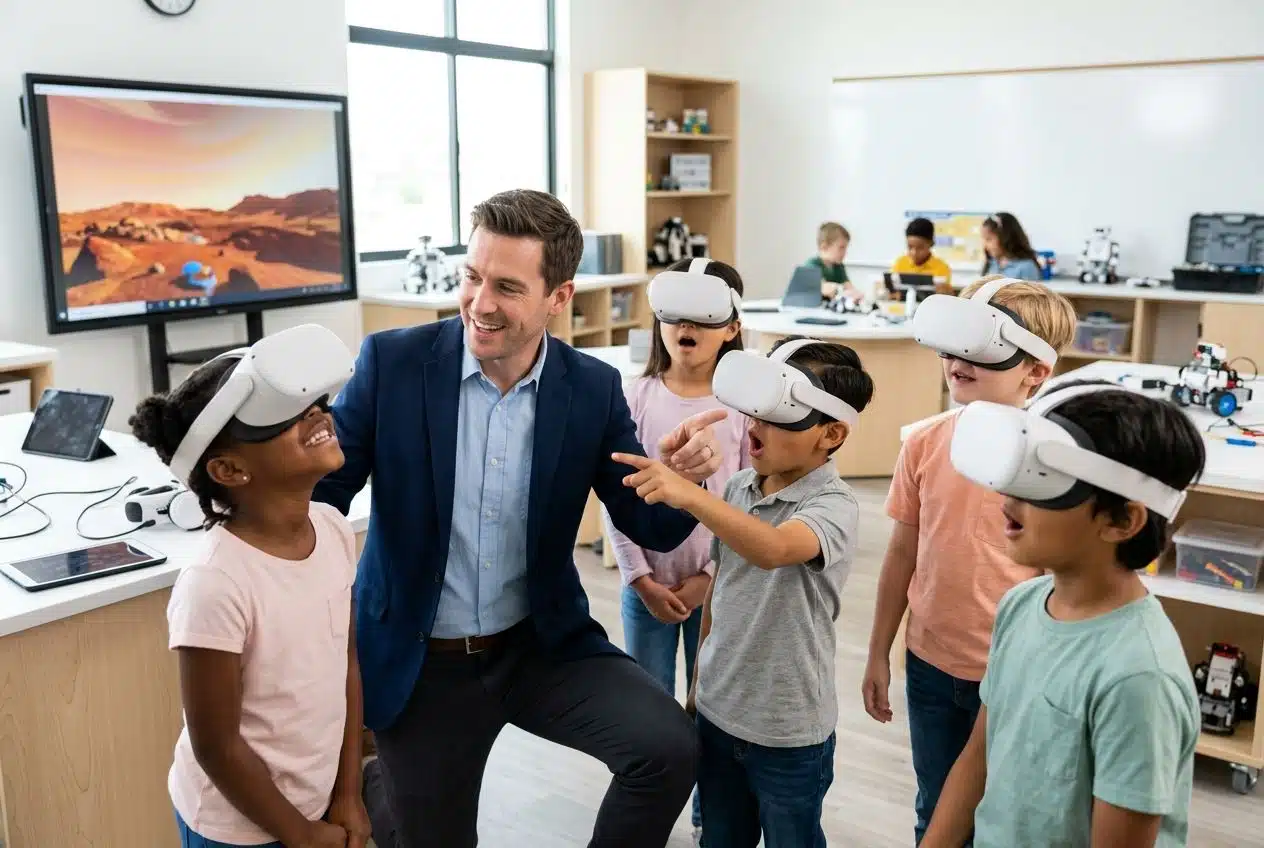
Imagine stepping into ancient Rome without leaving your seat. Virtual reality brings that magic to education. Students enter immersive experiences that make history come alive. This technology integration turns lessons into adventures.
Teachers use educational tools like VR headsets for simulation-based training. Kids explore the ocean floor or dissect frogs in a safe, digital space. Such interactive learning boosts cognitive engagement.
It helps with skill development in ways books never could. Plus, it feels like play, not work. Augmented reality adds another layer to this fun. Overlay digital info on the real world, and learning gets exciting. Think of scanning a plant with your phone to see its inner workings.
E-learning platforms mix VR with everyday classes for hybrid vibes. These immersive experiences bridge gaps for students everywhere. Digital learning opens doors to global ideas. Educators adapt fast, creating lessons that stick.
Students build skills through hands-on, virtual trips. This shift makes education inclusive and accessible for all.
Preparing Educators for the Future
Teachers, imagine swapping your chalk for a coach’s whistle, guiding students like star athletes through life’s big game. What skills will you need to thrive in this shift, and how can you grab them now?
Transforming the Role of Teachers into Coaches
Imagine a teacher, once the sage on the stage, now stepping into the role of a coach on the sidelines. Educators guide students like a sports coach hones a team’s skills. This shift emphasizes mentorship and coaching over traditional lectures.
Professional development programs help build these new abilities. Think of it as trading a chalkboard for a playbook, full of learning strategies and feedback loops. Student engagement skyrockets when instructors focus on collaboration.
Pedagogy evolves to include more instructional support. Coaches spot strengths and weaknesses, then tailor approaches. Educational leadership shines in this model, fostering growth for all.
Picture a classroom where the coach cheers from the bench, not dictates from the front. Future educators master skills in active listening and motivation. They spark curiosity through real-world examples, like a mentor sharing life lessons over coffee.
Collaboration becomes key, linking students across projects. Feedback flows freely, helping learners adjust on the fly. Instructional support turns into personalized plans, boosting confidence.
Professional development keeps coaches sharp and ready. Student engagement thrives in this dynamic setup, turning education into an adventure.
Essential Skills for Future Educators
As teachers step into their new roles as coaches, they guide students like mentors on a shared journey, sparking curiosity and growth. This shift demands fresh abilities to thrive in tomorrow’s classrooms.
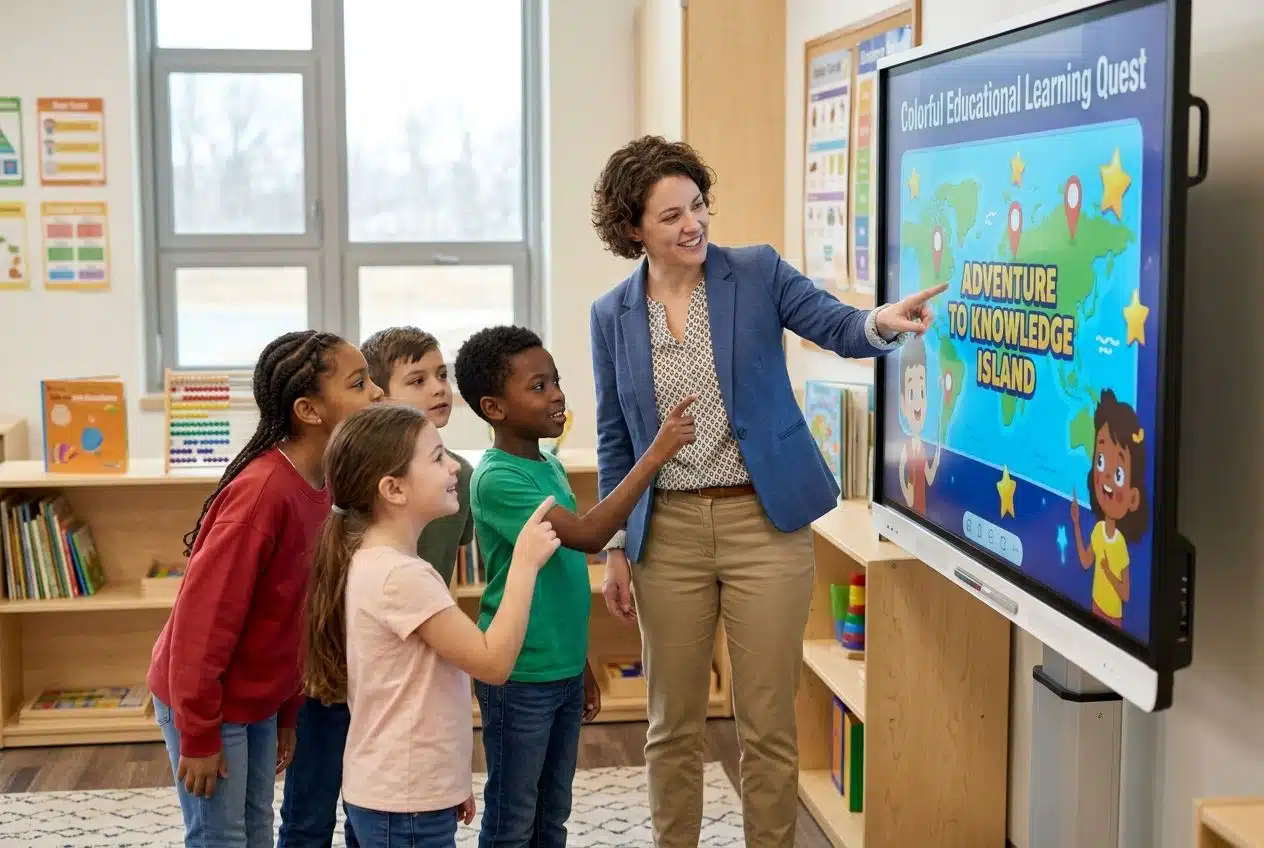
Educators adapt to digital, hybrid, and skills-based learning environments every day. They build pedagogy that fits a fast world.
- Digital literacy tops the list for future educators, who master tools like apps and platforms to boost student engagement. Picture a teacher using simple software to turn a boring lesson into an interactive quest, helping kids grasp concepts with ease. This skill bridges gaps in global education, where not every child has the same access to tech.
- Awareness of global inequalities in education stands out as a must-have, pushing educators to spot and fix unfair gaps. Think of it as wearing glasses that reveal hidden barriers, like kids in remote areas missing out on online classes. Teachers use this insight to promote inclusivity, making sure every student gets a fair shot no matter their background.
- Familiarity with AI tools enhances teaching methods and learning experiences, a key part of educational technology. Educators play with chatbots or smart tutors to personalize lessons, much like a chef tweaks a recipe for each diner. They incorporate these into curriculum reform, creating adaptive teaching that fits individual needs.
- Educators bridge the gap between academic qualifications and job market requirements, focusing on workforce readiness. They weave real-world examples into classes, say, linking math to coding jobs, so students see the payoff. This approach fuels skill development, equipping kids with tools for future careers.
- Implementing educational reforms keeps things relevant in a changing world, a core duty for global education. Teachers roll out changes like experiential learning projects, where students tackle real problems hands-on. They draw from practical reforms, turning abstract ideas into adventures that stick.
- Future educators help students adapt to new knowledge systems for future job markets, emphasizing lifelong growth. They act as guides, showing how to learn on the fly, like teaching a bird to soar in shifting winds. This fosters adaptive teaching, preparing young minds for jobs that don’t exist yet.
Challenges in the New Global Learning Ecosystem
Picture a kid in a remote village, staring at a blank screen because high-speed internet feels like a distant dream. We tackle these gaps head-on, turning obstacles into opportunities for fair play in education.
Bridging the digital divide
Education shifts to digital and hybrid formats now. This change demands equal access for everyone, you know, like making sure no one gets left behind in this big global education push.
Global inequalities in educational access grow sharper, spotlighting the digital divide that splits learners apart. Think of it as a chasm, wide and deep, where some kids grab AI tools for learning while others stare at blank screens.
The rise of AI in education could stretch this gap even more if not all learners get a fair shot. Access disparities hit hard, creating a disconnect between academic qualifications and job market demands. Folks without digital access risk falling short in workforce alignment, like trying to run a race with one shoe missing.
Schools and governments need to roll out practical reforms to bridge this divide. Successful innovations in global education systems offer great models for tackling these issues. Stakeholder collaboration plays a key role in building educational equity and digital inclusion.
We see how hybrid learning can unite us, but only if we address technological access head-on. This leads us right into ensuring equitable access to technology.
Ensuring equitable access to technology
Global inequalities in access to technology hit hard on learning outcomes and chances for many kids. Think of it like a race where some runners start way behind the line, no fair shot at the finish.
Practical reforms can level that field, giving every learner a real chance with tech. Schools push for these changes, while governments step up to make it happen. Students join in too, adapting to grab those resources.
You see, innovative practices around the world spark fresh ways to boost educational equity and tech access. The rise of AI tools demands fair technology access, or folks miss out on workforce readiness. Addressing the digital divide helps marginalized communities build employability and success in school.
Continuous investment in infrastructure keeps this push alive, opening doors for all. Imagine a kid in a remote village logging into a virtual class, finally part of the action. Innovation in education tackles these global inequalities, creating paths for everyone.
The Impact of the Global Learning Shift
For example, imagine students from New York chatting live with peers in Tokyo, swapping ideas that spark fresh innovations. This shift arms kids with skills like adaptability and cultural smarts, ready to tackle any job thrown their way, so keep reading to see what’s ahead.
Greater Collaboration Across Cultures
Greater collaboration across cultures changes how students learn together. Imagine kids from the New York teaming up with peers in Tokyo on a science project, swapping ideas like trading baseball cards.
This global learning shift sparks cross-cultural communication and builds strong international relations. Students explore cultural exchange, picking up bits of languages and traditions along the way.
Globalization makes these connections easy, turning classrooms into vibrant hubs of multiculturalism. Educators foster this by encouraging collaboration that boosts intercultural competence. Think of it as a big family dinner where everyone brings a dish from home, creating a feast of learning diversity.
Global citizenship grows from these interactions, preparing kids for a connected world. Educational innovation thrives here, with tools that link minds across borders. This approach equips students with skills to handle our diverse planet.
Equipping Students with Transferable Skills
Collaboration across cultures builds bridges, but it also shines a light on the need for skills that travel well in any job market. Education shifts toward skills-based learning environments. Practical reforms equip students with transferable skills.
- Schools and governments adapt to prepare students for changing job markets, pushing for competency-based education that focuses on real-world workforce readiness. Think about it, like turning a rusty old car into a sleek race machine, these changes make learning practical and fun. They boost skill development, so kids gain tools they can use anywhere.
- The rise of AI tools reshapes skills needed for future employment, making digital literacy a must-have in every classroom. Imagine AI as a helpful sidekick, not a villain, guiding students to master professional skills. This keeps employability high, even as jobs evolve.
- A growing disconnect exists between academic degrees and employability, so curriculum reform becomes key to bridging that gap. Picture a student with a fancy diploma, yet scrambling for a job; that’s the reality we fix with educational innovation. We weave in lifelong learning, turning education into a lifelong adventure.
- Innovative educational practices globally influence skill development, sparking global education initiatives that share the best ideas. It’s like a worldwide potluck, where everyone brings their top recipes for success. These efforts enhance professional skills, making sure no one gets left behind.
- Addressing global inequalities in education proves crucial for developing transferable skills, especially in underserved areas. We level the playing field, you know, like giving every player the same starting line in a race. This promotes equity, fostering skill development for all students, no matter where they live.
What’s Next for Education in 2030 and Beyond?
Imagine education stretching like a rubber band, bending to fit your life’s wild curves with endless learning options. Success flips the script, chasing skills that spark real-world wins, and hey, who wouldn’t want that edge?
The Rise of Lifelong and Flexible Learning
Lifelong and flexible learning stands out as a game-changer for folks chasing success in tomorrow’s schools. People now chase knowledge that bends to their lives, like a rubber band stretching to fit any shape.
Education moves past those stuffy old classrooms, jumping into adaptable formats that spark real excitement. AI tools revamp the whole scene; they make lessons pop up anywhere, anytime.
Students grab continuous education through online courses, building skills that stick. Think of it as packing a toolbox for life’s wild ride, where practical know-how trumps dusty degrees in the job hunt.
When schools team up with governments to roll out educational reforms, they boost those lifelong chances for everyone. Global gaps in access get some serious fixes, and flexible solutions step in to level the playing field.
You see, adaptive learning lets folks personalize their paths; it fits like a glove for workforce readiness. Technology integration weaves into the mix, opening doors wide for access equality.
Students engage in skill development, and they stay sharp and competitive with ongoing tweaks. Learning flexibility becomes the secret sauce; it keeps you ahead in this fast world.
Redefining Success in Education
Education now moves toward digital learning, hybrid education, and skills development. Think of it like trading an old map for a GPS; schools, governments, and students must adapt to stay on track.
A big gap grows between academic degrees and real-world employability, you know, like holding a diploma that doesn’t open doors. AI tools change how we teach and learn, making lessons more engaging.
Global inequality rises as these shifts happen, leaving some kids behind without tech access. Practical reforms pop up worldwide, pushing for educational reform through hands-on methods. Innovative approaches, from real-world examples, light the way for the future of education.
Schools focus on transferable skills over rote facts, building folks ready for any job twist. Picture a teacher saying, “Hey, let’s build that app instead of just reading about it.” This boosts employability, cuts that gap we mentioned.
Adaptation keeps everyone relevant, no matter where they start. As we look ahead, these changes redefine what winning in school means. Now, let’s wrap this up with some final thoughts.
Final Words: The Future of Education
We explored how education breaks free from old walls, embraces tech like AI and VR, and builds global ties. These changes make learning personal, fun, and open to all, like a playground without fences.
Teachers shift to guides, helping kids gain skills for real jobs, and we face fixes for tech gaps. Imagine your child experiencing history via virtual trips, no passport needed.
Step up now, the future of education is already here, because tomorrow’s world rewards those who learn without limits.