The Evolution of Libraries in the Digital Age
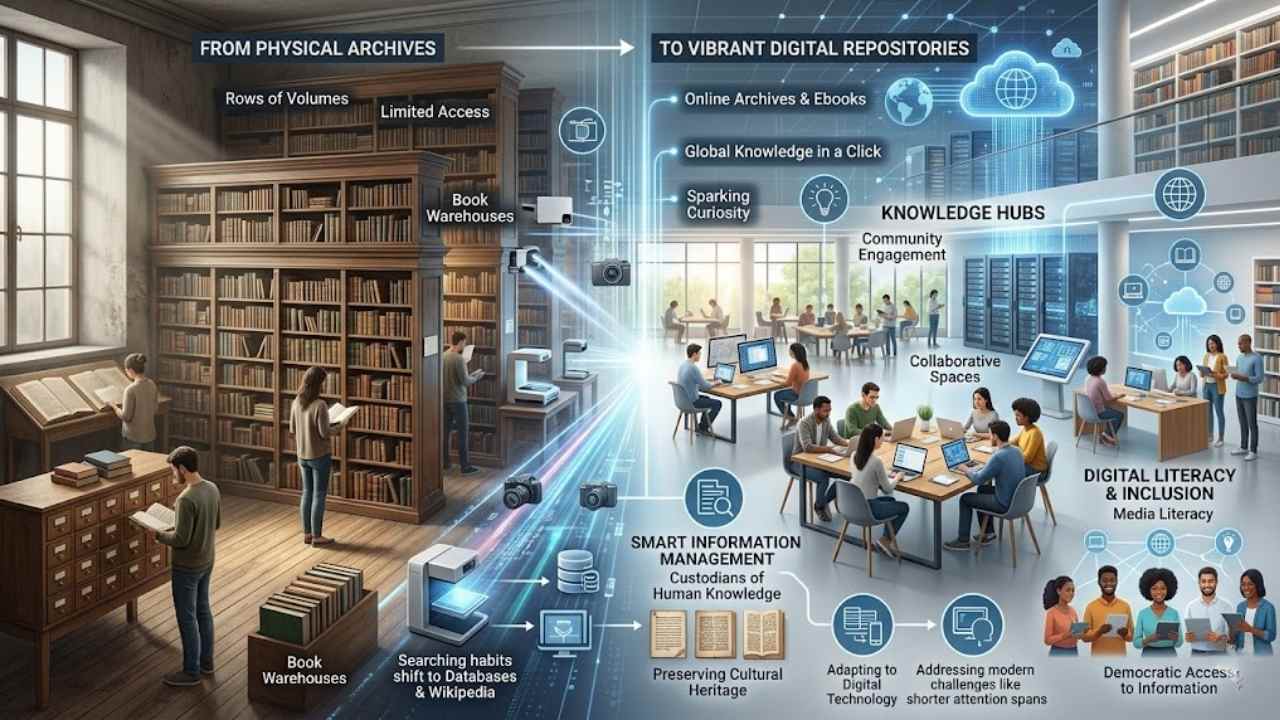
Libraries once stood as sturdy book warehouses, packed with dusty shelves and endless rows of volumes. Now, they transform into vibrant digital repositories, like the Trinity College Library, where folks access global knowledge with just a click, sparking curiosity in ways we never imagined.
From physical archives to digital collections
Picture a dusty old room packed with shelves of books, maps, and manuscripts. That setup defined libraries for centuries. Now, fast forward to today. Digital collections change everything.
Libraries shift from storing physical items to hosting vast online archives. Ebooks play a big role here. They cut the need for local storage of real books. This evolution boosts access to information for everyone, no matter where you live.
Think about places like Trinity College Library or the New York Public Library. They lead this charge. Staff adapt digital technology to preserve special collections. Digital repositories guard cultural heritage against time and damage.
Information management gets smarter too. Libraries act as custodians of human knowledge in this digital culture. You gain quick entry to global resources, right from your device.
The shift from “book warehouses” to knowledge hubs
Libraries once stacked endless rows of books, acting like giant storage sheds for printed pages. They held physical archives that people visited to borrow or browse. But tech changed everything.
Ebooks slashed the need for local storage of those bulky materials. Now, libraries transform into vibrant knowledge hubs. They focus on connecting users to vast digital collections.
Think of them as community hubs buzzing with activity, not dusty warehouses. Search habits flipped too. Folks turn to Wikipedia and large databases first for research, bypassing old-school stacks.
This shift makes libraries dynamic spots for acquiring and describing resources. They adapt to tech, enhancing how we collect info.
This evolution preserves cultural heritage in the digital era. Libraries guard human knowledge as custodians. They tackle shorter attention spans and multitasking from the digital age.
Digital literacy becomes key, helping users process info wisely. Community engagement grows through collaborative spaces. Public value shines in places like the British Library or David Scott Mitchell Library in Sydney.
Richard Neville, from the State Library of New South Wales, sees this as epistemic sovereignty in action. Privacy, accuracy, and humanity stay core values amid AI innovations in public services.
Libraries are essential for democratic access to information, especially in the AI age where digital inclusion and media literacy matter most, says Christina Bleyer from the University of the Cumberlands.
The Role of Artificial Intelligence in Digital Libraries
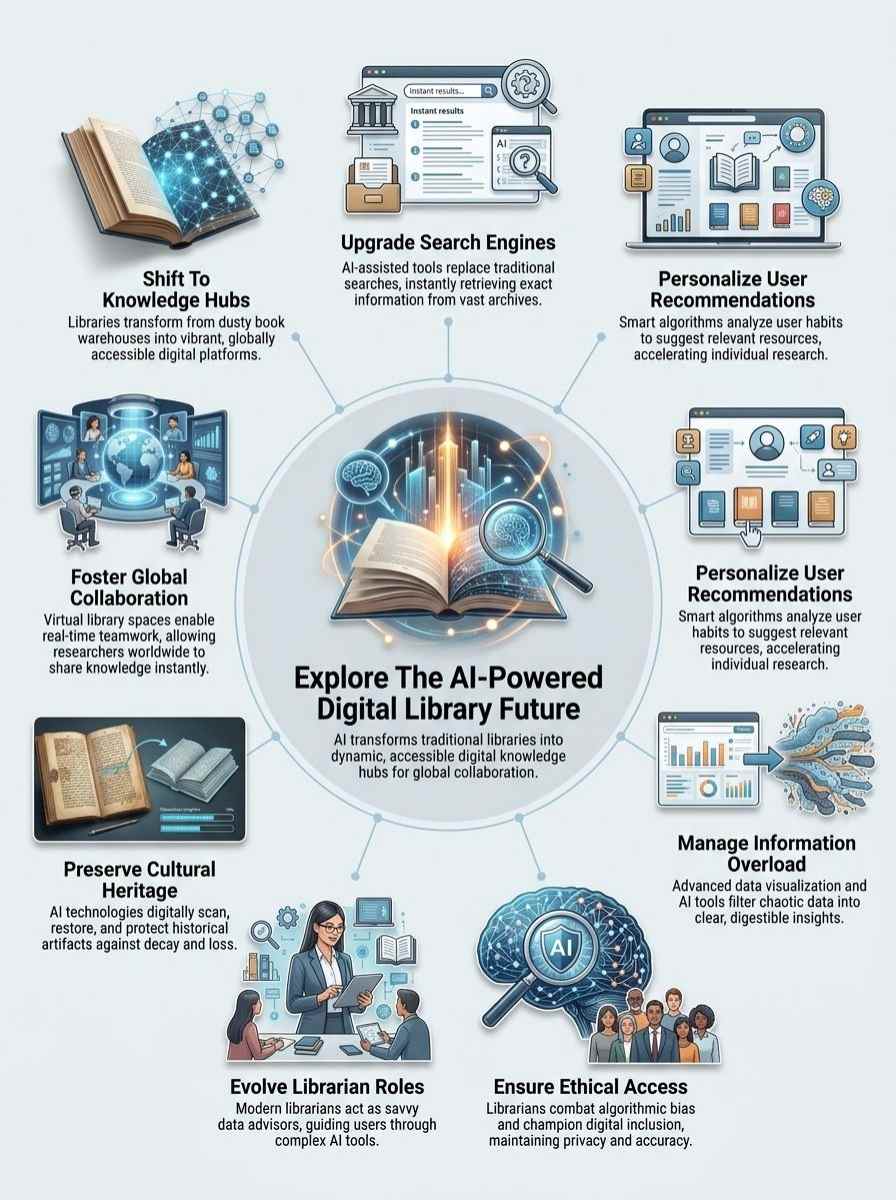
Imagine AI as a smart librarian who knows your reading habits better than you do, pulling up the perfect book before you even ask. With tools like machine learning algorithms and natural language processing, these systems make finding rare documents as easy as chatting with a friend, sparking curiosity that draws you deeper into the stacks.
Enhancing information retrieval systems
AI boosts search tools in digital libraries, making them faster and smarter. Think of it like upgrading from a dusty old map to a GPS that knows your favorite routes. Libraries now use human-centred AI to sift through vast information ecosystems, pulling up exactly what you need.
Search habits have changed a lot; folks turn to Wikipedia or big subject databases first, not traditional shelves. This shift helps with shorter attention spans and multitasking in our busy lives.
Future setups will add AI-assisted discovery tools, plus advanced data visualization systems. These features let you grasp complex info at a glance, like turning a jumbled puzzle into a clear picture.
Picture researchers teaming up in collaborative virtual spaces, fueled by digital technologies from places like the University of New South Wales. Britannica and tools like UC Search show how AI innovations in public services, even in national libraries, make knowledge hunts feel effortless and fun.
AI-powered personalized recommendations
Imagine scrolling through a digital library, and suddenly, the system knows just what you need, like a wise friend handing you the perfect book. Libraries now use AI to suggest resources based on your past searches and interests.
This tech boosts discovery, making research feel like a breeze. Future libraries expect to roll out these AI-assisted tools, enhancing how you find and access info. Think of the Watkinson Library or the Mitchell Building; they could personalize your hunt for voices of migration archives or Sir William Dixson Collection items.
Yet, with shorter attention spans in this digital age, AI helps you multitask without losing focus. It ties into digital inclusion, ensuring everyone gets fair shots at knowledge, much like Gutenberg’s printing press democratized books.
AI recommendations also weave in ethics from the EU AI Act, guarding privacy and accuracy as core library values. Picture Anna Triantafillou or Francesco Mureddu discussing AI innovations in public services, like in national libraries under Horizon Europe.
These systems integrate advanced data visualization to clarify complex info, supporting media literacy. As a research assistant, say Ash Watson, might use them for post-custodial theory of archives or mental garden projects.
Libraries evolve into knowledge hubs, fostering collaboration in virtual spaces, all while preserving cultural heritage digitally.
AI in libraries isn’t just about speed; it’s about connecting people to stories that matter, says Ann Marie McLean from the Hispanic Studies Department at the Center for Hartford Engagement and Research.
Optimizing resource management
AI handles resources in digital libraries like a smart butler, sorting and storing items with ease. Libraries use this tech to collect and describe materials faster than ever. Think of it as upgrading from a cluttered attic to a neat, digital vault.
Ebooks cut down on physical space needs, freeing up room for more online treasures. This shift boosts efficiency, letting staff focus on users instead of shelves.
Picture national libraries adopting AI innovations in public services, much like the Society of American Archivists promotes. Tools such as OHMS help manage oral histories with precision.
Lloyd Best might nod at how these systems preserve cultural gems through digital preservation. They tackle info overload by prioritizing key data, all while upholding privacy and accuracy.
Users get quick access, even with shorter attention spans in our multitasking world.
Challenges Faced by Digital Libraries in the AI Era
Imagine sifting through a mountain of data, where machine learning tools flood users with too much info, leaving them lost in the chaos. What if biased algorithms in search systems skew results, raising big ethical flags, or if rural folks miss out on access due to spotty internet?
Managing digital information overload
Digital libraries face a flood of data every day, like a river overflowing its banks. People now juggle shorter attention spans and constant multitasking, thanks to the digital age.
Search habits have flipped upside down; folks turn to Wikipedia and big databases first for research, skipping old-school stacks. National libraries step in with AI innovations in public services to tame this chaos.
They roll out AI-assisted discovery tools that cut through the noise, helping you spot key info fast.
Picture a librarian as your personal guide in this info storm, not just a book keeper. Advanced data visualization systems paint clear pictures of complex facts, making sense of the mess.
Libraries push for digital inclusion and media literacy too, so everyone gets a fair shot at knowledge. These spots guard privacy and accuracy while boosting efficiency, turning overload into opportunity.
You know, it’s like turning a junk drawer into a tidy toolbox with smart tech.
Ethical concerns with AI in information curation
AI handles a lot of data in libraries these days, folks. Imagine you’re searching for info, and an algorithm picks what shows up first. That raises big worries about bias sneaking in.
Libraries prize privacy, accuracy, and humanity as core values. They must guard against AI that might twist facts or invade your personal space. Think of it like a sneaky fox in the henhouse, you don’t want it messing with the eggs of truth.
National libraries lead in AI innovations in public services, yet they face these ethical hurdles head-on. Staff work hard to keep things fair and human-centered.
Librarians step up as watchdogs here, you see. They push for digital inclusion so everyone gets a fair shot at knowledge. Media literacy becomes their secret weapon, teaching folks to spot fake info in AI-curated stacks.
It’s like giving users a shield against digital dragons. Privacy stays key, with systems built to protect your data without fail. Accuracy demands constant checks, because one wrong byte can lead to chaos.
Humanity shines through when libraries blend tech with real empathy, making sure AI serves people, not the other way around.
Ensuring equitable access to digital resources
Libraries play a key role in digital inclusion. They help everyone get fair access to online resources. Think of national libraries as the front line in this fight. AI innovations in public services boost their efforts.
These changes make sure no one gets left behind. Libraries teach media literacy too. Users learn to spot fake news and use tools wisely. This builds a stronger democracy. Core values like privacy and accuracy guide these steps.
They keep things human-centered.
Picture a busy mom juggling work and kids. She needs quick facts on health. Libraries step in with AI tools that level the playing field. Dynamic services evolve fast. They adapt to shorter attention spans.
National libraries lead with collaborative spaces. Researchers team up across the globe. Cultural heritage stays safe in digital form. Everyone benefits from this equal shot at knowledge.
The Future Role of Librarians in the AI Age
Imagine librarians stepping up as savvy data guides, swapping dusty shelves for smart algorithms that spot fake info in research, all while cheering on ethical AI tools like chatbots for fair knowledge hunts.
Curious about how they’ll team up with machines to spark your next big idea? Dive deeper into the post!
From information custodians to data advisors
Librarians once guarded stacks of books as key keepers of facts. Now, they step up as guides in a data-filled world. Picture them swapping dusty shelves for smart screens, helping folks sift through endless info streams.
They adapt fast, just like library services that evolve with tech to grab, collect, and describe resources better. In this shift, they champion privacy, accuracy, and that human touch, core values that keep things real amid AI buzz.
Take national libraries, for example; they showcase AI innovations in public services by turning librarians into savvy data advisors who spot biases in algorithms and promote fair play.
These pros now teach media literacy, a must for democratic access to info. They support responsible AI use in research, like steering users toward tools that boost discovery without overwhelming them.
Shorter attention spans hit everyone these days, thanks to multitasking in our digital lives. So librarians create spots for collaborative digital research, making knowledge feel alive and shared.
They preserve cultural heritage too, blending old wisdom with new tech to fight info overload. It’s like having a trusted friend who decodes the chaos, ensuring everyone gets a fair shot at learning.
Supporting responsible AI use in research
Librarians guide researchers in using AI tools wisely. They focus on privacy as a core value, helping you spot risks in data handling. Think of them as your trusty sidekick, pointing out biases in AI outputs before they trip you up.
Accuracy matters too, so they teach ways to verify facts amid all that digital noise. Humanity stays at the heart, ensuring tech doesn’t overshadow real connections.
National libraries showcase AI innovations in public services, like workshops on ethical AI for studies. They promote media literacy, so you grasp how algorithms shape info. Digital inclusion means everyone gets a fair shot at these tools, no one left behind.
Libraries build spaces for safe AI experiments, fostering smart habits that stick.
Innovations Shaping the Future of Digital Libraries
Imagine this: you enter a virtual reality hub, teaming up with global scholars in real time. Machine learning boosts search tools like neural networks, spotting patterns in vast data sets.
Blockchain locks in digital archives, keeping old manuscripts safe from decay. These changes turn libraries into lively knowledge playgrounds, sparking fresh ideas every day. Craving details on how they reshape your world? Read on!
AI-enhanced search engines
AI boosts search engines in digital libraries, folks. Imagine: you type a query, and the system digs through vast collections like a smart detective on a mission. National libraries lead these AI innovations in public services.
They weave in tools that spot patterns in your habits, pulling up spot-on results fast. Gone are the days of endless scrolling; now, Wikipedia and big databases feel like old news compared to these sharp setups.
Librarians cheer this shift, as AI-assisted discovery tools change how you find info. Data visualization pops up too, turning complex facts into easy charts and maps. You grasp tough topics without the headache.
Libraries adapt, making sure everyone gets fair access in this digital rush.
Digital preservation technologies
Libraries act as guardians of our shared history. They protect cultural treasures in this online world. Think of them like digital time capsules, keeping old books and artifacts safe from fading away.
AI steps in to help with this task. It scans and stores vast amounts of data without losing quality. National libraries lead the way in these AI innovations in public services. They use smart systems to copy files across many servers.
This setup fights against data loss from crashes or hacks.
Picture a librarian chatting with a machine to fix a damaged digital photo. AI tools restore colors and details in seconds. These methods keep privacy front and center too. Accuracy stays key, so nothing gets twisted or lost.
Humanity shines through by honoring diverse stories from around the globe. Collaborative spaces let researchers team up online, sharing preserved gems easily. Ebooks play a big role here, cutting down on dusty shelves while boosting access for everyone.
Collaborative virtual library spaces
Imagine a world where scholars from different corners of the globe team up in virtual rooms, sharing ideas without leaving home. Collaborative virtual library spaces make this real, folks.
They act like digital campfires, gathering people around shared knowledge. National libraries lead the charge here, showcasing AI innovations in public services. These spots let researchers swap notes on projects, engage in joint studies, and build on each other’s work.
Envision logging into a shared screen, chatting live while pulling up rare texts. This setup boosts teamwork, turning solo hunts for info into group adventures. It preserves cultural heritage too, as users safeguard digital artifacts together.
Such spaces evolve with AI tools that spark fresh connections. Users find partners based on interests, like matching puzzle pieces. Think of it as a virtual coffee shop for brains, where ideas brew hot and fast.
Libraries facilitate these digital research environments, adapting to tech shifts. They keep privacy front and center, guarding user data amid the fun. Folks with shorter attention spans thrive here, multitasking through quick chats and visuals.
Equitable access shines, letting anyone join the collaboration party. This approach enhances how we acquire and describe resources, making knowledge hubs more dynamic.
Benefits of AI-Driven Digital Libraries
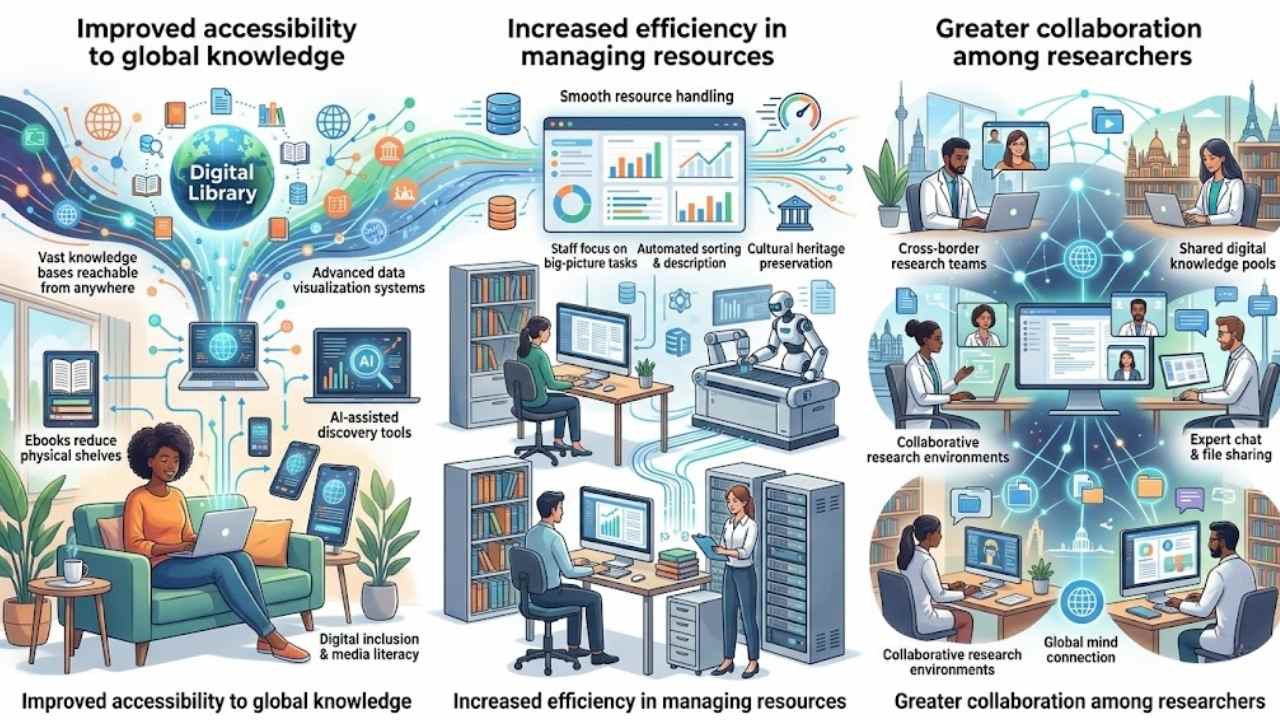
Imagine, folks, how machine learning opens doors to vast knowledge bases, letting you grab info from anywhere in the world without leaving your couch. Plus, these smart systems streamline catalog sorting and spark team-ups among scholars, turning lone hunts into group adventures that feel like a breeze.
Improved accessibility to global knowledge
AI innovations in public services shine brightly in the case of national libraries. They open doors to global knowledge like never before. Imagine a place where ebooks slash the need for bulky shelves, freeing up space for everyone.
Users now explore Wikipedia and vast databases at once, skipping old-school hunts. This shift boosts access, no matter where you live.
Libraries evolve as knowledge hubs, thanks to AI-assisted discovery tools. These gems help you find info fast, even with shorter attention spans and more multitasking. Advanced data visualization systems make complex data pop, clear as day.
And collaborative digital research environments let researchers team up across borders. Libraries push digital inclusion and media literacy too, guarding privacy, accuracy, and humanity in the process.
Increased efficiency in managing resources
AI boosts how libraries handle their stuff, making everything run smoother. Think about it, ebooks cut down on stacking physical books, freeing up space and time for staff. National libraries lead the way in these AI innovations in public services, using smart tools to sort and describe resources fast.
Staff focus on big-picture tasks instead of grunt work. Picture a librarian zipping through collections like a pro, thanks to automated systems.
Data visualization tools paint clear pictures of complex info, helping users grasp ideas without the hassle. Libraries adapt quickly, collecting digital gems with less effort. Collaborative spaces online let researchers team up effortlessly, sharing knowledge across the globe.
This efficiency keeps cultural heritage alive, all while respecting privacy and accuracy. You see, it’s like giving libraries a turbo boost for the digital race.
Greater collaboration among researchers
Libraries foster greater collaboration among researchers through AI innovations in public services, the case of national libraries shows this well. Imagine a team scattered across continents, all exploring shared digital pools of knowledge without missing a beat.
These spaces turn solo hunts for info into group adventures, like passing notes in class but way smarter. Libraries facilitate collaborative digital research environments, blending tools that let experts chat, share files, and build ideas in real time.
Advanced data visualization systems help everyone grasp tough concepts fast, sparking those “aha” moments together. This setup boosts efficiency, cuts down on duplicated work, and keeps cultural heritage alive in our connected world.
Researchers gain from this teamwork, as national libraries lead with AI-powered hubs that connect minds globally. Think of it as a virtual campfire where stories of discovery get swapped freely.
Privacy stays key, so these platforms guard data while promoting media literacy for all users. Shorter attention spans in the digital age make quick, joint insights a game-changer.
Ebooks and large databases feed right into these collaborative spots, making research feel less like a chore and more like a lively chat. Such innovations in public services ensure democratic access, turning isolated thinkers into a powerhouse network.
Final Thoughts
We’ve covered how digital libraries shift from dusty shelves to smart hubs, with AI boosting searches, recommendations, and resource handling amid challenges like info overload and fair access.
These changes make knowledge quests simple and quick, like flipping through a magic book that knows your tastes. They spark big wins in global learning, cultural saving, and team research, fixing old headaches in info sharing.
Check out national libraries for real examples of AI perks in public spots. Go explore these tools today; your next big find waits in the digital stacks.
Frequently Asked Questions (FAQs) on the Future of Digital Libraries
1. What exactly are AI innovations in public services, the case of national libraries?
AI innovations in public services, the case of national libraries, bring smart tools that sort books like a wizard organizing a messy room. They make finding info a breeze, you know, like chatting with a helpful friend instead of digging through dusty shelves. Plus, they predict what readers want next, turning libraries into mind-reading hubs.
2. How might AI shape the future of digital libraries?
Picture this, AI could turn digital libraries into living, breathing spaces where books talk back. AI innovations in public services, the case of national libraries, mean faster searches and personalized picks, like a librarian who knows your taste in stories.
3. Will AI make national libraries more accessible to everyone?
You bet it will. AI innovations in public services, the case of national libraries, open doors for folks who struggle with reading, offering audio versions or simple summaries on the fly.
4. What’s a funny downside to AI in digital libraries?
Oh, imagine AI suggesting a cookbook when you asked for history books, talk about a recipe for disaster. But seriously, AI innovations in public services, the case of national libraries, need human checks to avoid those mix-ups; otherwise, it’s like letting a robot plan your birthday party.