Making a film is no longer only about cameras and lenses. Modern filmmaking tools now shape how you write, plan, shoot, edit, and deliver every project. When you use the right mix of software, you save time, avoid chaos, and protect your creative energy.
Filmmaking tools help you move from idea to finished cut with fewer mistakes and fewer delays. They organize scripts, call sheets, schedules, footage, sound, and client feedback. They also help you work with remote teams, meet deadlines, and keep your budget under control.
What are filmmaking tools, and why do they matter?
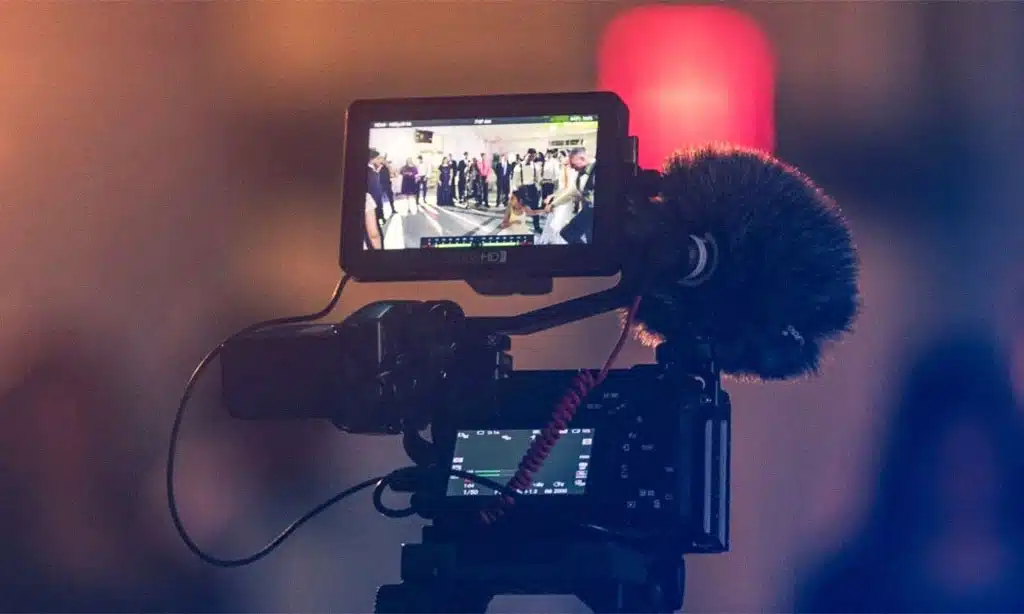
Filmmaking tools are the digital apps, platforms, and services that support the creative and technical side of production. They include screenwriting software, film production software, video editing software, sound design tools, AI video tools, and collaboration platforms.
These tools matter because film and video teams now deal with more formats, more platforms, and more deadlines than ever. Without strong tools, projects become messy. Files get lost. Notes are scattered across chats and emails. People work on the wrong cut. Clients get confused. Budgets slip.
Good filmmaking tools fix these problems. They create one source of truth for scripts, breakdowns, schedules, footage, and feedback. They also reduce manual work, such as creating call sheets by hand or sending large video files back and forth.
How to choose the right filmmaking tools
You do not need every app on the market. You need the right set of filmmaking tools that match your work, team size, and budget.
First, look at your typical project. Is it a short film, a vlog series, a documentary, or brand content? Next, list the stages where you lose the most time or make the most mistakes: script changes, scheduling conflicts, messy edits, slow feedback, or last-minute audio fixes. Choose tools that directly solve those pain points.
Also, think about the platform and pricing. Some tools run only on Mac, some on Windows, some in the browser. Some tools offer lifetime licenses, while others use monthly subscriptions. Start with free trials. Test them on a small project before rolling them out to your full workflow.
Checklist for choosing filmmaking tools
| Criterion | What to check | Practical tip |
| Workflow fit | Does it support your project type and style? | Map tools to each stage: script, shoot, edit |
| Ease of use | Can your team learn it quickly? | Look for tutorials, templates, and communities |
| Integrations | Does it connect with your NLE, cloud, or email? | Check import/export formats and plug-ins |
| Collaboration | Can you share, comment, and track versions? | Prefer tools with time-coded notes and history |
| Budget | Is pricing fair for your volume of work? | Compare the monthly cost to the hours saved per project |
Filmmaking tools for story and script
Strong films start with strong scripts. Screenwriting and development tools help you format, revise, and share scripts without losing structure or notes. These tools also prepare scripts for production by tagging elements, scenes, and characters.
1. Final Draft
Final Draft is one of the best-known screenwriting tools in the industry. It formats your script to professional standards and offers revision tracking, scene numbering, and powerful tagging. Many producers expect Final Draft files, which makes collaboration smoother.
2. Celtx
Celtx is more than a writing app. It connects screenwriting with breakdowns, shot lists, and schedules. It runs in the browser, so writers, directors, and producers can all work in one place. It is a strong option for indie filmmakers and small teams.
3. WriterDuet
WriterDuet focuses on real-time collaboration. Two or more writers can work on the same script at the same time. Built-in comments, chat, and version history help teams refine the story without losing changes.
Key script and story tools
| Tool | Primary use | Best for |
| Final Draft | Professional script formatting | Writers who work with producers and studios |
| Celtx | Script plus pre-production planning | Indie teams that want an all-in-one solution |
| WriterDuet | Real-time collaborative writing | Co-writers and remote writers’ rooms |
Filmmaking tools for pre-production planning
Pre-production makes or breaks a project. This is where you turn a script into a schedule, a budget, and a plan the whole crew can follow. Pre-production filmmaking tools help you break down scripts, build call sheets, and manage logistics.
4. StudioBinder
StudioBinder lets you handle shot lists, storyboards, call sheets, and contact lists in one dashboard. It automates many repetitive tasks, such as pulling cast and crew info into call sheets and sending them by email. It is ideal for producers and assistant directors who juggle many details.
5. Yamdu
Yamdu is a full production management platform. It manages scripts, breakdowns, schedules, tasks, and assets. It is especially useful when you have a large team or several departments and need everyone to see the same information in real time.
6. Movie Magic Scheduling and Budgeting
Movie Magic has been a standard in film and television for years. It helps you schedule complex shoots, track working days, and manage costs. While it can feel more traditional than cloud tools, many professional production offices still rely on it.
7. Dramatify
Dramatify focuses on cloud-based production planning. You can handle breakdowns, episode structures, cast lists, and daily production reports. It works well for series and multi-episode projects.
8. Storyboarder
Storyboarder is a simple, free tool for building storyboards. You can sketch shots, adjust timing, and export boards as PDFs or animatics. It is a fast way for directors and cinematographers to visualize scenes.
9. ShotDeck
ShotDeck is a visual reference library. You can search frames from thousands of films by color, composition, lens, and more. It helps directors and DPs create lookbooks and speak the same visual language.
Major pre-production tools
| Tool | Main role | Ideal user |
| StudioBinder | Shot lists, call sheets, contacts | Producers and assistant directors |
| Yamdu | Full production management | Larger teams and multi-department projects |
| Movie Magic | Scheduling and budgeting | Established film and TV production offices |
| Dramatify | Cloud planning and reports | Series, multi-episode, and multi-location crews |
| Storyboarder | Visual storyboards | Directors and DPs who sketch or iterate quickly |
| ShotDeck | Reference and lookbooks | Visual teams defining style and tone |
Filmmaking tools for on-set workflow
Once you are on set, the main goal is to stay on time and keep everyone working from the latest information. On-set filmmaking tools handle script changes, continuity, and live shot tracking.
10. Scriptation
Scriptation lets you read and mark up scripts on a tablet or phone. When new versions arrive, it can transfer your notes to the updated script. This saves time for directors, script supervisors, and department heads who need clean, current pages.
11. Shot Lister
Shot Lister helps you create shot lists and turn them into a practical shooting schedule. You can adjust shot order during the day and see in real time whether you are ahead or behind schedule.
12. Assemble
Assemble is a production app that centralizes schedules, call sheets, locations, and documents. Crew members can check their call time, location maps, and notes on their phone, which reduces confusion on set.
On-set workflow tools
| Tool | Focus | Primary benefit |
| Scriptation | Script markup and revisions | Keeps notes aligned with the latest script |
| Shot Lister | Shot planning and tracking | Helps the crew stay on time and on sequence |
| Assemble | On-set information hub | Gives the crew one place to check daily details |
Filmmaking tools for post-production
Post-production is where video editing software, color grading tools, and visual effects come together. Here are key editing and finishing tools that many professionals rely on.
13. Adobe Premiere Pro
Adobe Premiere Pro is one of the most widely used non-linear editors. It supports a huge range of formats and integrates closely with After Effects and Audition. It is popular with filmmakers, agencies, and social creators because it works well for long-form and short-form content.
14. DaVinci Resolve
DaVinci Resolve combines editing, color grading, visual effects, and audio in a single app. Many colorists use Resolve for its powerful grading tools. The free version is strong, which makes it attractive to indie filmmakers on a budget.
15. Final Cut Pro
Final Cut Pro runs on Mac and is known for its fast performance and magnetic timeline. Many YouTubers and indie filmmakers choose it for speed and smooth playback, especially on Apple hardware.
16. Avid Media Composer
Avid Media Composer has long been used in feature films and broadcast television. It supports shared projects and media workflows, which makes it a strong choice for large teams that edit the same show at the same time.
17. Adobe After Effects
Adobe After Effects is the go-to tool for motion graphics, titles, and compositing. You can create animated lower thirds, openers, and complex visual effects, then send them back to your editor.
Key post-production tools
| Tool | Role | Best suited for |
| Premiere Pro | Non-linear editing | All-round editors across film and online video |
| DaVinci Resolve | Edit, color, VFX, audio | Indie creatives and color-focused workflows |
| Final Cut Pro | Fast Mac-based editing | Solo creators and small Mac-only teams |
| Avid Media Composer | Long-form and broadcast edits | Studio and TV environments with shared storage |
| After Effects | Motion graphics and compositing | Designers and editors who build visual effects |
Audio, music, and sound design tools
Sound is half the experience of a film. Dedicated sound tools help you clean dialogue, design effects, and license music legally.
18. Avid Pro Tools
Pro Tools is a standard in audio post-production. It handles dialogue editing, sound design, and mixing. Many post houses and dubbing stages use it for final mixes.
19. Adobe Audition
Adobe Audition integrates with Premiere Pro and supports noise reduction, voice repair, and multi-track mixing. It is easier to learn than some high-end tools and works well for editors who also handle audio.
20. Artlist and sound libraries
Artlist offers subscription-based access to music and sound effects. You pay a flat fee for unlimited downloads under a clear license. You can combine it with dedicated sound libraries to build a personal catalog of effects and atmospheres.
Main audio and music tools
| Tool | Main function | Typical use case |
| Pro Tools | Audio editing and mixing | Feature films, series, and high-end post houses |
| Audition | Noise repair and sound design | Editors who handle both picture and audio |
| Artlist | Music and sound effect licensing | Content creators and filmmakers need clear rights |
Collaboration, review, and asset management tools
Modern film projects often involve remote teams and clients. Collaboration and review platforms help everyone stay aligned without endless email threads.
21. Frame.io
Frame.io is a video review and approval platform. You upload cuts, share links, and receive frame-accurate comments. It keeps feedback in one place and tracks versions, so you know which cut is final.
22. Google Drive, Dropbox, and Notion
Cloud storage tools such as Google Drive and Dropbox store project files, proxies, and documents. Notion and similar tools help you track tasks, deadlines, and deliverables. Together, they serve as a simple project management layer.
Collaboration and asset tools
| Tool | Role | Why teams use it |
| Frame.io | Video review and approval | Centralizes client and team feedback |
| Google Drive | Cloud file storage | Syncs scripts, exports, and documents |
| Dropbox | Media-friendly storage | Handles large files and shared folders |
| Notion | Project and task tracking | Keeps everyone aligned on duties and timelines |
AI filmmaking tools and automation
AI is now part of real-world filmmaking tools. It does not replace human creativity, but it can automate boring tasks and open up new kinds of visuals.
23. Runway
Runway offers AI-powered video generation and smart editing features. You can use it to remove backgrounds, create stylized shots, or generate concept clips from simple prompts. It is useful for previsualization and experimental projects.
24. Descript
Descript lets you edit audio and video by editing text. Delete a sentence in the transcript and it vanishes from the timeline. It can remove filler words and create voice clones under controlled conditions. It works well for interviews, documentaries, and talking-head content.
25. Pictory
Pictory focuses on turning long-form content into short, social-ready clips. It can pick key moments, add captions, and format videos for vertical or square platforms. This saves time when you repurpose behind-the-scenes content, trailers, or interview footage.
Leading AI filmmaking tools
| Tool | Core strength | Example use |
| Runway | AI video generation and effects | Concept videos, stylized shots, roto, and clean-up |
| Descript | Text-based edit and overdub | Podcasts, interviews, talking-head videos |
| Pictory | Auto-clip and captioning | Social snippets from long interviews or BTS |
Example film production workflow using these tools
You do not have to use all 25 tools. Here is a simple example workflow that uses a small selection of them at each stage.
Development and pre-production
You start in Final Draft or WriterDuet to write and revise your script. Once the script is locked, you import it into Celtx, StudioBinder, or Yamdu to handle breakdowns, shot lists, and call sheets. You design visual references in Storyboarder and ShotDeck to align with your cinematographer.
Production and on-set work
On set, Scriptation keeps your script notes up to date. Shot Lister helps you track progress through the shot list. Assemble, or a similar hub shares call sheets, maps, and contact details with the crew.
Post-production and delivery
In post, you cut the project in Premiere Pro, DaVinci Resolve, Final Cut Pro, or Avid Media Composer. You build titles and effects in After Effects. You clean the audio in Audition or Pro Tools and license music from Artlist. You upload cuts to Frame.io for feedback and approvals. You then use an AI tool like Pictory to create short social clips from the final film.
Sample end-to-end workflow
| Stage | Example tools | Output |
| Script | Final Draft, WriterDuet | Locked screenplay |
| Pre-production | Celtx, StudioBinder, Storyboarder | Schedules, shot lists, storyboards |
| Production | Scriptation, Shot Lister, Assemble | Marked scripts, completed shot list |
| Post | Premiere Pro, Resolve, After Effects | Final cut with graphics and sound |
| Distribution | Frame.io, Pictory, cloud storage | Approved master, trailers, and social snippets |
How to future-proof your filmmaking tool stack
The filmmaking tools you use today will keep evolving. New features, new AI models, and new pricing plans appear all the time. Instead of chasing every shiny object, build a stack that can adapt.
First, focus on open or common formats. Make sure your NLE can export XML, AAF, EDL, and high-quality masters. Keep your important project notes and documents in formats that are easy to move, such as PDFs or markdown. This protects you if you ever change tools.
Second, create a simple internal guide. Document your naming conventions, folder structure, and backup strategy. When you add a new tool, update this guide and test the new setup on a small project first.
Finally, review your tools once a year. Ask which apps you use every week and which ones you almost never open. Remove tools you do not need. This keeps costs down and makes your workflow easier to maintain.
Future-proofing your tool stack
| Area | Best practice | Benefit |
| File formats | Use common export and archive formats | Easier migration to new tools |
| Documentation | Keep a workflow guide | New team members can be onboarded faster |
| Testing | Trial new tools on small projects | Reduces risk of major workflow disruptions |
| Review | Annual review of subscriptions | Cuts costs and tool overload |
FAQs About Filmmaking Tools
What are the most essential filmmaking tools for beginners?
Beginners should start with a small toolkit. One good screenwriting app, one pre-production planner, one video editor, and a basic sound tool are often enough. For example, Celtx or Final Draft for scripts, StudioBinder or a simple spreadsheet for planning, DaVinci Resolve or Premiere Pro for editing, and Audition or a free audio app for sound.
Which filmmaking tools are best for low-budget or indie projects?
Indie creators often combine free and low-cost tools. DaVinci Resolve, Storyboarder, and Google Drive can carry a lot of weight without large fees. You can add affordable subscriptions for tools like Frame.io or Artlist when client work or festival projects demand higher production value and clear licensing.
Do I need different tools for pre-production, production, and post?
Using different filmmaking tools for each stage is usually more efficient than forcing one app to do everything. Pre-production tools specialize in schedules and call sheets. On-set tools handle script changes and shot tracking. Post-production tools excel at editing and sound. However, hybrid tools like Celtx or DaVinci Resolve can cover more than one stage for smaller teams.
How do I choose between Premiere Pro, DaVinci Resolve, Final Cut Pro, and Avid?
Choose based on your hardware, team, and work type. If you work in a Mac-only setup and value speed, Final Cut Pro is strong. If you want powerful color tools and a free entry point, DaVinci Resolve is attractive. If you work with agencies and motion designers, Premiere Pro and After Effects make a good pair. If you cut long-form drama or broadcast shows with a team, Avid is often the default.
Are free tools good enough for professional work?
In many cases, yes. DaVinci Resolve’s free version is used on high-quality projects. Storyboarder helps professionals visualize scenes. Free tiers of Scriptation or cloud storage tools are often enough for small shoots. Eventually, you may upgrade to paid plans for features like team collaboration, higher export quality, or better support.
Bottom Line: Building a Smart Stack of Filmmaking Tools
Filmmaking is complex, but your software stack does not have to be. When you choose the right filmmaking tools, you turn chaos into a clear, repeatable workflow. Scripts stay organized. Schedules stay realistic. Edits move faster. Feedback is easier to manage. Sound and picture reach a higher, more professional level.
You do not need to use all 25 tools from this guide. Start with a small, focused group that fits your current projects. Add new tools only when you see a real problem they can solve. Review your stack regularly, update your processes, and keep your files in open, portable formats.
In the end, the most powerful filmmaking tools are the ones that let you spend less time fighting software and more time telling stories. Build a stack that supports your creativity, your team, and your future growth as a filmmaker.