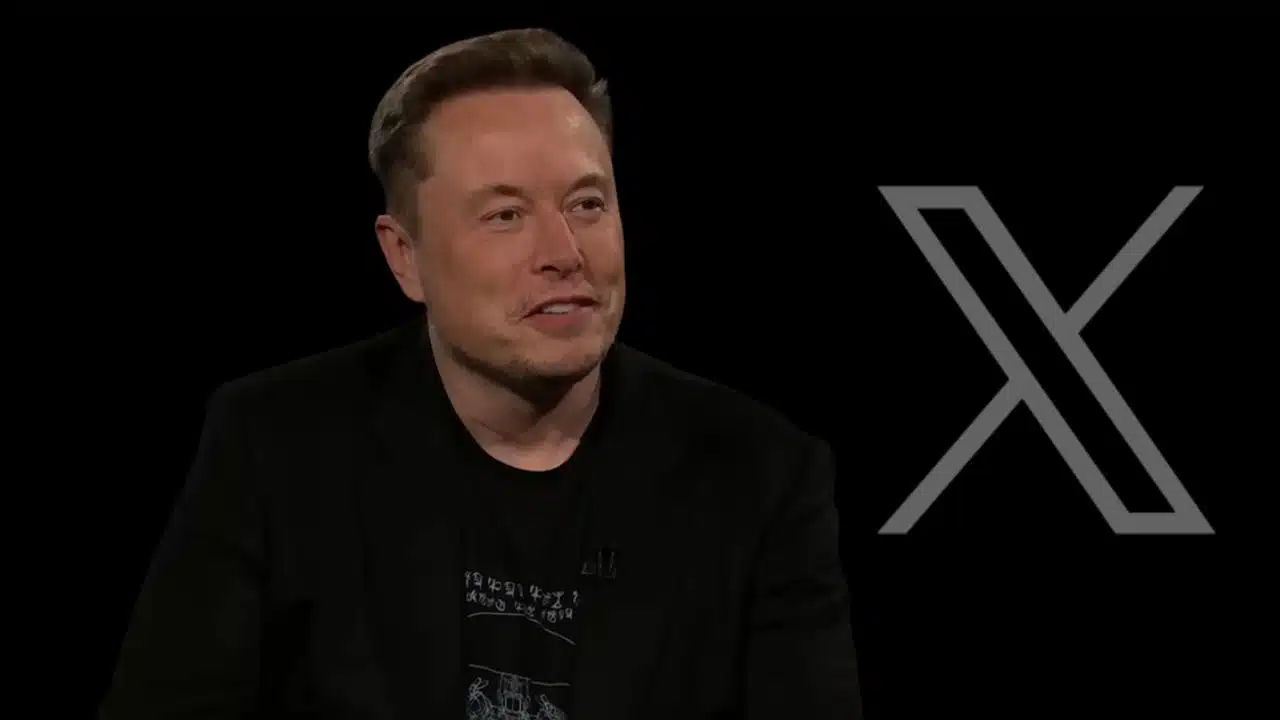
Elon Musk’s turbulent ownership of X (formerly Twitter) continues to reveal stories that raise eyebrows about how the platform has been run. A new book, Gilded Rage: Elon Musk and the Radicalization of Silicon Valley by journalist Jacob Silverman, describes how Musk reportedly fired an engineer in 2023 simply for telling him an uncomfortable truth: his posts were losing popularity because people were less interested in him — not because of technical problems or sabotage.
This revelation, backed by earlier reporting from Platformer, adds to the growing picture of Musk’s management style: a mixture of personal obsession with online popularity, sweeping structural changes, and algorithmic interventions that directly shaped what millions of users saw in their feeds.
From Twitter Takeover to Algorithm Obsession
When Musk acquired Twitter in October 2022 for about $44 billion, he quickly embarked on an aggressive restructuring. More than half of the company’s employees were laid off, including thousands of engineers, content moderators, and operations staff. Musk said the cuts were necessary to reduce costs, but they also left the company with fewer specialists to handle technical, trust, and safety concerns.
Beyond corporate restructuring, Musk appeared to take a personal interest in how Twitter’s systems treated his own posts. According to Silverman’s book, Musk regularly monitored the performance of his tweets, growing concerned when they did not achieve the level of engagement he expected.
In one 2023 meeting with engineers, Musk reportedly expressed frustration:
“This is ridiculous … I have more than 100 million followers, and I’m only getting tens of thousands of impressions.”
This frustration would set off a chain of events that culminated in the dismissal of one of Twitter’s most senior engineers.
The Engineer Who Spoke the Truth
During the 2023 meeting, engineers presented Musk with data to explain why his tweets weren’t performing as strongly. They showed him internal dashboards and even Google Trends charts, which tracked Musk’s popularity over time.
The results were blunt: interest in Elon Musk had declined sharply since the early days of his Twitter acquisition. At one point, Musk’s search popularity was at a perfect score of 100; by 2023, that number had plummeted to just nine.
One of the company’s last remaining principal engineers explained the situation directly: engagement was down because users were less interested in Musk himself, not because of bugs or flaws in the system.
Musk’s response was immediate and harsh. According to Platformer’s sources, he looked at the engineer and said:
“You’re fired. You’re fired.”
The engineer was dismissed on the spot — an incident that Silverman highlights as symbolic of Musk’s thin tolerance for unwelcome truths.
The Super Bowl Fiasco
The firing wasn’t the end of Musk’s fixation. A turning point came during the 2023 Super Bowl. Musk and then-President Joe Biden both tweeted in support of the Philadelphia Eagles. But Biden’s tweet generated nearly 20 million more impressions than Musk’s.
For Musk, the result was unacceptable. He quickly deleted his tweet and, according to Silverman, flew to California after the game to demand changes to Twitter’s algorithm.
That night, Musk’s cousin James Musk sent an urgent 2:36 a.m. Slack message to staff:
“We are debugging an issue with engagement across the platform. Any people who can make dashboards and write software please can you help solve this problem. This is high urgency.”
Roughly 80 engineers rallied overnight to address what Musk saw as a crisis. The result was a major change: Twitter’s algorithm was altered to artificially boost Musk’s posts above all others.
Engineering Changes to Favor Musk
According to reporting from Platformer, engineers created a system that guaranteed Musk’s posts would appear prominently in the “For You” feed. This involved what insiders called a “power user multiplier” — essentially an algorithmic override that prioritized Musk’s tweets regardless of organic engagement.
The effect was clear. After the update, users noticed their feeds flooded with Musk’s posts, whether or not they followed him. Complaints spread across the platform, with some users joking that Musk had “broken Twitter to boost himself.”
Silverman notes that this moment symbolized a deeper shift: the platform was no longer shaped by broad engagement trends but by the personal preferences and insecurities of its new owner.
Public Backlash and Musk’s Denials
When Platformer first reported on these internal changes, Musk quickly went on the defensive. He dismissed the article as “bogus”, claiming the source was a disgruntled employee who had already accepted a job at Google. Musk even threatened legal action against the journalist.
Zoë Schiffer, the author of the Platformer piece, pushed back:
“All my sources for the story were current Twitter employees.”
Despite Musk’s denial, subsequent user experiences on the platform seemed to confirm the reporting: Musk’s tweets consistently dominated timelines, often appearing ahead of more popular accounts.
A Question of Free Speech and Control
Silverman’s book frames the engineer’s firing and the algorithm changes as part of a broader contradiction in Musk’s leadership. While Musk brands himself a “free speech absolutist,” his actions show a desire to control the platform to serve his own interests.
By privileging his own posts, Musk effectively manipulated the platform’s central algorithm — undermining the idea of a level playing field for all users.
Silverman goes further, suggesting that Musk’s decisions were shaped by his increasing alignment with right-wing online movements. In his view, Musk was “being radicalized by the paranoid online right” and using his control of Twitter/X to amplify their voices.
Why This Matters
The incident of firing an engineer for speaking the truth raises broader questions about Musk’s leadership style and the direction of X:
- Corporate culture: Dismissing employees who deliver bad news creates a climate of fear, reducing honest feedback.
- Algorithm transparency: If Musk’s posts were boosted by special engineering rules, what does that mean for other users and public discourse?
- Platform credibility: Trust in X’s algorithm — already fragile — may erode further if people believe it is manipulated for the owner’s benefit.
- Regulatory risk: Artificially amplifying one person’s posts could eventually attract scrutiny from regulators concerned with platform fairness or antitrust issues.
Beyond the Engineer’s Story
Since then, Musk has continued to make controversial moves at X, including layoffs, changes to verification, and new subscription models. He has also launched campaigns aligned with right-wing culture wars — for instance, calling for boycotts of Netflix shows with transgender characters, which drew support from some MAGA activists.
Together, these stories illustrate how Musk’s management of X has blurred the lines between a personal megaphone and a global social media platform.
The firing of an engineer for pointing out a simple truth — that Musk’s popularity had waned — reveals much about the fragility of power inside X. Instead of addressing user fatigue or focusing on platform improvements, Musk allegedly reshaped the algorithm to inflate his own presence.
Whether seen as vanity, insecurity, or strategic manipulation, the story highlights a central tension: Musk says he champions free speech, but he also demands loyalty and algorithmic privileges that silence dissent and reshape public attention in his favor.
The Information is Collected from Yahoo and MSN.