

Bitcoin, the world’s leading cryptocurrency, has become increasingly popular as an investment option and a digital asset. If you’re looking to add Bitcoin (BTC) to your portfolio, there are various ways to purchase and store this decentralized digital currency.
In this guide, we will explore six methods to help you buy Bitcoin and kickstart your cryptocurrency journey.
What is Bitcoin?
Bitcoin is a digital currency. It’s not controlled by any central authority, but rather by the users of the peer-to-peer system that makes up Bitcoin.
Bitcoin is not issued by any central bank and it’s not backed by any government, so you can see why some people consider it to be an investment or a commodity instead of a currency.
Bitcoin is a digital currency, also known as a cryptocurrency, that was created in 2009. It operates on a decentralized network, allowing for peer-to-peer transactions without the need for a central authority. The BTC USDT trading pair refers to the exchange of Bitcoin (BTC) for Tether (USDT), a stablecoin pegged to the US dollar. In this trading pair, BTC is the base currency, and USDT is the quote currency, meaning the pair represents how much USDT is needed to purchase one BTC.
6 Ways to Buy Bitcoin
1. Cryptocurrency exchanges
Cryptocurrency exchanges are online platforms that allow users to buy, sell, and trade cryptocurrencies. They’re typically regulated by the government and charge a fee for each transaction. In addition to these fees, some exchanges may also require you to pay a deposit before you can begin trading.
Cryptocurrency exchanges are online platforms where you can buy, sell, or trade various digital currencies, including Bitcoin. If you’re wondering “how can I buy Bitcoin (BTC)?“, the process typically involves the following steps:
- Choose a reputable cryptocurrency exchange
- Create an account
- Secure your account
- Deposit funds
- Buy Bitcoin
2. Traditional stockbrokers
Buying Bitcoin with a traditional stockbroker has many benefits. The broker holds your assets in an account at the broker, so you can buy and sell at any time without waiting for a coin exchange to process your order. You can use this account to send money to other Bitcoin users, making it easier to transfer Bitcoins from one person to another. If you have a brokerage account, you can also buy stocks and other investment vehicles that trade on public exchanges.
3. Bitcoin ATMs
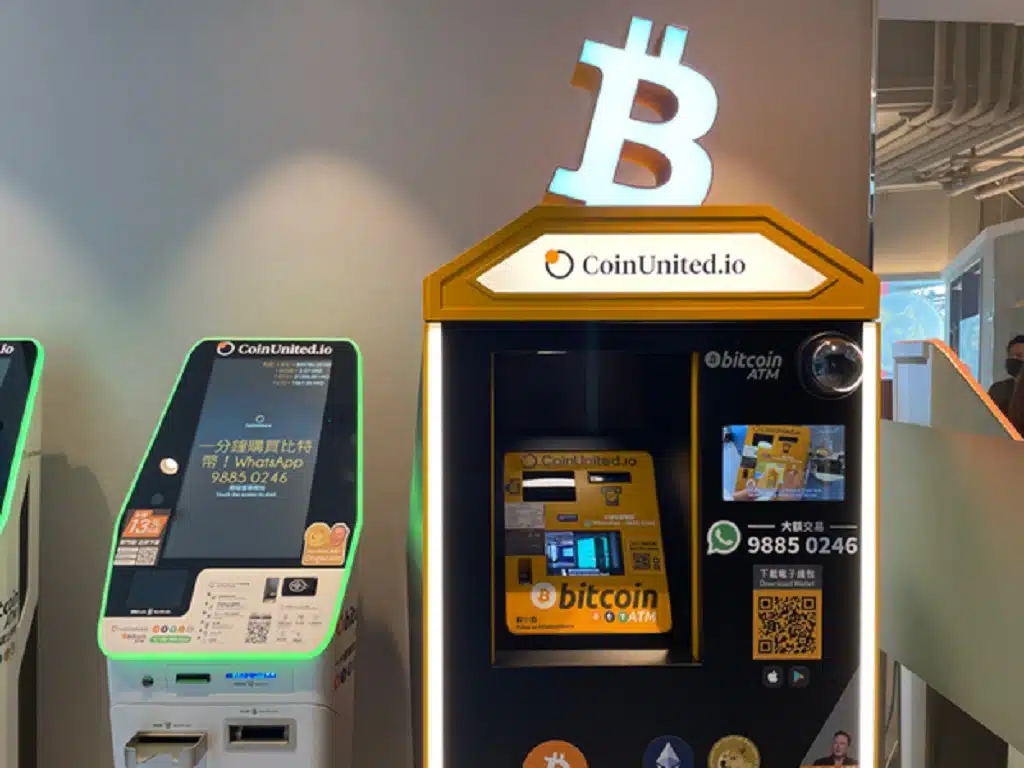
Bitcoin ATMs are a convenient way to buy Bitcoin with cash. They’re located in many cities around the world, and they allow you to buy Bitcoin from an ATM using your local currency. In fact, this is one of the best ways for someone without a bank account or credit card to get their hands on some cryptocurrency.
Bitcoin ATMs work just like regular ATMs: you enter your PIN number and withdraw money from your account by inserting bills into the machine’s cash slot or depositing envelopes into its bill acceptor (depending on whether you want to withdraw funds). You then insert those funds into another slot where they are converted into Bitcoin–and voila! You now have some digital “funny money” that can be used online or traded for real-world goods at places like Overstock.com and Expedia.
4. Trusts or exchange-traded funds.
The most common way is to use an established exchange-traded fund (ETF) that trades under the ticker symbol GBTC. These funds are structured in such a way that they track the price of Bitcoin on an exchange like KuCoin, Coinbase or Bitstamp (although they don’t actually hold any Bitcoins themselves).
This means they can be traded just like stocks on a regulated stock exchange, with all of the same protections involved. They are also taxed as regular income by Uncle Sam and can be purchased through your traditional brokerage account. They even have lower fees than many traditional ETFs due to the low cost of transacting Bitcoin.
5. Peer-to-peer money transfer apps
If you want to buy Bitcoin with cash and don’t have a brokerage account, peer-to-peer money transfer apps are a good option. These services allow users to send money directly from their bank accounts (or credit cards) and then withdraw the funds as BTC at an exchange. The most well-known example of this type of app is TransferWise, which provides competitive international exchange rates when sending money abroad.
Other examples include Abra and PayNearMe (which lets you order a cash pickup). Some exchanges also offer peer-to-peer functionality as part of their service: Coinbase allows users to buy bitcoin through its app or website by linking their bank account or debit card; Gemini offers similar functionality but only accepts ACH transfers for U.S.-based customers; Bitstamp has plans for integrations with PayPal’s Venmo payments system later this year (though those plans may change depending on regulatory approval from New York authorities).
6. Wallet software
Wallet software is a piece of software that stores your Bitcoin. It can either be online or offline, depending on whether it’s connected to the internet or not. Online wallets are accessible through web browsers and offer some level of security against hackers because they’re connected to the blockchain–a decentralized public ledger where all bitcoin transactions are recorded.
Offline wallets are more secure than their online counterparts because they don’t need an internet connection (or any other form of connectivity), but this also means you have less access to your funds if something goes wrong with it or if you lose your private key (which acts as a password for accessing your account).
How to store Bitcoin?
Bitcoin is a digital currency that can be stored in a virtual wallet. A Bitcoin wallet is an app or program that allows you to send, receive and store Bitcoin. There are several types of wallets available, including desktop, mobile, and hardware wallets.
Desktop wallets are installed on your computer and provide one of the most secure ways to store your cryptocurrency because they don’t have access to the internet or any third parties (like exchanges). However, these kinds of apps require users to download the entire blockchain–a record of all Bitcoin transactions ever made–which can take up lots of space on your computer’s hard drive if you’re not careful about managing it over time.
Mobile wallets are often safer than web-based services but aren’t as secure as desktop applications because they aren’t offline like their counterparts; instead relying on third parties like exchanges for security purposes when sending/receiving funds through them instead.
Hot wallet
A hot wallet is an online Bitcoin wallet. It’s the easiest way to buy and sell cryptocurrency, but it also carries the biggest risk of being hacked.
If you want to use a credit card or bank account to make your first purchase, this is your best option. Hot wallets can be accessed from any computer or mobile device with internet access (and with the right security features enabled).
Cold wallet
Cold wallets are a great way to store your Bitcoin and other cryptocurrencies. They are the most secure option for storing large amounts of digital currency because they’re not connected to the internet.
You can buy cold storage devices from companies like Trezor or Ledger, or you can make your own using an old USB stick and some tamper-evident sealant (you’ll need two). It’s also possible to use paper wallets as cold wallets–the advantage here is that they don’t cost anything except what it takes to print them out.
If you want something more secure than just printing out a piece of paper with all your private keys on it, but don’t want something too bulky like a Trezor device either then check out our tutorial on how To Make A Paper Wallet For Free With Bitaddress Or Any Other Website That Supports Bip38 Encryption.
Conclusion
Bitcoin is a revolutionary new technology that has the potential to change the way we think about money. It’s important to remember that Bitcoin is still in its infancy, which means there are many more changes on the horizon–both good and bad. But one thing remains constant: no matter what happens with this cryptocurrency, it will continue being adopted by more people every day as they realize how much easier it makes their lives.






















