Many pet parents forget monthly tasks that keep dogs healthy. Veterinarians say adult dogs need a physical exam each year to spot issues like heartworm disease. This guide will cover parasite prevention, dental care, grooming tips, diet checks, and vet visits to help you stay on track.
Read on.
Key Takeaways
- Take puppies to the vet every 3 to 4 weeks until they turn 4 months, take adult dogs once every 12 months, and take dogs over 7 years twice a year (January and July) for exams and fecal tests.
- Give heartworm pills each month, refill in February and March, run an annual blood test for heartworm, and do a yearly fecal test to spot roundworms, hookworms, fleas, and ticks.
- Brush your dog’s teeth daily or at least three times weekly, add dental chews or water additives on off days, and book a professional cleaning once a year to prevent gum and periodontal disease.
- Groom your dog by brushing daily for long coats or weekly for short coats, bathing monthly with pet-safe shampoo, trimming nails every 3 to 4 weeks, and checking paw pads each session.
- Weigh your dog on the same scale each month, log data from January through December, share January and December logs with your vet, keep treats under 10% of daily calories, and feed AAFCO-approved food by age, size, and activity.
How Often Should I Take My Dog to the Vet?
Keeping your pup healthy means setting up a vet calendar. Good checkups catch hidden problems early.
- Puppies need vet checkups every 3 to 4 weeks until they turn four months old for vaccinations, microchip placement, weight checks, parasite prevention started.
- Adult dogs should get one vet visit every 12 months for veterinary care like physical exams, dental hygiene check, heartworm prevention doses, bloodwork screening.
- Senior dogs older than seven years deserve two checkups a year, one in January and a second in July, to run radiography, adjust diets, watch for arthritis in dogs and chronic conditions.
- All dogs need an annual fecal test to detect intestinal parasites, Lyme disease risks or other tick-borne diseases to keep parasite prevention up to date.
- Any dog showing warning signs such as bad breath, diarrhea, limping or loss of appetite for more than 48 hours should head to the clinic for diagnostics or updated vaccines like the bordetella vaccine.
Why Is Parasite Prevention Important for Dogs?
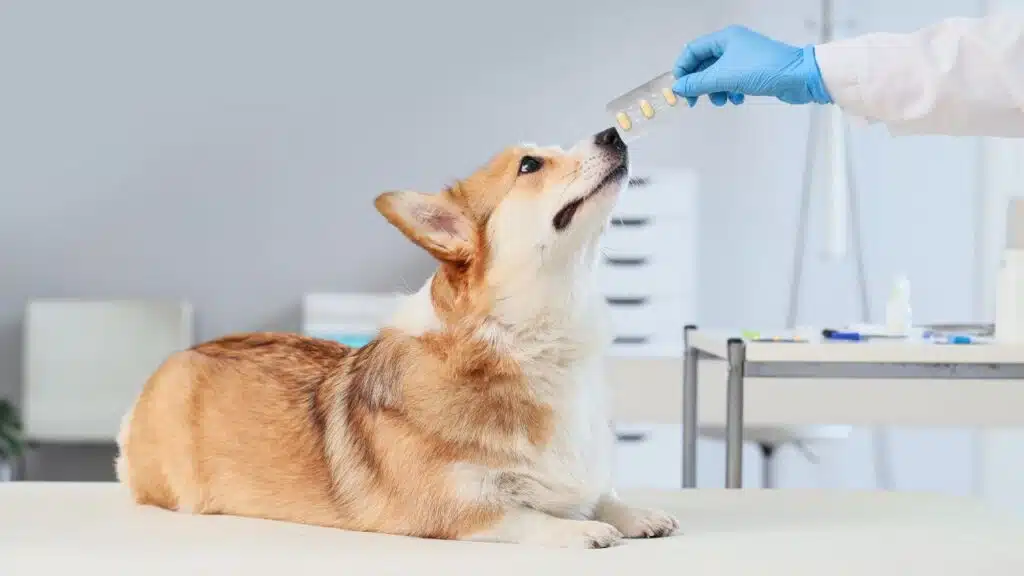
A single mosquito bite can infect your dog with heartworms. Heartworm disease can cause cough, weight loss or death. Year round heartworm prevention stops the worms before they take hold.
Vets check dogs with a blood test every year. Dog owners refill monthly pills in February, March then use them all year. Dogs can also swallow fleas or larvae and get intestinal parasites.
Roundworms and hookworms hide in soil or water, they can pass to kids who pet paws.
Scratching, diarrhea or bloated bellies often signal a parasite problem. Vets recommend a fecal test every year to detect eggs or larvae. Early treatment stops intestinal parasites from draining energy or appetite.
Puppies can look weak, wobbly or have dull coats when they host worms. Parasite prevention meds work on fleas, ticks, roundworms and tapeworms in one dose. Outdoor water sources like puddles can feed larvae, give fresh bowl water instead.
A solid routine cuts vet costs and keeps pups happy and ready for fetch.
How Can I Keep My Dog’s Teeth Healthy?
Dogs need daily tooth care to avoid gum disease. Clean teeth can fend off periodontal disease and foul breath.
- Use a dog toothbrush with canine toothpaste to brush your dog’s teeth every day or at least three times weekly, cutting plaque before it turns into tartar.
- Try dental chews or water additives on non-brushing days to fight intestinal parasites and boost oral health without extra effort.
- Pick dry kibble or dental toys that scrape teeth as your pet plays, slowing gingivitis and easing dog obesity risks through extra chewing exercise.
- Mark March on your calendar to buy fresh toothbrushes and toothpaste each year, following the 12-month plan for supplies.
- Plan professional teeth cleanings at the veterinary clinic based on check-up advice, since many dogs need one cleaning per year to stop periodontal disease.
- Watch for trouble eating, excessive drool, or foul breath; these signs can point to tooth fractures, loose teeth, or gum disease that demand prompt vet care.
Grooming Tips for a Happy, Healthy Dog
Good grooming helps your pet feel great. It catches skin issues early.
- Brush your dog every day for long coats or once a week for short coats. That stops mats and removes loose hair.
- Bathe your pet monthly or after a messy walk, using only pet-safe shampoo. That rinse keeps skin calm and clean.
- Trim nails every three to four weeks with a clipper or grinder. Short nails help them walk without pain and guard against skeletal problems.
- Look at paw pads each session for cuts, splinters, or lodged debris. This check also spots lumps, bumps, or skin problems early.
- Plan a September grooming appointment with experienced groomers to kick off fall health checks. Professionals use a vet-approved ear cleaner, scan for external parasites as part of parasite prevention, and add trims for active or long-haired breeds.
How Do I Monitor and Manage My Dog’s Weight and Diet?
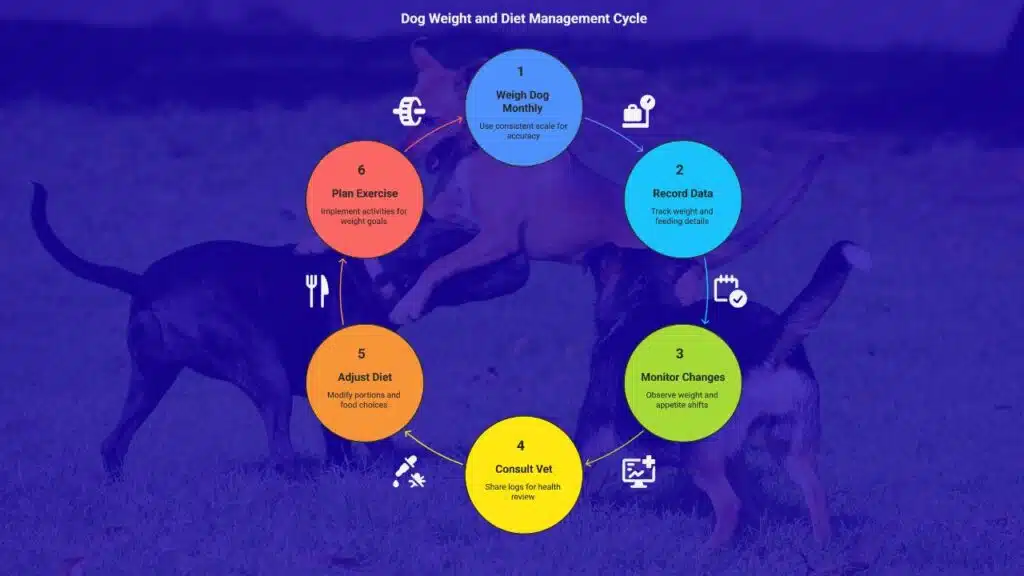
Dog owners can chart weight and feeding data each month using a notebook or mobile app. This habit helps spot dog obesity early and guides meal choices.
- Weigh your dog on the same home or vet clinic scale each month, to avoid calibration errors.
- Record each scale reading in January, February, March, April, May, June, July, August, September, October, November, and December in a feeding log or weight chart.
- Track any weight shifts, appetite changes, energy dips, or signs of muscle loss.
- Share your January and December logs with your vet through the clinic’s secure email address or bring printouts for your annual review, screening for arthritis in dogs or cardiovascular health issues.
- Adjust meal portions and treat amounts so treats stay under 10% of daily calories; choose AAFCO-approved dog food that matches your dog’s age, size, breed, and activity level.
- Consult your vet about senior dog care formulas with glucosamine for joint support, and plan exercise for dogs like leash walks, fetch, or obedience training to match your dog’s weight goals.
Takeaways
Monthly vet check-ups keep pups in top shape. Spot sneaky parasites early with prevention meds. Brush teeth weekly, using toothpaste or chews, to guard gums. Weigh your pal often and tweak his diet to beat obesity.
Clip nails, groom fur, and scan paws for cuts. Play fetch, train tricks, and boost his mind and body. Small steps each month mean big gains in canine health.
FAQs
1. How do I stop heartworm disease and other bugs in my dog?
Give a monthly heart pill for heartworm prevention. Add a parasite prevention pill for intestinal parasites. Visit your vet each month for check-ups. They test for heartworm disease, tick fever, and intestinal parasites. Catch bugs early to keep your pup healthy.
2. How can I keep my dog’s teeth clean at home?
Grab a dog toothbrush and dog toothpaste. Brush your dog’s teeth three times a week. Offer dog dental chews on the other days. It fights plaque like a scrub brush on a dirty pan. Visit the vet for check-ups and dental health.
3. What shots should my dog get?
Talk with your vet about a kennel cough shot and a dog flu jab. Ask about a tick fever vaccine too. Mark shot dates on a calendar so you don’t miss boosters. As a pet parent you stay on track this way. Shots guard against canine flu and kennel cough.
4. How can I keep my dog fit and happy?
Take your dog on daily walks, it beats a TV marathon. Play games for mental stimulation for dogs. Sign up for dog training classes to boost dog socialization. A fun dog trainer shows you tricks and commands. This routine chases away dog obesity.
5. What extra care does a senior dog need?
Senior dogs move slower, like an old tractor. Trim their nails gently to ease arthritis in dogs. Brush their teeth to protect dental health. Give soft beds to guard sore joints. Fit an ID chip and a dog seat belt for safe rides.
6. How can I protect my dog from eating bad things?
Hide electrical cords as though they are snake pits. Chewing them risks a shock that can kill. Keep chocolate away, it has theobromine poison. Watch for vomiting or weakness in your companion animal. Quick action can save your dog from being euthanized.