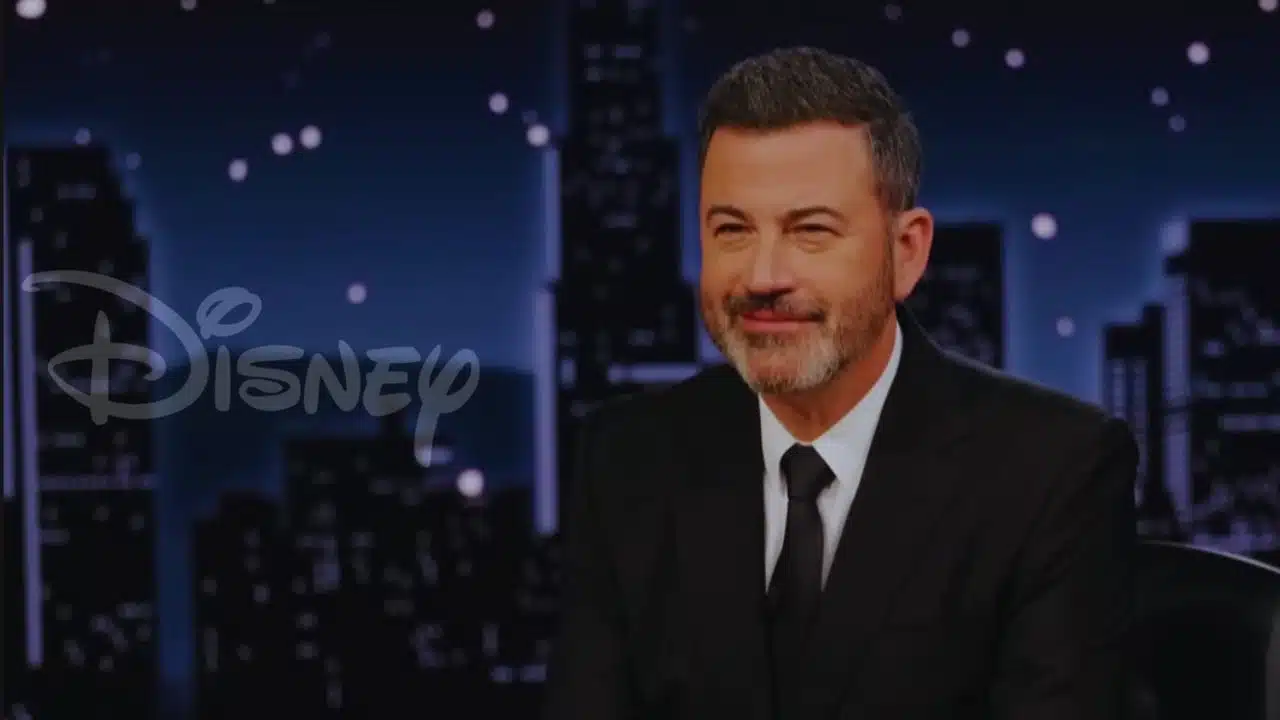
Disney has reportedly experienced one of the largest waves of cancellations in its streaming history. According to journalist Marisa Kabas, founder of The Handbasket, more than 1.7 million subscribers canceled their paid streaming plans—including Disney+, Hulu, and ESPN+—between September 17 and September 23.
Kabas shared the claim on Bluesky, noting that the cancellations marked a 436% surge compared with Disney’s typical weekly churn rate. The timing coincided with the company’s suspension of Jimmy Kimmel Live! on September 17, sparking controversy nationwide.
While Disney has not officially confirmed these exact figures, the report has generated significant attention from the entertainment industry and financial analysts. Outlets like Engadget and Awful Announcing highlighted the unusual spike, while stressing that Disney has declined to comment publicly on the specific numbers.
What Triggered the Controversy
Kimmel Suspension
The immediate cause of the backlash was Disney-owned ABC’s decision to suspend Jimmy Kimmel Live! on September 17. The move followed intense criticism from then-President Donald Trump and members of his administration, who accused Kimmel of making inappropriate remarks linked to the assassination of conservative commentator Charlie Kirk.
For many viewers, the suspension appeared to be a capitulation to political pressure rather than an internal disciplinary matter. Critics argued it undermined free expression in entertainment media.
Public Reaction and Boycott Calls
Almost immediately, social media campaigns under hashtags like #CancelDisneyPlus gained traction.
- Paul Graham, co-founder of Y Combinator, publicly announced he canceled his Disney+ subscription in protest.
- Other celebrities, journalists, and activists echoed similar actions, calling on audiences to boycott Disney’s streaming services.
- Even prominent media unions and free speech groups issued statements warning that the suspension could set a dangerous precedent for editorial independence.
This widespread dissatisfaction directly overlapped with the week of record subscription cancellations.
Disney’s Price Hike Complicates Matters
Adding fuel to the fire, Disney rolled out a streaming price hike during the same period. On September 24, the company confirmed:
- Disney+ and Hulu (ad-supported bundle): increasing from $10.99 → $12.99 per month.
- Disney+, Hulu, ESPN+ (ad-supported triple bundle): rising from $16.99 → $19.99.
- Ad-free Disney+ plan: remaining at $19.99.
Executives insisted that the price adjustments were pre-scheduled and unrelated to the Kimmel controversy. However, the timing—just days after the suspension backlash—fueled public suspicion. Some industry insiders even suggested Disney reinstated Kimmel’s show earlier than planned to soften the impact of the price hike announcement.
Disney Reinstates Jimmy Kimmel Live!
On September 22, Disney abruptly announced that Jimmy Kimmel Live! would return the very next evening, September 23.
- Despite being blacked out in roughly 23% of U.S. households (due to preemption by affiliates such as Nexstar and Sinclair), Kimmel’s return drew 6.26 million live viewers—a sharp boost compared with his typical ratings.
- His comeback monologue broke records on digital platforms, with 15 million YouTube views in just 16 hours, his fastest viral clip to date.
Analysts pointed out that while the controversy hurt Disney’s subscriber numbers, it paradoxically gave Kimmel’s show its strongest ratings in a decade.
Shareholder Scrutiny and Demands for Transparency
The fallout extended beyond subscribers. Several Disney shareholders, including unions such as the American Federation of Teachers and the AFL-CIO, formally demanded internal documentation about why the company suspended Kimmel in the first place.
According to a Reuters report, these investors argued the decision appeared motivated more by politics and affiliate pressure than shareholder value. The requests also highlight a broader concern: whether Disney’s content governance is being influenced by political actors, potentially jeopardizing long-term brand integrity and profitability.
Financial and Brand Impact
Short-Term Losses
If the reported 1.7 million cancellations are accurate, the financial hit could be substantial:
- At an average $10–$20 per subscription, the cancellations represent tens of millions in monthly recurring revenue lost.
- Analysts caution, however, that Disney has a massive subscriber base—over 200 million streaming accounts across its platforms—so the long-term damage depends on whether those subscribers return.
Long-Term Uncertainty
The controversy leaves Disney navigating multiple challenges:
- Reputation Risk – The suspension decision drew accusations of silencing talent under political pressure, risking Disney’s credibility with creative professionals.
- Competition – With Netflix, Amazon Prime Video, and Warner Bros. Discovery competing aggressively, even modest increases in churn can erode Disney’s market share.
- Investor Confidence – Disney must reassure shareholders that political controversies won’t dictate business decisions.
Lessons from the Kimmel Fallout
Industry observers note that this episode illustrates the delicate balance between content moderation, political pressure, and audience loyalty in today’s polarized climate.
- For audiences: The boycott showed the power of collective subscriber action in holding media giants accountable.
- For Disney: The incident highlighted the reputational risks of abrupt decisions without clear communication.
- For Kimmel: The suspension unexpectedly boosted his visibility, underscoring how controversies can sometimes strengthen a media figure’s cultural presence.
The suspension of Jimmy Kimmel, the backlash it sparked, and the reported 1.7 million cancellations mark a pivotal moment for Disney’s streaming strategy. Whether those lost subscribers eventually return—or whether Disney’s decision permanently damaged consumer trust—remains to be seen.
For now, the episode underscores how entertainment companies must tread carefully in a political environment where every programming decision can have both financial and cultural consequences.
The Information is Collected from Engadget and Gizmodo.